Travel used to feel like a straightforward transaction: pack a bag, book a flight, show up. That equation is shifting fast. A growing number of governments are deciding that unlimited access is not sustainable anymore, and they’re building the paperwork, fees, and daily caps to prove it.
None of these places are shutting travelers out entirely, but the direction is unmistakable. Entry now comes with conditions, and in some cases, a price tag that didn’t exist just a few years ago.
1. Italy
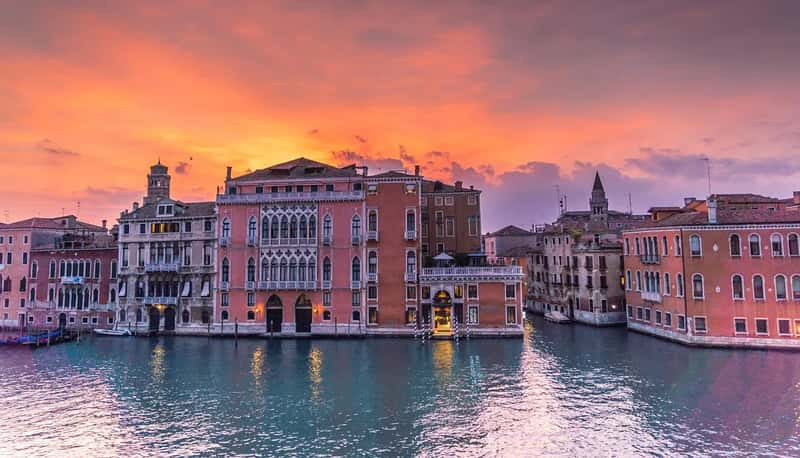
Venice has turned crowd control into a permanent fixture of its calendar rather than a one-off experiment. Venice has expanded its day-tripper entry fee in 2026 to 60 peak days between April 3rd and July 26th.[1] The system works on a sliding scale designed to reward planning: if you buy the Venice admission ticket up to four days in advance, it only costs 5 euros, so it’s worth planning ahead.[2]
Wait too long and the price doubles. The fee is €5, doubling to €10 for tourists who don’t make reservations up to four days in advance.[3] City officials have been careful to frame this as management rather than exclusion, but the underlying motive is blunt. The fee was introduced because Venice is particularly fragile, and as a city built on water, it requires far more maintenance than a typical city.[2]
2. Greece

Greece has picked a specific target for its crackdown: cruise ships arriving in overwhelming numbers on small islands. Greece introduced a 20-euro levy on cruise passengers visiting Santorini and Mykonos during peak summer months, with officials also planning to regulate how many cruise ships arrive simultaneously at certain destinations.[4] This isn’t a proposal sitting in committee somewhere either. Parliament approved the cruise-arrival levy, confirming the policy had moved beyond talk and into law.[4]
The logic behind targeting cruise traffic specifically makes sense once you consider the pattern. The approach makes sense in places where the problem is less “too many tourists everywhere” and more “too many people arriving at once.”[5] Beyond the islands, Athens has tightened its own gates too, with timed-entry systems and daily visitor limits[6] now shaping how people experience the Acropolis and other major sites.
3. Japan

Japan’s approach centers on two icons that have become symbols of overtourism fatigue: Mount Fuji and Kyoto. On the mountain, officials didn’t just raise prices, they capped bodies. Mount Fuji is limiting climbers on the Yoshida Trail to 4,000 per day and has increased the charge by 4,000 yen, from 1,000 yen.[7]
Kyoto took a parallel route through hotel pricing rather than physical gates. The city’s Kyoto hotel tax maximum[6] now reaches ¥10,000 per person/night[6], a figure that would have seemed extreme just a few years back. Nationally, Japan also rolled out a Departure tax from July 2026[6] set at ¥3,000[6], layering a new cost onto every foreign visitor leaving the country, regardless of where they traveled inside it.
4. The Netherlands
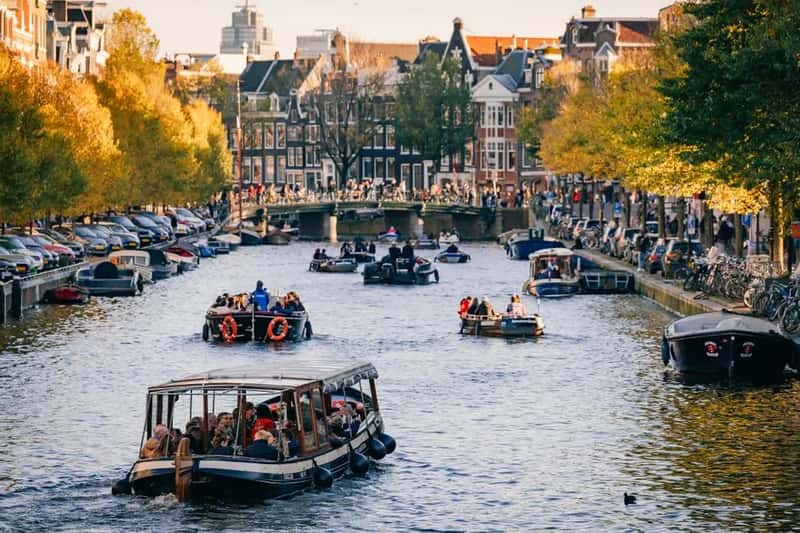
Amsterdam has spent years quietly tightening the screws on the kind of tourism it no longer wants, and 2026 marks a hardening of that stance. The city already has a ban on new tourist shops, restrictions on holiday rentals, and restrictions on new hotels, and it will no longer allow new hotel buildings except in replacement cases with no net increase in sleeping capacity.[4] Short-term rentals took a hit as well, with the city cutting allowed rental nights in central districts sharply.
Cruise traffic on the water is facing the same squeeze as hotel construction on land. Amsterdam has moved to cap arrivals with cruise ships capped at 100 per year, down from 190, with a full ban by 2035.[8] Add in a raised accommodation tax and the message to the mass-tourism model is clear: the city wants fewer overnight beds filled by short-term visitors, not more.
5. Bhutan

Bhutan’s approach to limiting tourism is the oldest and most deliberate on this list, built entirely around price rather than quotas. The SDF is USD 100 per person, per night, officially confirmed at that rate through 31 August 2027.[9] That single nightly charge, layered on top of accommodation and guide costs, keeps the kingdom firmly out of budget-travel territory.
The philosophy behind the fee has stayed consistent since it was overhauled. The Sustainable Development Fee is a per-night levy collected by the Royal Government of Bhutan from all international tourists as a condition of entry.[10] Neighboring travelers get a different deal entirely, since guests from India pay Nu./INR 1,200 per night, and guests from Bangladesh pay USD 15 per night with the visa fee waived.[9] For everyone else, Bhutan isn’t closing its doors so much as pricing out casual, high-volume visits altogether.
6. Spain

Barcelona has zeroed in on the housing side of overtourism, treating short-term rentals as the root problem rather than a side effect. The city is moving toward elimination of 10,000+ short-term rental licenses in Barcelona by 2028[11], a policy aimed squarely at returning housing stock to residents and easing housing pressure.[11] That is a significant chunk of the city’s existing rental market being phased out entirely.
Public frustration has followed the same trajectory as the policy, with visible protests in the Canary Islands adding pressure on national tourism strategy. In Tenerife and Lanzarote, protesters have chanted that visitors are not welcome[8], a sentiment that has pushed regional governments to take housing and crowding complaints more seriously. Taken together, Spain’s response looks less like a single new law and more like a coordinated shift away from treating tourist volume as an unambiguous economic win.
7. Indonesia
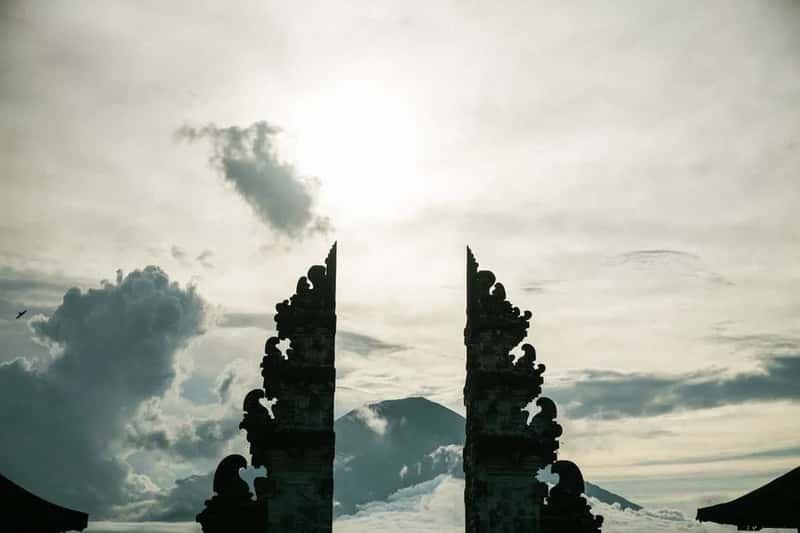
Bali has taken a lighter-touch approach compared to some entries on this list, but enforcement is where the real change is happening in 2026. The levy itself is small: Bali charges every foreign visitor a tourist levy of IDR 150,000, which is about USD 9.[12] For years, though, most visitors simply skipped paying it without consequence.
That’s no longer the case. For the first two years, only around a third of visitors actually paid, so the province has since stepped up enforcement, with officers now checking for proof of payment at popular tourist sites and the governor stating visitors without it can be refused entry.[12] The fee is modest, but the threat of being turned away at a temple gate over an unpaid ten-dollar charge marks a real shift from Bali’s previously hands-off reputation.
None of these seven destinations are pulling up the drawbridge completely. What they’re doing instead is making tourism conditional, on payment, on timing, on booking ahead, on simply following rules that didn’t exist a few years ago. For travelers, that means the planning phase of a trip now matters as much as the trip itself, since showing up unprepared in 2026 can mean paying more, waiting longer, or in Bali’s case, not getting in at all.