Moving abroad for work sounds thrilling on paper. A new city, a different culture, fresh professional opportunities. But between you and that dream job is often a mountain of paperwork, confusing eligibility rules, and a process that can feel deliberately designed to break your spirit. The difference between countries is enormous. Some have quietly become magnets for global talent by stripping away the red tape. Others seem to treat foreign applicants as problems to be screened out rather than assets to be welcomed.
Whether you are a skilled professional, a digital nomad, or simply someone craving a change of scenery with a paycheck attached, knowing which countries make it easy and which ones make it painful is absolutely essential before you start packing. The gap between the most accessible and the most restrictive is wider than most people realize. Let’s dive in.
1. Estonia – Europe’s Digital Gateway With an 87% Acceptance Rate
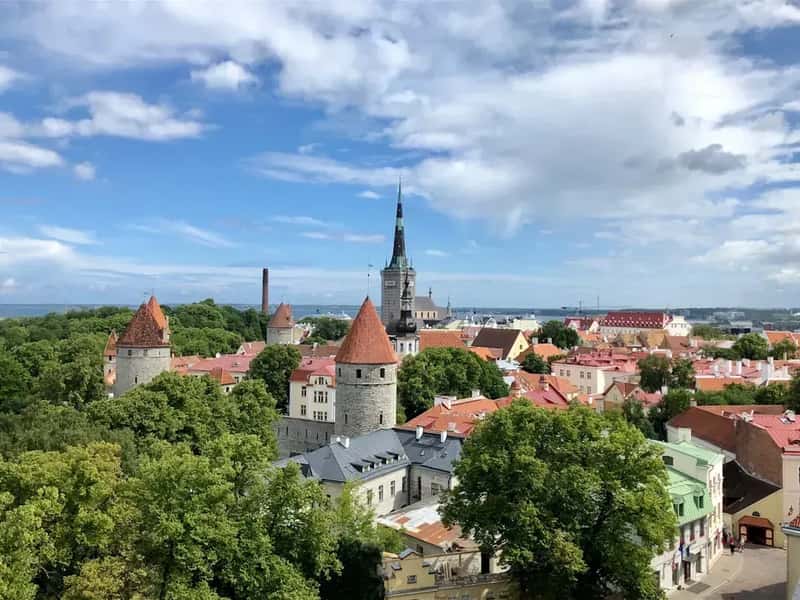
Estonia stands out as one of the easiest European countries to obtain a work visa in 2024, thanks to its high application acceptance rate of 87%. That number is not a typo. For perspective, most countries hover well below that figure, making Estonia something of an outlier in the best possible way.
Estonia’s D-Visa is ideal for tech professionals and digital nomads seeking work in Europe. Known for its digital-first approach, Estonia has streamlined the visa process to support its tech and startup ecosystem, and the D-Visa offers relatively simple requirements, making it attractive for IT specialists and entrepreneurs alike.
Estonia, amidst reported labour shortages, has emerged as a beacon for job seekers globally, with over 12,000 vacancies in various sectors beckoning foreigners to fill the gap. Honestly, if you are in tech and have not considered Tallinn yet, it might be worth a serious look.
2. Germany – Nearly 200,000 Work Visas Issued in 2024 Alone
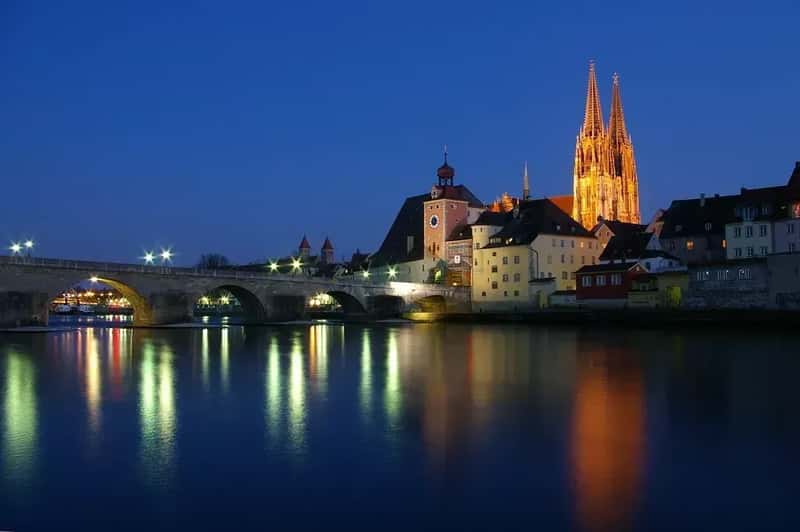
On 18 November 2023, the first stage of Germany’s new Skilled Immigration Act entered into force, significantly increasing flexibility for qualified skilled workers and introducing more favourable conditions for university graduates with the EU Blue Card. The results have been measurable and striking.
Germany’s Federal Foreign Office issued nearly 200,000 skilled worker visas in 2024, including over 11,000 EU Blue Cards, almost 5,000 Opportunity Cards, over 8,000 visas to researchers, and around 20,000 visas to trainees. Those figures represent a meaningful step change from previous years.
The Opportunity Card came into effect on 1 June 2024, giving qualified professionals from countries outside the EU/EEA or Switzerland the chance to come to Germany to look for work without needing a specific job offer, simplifying the application process for both job seekers and employers. Germany still has bureaucratic wrinkles, but the direction of travel is clearly more open.
3. Ireland – A Record-Breaking Year for Employment Permits

In 2024, Ireland issued a record number of employment permits, just over 38,000, to non-EEA citizens. That is a remarkable figure for a country with a population of just over five million people.
In 2024, a total of 39,390 employment permits were issued, which is a 27% increase on the 30,981 issued in 2023, demonstrating the continued reliance of Ireland’s key sectors on non-EEA employees. Healthcare, technology, and hospitality were among the top sectors driving that demand.
Ireland’s Employment Permits Act 2024 introduced important changes with effect from September 2024, including changes to the Labour Market Needs Test requirements, flexibility for certain permit holders to change employers after nine months, and the introduction of a new Seasonal Employment Permit. Think of it as a fairly welcoming door that just got a bit wider.
4. New Zealand – A Points System Built for Real People

New Zealand has always been a popular choice for those looking to work among stunning landscapes, and it happens to be one of the easiest countries to get a work visa. There’s a reason it consistently ranks near the top of expat wish lists.
New Zealand introduced changes in 2024 to make it easier to qualify for the Accredited Employer Work Visa, removing the median wage threshold and reducing work experience requirements. That was a significant move and one that opened the door to a wider pool of applicants than before.
For international students, the Post-Study Work Visa is most relevant, applicable for those who have completed a degree in New Zealand, and it grants the right to work for up to three years. New Zealand depends on skilled migrants for critical sectors like healthcare, engineering, and IT, which means the welcome mat is genuine, not just symbolic.
5. The Netherlands – Entrepreneurs and Innovators Are Genuinely Welcome
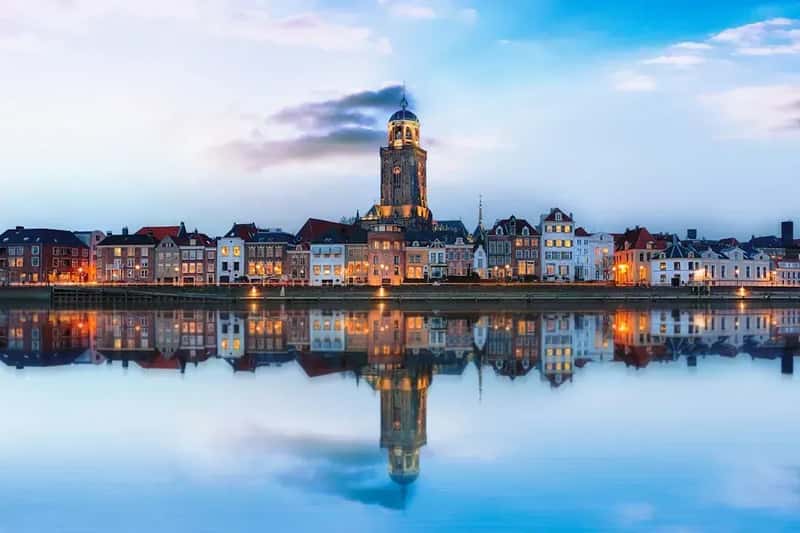
The Netherlands, known for its high quality of life, offers straightforward visa processes, especially for residents of select countries, and welcomes entrepreneurs and innovators with open arms, providing avenues for start-up ideas. Few countries in Europe can say the same with a straight face.
The Netherlands offers a one-year residency for foreigners to start a business, after which entrepreneurs apply for the self-employed work permit. The vast majority of Dutch people speak English, which makes the daily reality of settling there considerably less daunting than in many other European nations.
Thriving sectors like tech and energy ensure ample career opportunities for expats, and Netherlands visa processing time for short stay Schengen visa is 15 to 60 days, while for all long-term visas the processing time is 90 days. Not lightning fast, but predictable, and that predictability matters enormously.
6. Portugal – The Digital Nomad Hub That Actually Delivers
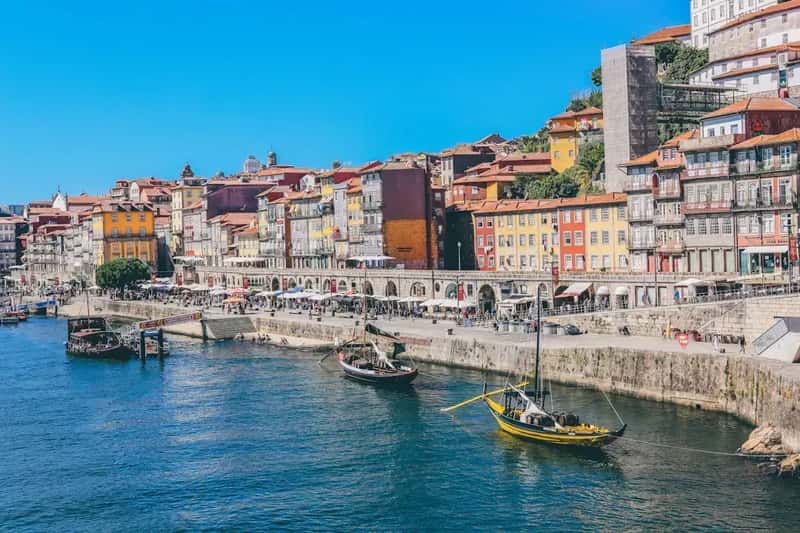
Portugal is among the countries that provide Digital Nomad Visas, allowing remote workers to live in the nation while working for employers abroad. It was one of the early movers on this visa category, and that head start shows.
Over 30 countries, including Portugal and Thailand, now offer remote work visas reflecting post-COVID work trends, but Portugal’s version has stood out for its relatively low income threshold requirements and the country’s undeniable quality of life. Lisbon, Porto, and even smaller towns like Braga have seen a surge of international workers setting up shop.
The pathway from a Digital Nomad Visa to longer residency is also relatively clear by global standards. Portugal has maintained its reputation as one of the most accessible Southern European destinations for foreign professionals, which is no small feat given how restrictive some of its neighbors have become in recent years.
7. Lithuania – A Straightforward Process for Skilled Sector Workers
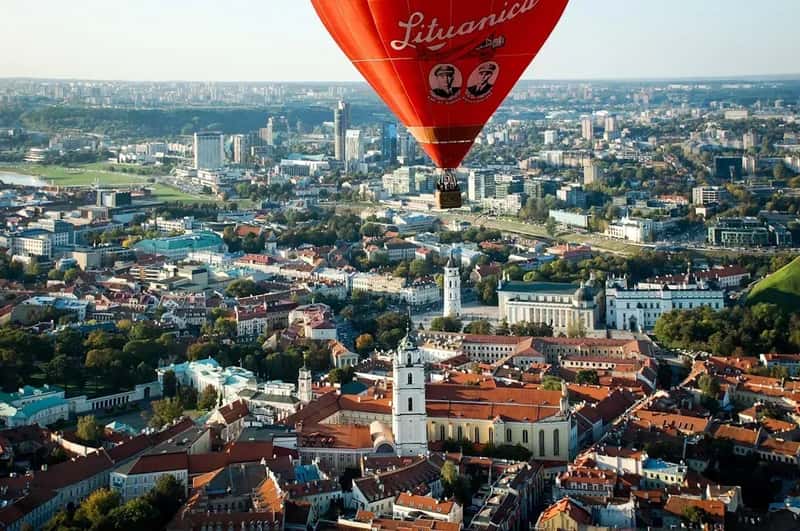
Lithuania’s work visa program is tailored to fill skill gaps in technology, manufacturing, and logistics, and with a straightforward application process, Lithuania attracted numerous skilled workers in 2024. It is not the flashiest destination on this list, but it is arguably one of the most practical.
To move and work in Lithuania, you must first obtain a job offer from an employer in the country, after which the employer submits the work permit application to the Lithuanian Labor Exchange, which then issues the work permit. The employer handles much of the heavy lifting, which is a genuine relief for applicants navigating a foreign system.
While Lithuania introduced temporary residence permits for longer stays in late 2024, it still prioritizes attracting top talent in high-demand sectors, and for professionals in tech, manufacturing, and logistics, it will likely continue to welcome applications with manageable visa requirements. It’s a quiet gem that deserves more attention.
8. Japan – Highly Controlled, Culturally Cautious

Now we turn to the countries that make the process considerably harder. Japan is fascinating in this regard because it is simultaneously a country facing severe labor shortages and one that has historically been reluctant to embrace large-scale foreign labor.
Japan’s immigration system is often cited as one of the most controlled and stringent in the world, reflecting the country’s historical emphasis on cultural homogeneity and national identity, and unlike many Western nations that have embraced multiculturalism, Japan has maintained a cautious approach to immigration.
Japan has rigorous rules when it comes to immigration and citizenship, and while you can generally immigrate to Japan under a work visa, the number of foreign workers remains low compared to natives, with several reports of challenges facing working immigrants. Japan has expanded the number of sectors and occupations eligible under its Specified Skilled Worker system, which is progress, but the bar remains formidable by global standards.
9. Saudi Arabia – Sponsorship Rules That Leave Workers Vulnerable
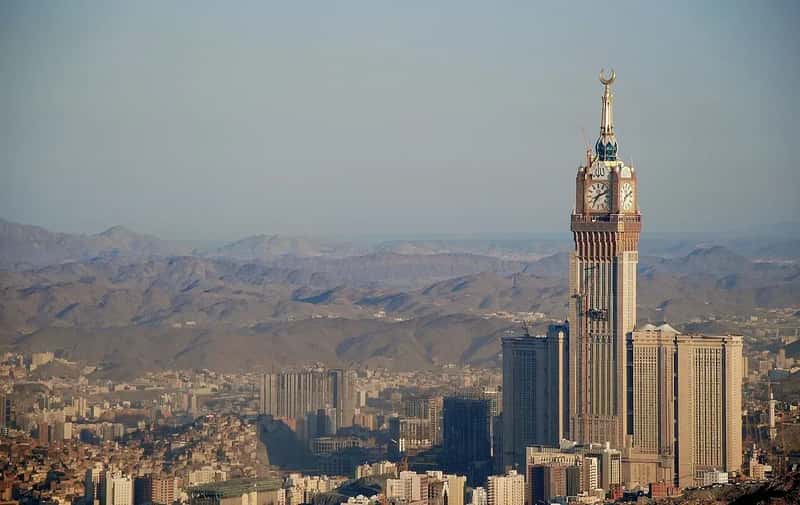
Saudi Arabia has strict immigration laws as it tries to protect its cultural values and social structure, and moving to Saudi Arabia is difficult unless you have employment and a sponsor. The kafala sponsorship system has long been criticized by labor rights groups worldwide.
Even after managing to get a visa, there are rigid laws to follow, including that you cannot simply change your sponsor, and your sponsor is typically in charge of holding your passport while you retain your Iqama. Some reforms have been introduced, but structural limitations remain deeply embedded in the system.
Citizenship in Saudi Arabia is difficult to obtain even if you want to marry a Saudi citizen, and if you are not a Muslim, marriage is not allowed, which means you are not qualified for citizenship by marriage. For many workers, the country functions as a temporary posting rather than a place to build a life.
10. Switzerland – Beautiful, Wealthy, and Firmly Restricted

For citizens of EU/EEA, moving to Switzerland is relatively easy, but it is quite tricky for anyone else. To get a long-term visa to Switzerland, you must be either highly qualified or have enough money, and even after getting a permanent residence permit, you must wait ten years before applying for citizenship.
Switzerland has implemented rigorous integration requirements and quotas to limit immigration. The Swiss system is essentially built around the premise that foreign workers are welcome only at the very top of the skills spectrum, or not at all. It’s a blunt instrument, and it shows.
The overall quality of life in Switzerland is extraordinary, and salaries are among the highest in the world. But the pathway to get there legally as a non-EU citizen is one of the most demanding in Europe. I think it is fair to say the country’s immigration system does not reflect its cosmopolitan image.
11. Kuwait – Shrinking Quotas and Increasing Restrictions
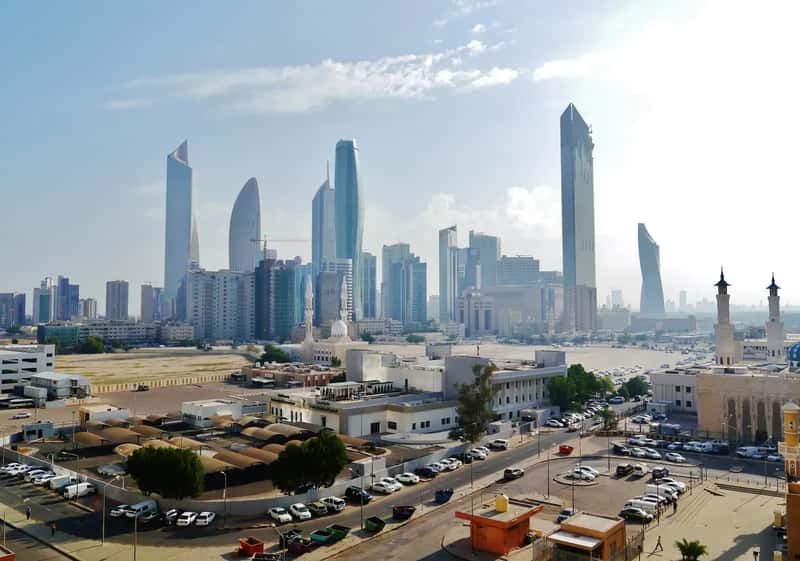
Kuwait has one of the strictest immigration policies where every foreigner needs to have a sponsor to be eligible for a Kuwait visa. Kuwait has announced plans to reduce the number of foreign workers to deal with the economy’s decline and ensure that Kuwaitis are employed in the same positions that foreigners hold, meaning Kuwait’s immigration laws are more likely to become even more difficult in the future.
This active policy of workforce nationalization, sometimes called “Kuwaitization,” creates significant uncertainty for foreign workers already in the country. Contracts that looked stable can evaporate when quota policies shift. It’s a volatile environment for anyone planning a long-term career there.
The sponsor-based model also means that workers have limited mobility once inside the country. Changing employers requires bureaucratic steps that can be slow and unpredictable, leaving workers in a difficult position if a working relationship deteriorates.
12. The United Kingdom – Salary Thresholds That Price Many Out

The UK’s immigration system has evolved significantly since Brexit, focusing on self-sufficiency and high-skilled talent, with the Skilled Worker Visa requiring a job offer with a minimum salary of £38,700 in 2026, up around 10% from 2024. That threshold alone has knocked a large segment of roles out of eligibility.
UK Skilled Worker visa grants saw an extraordinary run-up through 2023, followed by a sharp correction as the new government tightened rules, with the salary threshold raised from £26,200 to £38,700, which alone priced out a large segment of applications, especially in healthcare and hospitality.
High visa fees ranging from £1,500 to £3,000, plus NHS surcharges, deter applicants who might otherwise find the UK an attractive destination. The United Kingdom raised the education threshold for its main work permit scheme, with the qualification requirement for new Skilled Worker visa applicants raised from A-level to degree level. For lower-skilled but genuinely needed workers, the door has narrowed considerably.
13. China – Work Permits Without a Path to Permanence
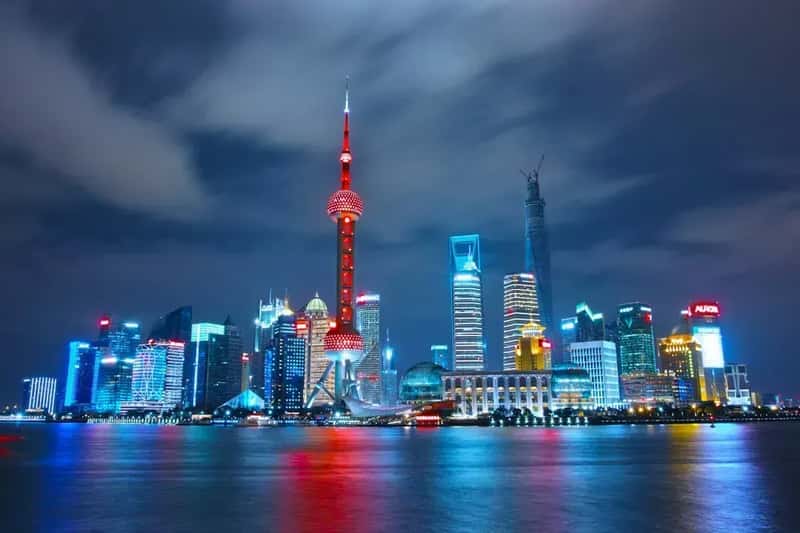
It is nearly impossible to get Chinese citizenship unless you have a relative that is also a Chinese citizen, and even if you try to apply for naturalization under other legitimate reasons, the chances of a successful application are very slim. Working in China is possible, but building a life there permanently is a different story entirely.
You can still get a work or business visa and live temporarily in China, but the only exception to China’s strict national laws applies to residents of Hong Kong, Taiwan, and Macau. The temporary nature of most arrangements means that expats often plan for a defined stint rather than a permanent move.
The process for obtaining a work visa in China typically requires employer sponsorship and documented professional qualifications, and the rules around what documents are accepted can vary. The absence of any realistic long-term immigration pathway makes China a challenging destination for anyone hoping to put down roots.
14. United States – Political Winds and a Lottery That Leaves Many Behind

The most striking pattern in H-1B data is not about companies or occupations but about politics. Denial rates swung dramatically depending on who was in the White House, climbing from 8.7% to 14.8% under the first Trump administration and dropping to 2.0% under Biden in 2022.
The US is replacing the H-1B visa lottery with a system favoring high-skilled, high-paid workers, with new rules starting in 2026 to protect American wages. That overhaul signals a continued narrowing of the field for those hoping to work in America through the traditional skilled worker route.
Backlogs persist, with over 1 million green card applications pending. For many foreign workers, that means spending years or even decades on a work visa with no certainty about permanent residency. The American dream of building a stable life has become significantly more complicated to translate into immigration reality.
15. Denmark – Strict Integration Rules With High Standards
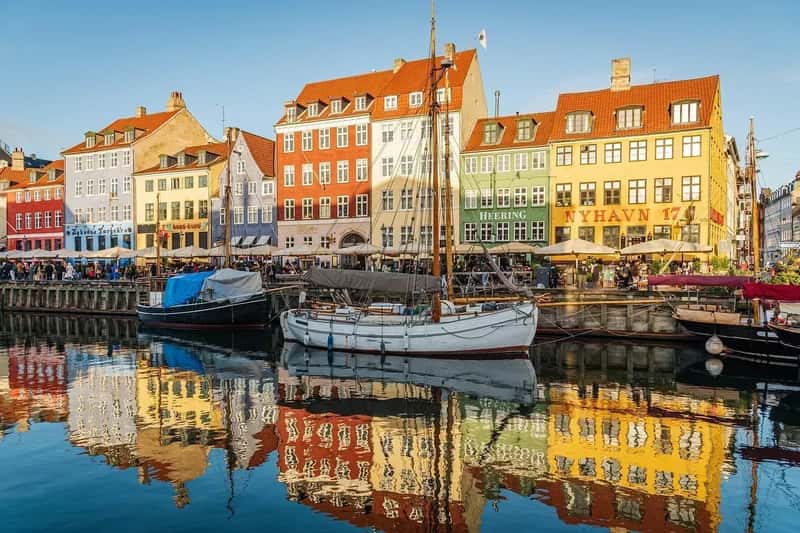
Denmark has some of the most rigid immigration laws, including rules that mean you cannot qualify for Danish citizenship by marriage if you or your partner are under 24 years of age, and Denmark also regulates working immigrants based on their qualifications and experience, making it challenging to get a residence permit without relevant skills.
Denmark expanded its Positive List for shortage occupations to 162 highly qualified positions and 49 skilled occupations, adding social and healthcare workers, though with a limit of 1,000. The list expansion is a positive signal, but the overall system remains demanding for anyone who does not fit neatly into an approved category.
Denmark, like Switzerland, has implemented rigorous integration requirements and quotas to limit immigration. The country scores exceptionally high on quality of life metrics and happiness indexes, which makes it all the more frustrating that getting in legally is such a formidable challenge. For highly qualified professionals in shortage fields, it remains viable. For everyone else, it is one of Europe’s more difficult doors to open.
—
The global landscape of work visas in 2026 is genuinely polarized. Some nations are actively competing for your skills, your energy, and your tax contributions. Others are pulling up the drawbridge. The gap between an Estonia with an 87% acceptance rate and a Switzerland that requires a decade before even applying for citizenship tells you everything about the philosophy behind these systems.
What strikes me most is that the countries making it easier are often doing so out of economic necessity, not pure generosity. They need workers. The countries making it hardest are often protecting existing labor markets, cultural identities, or political narratives. Understanding which camp a country falls into before you apply can save you months of frustration.
Which country surprised you most on this list? Drop your thoughts below.