Imagine working a full month and taking home what some people spend on a single dinner out. Now flip that picture. What if your monthly paycheck could buy you a comfortable life almost anywhere in the world? These extremes aren’t hypothetical scenarios or economic theory. They’re the lived reality for millions of people right now, in 2026.
The gap between the world’s highest and lowest paid workers stretches wider than most people realize. While some nations struggle with monthly wages that barely cover basic necessities, others offer compensation packages that seem almost unimaginable by global standards. Let’s explore this striking divide.
The Harsh Reality of Ultra-Low Wages

Here’s the thing about countries with the lowest wages on Earth. We’re not talking about slightly less comfortable lifestyles or modest accommodations. Many workers in Afghanistan earn between $60 to $100 per month, and that’s closer to the middle of the pack among the world’s poorest nations. The average monthly income in Afghanistan is 31 US dollars per capita, reflecting one of the most challenging economic environments globally.
Think about that for a moment. Thirty-one dollars. That’s less than what many people in wealthy countries spend on streaming services or their morning coffee run.
Cuba has the lowest minimum wage mandated by law anywhere, set at $9 USD per month, though employers must provide food for free. Tanzania’s minimum wage is approximately $23.59 USD monthly at its lowest, updated in 2024 but still barely enough to survive.
Africa’s Wage Crisis

The African continent bears a disproportionate burden when it comes to low wages. As of 2022, Zimbabwe had the lowest average monthly salary of employees in the world in terms of purchasing power parities, with Rwanda having the second lowest average wages.
The average salary in Burundi is 1,690,409 Burundian francs, equivalent to USD 568. That might sound reasonable until you realize this is the average, not the minimum. Half of the country’s workers earn even less. The official minimum wage for Burundi has been set at 300 Burundi Francs per hour for non-agricultural workers, which equates to approximately 48,000 Burundi Francs per month.
Rural agricultural workers, who make up the vast majority of the workforce in these countries, often earn substantially less than even these figures suggest.
Asia’s Struggling Economies

Bangladesh has a minimum wage mandated by law to be 12,500 Bangladeshi taka or $114 USD a month. Half of Bangladesh’s working population labors in the agricultural sector, where productivity remains persistently low despite the nation’s growing garment industry.
Nigeria, Kyrgyzstan, Tajikistan, and Tanzania are repeatedly cited among the lowest, with official monthly floors often under about US$50 at market exchange rates. In Kyrgyzstan, the minimum wage was updated in 2024 and is among the lowest in the world, at 2,460 Kyrgyzstani SOM.
The situation becomes even more complex when you consider that many of these countries have large informal economies. Official wage statistics might not capture the full picture of how little people actually earn.
Where Basic Needs Consume Everything
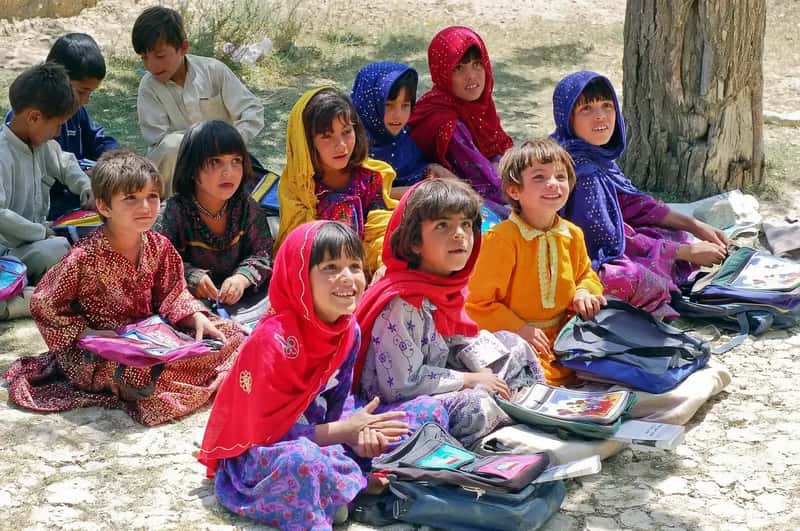
It’s hard to say for sure, but the cost of living in these low-wage countries creates a suffocating cycle. Even though prices for basic goods might be lower than in developed nations, the cost of living in Burundi is relatively low compared to many other countries, however, even with a lower cost of living, the average salary often provides only a basic subsistence level of income.
On average, a casual laborer in Afghanistan can gain AFN 313 per day whereas a skilled laborer can gain AFN 648 per day, with the national average expected monthly income for full-time casual labor workers at AFN 2,891, which can only afford 54% of the WFP’s in-kind food basket.
Let’s be real. When your entire monthly income can’t even buy enough food for your family, there’s no room for savings, education, or climbing out of poverty. This isn’t just an economic problem. It’s a human crisis that perpetuates itself across generations.
The Elite Club of High-Earning Nations

Now let’s flip to the other side of this extraordinary divide. The highest-paying countries in 2025 were Switzerland ($8218), Luxembourg ($6740), the United States ($6562), Iceland ($6548), Norway ($5772), Denmark ($5749), Canada ($5188), Ireland ($4729), the Netherlands ($4688), and Singapore ($4457). These figures represent average net monthly salaries after tax.
Switzerland consistently dominates global wage rankings. The median gross monthly salary stood at CHF 6,788 in 2022, and based on projections, wages are expected to rise 1.4% in 2025, reaching around CHF 6,986. That’s roughly about seven thousand dollars a month for the typical worker, not counting bonuses or the famous Swiss 13th-month salary.
Luxembourg’s Financial Powerhouse

According to the Luxembourgish government, as of September 2024, the average salary in Luxembourg amounts up to 81,000 euros per year, a significant increase since 2022. That breaks down to roughly about six thousand seven hundred fifty dollars monthly after tax.
What makes Luxembourg exceptional isn’t just the raw numbers. Luxembourg had the highest average monthly salary of employees in the world in 2023 in terms of purchasing power parities, with Belgium following in second and the Netherlands in third.
The Grand Duchy’s status as a major financial hub drives these impressive figures. International banks, investment firms, and European Union institutions create intense competition for skilled workers, pushing salaries skyward.
The Nordic Model and North American Giants

The Scandinavian countries consistently appear near the top of wage rankings, though their approach differs significantly from Switzerland or Luxembourg. In Denmark, with the right role, you can expect to earn a monthly income of around US$6,127. Norway offers similar compensation despite having no statutory minimum wage, relying instead on collective bargaining agreements.
Iceland presents an interesting case. The average wages in Iceland are excellent, with an average income of US$5,722 monthly. Iceland is also one of the costliest countries in the world, which means nominal wages don’t tell the complete story about purchasing power.
The United States remains a global economic powerhouse with substantial earning potential. The average gross annual wage per full-time employee in the USA was $82,932 in 2024, or around $6,911 per month. However, that’s before considering healthcare costs, which consume a much larger portion of American wages compared to European countries with universal healthcare systems.
What would you have guessed before reading this? The salary gap between nations isn’t just about numbers on a paycheck. It reflects decades of economic development, political stability, education systems, and global trade relationships. For workers earning thirty dollars a month, the idea of a four-thousand-dollar paycheck must seem like pure fantasy. Yet both extremes exist simultaneously on our shared planet.