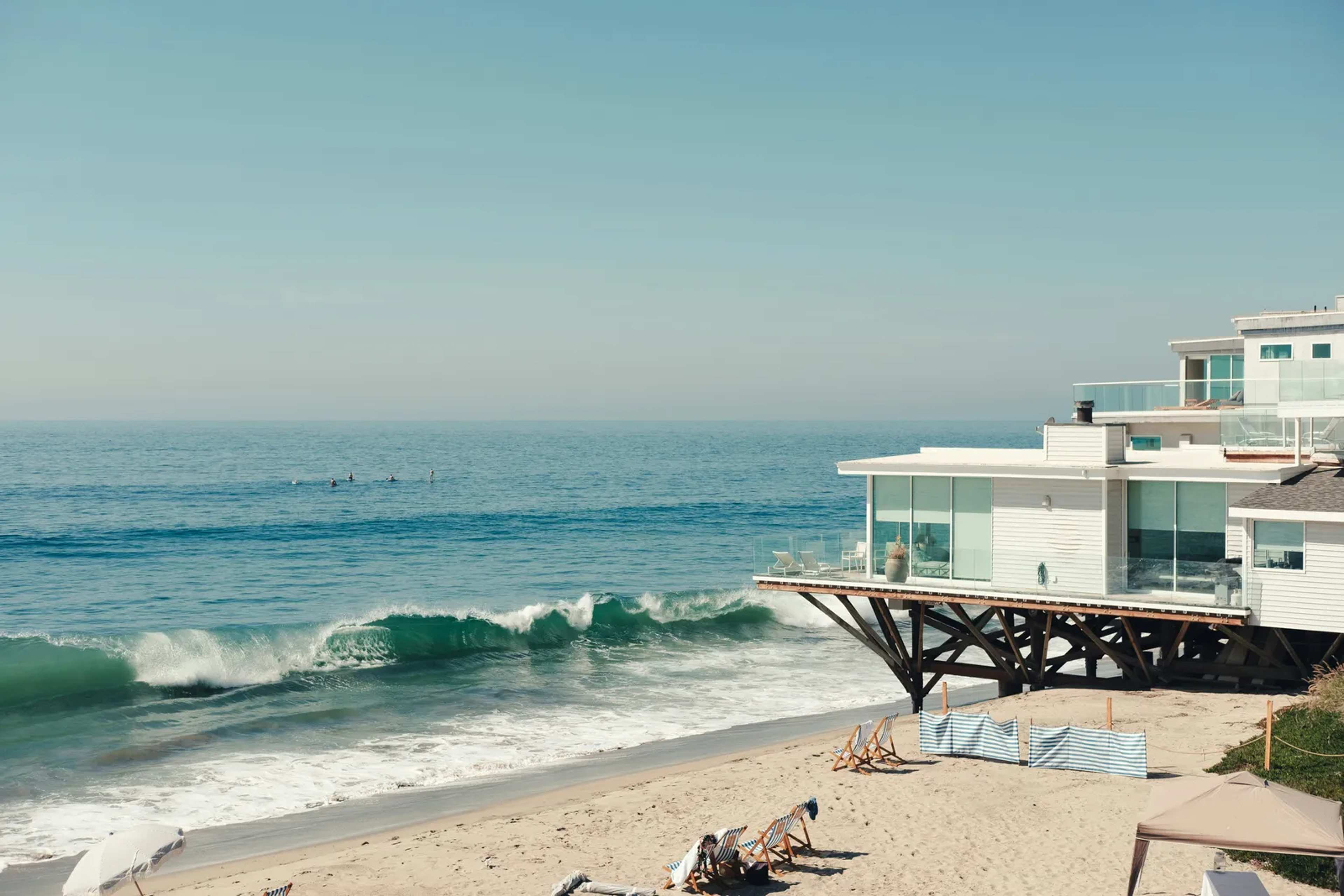
The global tourism industry reached unprecedented levels in 2024, with destinations worldwide welcoming record numbers of visitors. Yet behind the impressive statistics lies a troubling reality. Research from major universities and tourism organizations now reveals that some of the world’s most beloved cultural destinations are paying an alarming price for their popularity. Local communities are fighting back against what they see as cultural erosion, demanding protection for their heritage before it’s too late.
Italy: Venice Transforms Into a Theme Park
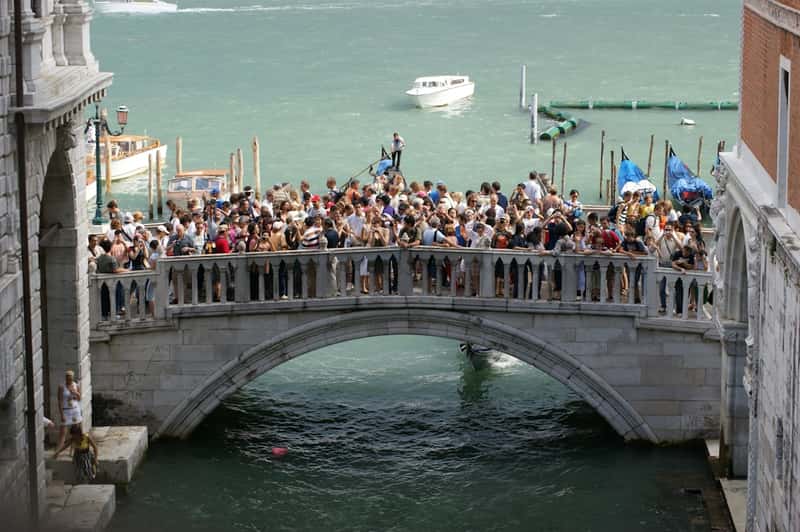
Venice faces nearly 400 tourists per day for each of its residents, with the city recording the highest average hotel prices in Italy at approximately €190 per night. The city attracts around 5.7 million overnight tourists annually, with approximately 30 million day visitors, while the resident population has dwindled to just over 50,000, meaning tourists outnumber locals on most days. Local businesses such as bakeries and artisan workshops are increasingly being replaced by tourist-centric shops selling souvenirs, while Venetians move away due to high living costs. There are now more tourist beds in Venice than there are residents, with 20 million people visiting the city’s two square miles last year.
Spain: Barcelona Residents Take Up Arms Against Tourists
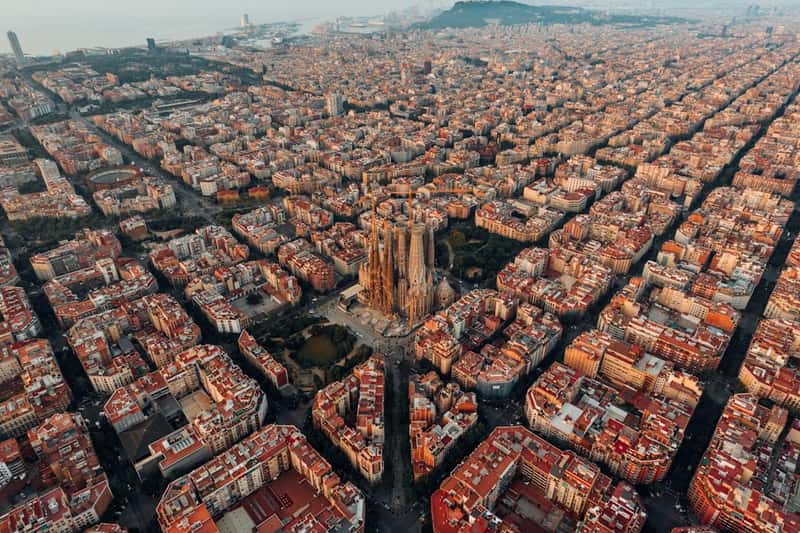
The frustration reached a boiling point in July 2024 when Barcelona residents used water pistols against tourists in coordinated protests, carrying signs reading “One more tourist, one less resident”. Between 2007 and 2019, some areas of the city experienced a 45% decrease in resident population, largely attributed to Airbnb, causing investors to purchase apartments for short-term rentals. Protests have erupted with Barcelona residents using water guns to douse tourists, holding signs reading “One less tourist, one more resident!” as Spain’s Canary and Balearic Islands each hosted over 15 million visitors despite having combined populations under 5 million.
Greece: Santorini’s Infrastructure Crumbles Under Tourist Weight
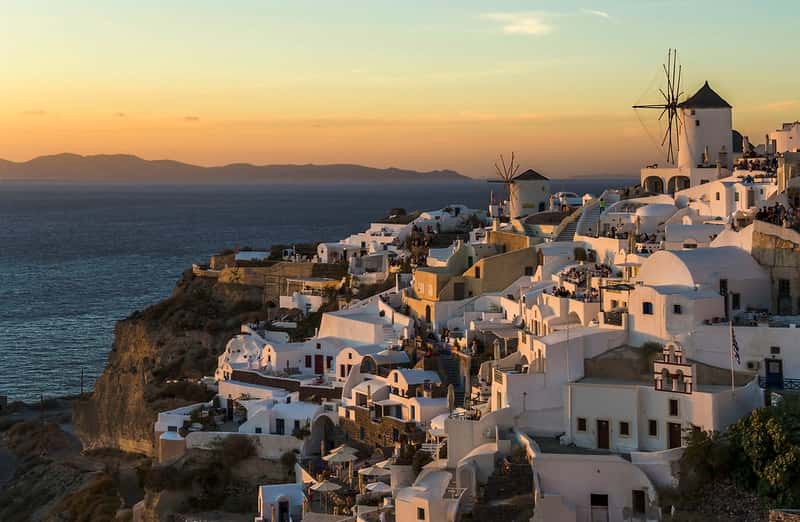
Santorini reports up to 18,000 cruise passengers overwhelming the island daily, straining resources for its 15,000 residents. Reports from 2024 show up to 18,000 cruise passengers overwhelming the island daily, while the narrow streets of Oia become impassable rivers of humanity during sunset viewing hours. Greece hosts nearly four times its population in tourists, with popular islands like Santorini and Mykonos facing water, housing, and energy shortages during peak summer months. Locals lament the loss of neighbourhood character as traditional shops give way to souvenir stores and international chains.
Japan: Kyoto’s Sacred Districts Under Siege
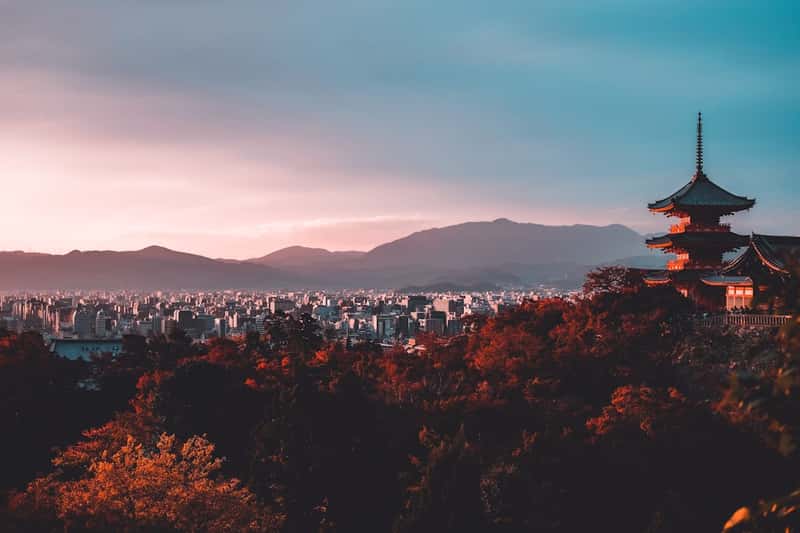
Kyoto’s overtourism has caused social tensions, marginalised residents, and led to a ban on tourists entering private alleys in the Geisha district due to misbehaviour. The introduction of Kyoto’s special tourist express bus routes aims to reduce overcrowding, while the Geisha Districts prohibit visitor access to private streets and enforce strict no-photography rules to protect residents’ privacy. An NHK feature showcased how small towns in Japan are using local crafts and cultural experiences to combat depopulation, preserving both livelihood and identity.
Indonesia: Bali’s Sacred Sites Commercialized
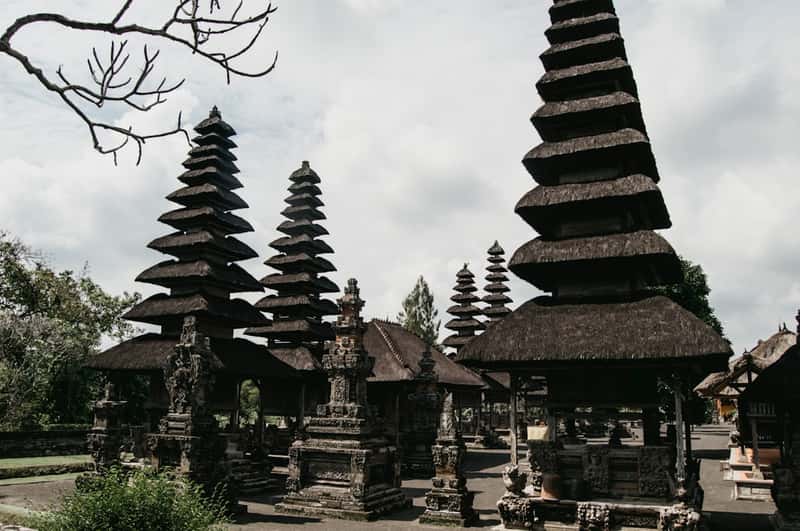
Bali Governor Koster issued new guidelines in 2023 for the island’s development over 2025-2125, focusing on protecting nature, culture, and local people, while the government announced a ban on tourist activities on all 22 of Bali’s sacred mountains. Nearly 15 million tourists arrived in Bali in 2024, with many local communities protesting against rapid development that replaced sacred sites and traditional rice paddies with resorts and beach clubs. In Penglipuran village, the law prevents villagers from selling land to outsiders, preserving traditional life and Bali’s culture.
Netherlands: Amsterdam’s Cultural Identity Eroded
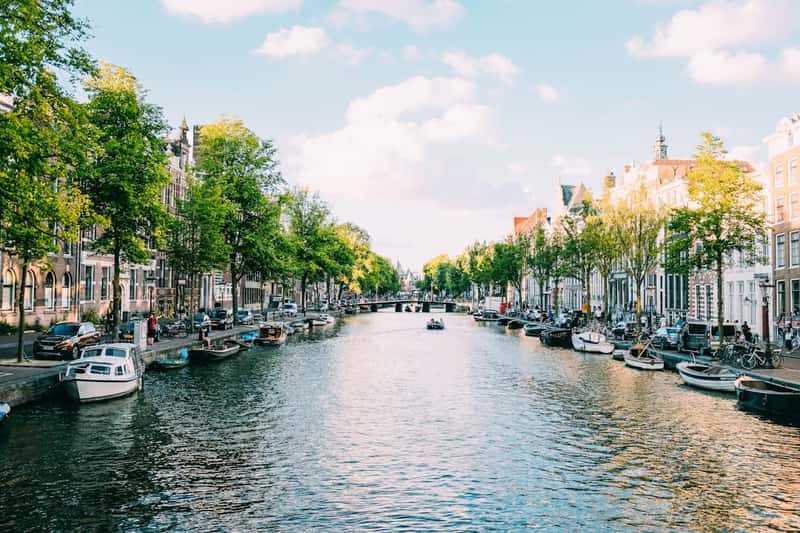
Amsterdam is being crushed under the weight of over-tourism, transforming from a charming canal city into a chaotic wasteland of drunken revelers and stag parties, with millions of tourists flooding the city annually while locals flee. Amsterdam’s historic canals attracted over 20 million visitors in 2023, affecting daily life through overcrowded public transport, rising rents, and noise pollution in residential neighborhoods. Entire neighborhoods have turned into soulless Airbnb zones, pushing out residents and annihilating local culture in what amounts to cultural annihilation rather than tourism.
Thailand: Cultural Heritage Sites Face Environmental Damage
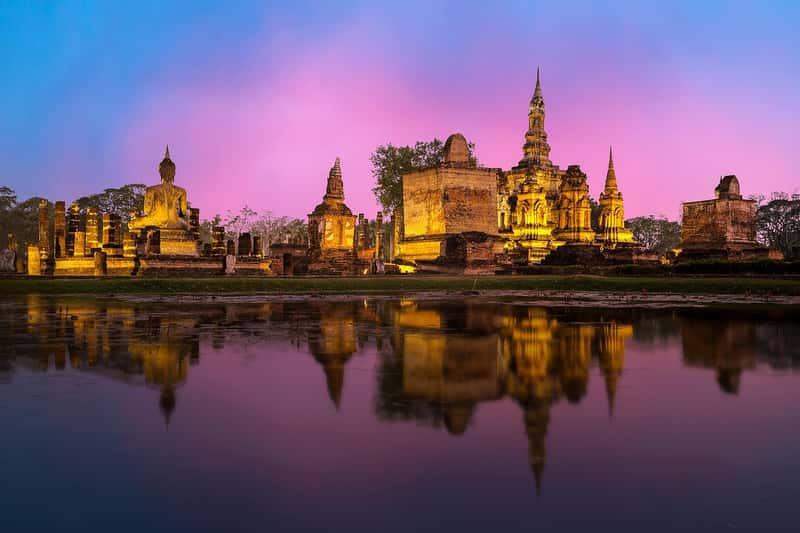
Thailand is limiting visitor numbers at popular sites like Maya Bay to mitigate environmental damage and preserve cultural heritage. In the Philippines, the government temporarily closed Boracay Island for six months due to severe environmental harm.
These destinations represent a broader global crisis where tourism’s economic benefits come at the expense of cultural authenticity and community wellbeing. Research shows overtourism erodes local culture and heritage, leads to vandalism of cultural sites, and can destroy the cultures of destination communities if not managed properly. The evidence reveals that without immediate intervention, many of the world’s most treasured cultural sites risk losing the very essence that made them worth visiting in the first place.