There’s a strange irony sitting at the heart of modern healthcare. The countries with the most advanced hospital technology often charge the most for basic procedures, while some of the world’s best surgeons work in places where a knee replacement costs less than a used car. That gap has quietly reshaped how millions of people think about getting treated, not as a last resort but as a genuine travel plan.
What used to be a niche option for the uninsured has become something closer to a mainstream strategy. People compare flight costs against surgery bills the way they’d compare hotel prices, and increasingly, the math works out in favor of packing a suitcase.
1. Thailand
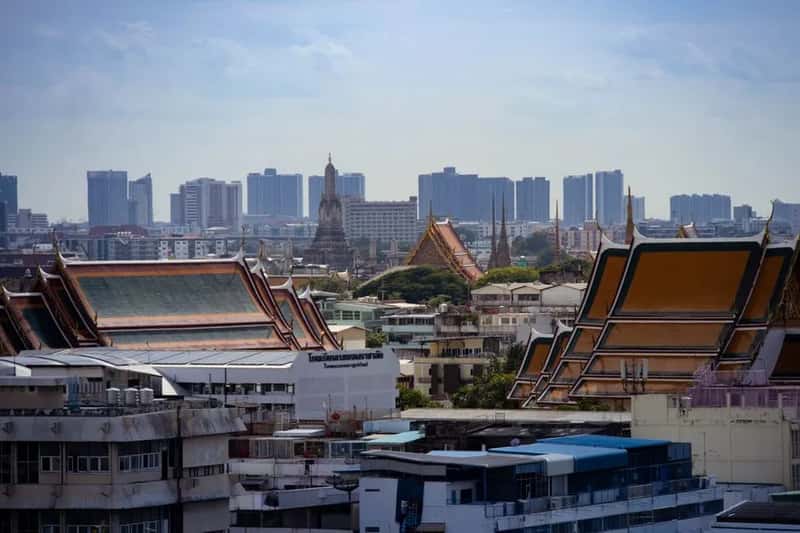
Thailand has spent more than two decades building a reputation as one of the most reliable medical travel destinations on the planet. The country’s medical treatment costs are significantly lower than in countries like the U.S., and it continues to be the leading medical tourism destination in 2025, serving over 3 million international patients annually. Hospitals such as Bumrungrad in Bangkok operate more like upscale hotels than clinical facilities, with English-speaking staff and international patient coordinators handling everything from paperwork to airport pickups.
The savings are not marginal. Treatments in Thailand can cost 30 to 70 percent less than in the U.S. or Western Europe. Dental work shows some of the sharpest contrasts, since All-on-4 dental implants in Thailand cost around A$10,460, compared to A$25,000 in Australia, a savings of roughly 87 percent. The government has also been actively expanding support for this sector, including plans for longer-stay medical visas that make extended treatment more practical for people traveling from far away.
2. Mexico

For Americans and Canadians, Mexico offers something no other country on this list can match: proximity. Border towns like Los Algodones, nicknamed “Molar City,” have built entire economies around dental tourism, and the crossing numbers back that up. More than 6,000 U.S. patients crossed at Andrade-Algodones in 2024 for dental care alone, according to the Baja Health Tourism Board.
Independent research suggests the savings, while still substantial, are more modest than some marketing claims imply. Data from associations and government sources point toward savings closer to 35 to 65 percent rather than the 50 to 80 percent figures often advertised by clinics. Still, even conservative numbers are striking. An average single dental implant in Mexico runs around $975 compared to $1,500 in the U.S., and more complex procedures tend to show even larger absolute savings simply because there’s more dollar value on the table.
3. India

India occupies a distinct niche in medical travel, less about dental cleanups and cosmetic touch-ups, more about serious, complex procedures at a fraction of Western pricing. The country has built a genuine specialist infrastructure around this demand. Its numerous private hospitals comply with international healthcare standards, and many facilities carry Joint Commission International accreditation, ensuring world-class treatment for international patients.
The price differences here can be dramatic rather than incremental. Procedures abroad can cost 50 to 80 percent less than in the U.S. or U.K., and a hip replacement that runs $50,000 in the U.S. may cost under $10,000 in India. That kind of gap matters most for patients facing major orthopedic, cardiac, or oncology treatment, where even a partial discount on a six-figure bill translates into life-changing savings.
4. Turkey

Turkey has carved out a specific identity in the medical travel world, built heavily around hair transplants and cosmetic work, though its reach extends well beyond that. The country has quickly gained a reputation as a top destination for affordable yet high-standard medical procedures, with cities like Istanbul and Ankara home to internationally accredited clinics serving thousands of global patients each year.
What sets Turkey apart is the packaging. Medical centers often bundle treatments with luxury hotel stays and personal assistants, creating a seamless medical tourism experience. The patient base leans heavily European and Middle Eastern, drawn largely by fertility, cardiology, orthopedic, and wellness specialties that combine strong outcomes with prices well below Western European rates.
5. Malaysia

Malaysia rarely gets the same attention as Thailand or Turkey, yet insiders in the medical travel industry often describe it as an underrated option. Its private hospitals offer high standards at lower costs, with services often rated better than those in Western countries, and cities like Kuala Lumpur and Penang are especially popular for their quality care and English-speaking doctors.
Part of what makes Malaysia distinctive is its early investment in structured medical tourism support through national initiatives, a model other Southeast Asian countries have since studied and copied. The country tends to attract patients seeking cardiac care, fertility treatment, and health screenings rather than purely cosmetic work. Communication barriers, often a real concern elsewhere, are less of an issue here given the widespread use of English in both hospitals and everyday life.
6. Costa Rica

Costa Rica has become something of a favorite among North American patients who want quality care without a long-haul flight. The country is popular among patients from the USA and Canada for dental, orthopedic, and cosmetic surgeries, with hospitals providing international-standard care through accredited facilities including CIMA Hospital, Clínica Biblica, and Hospital La Católica.
Dental treatment in particular draws steady traffic across the border. Research from the Academy of General Dentistry indicates that treatment in Costa Rica may lead to savings of between 45 to 65 percent compared to typical American pricing. The relatively short flight time from major U.S. cities, combined with a stable political climate and a tourism industry already built around hospitality, makes recovery time feel less like an inconvenience and more like a short vacation.
7. Colombia
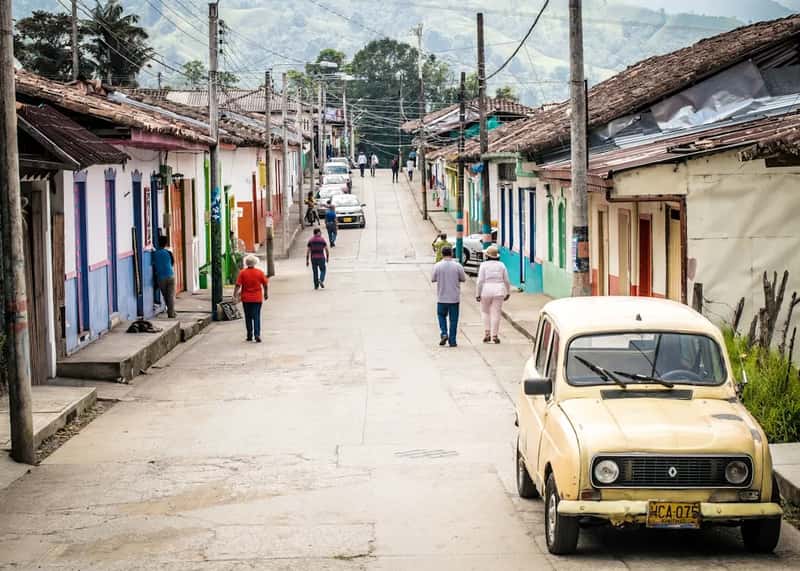
Colombia has quietly become one of the fastest-growing medical tourism markets in Latin America, particularly for plastic surgery and dental work. The country saves Americans an estimated 50 to 80 percent on procedures at JCI-accredited hospitals, with more than 15,000 U.S. patients treated annually as of 2025 across facilities including Fundación Valle del Lili and Hospital Pablo Tobón Uribe.
The pricing specifics tell their own story. Costs range from around $3,000 for rhinoplasty to $12,500 for a knee replacement, roughly 50 to 75 percent below U.S. prices. On the dental side, procedures cost 40 to 80 percent less than U.S. prices, with a single implant starting near $700. Cities like Medellín and Bogotá have developed genuine medical districts, complete with recovery houses and English-speaking coordinators built specifically around foreign patients.
None of this means medical travel is without risk or without homework. Accreditation, realistic expectations about savings percentages that vary by source, and a clear plan for follow-up care all matter more than the marketing brochures suggest. But for patients willing to do that groundwork, these seven countries represent a genuine, well-documented shift in where quality healthcare can actually be found and afforded.