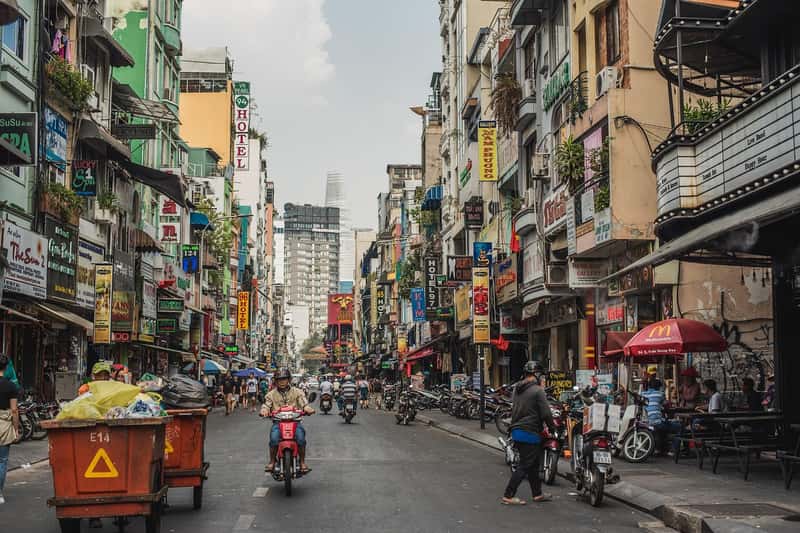
In many cities across North America and Western Europe, two hundred dollars barely covers a week of rent, let alone a full month. Yet in several parts of the world, that same amount stretches far enough to cover a decent apartment, complete with a bedroom, a kitchen, and sometimes even a balcony with a view. The gap between these two realities says a lot about how unevenly global housing costs are distributed, and it also explains why an increasing number of remote workers, retirees, and budget travelers are looking beyond the usual expat hotspots.
What follows is a country by country look at places where housing genuinely stays under that $200 monthly threshold, based on current rental data rather than outdated guesswork. Some of these locations are well known on the digital nomad circuit, while others rarely make it onto anyone’s radar at all.
Nepal: mountain views without the mountain of rent
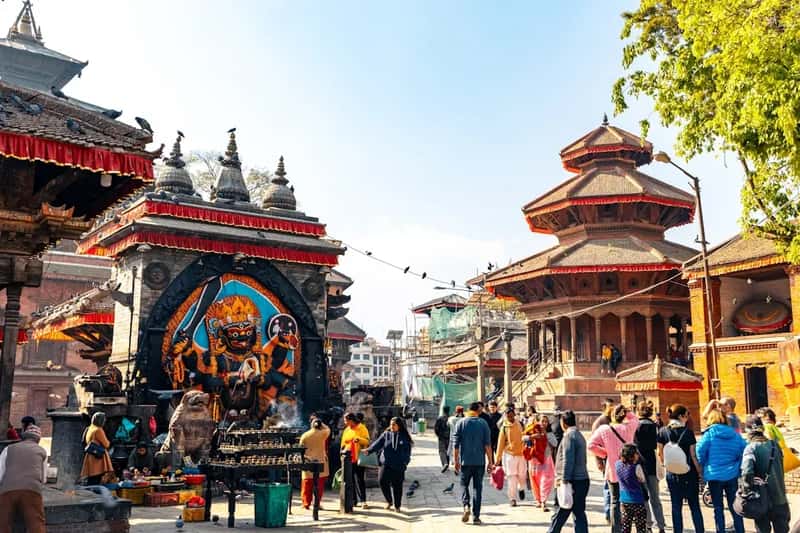
Kathmandu is Nepal’s priciest city, yet even there the price gap between the center and its outer neighborhoods is striking. The average monthly rent for a 1-bedroom apartment in the city centre is £130, compared to £63 outside the centre. That outside-center figure works out to roughly eighty US dollars, which is a fraction of what a similar unit would cost in most Western capitals.
Even larger homes stay well within budget once you move past the busiest districts. Outside the centre, a three-bedroom apartment rents for between $133.24 and $370.12, averaging $193.56. Beyond Kathmandu, in smaller towns and rural districts, prices drop even further, making Nepal one of the more consistently affordable places to settle for months at a time.
Pakistan: spacious living at a fraction of the global average
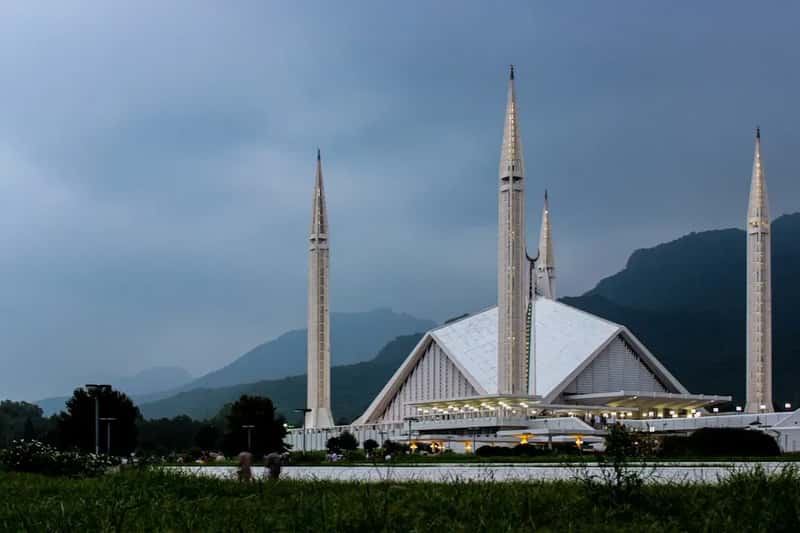
Pakistan regularly appears near the top of global affordability rankings, and its housing costs back that reputation up. The average rent for a one-bedroom apartment in the city center is $77.0 nationally, with capital rent at $197 in Islamabad and $60.0 in Muzaffarabad. Lahore, the country’s cultural capital, follows a similar pattern.
Move just outside Lahore’s busiest commercial zones and the numbers shrink even more. The average monthly rent for a 1-bedroom apartment in the city centre is £99, compared to £60 outside the centre. That outer figure converts to roughly seventy five dollars, and in smaller cities like Multan or Faisalabad, similar apartments often rent for even less.
Vietnam: affordable rooms once you skip the skyline

Vietnam’s biggest cities, Hanoi and Ho Chi Minh City, have seen rents climb noticeably in recent years, especially in expat-favored districts. Shared housing, though, tells a different story. Choosing cost-effective housing means opting for shared apartments priced between VND 3,000,000 and 5,000,000 per month, or long-term rentals outside city centers. That range lands comfortably under $200 even after currency conversion.
Smaller coastal cities and the countryside push prices lower still. Rural areas offer even lower costs and a more authentic local experience, ideal for digital nomads or retirees on a modest budget. Housing specialists tracking the broader market confirm the trend holds nationally, noting that overall, housing in Vietnam remains affordable, with rents often below 600 euros. For anyone willing to skip the high-rise expat towers, a comfortable room well under $200 is still realistic outside the two biggest metros.
Egypt: provincial cities keep rents grounded
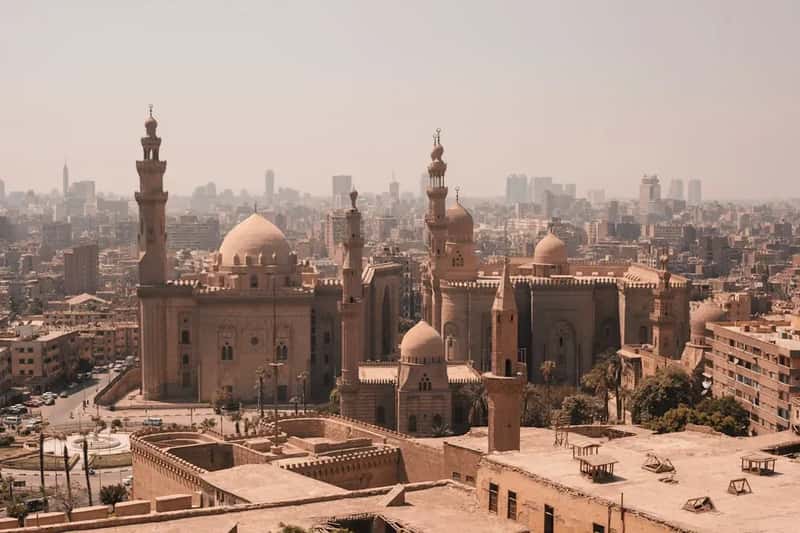
Cairo’s prime districts, places like Zamalek and New Cairo, have grown considerably more expensive as the government phases out decades-old rent controls. Alexandria and Egypt’s smaller cities tell a very different story. Rental prices in Alexandria generally range from EGP 1,000 to EGP 10,000 per month, with significant variation based on location and size. At current exchange rates, much of that range lands comfortably under $200.
The contrast with the capital is worth noting, since Egypt’s housing market is shifting quickly. Egypt approved a significant overhaul of rent protections, phasing out decades-old rent caps over seven years, allowing increases up to twenty times in prime areas. That reform is pushing Cairo’s central neighborhoods upward, which makes provincial cities and older Alexandria buildings an increasingly attractive option for anyone trying to keep housing costs low.
Bangladesh: dense cities, modest rents outside Dhaka
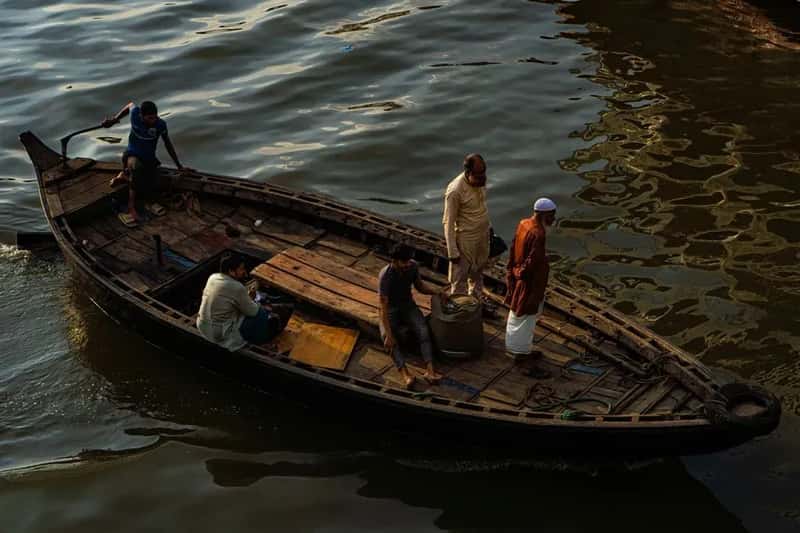
Dhaka’s rental market has tightened in recent years as the capital’s population keeps growing, pushing city-center prices upward for both locals and newcomers. Step outside the capital, though, and the picture changes considerably. Cities like Rajshahi, Khulna, and Sylhet offer modest one-bedroom apartments that typically rent for a small fraction of Dhaka’s central rates, often landing well under the $200 mark once utilities are factored in separately.
Bangladesh’s overall cost structure, similar in many ways to its South Asian neighbors, means that housing outside the primary commercial districts stays proportionally low compared to wages. Shared rooms and modest flats near smaller universities or regional business centers are common choices for students and young professionals precisely because they keep monthly costs predictable and low.
Cambodia: Phnom Penh’s edges and beyond

Phnom Penh has developed a reputation among long-term travelers as one of Southeast Asia’s more budget-friendly capitals, particularly compared to Bangkok or Kuala Lumpur. Apartments just outside the riverside tourist core, in neighborhoods popular with local families rather than expats, routinely rent for well under $200 a month, especially for older buildings without elevators or pools.
Provincial towns such as Battambang or Kampot push costs down even further, often to a level where housing barely factors into a modest monthly budget at all. This affordability, paired with a relatively simple visa process for longer stays, has made Cambodia a recurring choice for retirees and remote workers looking to stretch a fixed income.
Laos: quiet, low-cost living along the Mekong

Laos remains one of the least discussed countries in conversations about affordable living, largely because it draws far fewer expats than its neighbors. Vientiane, the capital, still offers simple one or two-bedroom apartments outside its small central district for rents that rarely challenge a $200 monthly budget, particularly in local-style buildings rather than newer serviced units.
Outside Vientiane, in towns like Luang Prabang or Pakse, the cost of a comfortable rental drops further still. The tradeoff tends to be infrastructure and amenities rather than livability, since these smaller cities offer a slower pace of life alongside their lower price tags. For those prioritizing cost above convenience, Laos is one of the more overlooked options on this list.
Taken together, these seven countries make one thing clear: the assumption that decent housing always demands a large chunk of income simply does not hold up everywhere. Currency values shift, rental markets tighten in certain neighborhoods, and reforms like Egypt’s ongoing rent law changes can reshape a city’s pricing within a few years. Still, the broader pattern across Nepal, Pakistan, Vietnam, Egypt, Bangladesh, Cambodia, and Laos points to the same conclusion, that stepping even slightly outside a capital’s busiest districts can cut housing costs dramatically, often without giving up much in terms of comfort or access to daily life.