Travelers often assume that a generous tip is a universal way to say thank you. In reality, gratuity customs shift dramatically from one border to the next, and getting it wrong can range from mildly awkward to genuinely offensive. Some cultures build fair wages into the price of a meal or service, while others still rely heavily on tips to make ends meet. Knowing which category a destination falls into can save both money and embarrassment.
Japan

Japan remains one of the clearest examples of a no tipping culture, and the reasoning goes deeper than simple habit. Japan is one of the few countries where society views tipping as offensive, since the Japanese value their work ethic as a means of pride, and tipping can be seen as an insult to the quality of service provided. Staff are trained to deliver consistent, attentive service as a baseline expectation, not as something that requires extra motivation.
Restaurants and hotels price their services with this philosophy already built in. In Japan, the act of tipping is generally considered unnecessary and can even be seen as rude, stemming from a deep rooted cultural ethos where exceptional service is viewed as a standard expectation, not something that requires extra compensation. Visitors who leave cash on the table may find a server chasing them down to return it.
South Korea
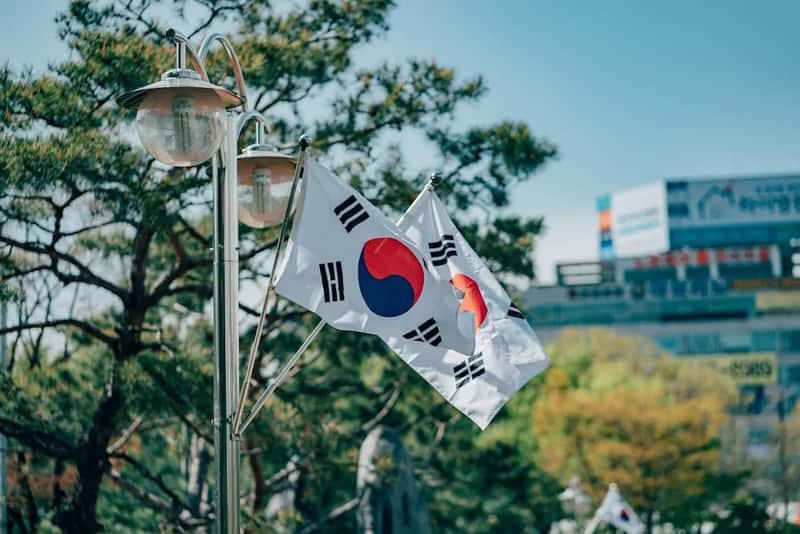
South Korea follows a similar logic to its neighbor, treating good service as part of the job rather than something earned through extra payment. South Korea operates on a no-tipping culture, where excellent service is part of the job description. Wages in the hospitality sector are structured so that workers do not depend on gratuities to get by.
Offering a tip in Seoul or Busan can occasionally create confusion rather than gratitude. Tipping might even be refused as it could imply that the employee is not adequately compensated by their employer. The safest approach for visitors is simply to pay the listed price and offer a verbal thank you instead.
China

Mainland China has traditionally operated without a tipping culture, though attitudes are shifting slightly in heavily touristed cities. Tipping is not a traditional practice in China, and while it is becoming more accepted in tourist areas, it is still not expected. Restaurant staff may look puzzled or even wave off extra cash left on a table.
Transportation is one area where the rules get stricter rather than looser. Taxis are a particularly clear example of where the practice can backfire, since in some regions of China tipping the taxi driver is illegal, meaning insisting on tipping could land the recipient in hot water. Group dining also has its own etiquette, since splitting a bill among friends is often seen as socially awkward compared with one host covering the meal.
Denmark
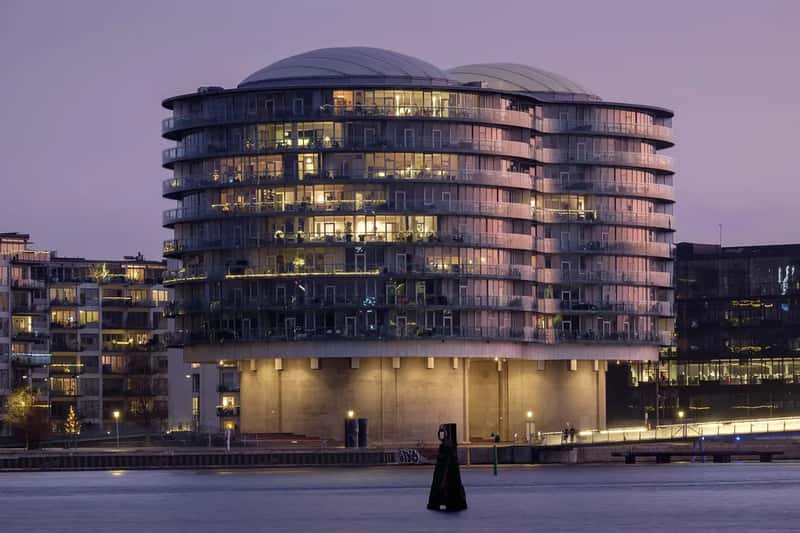
Denmark’s approach to tipping reflects its broader commitment to fair, standardized wages across industries. In Denmark, there’s no need to tip at restaurants. Service charges are effectively baked into menu prices, so what a customer sees is what they actually owe.
This system removes the guesswork that trips up so many visitors elsewhere in Europe. Servers in Copenhagen are paid a livable wage regardless of how generous or stingy diners happen to be that evening. A rounded up bill or a small thank you is appreciated, but nothing more is expected or assumed.
Iceland

Iceland keeps things refreshingly simple by folding service costs directly into what customers pay upfront. Iceland does not have a tipping culture, and service charges are included in the prices you pay, since restaurant and hotel staff are compensated through their wages, making gratuities unnecessary. This applies broadly across restaurants, taxis, and hotels.
Visitors sometimes still feel the urge to leave a little extra out of habit, particularly Americans used to a very different system back home. That instinct is not offensive here, just unnecessary. A genuine compliment about the food or service tends to land better than loose change on the table.
Australia

Australia’s labor laws create a service industry where tipping is a nice gesture rather than a financial necessity. In Australia, tipping is not the norm, and while it is appreciated and becoming more common in some situations such as fine dining or exceptional service, it is not expected or ingrained in the local culture. Minimum wage protections apply to hospitality workers just as they do in most other sectors.
Because pay structures don’t leave staff dependent on extra cash, tipping becomes purely optional. Service providers in Australia receive fair wages, making tipping discretionary rather than obligatory. A goods and services tax is already included on the bill, so what’s printed is exactly what’s owed.
Singapore

Singapore takes a slightly different route than its Asian neighbors, treating the absence of tipping as deliberate national policy rather than just tradition. Singapore’s stance on tipping is less about tradition and more about deliberate policy, since the government has actively discouraged tipping. That guidance is reflected directly on restaurant receipts.
Most venues handle service charges automatically, removing any ambiguity for diners. In Singapore, bars and restaurants typically add a ten percent service charge, which is subject to the nine percent Goods and Services Tax, and excess tipping is not practiced and is rarely expected in most instances. Anyone trying to leave extra cash on top may simply find it politely declined.
United States

The United States sits at the opposite end of the spectrum, and the reason is mostly economic rather than cultural. Tipping etiquette in America is typically expected by servers, because the U.S. hourly wage they receive could be as low as $2.13 an hour. That subminimum wage system means tips aren’t a bonus so much as a core part of income.
Skipping a tip in most American restaurants is treated as a genuine social misstep rather than a personal choice. The United States is the undisputed capital of tipping culture, where because service staff often rely on gratuities to supplement low hourly wages, a 15-20% tip is mandatory in all but name, and leaving nothing is considered a major social slight. The practice has also expanded well beyond sit down dining, with digital payment screens now prompting tips at coffee shops and takeout counters too.
Canada

Canada’s tipping culture mirrors its southern neighbor closely, even though the wage laws differ somewhat by province. Canadian tipping culture runs almost parallel to its neighbor south of the border, with a standard tip for seated restaurant service sitting at 15-20%, calculated before tax. Servers across the country generally expect this range as a baseline for decent service.
Regional differences do exist, and social pressure can vary depending on where a traveler is dining. In Quebec specifically, the social pressure to tip runs even stronger. Skipping a tip entirely, even for average service, is likely to raise eyebrows almost anywhere in the country.
Mexico

Mexico’s hospitality sector leans heavily on tips, following patterns similar to much of Central and South America. Across Central and South America tipping is deeply ingrained, and in Mexico, Colombia, Nicaragua, and Peru, a gratuity of 10-15% is the norm. This applies to restaurants, guided tours, and hotel staff alike.
American travelers often find Mexico’s system fairly intuitive since the expectations track closely with home. In Mexico and Canada, tipping practices closely mirror the U.S., where 15-20% is considered standard for good service. Resort staff, drivers, and housekeeping typically anticipate a tip even when a service fee already appears on the bill.
Egypt

Few destinations tie tipping to daily life as tightly as Egypt, where the practice is known locally as baksheesh. In Egypt, tipping holds particular significance and is almost always expected in a variety of situations, from restaurants to street vendors and even museum staff. Wages across much of the tourism sector remain low, which keeps gratuities central to how many workers earn a living.
Travelers who assume tipping is optional here often find themselves quickly corrected. Tipping in Egypt is not optional, it is a fundamental custom, essential to navigating the country’s social and economic landscape. Cruise staff, guides, drivers, and even bathroom attendants generally anticipate a small cash gratuity for nearly every interaction.
Jordan

Jordan rounds out the list of countries where a gratuity is less a courtesy and more a standard part of doing business. In Jordan, a 15% tip is customary. This figure applies broadly across restaurants and many tourist services, particularly around popular sites like Petra and Amman’s old city.
Guides and drivers working with foreign visitors often build tipping expectations into how they price and structure their services. Because many of these roles depend on tourist income that fluctuates seasonally, a reliable tip helps smooth out income during slower months. Visitors who plan ahead with small bills tend to navigate these interactions far more comfortably than those caught off guard.
Tipping customs ultimately reflect much deeper economic and cultural realities than most travelers realize at first glance. In places like Japan, Denmark, or Singapore, fair wages and social norms make a tip feel unnecessary or even slightly out of place. In the United States, Egypt, or Jordan, the same gesture is woven directly into how workers earn a living. A little research before departure, rather than assumption once at the table, remains the simplest way to get it right.