Europe’s love affair with tourists is getting complicated. After years of record-breaking arrivals, several capital cities are no longer content with gentle nudges toward “responsible travel.” They’re moving toward hard caps, steep new charges, and rules that make it genuinely harder to book a room or wander freely through a historic center. The shift isn’t about slamming the door shut on visitors, but it does mean the era of cheap, frictionless city breaks is fading fast in some of the continent’s most iconic destinations.
From frozen rental licenses to museum tickets that cost more if you’re not European, these seven capitals are testing how far a city can go in managing its own popularity. Some of these measures are already in force, others are still working their way through city councils, but all of them signal the same thing: patience with mass tourism in its current form is running thin.
1. Amsterdam
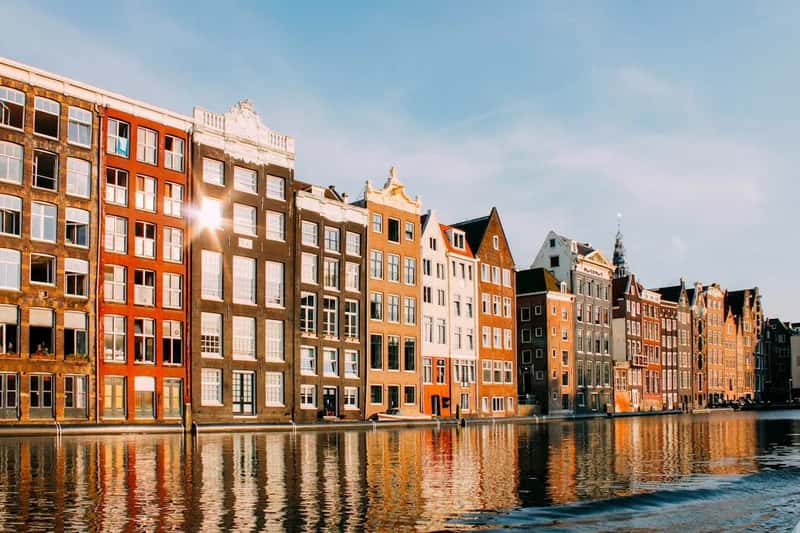
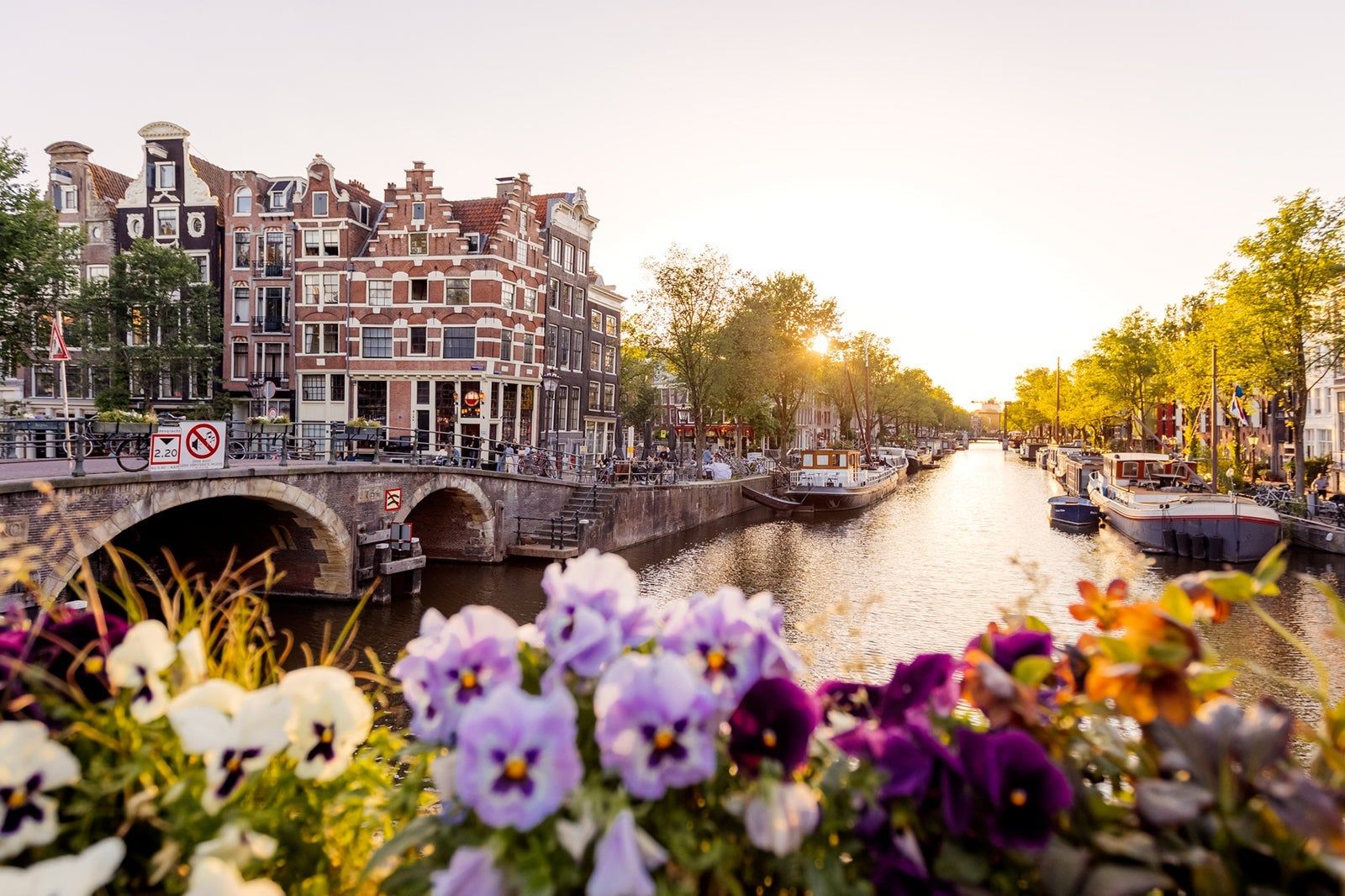
Amsterdam already carries one of the heaviest tourist tax burdens on the continent, and city officials are determined to push it higher rather than ease off. Amsterdam’s tax of 12.5% of a room price is already the highest tourism tax in Europe, and this rate will remain throughout 2026, though the overall tax on hotel stays is about to rise sharply. The increase to 12.5% in 2024 already made the tax the fourth highest in the world, and a national VAT change adds yet another layer of cost for anyone booking a room in the Dutch capital.
The city’s new coalition wants to go much further than just taxes. The coalition government unveiled plans to raise the tourist tax on overnight stays from 12.5% to 16% next year, and then increase it by one percentage point each year until it hits 20% in 2030. On top of that, the city also intends to close its main sea cruise terminal, limit cruise ship arrivals, and reduce tourist-focused marketing efforts, a combination that reads less like fine-tuning and more like an active attempt to shrink the visitor footprint.
2. Athens

Greece’s capital has attached hard numbers to how many people can set foot on its most famous hill each day. Timed entry and a strict ceiling now govern access to the Acropolis, and the pressure is spilling over into how the city regulates short-term rentals in its historic core. Officials have effectively told property owners in the most visited neighborhoods to wait, because the market there is considered saturated.
New short-term rental registrations are frozen in central Athens, covering districts like Plaka, Koukaki, Kolonaki, Syntagma, Exarchia and Pangrati, until the end of 2026, and from October 2025 all rentals must meet new safety requirements including smoke detectors, fire extinguishers, electrical certification and civil liability insurance. Combined with the daily visitor cap at the Acropolis itself, Athens is quietly becoming one of the more tightly managed capitals in southern Europe, even if the rules are framed as safety and conservation measures rather than an outright attempt to cut arrivals.
3. Paris

France’s capital has taken a different route: rather than capping numbers outright, it’s making foreign visitors pay noticeably more to get through the door. The Louvre led the charge with a pricing system that treats non-European travelers differently from EU residents, a first for a major European cultural institution of this size.
Adult visitors from non-EEA countries, including the United States, United Kingdom and China, now pay €32, a 45% increase from the previous standard rate of €22, while citizens and residents of EU member states, along with Iceland, Liechtenstein and Norway, continue to pay the unchanged €22. The policy isn’t staying confined to one museum either. It’s triggered a domino effect, with the model soon to be tested at other top tourist destinations including the Arc de Triomphe, the Conciergerie, the Château de Chambord and Paris’s Opéra Garnier. Layer on top of that a hefty regional tourist tax hike tied to funding public transport, and Paris is charging a real premium for its postcard moments.
4. Lisbon
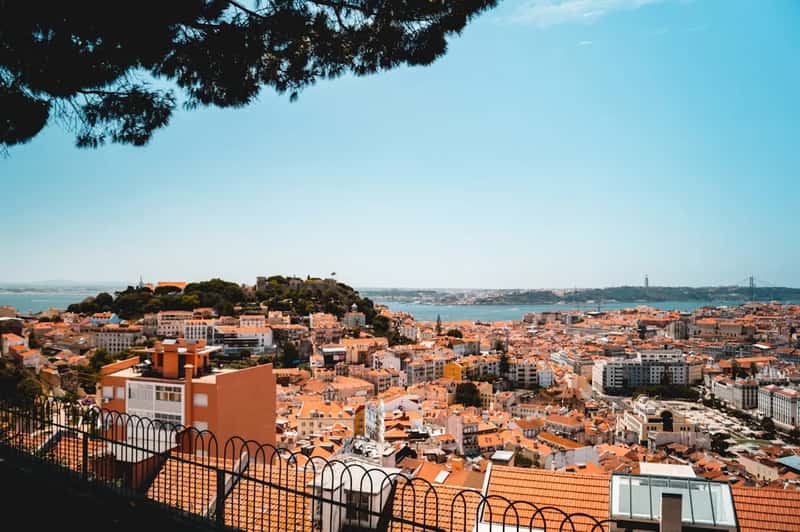
Portugal’s capital has arguably gone further than almost anywhere else in restricting new short-term rentals, treating entire historic parishes as effectively closed to new Airbnb-style licenses. The reasoning is blunt: too much of the housing stock in the center has already shifted toward tourists rather than residents.
Lisbon is banning new local accommodation licenses in 19 neighborhoods and eight parishes, with a complete freeze in the historic downtown area, setting strict limits based on the ratio of short-term rentals to family homes, with the ban absolute in areas like Bairro Alto, Alfama and Baixa where saturation exceeds 20%, and Santa Maria Maior reaching as high as 68.8%. The city has also raised the cost of simply staying overnight, since Lisbon has doubled its overnight tax to €4 as of January 2025. Enforcement has had real teeth too, with Lisbon cancelling 6,765 registrations due to lack of insurance, forcing the city to revise its containment map even as the underlying restrictions stay firmly in place.
5. Rome
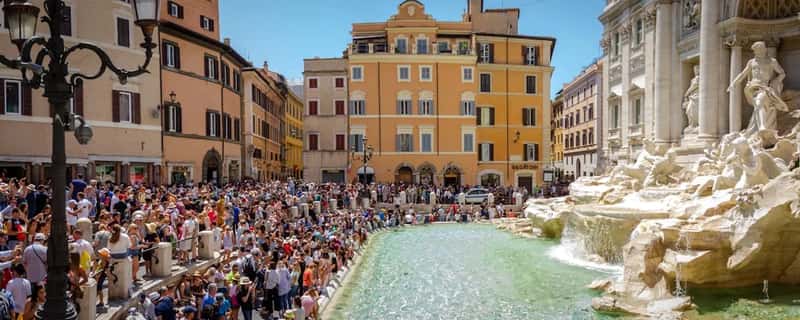
Italy’s capital hasn’t gone as far as an outright cap on visitor numbers, but it has been steadily raising the cost of a city break and tightening how crowds move through its most photographed sites. The municipal tourist tax on hotel stays has climbed in recent years, and the city has introduced queue-management and crowd-control measures around landmarks like the Trevi Fountain, where sheer visitor density had become a genuine safety concern during peak season.
Rome’s approach leans more on managing flow than blocking access outright, but the direction of travel is unmistakable. Local officials have floated the idea of a dedicated entry fee or reservation system for the Trevi Fountain area, following the logic already applied at the Colosseum, where timed slots and daily caps have become standard practice. For a city built almost entirely around open-air heritage, even modest restrictions represent a notable shift from decades of unrestricted access.
6. Madrid
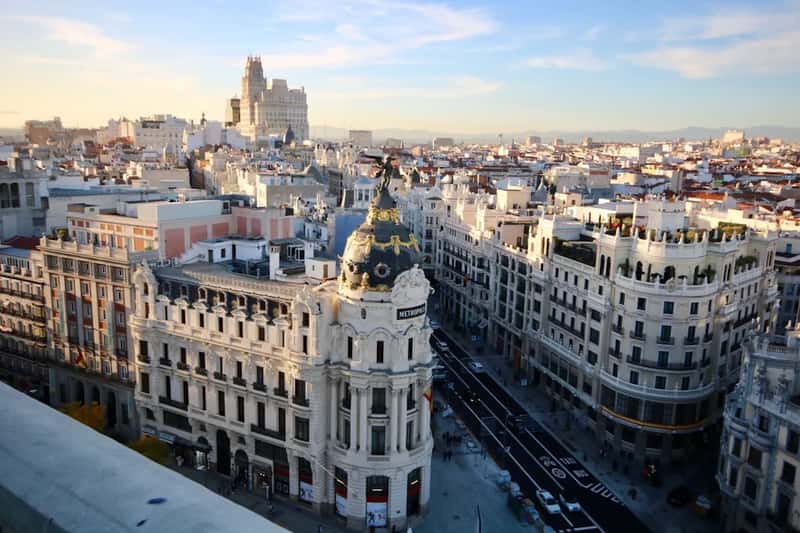
Spain’s capital is riding a nationwide wave of pressure against unlicensed short-term rentals, and Madrid’s city hall has been among the more assertive in tightening zoning rules for tourist apartments in its central districts. The push follows growing national scrutiny of platforms like Airbnb, with Spain’s consumer authorities ordering the removal of tens of thousands of unlicensed listings across the country as part of a broader housing affordability crackdown.
Within Madrid itself, newer licensing requirements demand that tourist apartments have separate street entrances from residential buildings in several central neighborhoods, effectively blocking many existing listings from renewing. The city is also weighing a higher regional tourist tax, something Madrid has historically avoided compared to Barcelona or the Balearic Islands. Combined, these steps suggest Spain’s capital is no longer willing to let its housing stock absorb unlimited short-stay demand without pushback.
7. Berlin
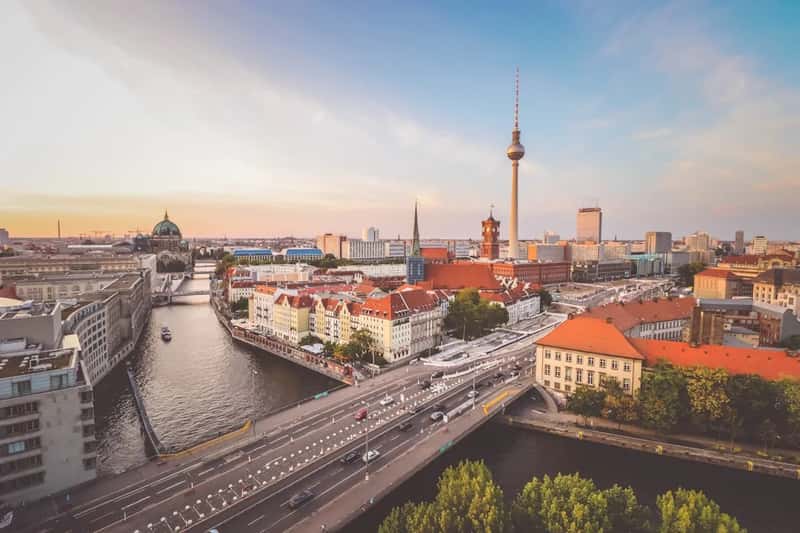
Germany’s capital has quietly run one of Europe’s stricter short-term rental regimes for over a decade, and it shows no sign of loosening up. Under the city’s Zweckentfremdungsverbot, or “misuse ban,” renting out an entire apartment to tourists without a special permit has been illegal since 2014, a rule aimed squarely at protecting the residential housing market from being hollowed out by short-stay platforms.
Enforcement has intensified rather than faded, with property owners required to display a registration number on every listing and district authorities empowered to issue significant fines for violations. Berlin hasn’t needed dramatic new legislation to keep tourists in check, because its existing framework was already built to prioritize residents over visitors when the two compete for the same apartments. That quiet consistency, more than any headline-grabbing new policy, is what makes Berlin’s approach notable among Europe’s capitals.
Taken together, these seven cities tell a consistent story. Tourism revenue still matters enormously to each of these economies, yet housing pressure, crowded landmarks, and frustrated residents have pushed city halls toward measures that would have seemed unthinkable a decade ago. Some of these rules will likely soften over time, as Lisbon’s own mid-course correction already shows, while others, like Amsterdam’s tax trajectory toward 20%, appear locked in for years to come.
For travelers, the practical takeaway is simple: book earlier, budget for extra fees, and expect that the spontaneous, anything-goes city break is becoming a thing of the past in Europe’s most sought-after capitals.