Planning a long weekend getaway and assuming Florida’s your most budget-friendly option? Think again. While Florida has long been marketed as an affordable domestic escape, the reality in 2026 tells a different story. A typical traveler spends $292 per day on a trip to Florida, which quickly adds up to a hefty bill for what was supposed to be a quick break. Meanwhile, across the Atlantic, Mediterranean islands are quietly offering sun, culture, and stunning coastlines at prices that might surprise you.
From Sicily’s rustic villages to Malta’s ancient harbors, these European gems deliver the vacation experience you’re craving without the sticker shock. Let’s be real here, most people book Florida because they assume international travel costs more. It’s hard to imagine sipping wine on a Greek island could actually be gentler on your wallet than a theme park weekend in Orlando.
I think the biggest misconception is that a passport automatically equals premium prices. What many travelers miss is how exchange rates, local economies, and off-season opportunities can flip that assumption entirely. Sure, you’ll need to factor in a transatlantic flight, but once your feet hit Mediterranean soil, your daily spending drops dramatically compared to Florida’s resort fees, parking charges, and inflated tourist pricing.
Crete: Greece’s Budget Champion
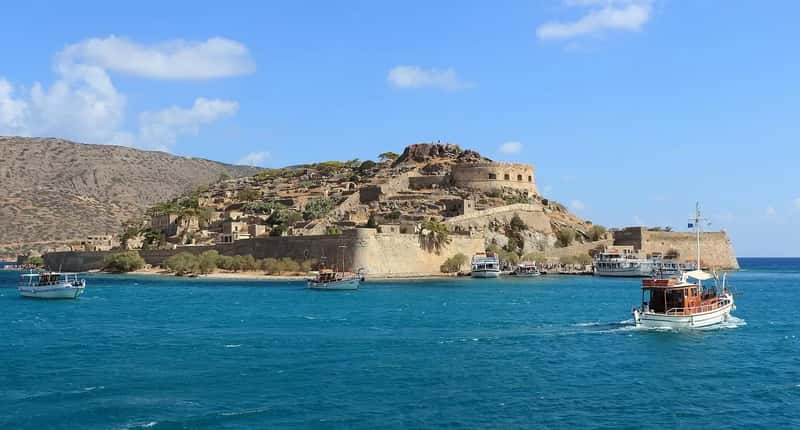
When people imagine Greek islands, they often picture Santorini’s luxury price tags. Crete offers something completely different. A typical traveler spends $169 (€144) per day on a trip to Crete, which is significantly less than Florida’s daily average. This includes accommodation, meals, local transport, and even sightseeing.
The island’s affordability comes from its size and diversity. Unlike tiny resort islands where everything is imported and marked up, Crete produces much of its own food, wine, and olive oil. You’ll find family-run tavernas serving generous portions of grilled octopus and local wine for under fifteen euros.
Autumn (September–October) brings warm seas, fewer crowds, and 30–40% cheaper hotels. Honestly, visiting during shoulder season feels like discovering a secret Greece that most tourists never experience. The beaches are still gorgeous, the weather remains pleasant, and you’re not fighting crowds at every archaeological site. Even better, ferries from Athens cost €40–€90 one-way, while flights from the mainland or Europe average €60–€120, making it accessible from multiple entry points.
Malta: The Mediterranean’s Hidden Value
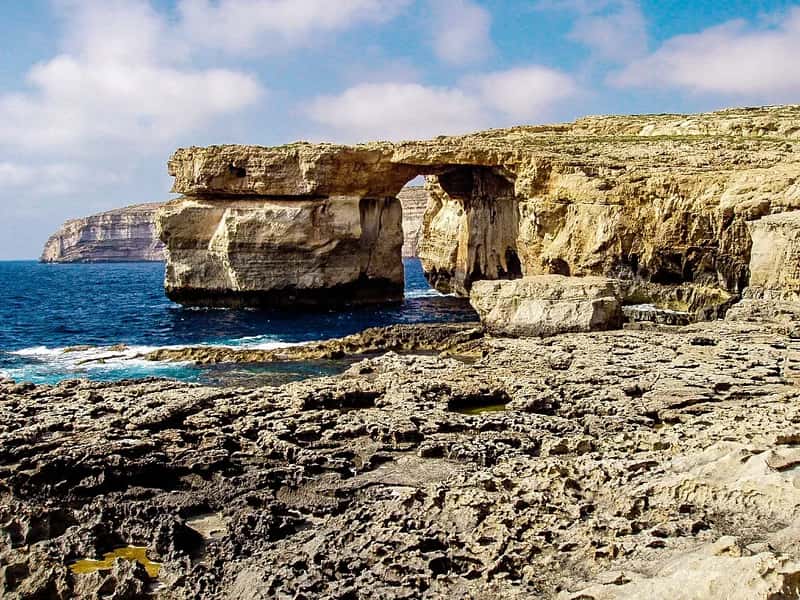
Malta flies under the radar for many American travelers, which is exactly why it remains so affordable. On average, you’ll be able to visit Malta for 35-45 EUR ($38-55 USD) per day, though in the summer you need to budget closer to 55 EUR ($60 USD). Compare that to a Florida weekend where hotels alone can exceed that daily budget.
This tiny island nation packs serious value. Public transport is remarkably cheap, with single rides costing around €2 and weekly Tallinja cards for unlimited trips. You’re looking at a fraction of what you’d spend on Uber rides between Florida beaches or theme parks.
Malta’s secret weapon is its off-peak pricing strategy. Peak summer (June to August) brings higher prices due to increased tourist demand, but off-season (October to April) sees many accommodations and attractions offer discounts, and flights are often cheaper. I’ve met travelers who visited in November and couldn’t believe they had Malta’s stunning Blue Grotto practically to themselves. The weather stays mild even in winter, making it ideal for budget-conscious explorers who don’t mind packing a light jacket.
Sicily: Italy Without the Premium
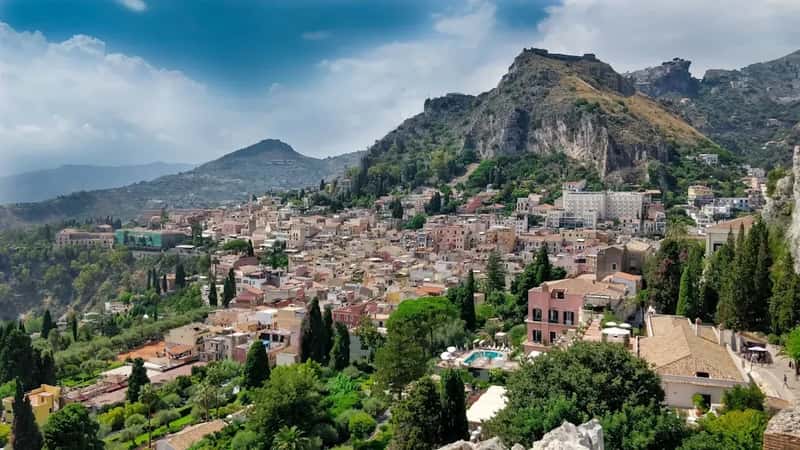
Sicily delivers authentic Italian culture without the mainland’s inflated tourist prices. A typical traveler spends $144 (€123) per day on a trip to Sicily, making it roughly half the cost of Florida’s average. You’re getting genuine Italian experience here, from ancient Greek temples to bustling fish markets, at prices that won’t make you wince.
Food costs are where Sicily really shines. Pizza costs as little as €5 for a margherita, while meals can be quite budget-friendly, with prices starting at €10 to €12 for casual dining, while mid-range restaurants offer meals for €20 to €25. Let’s be honest, you’d struggle to find a sit-down meal in a Florida beach town for under twenty dollars, and it certainly wouldn’t include fresh pasta made that morning by someone’s nonna.
Transportation costs are equally reasonable. Longer train journeys, like from Palermo to Catania, cost around €15 per person for a one-way ticket, while shorter journeys, such as from Catania to Taormina, land somewhere around €5. That’s less than parking at some Florida attractions. The island’s diverse landscape means you can explore baroque cities, climb active volcanoes, and swim in crystal-clear coves without constantly draining your wallet.
Sardinia: Affordable Mediterranean Luxury
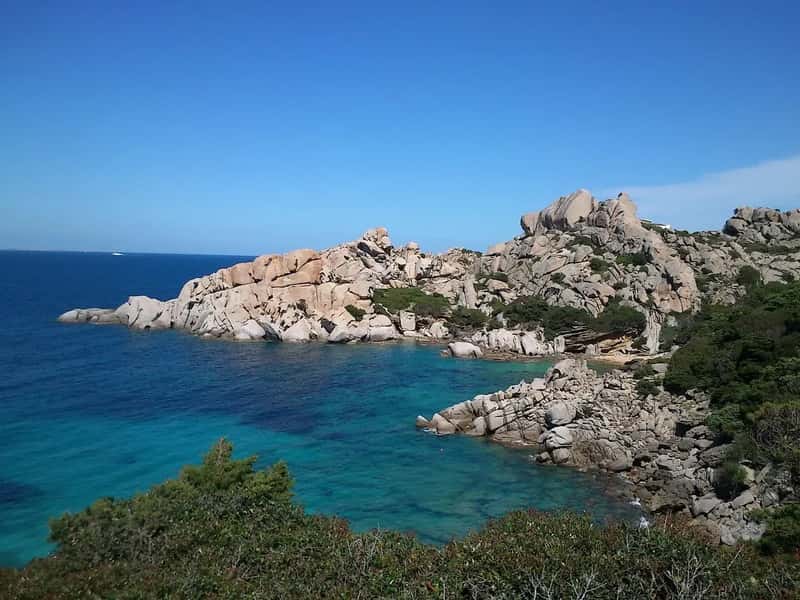
Sardinia has a reputation for glamour thanks to its celebrity-studded Costa Smeralda region, but that’s just one small corner. Sardinia offers experiences across all budget levels, with average daily costs ranging from €100-250 per person. Avoid the VIP enclaves and you’ll discover an island that’s surprisingly accessible.
The key is knowing where to stay. If you manage to stick to a very low budget, you could visit Sardinia on €50 to €80 per day. This isn’t roughing it either – you’re talking about guesthouses with character, not hostels. I think what people don’t realize is how much of Sardinia remains genuinely local, with restaurants and shops catering to islanders rather than cruise ship crowds.
Choosing to travel before or after July and August is a sure way to cut costs and avoid crowds, and Sardinia’s weather is pleasant most of the year, allowing for a dip in the ocean as early as May and as late as October. Spring brings wildflowers carpeting the hillsides, while autumn offers empty beaches and lower prices. Public transport is basic but functional, with urban buses costing between €1 to €1.50, while coaches from one city to another depend on distance.
The Balearic Island of Mallorca: Spain’s Surprising Value
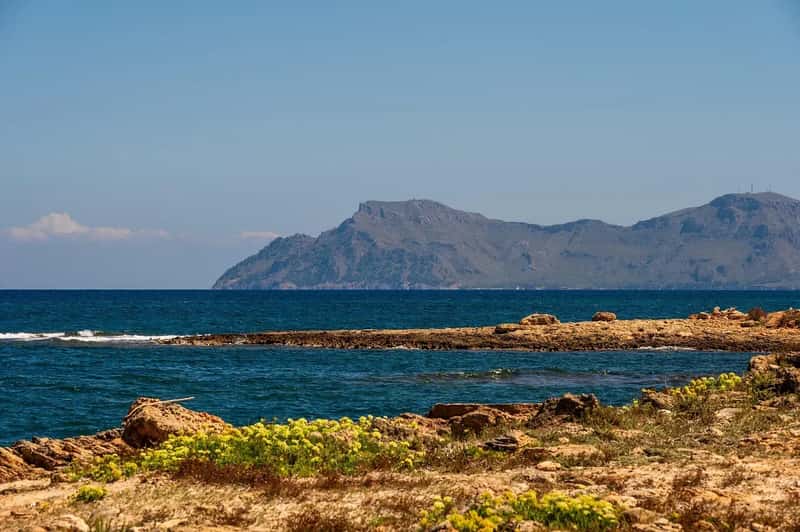
Mallorca might surprise you. Yes, it has luxury resorts, but it also has mountain villages where locals still speak Catalan and tourists are outnumbered by sheep. The island’s public transport system is surprisingly extensive and affordable, with buses connecting even remote beaches to major towns.
What makes Mallorca particularly budget-friendly is its agricultural heritage. Markets overflow with locally grown produce, fresh bread, and regional cheeses at prices far below Florida grocery stores. You can assemble incredible picnic lunches for a few euros and spend afternoons on secluded coves without spending another cent. Wine from local vineyards costs less than bottled water at Florida theme parks.
The shoulder seasons here are genuinely magical. Late spring brings almond blossoms and hiking weather, while September offers warm seas and significantly lower accommodation prices. You’ll find three-star hotels for what you’d pay for a budget chain along Florida’s Interstate 4. Honestly, the biggest expense is often just getting yourself there – after that, daily costs drop dramatically.
The Aeolian Islands Off Sicily: Volcanic Value

These seven volcanic islands off Sicily’s northern coast remain blissfully uncommercial. Stromboli has an active volcano you can hike at sunset. Salina produces capers and sweet Malvasia wine. Lipari has pumice beaches that glow white against impossibly blue water. They’re spectacular and still relatively affordable.
Inter-island ferries make hopping between them easy and cheap. Small family-run guesthouses dominate the accommodation scene, with prices that undercut mainland Sicily’s already reasonable rates. The food scene revolves around whatever fishermen caught that morning, served simply with local olive oil and wine. It’s the kind of authentic Mediterranean experience travel magazines romanticize, except it’s actually attainable.
The catch? These islands are harder to reach, requiring flights to Sicily followed by ferry connections. Yet that extra effort keeps prices down and crowds manageable. You won’t find mega-resorts or all-inclusive packages here. What you will find are tiny harbors, volcanic black sand beaches, and dinners that cost less than a single cocktail at a Florida beach bar. The islands force you to slow down, which somehow makes vacation feel more valuable.
Gozo: Malta’s Peaceful Neighbor
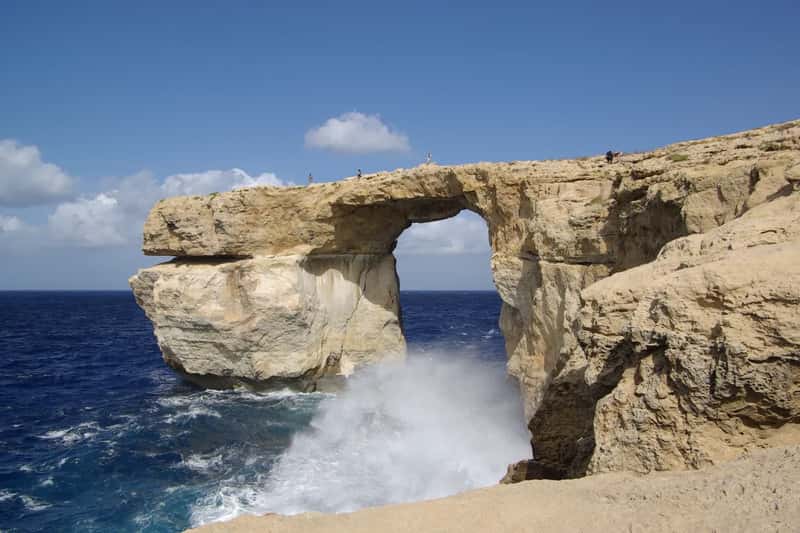
Gozo sits just a short ferry ride from Malta, yet feels like a different era. This smaller island moves at a slower pace, with limestone villages, ancient temples, and dramatic coastal cliffs. Costs for food and lodging can be slightly lower than on Malta’s main island.
What strikes visitors immediately is how rural Gozo remains. Farmers still work terraced fields, and village life centers around the parish church. You can rent a scooter for a few euros daily and explore the entire island, stopping at family-run restaurants where menus are handwritten and meals come with complimentary conversation. It’s impossibly charming and refreshingly unpretentious.
The beaches here are quieter than Malta’s, and many cultural sites have modest entrance fees or are completely free. Accommodation runs from simple guesthouses to renovated farmhouses, nearly all priced well below Florida equivalents. The 25-minute ferry from Malta costs just a few euros, making day trips easy, though honestly, Gozo deserves a few nights of your time. The silence alone is worth it.
What do you think about swapping Florida’s crowds for Mediterranean islands that actually respect your budget? Tell us in the comments if you’ve discovered your own affordable island escape.