You book what looks like the perfect getaway. Cozy photos, glowing reviews, a great location. You walk in, drop your bags, and start to relax. What you probably don’t think about in those first few minutes could change your entire trip. Hidden surveillance in vacation rentals has become one of the most alarming and underreported issues in modern travel, and the numbers behind it are deeply unsettling.
The problem isn’t just about a few bad actors hiding cameras in unusual places. It’s systematic, it’s growing, and it’s happening in properties right now. Understanding the warning signs before you unpack might be the most important thing you do on any trip. Let’s dive in.
1. The Listing Mentions Unusual “Security” Details or Vague Disclosures
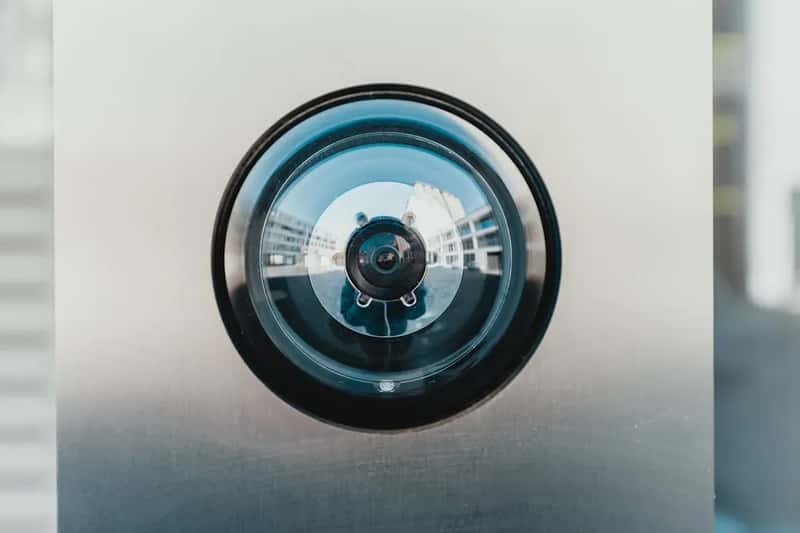
Before you even set foot in the property, the listing itself can tell you a lot. Historically, Airbnb allowed the use of indoor security cameras in common areas of listings, such as hallways and living rooms, as long as they were disclosed on the listing page before booking, clearly visible, and were not located in spaces like sleeping areas and bathrooms. That policy has now changed dramatically.
Effective April 30, 2024, Airbnb announced a significant policy change: the prohibition of all indoor security cameras in its listings worldwide. So here’s the thing: if a listing still vaguely mentions “indoor monitoring for security purposes,” that should raise a red flag immediately. Any host referencing indoor cameras after that date is, by definition, violating platform policy.
Devices like doorbell cameras and noise decibel monitors continue to be permitted, but hosts are required to disclose the presence and general location of any outdoor cameras before guests book. If you can’t find a clear, specific disclosure of where outdoor cameras are located, treat that omission as a warning sign worth investigating further.
2. Objects in the Room Are Positioned Strangely Toward Private Areas
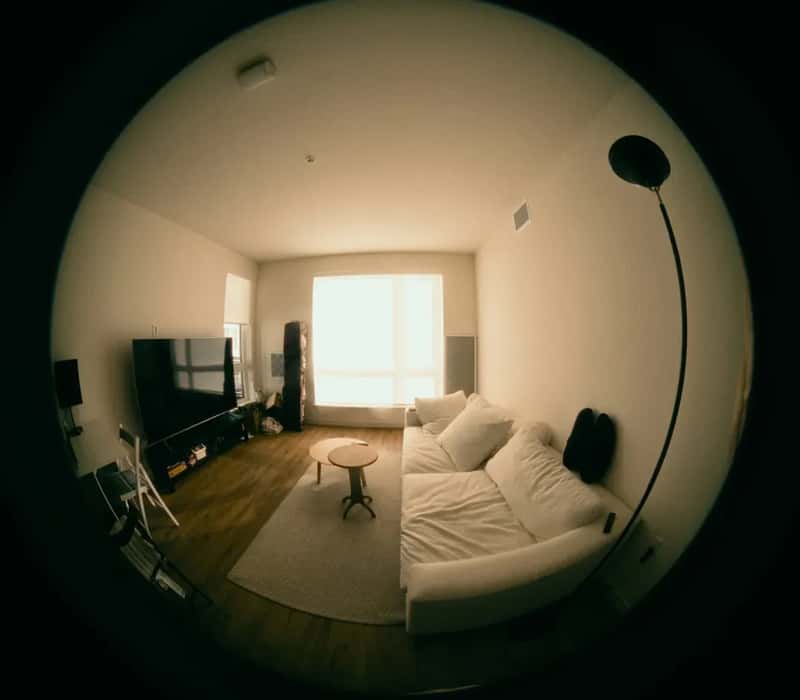
This is often the sign that guests overlook because it feels almost too simple. Here’s the thing though: placement is everything. Hidden cameras come in shockingly small packages and can fit inside smoke detectors, picture frames, and alarm clocks. Think about it: why would there be two smoke detectors in a single bedroom? Why is that alarm clock facing directly at the shower door?
Before you kick your shoes off and get settled in, give the area a once-over for anything that looks out of place, like an alarm clock in the kitchen, more than one smoke detector in a room, or unusual-looking alarm sensors. Pay particular attention to nightstands, work surfaces, and desk spaces, as these are the perfect places for hidden cameras designed to focus on you and also on your phone or laptop to obtain passwords and other personal information.
One of the first clues something might be wrong is location. A smoke detector placed directly over a bed or in a bathroom should raise questions. Honestly, trust your gut here. If something feels off about where an object is sitting, it probably is.
3. You Spot Everyday Objects That Look Slightly “Off”

Spy cameras have become terrifyingly affordable and accessible. Some of the most common designs used to conceal hidden cameras include dummy smoke detectors, mini spy cameras, alarm clocks with built-in lenses, USB chargers, picture frames, and Bluetooth speakers. The average traveler would never suspect any of these items.
Cameras have been discovered inside Airbnbs hidden or disguised as everyday items in the homes, like phone chargers, smoke alarms, alarm clocks, electrical outlets, or plants. Many allow users to livestream what the cameras are picking up from the property owners’ phones. That last part is worth letting sink in. These aren’t just passive recordings sitting on a memory card somewhere. Some hosts are watching in real time.
A couple in Toronto noticed their alarm clock was connected to a wire, which they found weird. When they investigated further, they found a disguised camera in the clock. Another couple holidaying in England spotted a light in their smoke detector that looked like it didn’t belong there, and when they checked the brand and model number online, they found it was a camera. Searching the brand and model of any suspicious device is a quick and powerful move anyone can do from their phone.
4. Unfamiliar Devices Appear on the Property’s WiFi Network
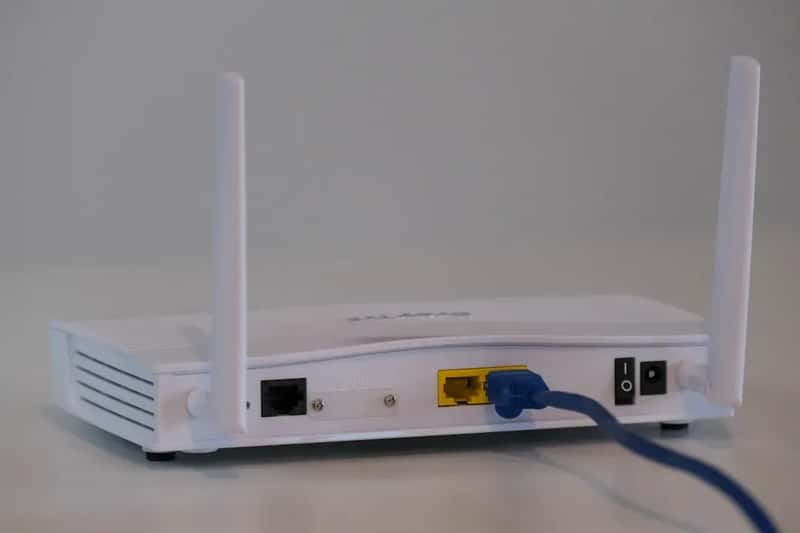
This sign is slightly more technical but surprisingly easy to check, and it can reveal a lot in just a few minutes. There are apps that allow you to check which devices are all connected to the same WiFi network. Many hidden cameras are connected to WiFi. With an app like Fing, you can try to scan the network with your Android device or iPhone and see if any suspicious devices are connected.
While you might think you can see all connected devices through the WiFi router, it’s not always that simple. Hosts might have a separate, hidden network. This is where it gets a bit more unsettling. A second network that you weren’t given the password to is a serious red flag, because it suggests dedicated off-grid streaming of footage.
Some hidden cameras operate using their own WiFi hotspots. Use your phone or laptop to scan for nearby networks. Look for strange names, especially those that aren’t tied to your router or location. Any network labeled something generic, random, or unrelated to the property deserves a closer look before you settle in for the night.
5. The Host Seems Unusually Interested in Your Schedule or Movements

Not every red flag is about a physical device. Sometimes the warning sign is the host themselves. Sometimes the warning signs aren’t about the physical space at all. They’re about how the host behaves. Does your host seem unusually interested in your schedule? Do they mention checking in on the property frequently? A well-meaning host will typically give you space after check-in.
Excessive messages, repeated requests to enter the property, or weirdly detailed questions about your plans can indicate something more troubling than just an enthusiastic host. When a guest complains of a hidden camera, Airbnb doesn’t, as a matter of practice, notify law enforcement, not even when a child is involved. The company may, however, reach out to hosts about complaints as part of internal inquiries, a move law enforcement experts say could hinder criminal investigations because it gives suspects time to destroy evidence. This is worth knowing because it means the burden of awareness often falls entirely on you as a guest.
Perpetrators use hidden cameras to secretly record people in their most intimate moments. While some recordings are only viewed by the Airbnb host, others are posted online or shared in groups on WhatsApp, Telegram, and other social media and messaging sites. The motives behind surveillance vary, but none of them are acceptable.
6. Your Flashlight or Phone Camera Picks Up Unusual Reflections or Infrared Light
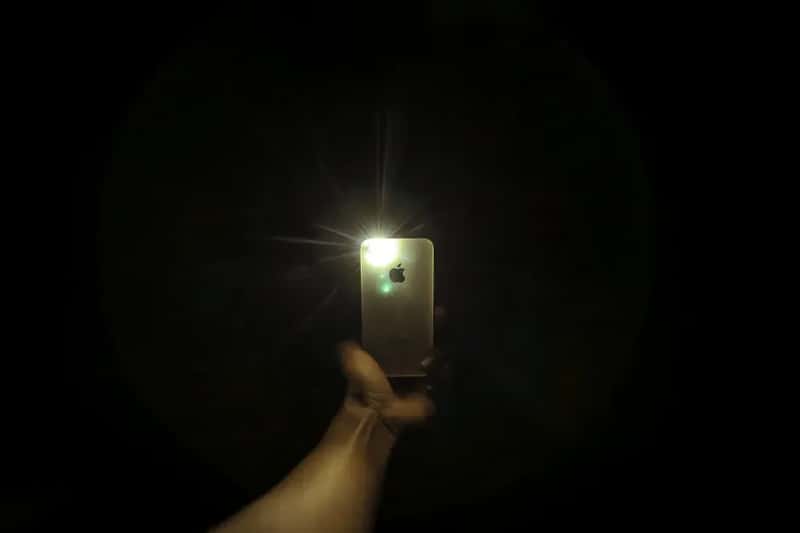
Here is one of the most effective techniques, and it costs nothing. Turn off all the lights in your room and slowly sweep your phone’s flashlight over objects like smoke detectors, electrical outlets, picture frames, and decorative items. You’ll see a reflection in there that’s a pretty good way of detecting if there’s a camera, according to security experts. The reflection looks different from ordinary plastic or metal surfaces.
You can also use your phone’s front-facing camera to detect infrared technology by making sure the lights are all off and checking for a big spotlight on your phone. This method works because many hidden cameras use infrared for night vision. Test this technique at home first with your TV remote to see what infrared light looks like on your camera. Think of it like a fire drill you run at home before you need it in the real world.
To test mirrors, put your fingernail on the surface and see if there is a gap between the nail and the reflection. If there is, it’s likely a regular mirror; if there isn’t, shine a light directly into it for further inspection, as it could be a two-way mirror or covering a camera. It sounds dramatic until you realize real cases involving two-way mirrors have been documented in short-term rentals.
7. The Scale of the Problem Is Far Bigger Than Most Guests Realize
Let’s be real about the statistics here, because they are shocking. Surveys found that roughly three in five Americans are worried about hidden cameras in rentals. The worry is justified, as nearly half say they’ve discovered a camera in a rental property, a significant increase from just 25% in a 2023 study. That jump in reported discoveries is not a minor trend. It’s an escalating crisis.
An Airbnb representative testified that the company generated 35,000 customer support tickets about surveillance devices in the preceding decade. During the hours-long deposition, the Airbnb employee also revealed that when a guest complains of a hidden camera, the company doesn’t, as a matter of practice, notify law enforcement, not even when a child is involved. That combination of scale and inaction is what makes this issue so troubling.
Alarmingly, roughly more than half of Airbnb hosts admit to still using surveillance cameras indoors even after the company’s 2024 indoor camera ban. Even as reports of surveillance grow, nearly two-thirds of Americans admit they don’t know how to detect a hidden camera in a rental property. That knowledge gap is exactly what bad actors rely on. Knowing these seven signs puts you firmly ahead of most travelers.
What to Do If You Actually Find One

If you discover a suspicious device, the steps you take in the next few minutes matter enormously. Document it by taking photos or videos from different angles. This gives you evidence to present later. Cover the device with a piece of clothing or a towel, or unplug it if it is connected to a power source, to prevent it from recording. Do not panic, and do not attempt to dismantle it with your hands.
Never confront the property owner directly. Let law enforcement handle that interaction. Also, avoid posting about it on social media until you’ve filed official reports, as this could interfere with the investigation. It’s tempting to go straight to social media, but it could genuinely hurt your case.
Guests are increasingly filing lawsuits against Airbnb, VRBO, property owners, and other rental platforms after discovering unauthorized surveillance devices, often in the bedrooms and bathrooms. Legal recourse is real, and a South Carolina landlord who secretly recorded over 20,000 renters was hit with a $45 million jury verdict in September 2024, sending a powerful message to anyone who thinks violating guests’ privacy carries no consequences.
The rise of affordable surveillance technology means the responsibility of staying safe now rests more heavily on guests than ever. Checking your rental takes less than ten minutes, and those ten minutes might be the most valuable ones of your entire trip. Would you have guessed that nearly half of guests surveyed had already found a camera in a rental? Tell us what you think in the comments below.