There’s a certain rhythm that older travelers settle into once they’ve logged enough airports, hotel lobbies, and unfamiliar sidewalks. It isn’t about slowing down exactly, though pace does shift. It’s more about a quiet recalibration of priorities that younger tourists, still chasing the next photo or the next city, often walk right past without noticing.
Watch closely at any train station or museum queue and the patterns emerge. These aren’t dramatic changes. They’re small, practical habits shaped by decades of trial and error, and they tend to make trips smoother, safer, and honestly more enjoyable.
1. They build in recovery days without apologizing for it

Travelers over 70 tend to stop treating rest as a wasted day. Instead of cramming three cities into five days, they’ll deliberately leave a full day with nothing scheduled, often right in the middle of a trip rather than at the end. This isn’t laziness; it’s an acknowledgment that jet lag and unfamiliar beds hit differently after seven decades of life, and pushing through fatigue rarely pays off the way it might have at thirty.
Younger tourists, still operating on the assumption that every hour abroad must be productive, often miss this shift entirely because it looks like nothing is happening. But that pause is usually the reason the older traveler is still enjoying day nine while everyone else is running on fumes. It’s a small strategic move that compounds over a longer trip.
2. They favor direct flights even when it costs more

Connections that once seemed like a reasonable way to save money start to feel like unnecessary risk once travelers pass 70. A missed connection, a long sprint through an unfamiliar terminal, or a tight layover with mobility concerns changes the calculus, so many older travelers will pay a premium for a nonstop route without a second thought. It’s less about comfort for its own sake and more about reducing the number of things that could go wrong in a single day.
This preference rarely registers with younger travelers, who often see layovers as a chance to explore a new airport or squeeze in extra stops. For someone who has already navigated dozens of connections over the years, though, the appeal of “one takeoff, one landing” tends to outweigh the savings. It’s a quiet trade of money for certainty.
3. They research pharmacies and clinics before they research restaurants

Long before checking where to get the best local meal, many travelers over 70 will quietly note the nearest pharmacy, urgent care clinic, or hospital to their accommodation. This isn’t paranoia; it’s preparation shaped by managing prescriptions, chronic conditions, or simply understanding that minor health issues become slightly more consequential with age. Travel insurance providers have also noted rising interest in medical coverage among older travelers, reflecting this same practical mindset.
Younger tourists rarely think to check this at all, often assuming any issue can be sorted out on the fly. Older travelers, by contrast, treat it as basic groundwork, the same way someone might check the weather forecast before packing. It’s a habit that costs nothing but often makes the difference if something unexpected comes up mid-trip.
4. They pack a physical, backup version of everything digital
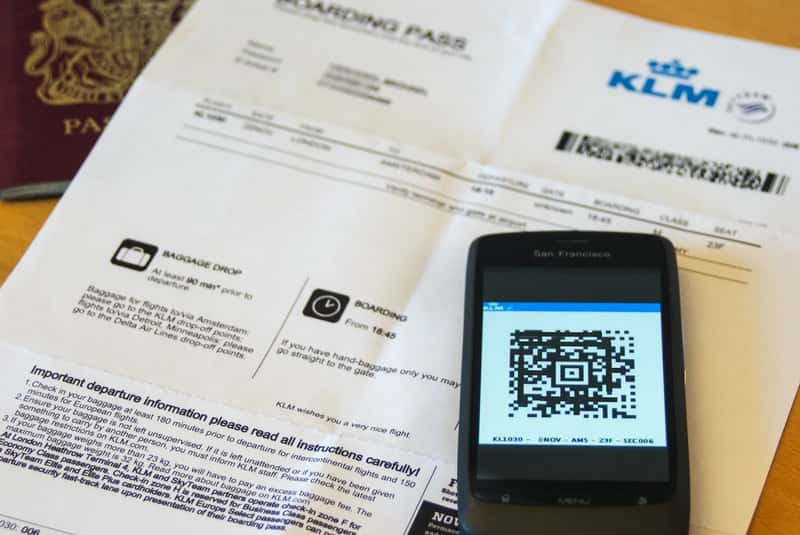
Despite widespread comfort with smartphones and apps, many travelers over 70 still print boarding passes, hotel confirmations, and even paper maps as a backup to their phone. It’s not a rejection of technology so much as a hedge against it, since a dead battery or lost signal can derail a trip in ways a paper copy simply can’t. This habit often includes a written list of emergency contacts and medication names, tucked into a wallet or daypack.
Younger travelers, raised on the assumption that a phone can solve almost any problem, tend to find this redundant until the moment their phone actually fails them. Older travelers have usually lived through enough tech hiccups abroad, dead outlets, unfamiliar chargers, spotty Wi Fi, to know that redundancy isn’t overkill. It’s simply insurance against a bad afternoon becoming a bad trip.
5. They choose accommodations for logistics, not aesthetics

Where a younger traveler might pick a hotel based on how it photographs, someone over 70 is more likely to prioritize proximity to public transit, ground floor or elevator access, and walkable distance to basic amenities. A beautifully restored building with narrow spiral stairs and no elevator, however charming, tends to lose out to something plainer but easier to navigate. This shift often happens quietly, without much explanation, because the traveler has simply learned what makes a stay comfortable versus what just looks good online.
It’s a practical filter that younger tourists, still scrolling for the most Instagrammable stay, don’t always apply until much later in their own travel lives. The older traveler isn’t sacrificing enjoyment; they’re just weighting different factors. Comfort and accessibility quietly become the new markers of a “good” hotel.
6. They travel with a smaller, more curated group of trusted companions
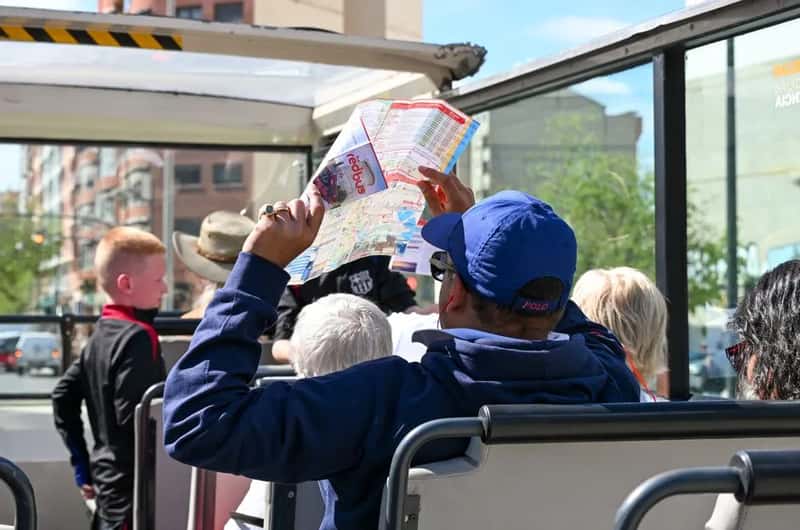
Solo backpacking or joining large tour groups full of strangers becomes less appealing to many travelers past 70, who increasingly favor smaller trips with a spouse, sibling, longtime friend, or a small guided group they’ve traveled with before. This isn’t about becoming less social; it’s about wanting companionship that understands their pace and preferences without needing constant explanation. Repeat bookings with the same tour operators or river cruise companies are common for exactly this reason, since familiarity reduces friction.
Younger tourists, often traveling to meet new people or build a network, don’t always register why an older traveler seems to gravitate toward the same small circle trip after trip. But for someone who has already met plenty of new people over a lifetime of travel, the priority shifts toward ease and genuine connection rather than novelty. It’s less about who they haven’t met and more about who they already trust.
7. They quietly budget more for comfort upgrades than for extra destinations

Rather than squeezing in one more city or country, many travelers over 70 will spend that same budget on a better seat, a quieter room, or a private transfer instead of a shared shuttle. The math has flipped from “how much can I see” to “how well can I experience what I’ve chosen to see,” and that reprioritization tends to happen gradually rather than all at once. It’s a subtle but consistent pattern noticed by travel advisors who work with older clients, many of whom report that comfort spending increases even as overall trip frequency may decrease.
Younger travelers, often working with tighter budgets and more flexible bodies, rarely need to make this trade-off yet, so the shift can look almost invisible to them. For the older traveler, though, it’s less about luxury and more about ensuring the trip is memorable for the right reasons. A smoother ride or a better night’s sleep can matter more than one extra stamp in the passport.
These habits rarely announce themselves. They show up in small decisions, a printed itinerary tucked next to a phone, a direct flight booked despite the higher price, a hotel chosen for its elevator rather than its rooftop bar. None of it is dramatic, but together it adds up to a way of traveling that’s been quietly refined over decades, one recovery day and one paper map at a time.