There’s a particular kind of magic that happens at the front desk of a resort when a guest says the right thing at the right moment. It’s not about being demanding or flashing a platinum card. It’s about language, timing, and a little bit of psychology that hospitality workers respond to almost instinctively. After talking to industry veterans and digging through hospitality training materials, a pattern emerges: certain phrases consistently unlock upgrades, extra amenities, and genuine warmth from staff who deal with hundreds of guests a week.
None of this involves manipulation or trickery. It’s simply understanding how service industry professionals think, what motivates them, and how small verbal cues signal that a guest is worth going the extra mile for.
1. “I know you’re busy, but…”
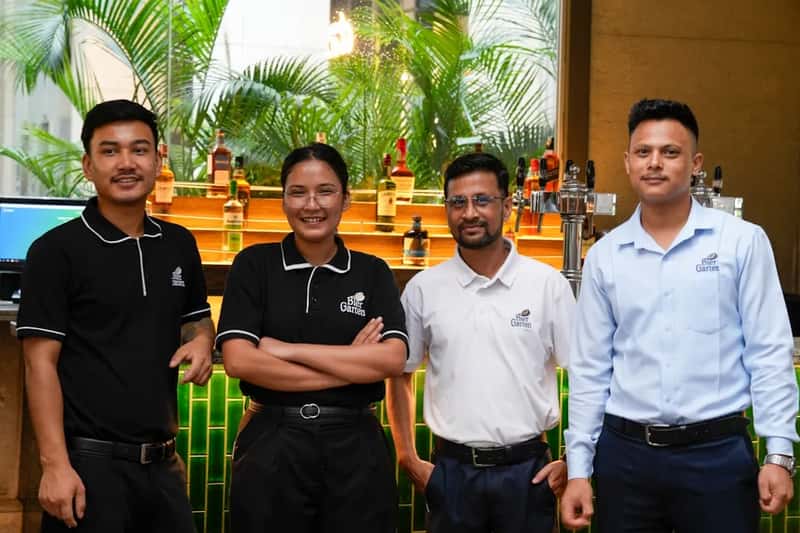
This phrase works because it does something most guests never think to do: it acknowledges the staff member’s workload before making a request. Front desk agents and concierge teams are often juggling check-ins, phone calls, and guest complaints simultaneously, and being seen as a person rather than a service function changes the dynamic almost instantly. Hospitality trainers frequently note that empathy from a guest tends to get mirrored back, creating a small moment of rapport before the actual ask even lands.
Once that acknowledgment is made, staff are statistically more inclined to look for ways to accommodate rather than simply process the request. It reframes the interaction from transactional to collaborative. A guest who leads with this kind of consideration is remembered, and being remembered is often the first step toward preferential treatment during the rest of the stay.
2. “This is a special occasion for us”
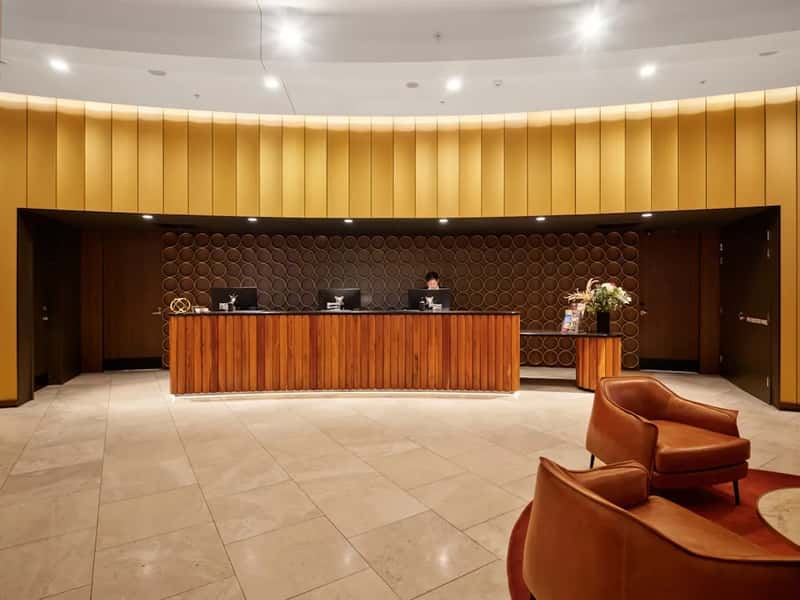
Resorts, particularly those with dedicated guest relations or concierge departments, often maintain systems specifically for flagging celebrations. Anniversaries, honeymoons, birthdays, and milestone trips get logged into property management software so that housekeping, dining, and front desk teams can coordinate small gestures like room upgrades, champagne, or a handwritten note. Mentioning the occasion early, ideally at booking or check-in, gives staff time to actually act on it rather than scrambling last minute.
Many major hotel groups, including Marriott and Hilton properties, have loyalty and guest experience programs that explicitly train staff to look for these cues and personalize the stay accordingly. Even independent resorts without formal programs tend to respond well, since celebrating guests are less likely to complain and more likely to leave positive reviews. It costs the property very little to acknowledge a special occasion, but the goodwill it generates is disproportionately large.
3. “I’ve heard great things about this place”
Compliments early in an interaction set a tone, but this specific phrasing does something more targeted than a generic “nice place.” It signals that the guest arrived with expectations shaped by reputation, which subtly raises the stakes for staff to live up to that reputation. Hospitality psychology research has long shown that people perform better when they feel their work is being watched with genuine interest rather than skepticism.
This line also opens a natural conversation where staff might ask what the guest heard, giving them a chance to highlight specific amenities, restaurants, or experiences the guest may not have known about. That extra information often leads to insider recommendations, like a lesser known pool area or a chef’s special not listed on the menu. Genuine curiosity about a property tends to be rewarded with genuine effort in return.
4. “What would you recommend?”
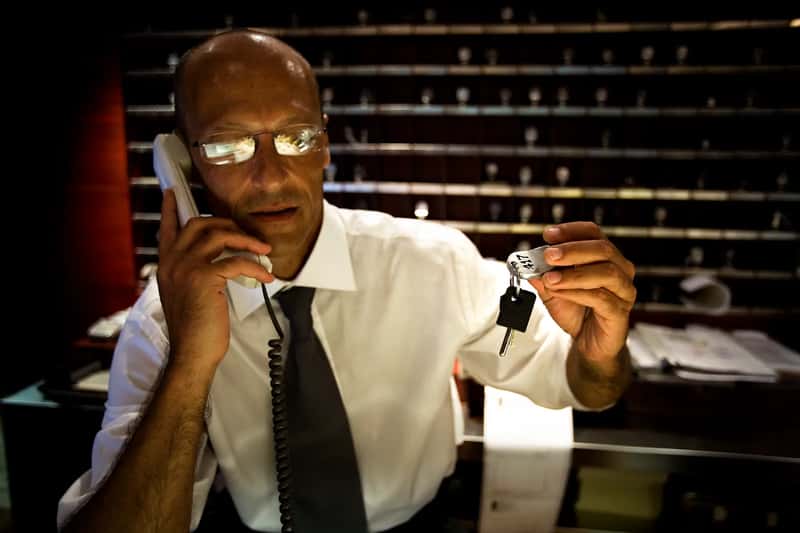
Asking staff for their personal opinion rather than simply requesting a service does two things at once. It shows respect for their expertise, and it invites them to take ownership of the guest’s experience rather than just following a script. Concierge staff in particular are trained extensively on local knowledge, and being asked to share it taps into professional pride.
This question also tends to surface options that aren’t advertised publicly, such as a quieter beach spot, a better time to visit the spa, or a dish the kitchen makes exceptionally well but doesn’t market heavily. Guests who ask this question are frequently steered toward experiences with better value or quality precisely because staff feel invested in a good outcome. It transforms the relationship from customer and vendor into something closer to a partnership for the duration of the stay.
5. “No rush, whenever works for you”
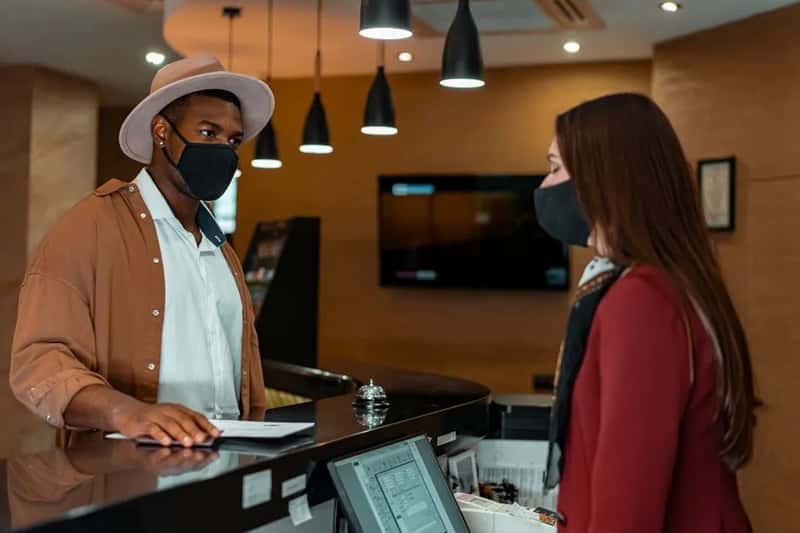
Patience is rare in the hospitality world, where guests often expect instant service regardless of how busy a property is. Saying this phrase, particularly during peak check-in hours or when a restaurant is slammed, immediately sets a guest apart from the crowd. Staff remember guests who make their jobs easier, and that memory often translates into faster or more attentive service later in the stay, once the rush has passed.
This approach works especially well at all-inclusive resorts and larger properties where staff to guest ratios can be strained during high season. Removing the pressure of urgency allows employees to actually think about how to help rather than just moving through a queue. In many cases, the guest who waited patiently ends up getting better service than the one who complained loudly, simply because patience earns goodwill that impatience destroys.
6. “Is there anything I should know?”
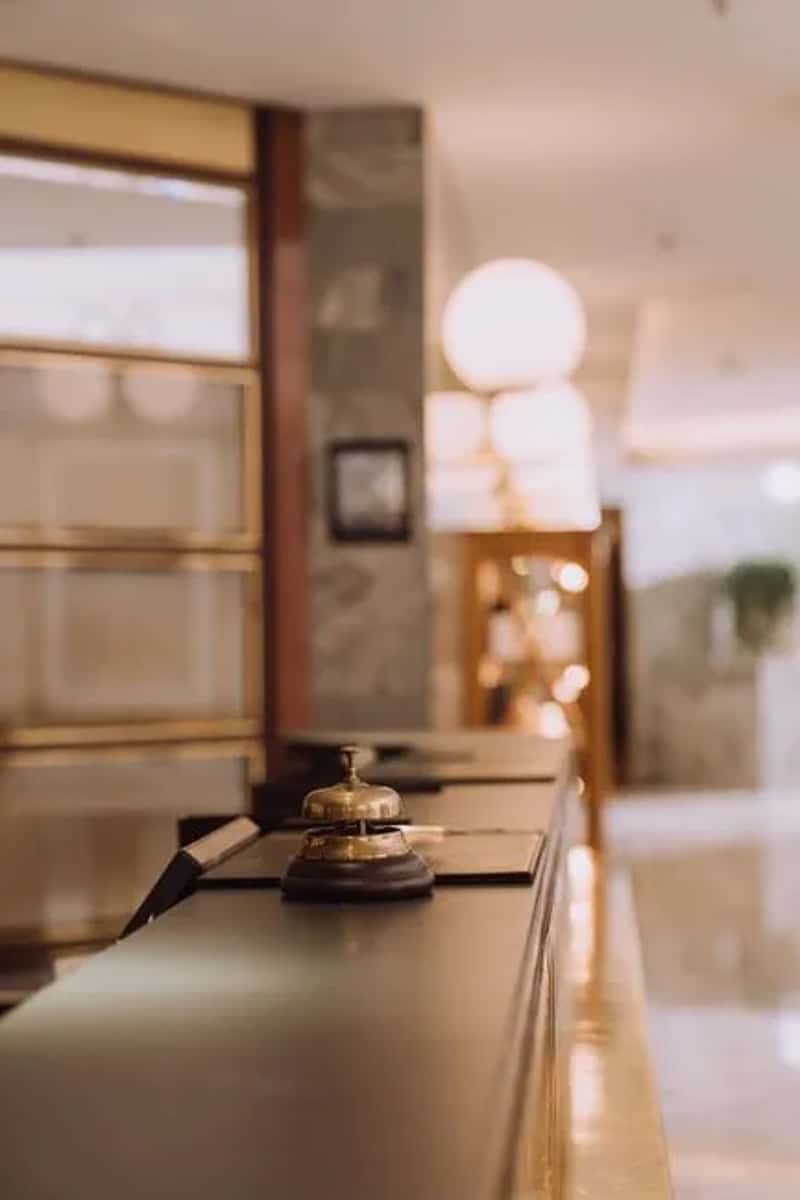
This open-ended question invites staff to share practical, insider information that isn’t always volunteered upfront, from resort policies to timing quirks about pools, restaurants, or activities. It signals genuine interest in having a smooth stay rather than assuming everything will simply work out. Front desk and concierge teams often have a mental list of tips they only share when directly asked.
Asking this early, ideally at check-in, also gives staff the opening to mention upcoming events, weather considerations, or even minor renovations that might affect certain areas of the property. That kind of transparency benefits both sides, since it prevents frustration later and builds trust from the very first interaction. Guests who ask tend to avoid common pitfalls that less curious guests stumble into during their stay.
7. “Thank you, I really appreciate it”
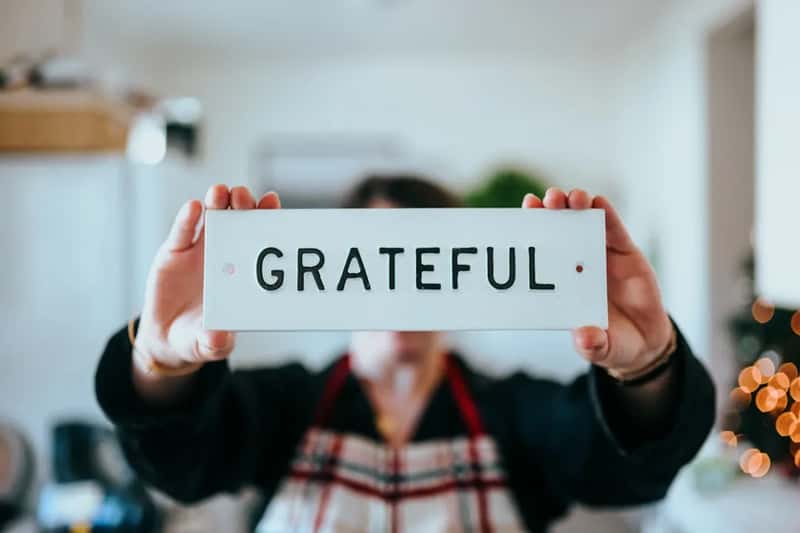
It sounds almost too simple, but genuine gratitude, said with specificity rather than as a reflexive habit, has a measurable effect on service quality throughout a stay. Hospitality workers report that guests who consistently express appreciation are remembered by name and often receive small unprompted perks, from room service timing adjustments to complimentary extras. It costs nothing and takes seconds, yet it’s one of the most underused tools in a traveler’s arsenal.
This phrase works best when it’s specific, thanking someone for a particular action rather than offering a vague blanket thanks at the end of a conversation. Staff turnover in hospitality is notoriously high, and workers in this industry often deal with entitled or dismissive guests throughout the day. A guest who stands out as kind and appreciative becomes someone staff actively want to help again, which compounds over the course of a multi-day stay.
Small verbal habits like these don’t guarantee free upgrades or luxury treatment every time, and no resort staff member is obligated to bend rules based on a well-placed phrase. What they do reliably create is a more human connection between guest and staff, and in an industry built entirely on service, that connection is often the real difference between an average stay and a memorable one.