American travelers have never been shy about seeing the world, but the numbers coming out of 2026 suggest something a bit different from the usual post pandemic rebound story. This isn’t just about more people boarding planes. It’s about where their money is actually landing, and in a handful of countries, US visitor spending has climbed to levels that would have seemed unlikely just a few years back.
Currency swings, new flight routes, and shifting travel habits have all played a role in reshaping this map. Some of these destinations are familiar names that keep pulling in bigger crowds every season, while others have quietly become favorites almost overnight. Here is a closer look at eight countries where American tourist dollars are flowing in at record or near record pace this year.
Japan

Japan sits at the top of almost any list like this right now, and the reason comes down to simple math. The weak Japanese yen has now held below 150 per dollar for nearly three years, meaning hotels, restaurants, taxis and subways feel roughly 20 to 30 percent cheaper on the ground than they did before 2022. That kind of discount has changed how Americans plan their trips, encouraging longer stays and pricier hotel bookings than they might have chosen otherwise.
The spending figures back this up in a big way. Japan welcomed 42.7 million international visitors in 2025, its strongest tourism year on record, and by that point tourism had become the country’s second largest export sector, trailing only automobiles. Industry watchers now expect the trend to continue, since travel agency JTB projects overall arrivals to dip slightly in 2026 even as spending rises, because North American and European visitors are staying longer and spending more per trip.
Mexico
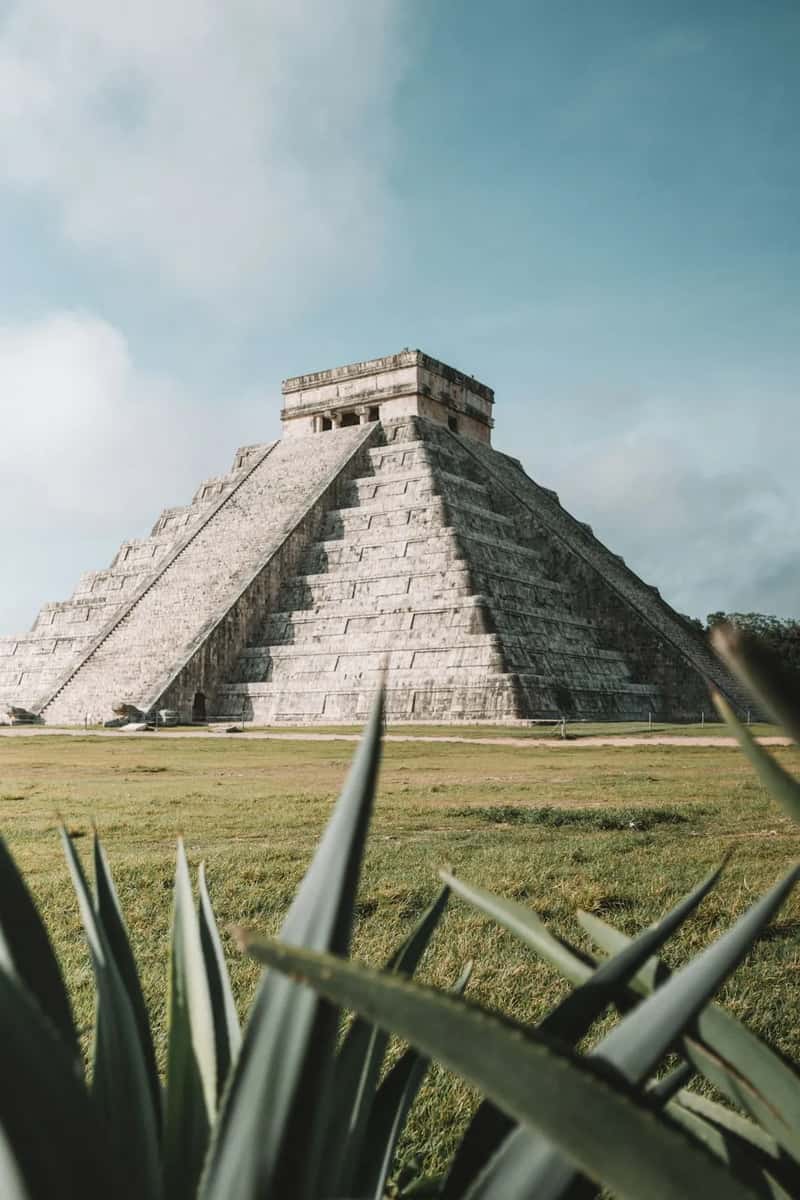
Mexico remains the single biggest draw for American travelers, and the scale is hard to overstate. US visitation to Mexico, the largest outbound market at 39.9 million travelers, increased 8.1 percent from 2023 and came close to matching its 2019 level. That volume alone makes Mexico one of the top places where American tourist dollars end up, whether through resort stays, dining, or excursions.
The spread of destinations tells its own story about how varied this spending has become. Cancun led with 4.8 million American visitors, followed by Mexico City with 3.1 million, Cabo San Lucas at 1.2 million, Guadalajara at 1.0 million, and Puerto Vallarta with 870,000. Beach resorts still dominate, but the growth in Mexico City visits suggests Americans are spending more on cultural and urban trips too, not just poolside vacations.
Dominican Republic
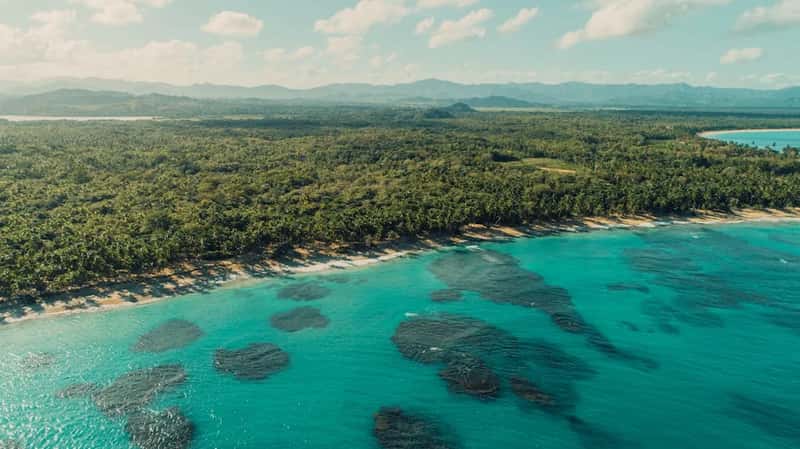
The Dominican Republic has quietly become one of the Caribbean’s biggest success stories, and Americans are driving much of it. National data confirmed 2025 closed with a historic high of more than 11.6 million visitors, exceeding both the previous year and pre-pandemic benchmarks. That momentum has carried straight into 2026 without much sign of slowing down.
American travelers specifically have become the backbone of this growth. The country welcomed 7,700,118 international visitors between January and July 2026, the strongest seven month stretch ever recorded for the destination. The United States remained the largest source market in July 2026, with American travelers representing 48 percent of total arrivals that month. Resort spending, all inclusive packages, and a growing cruise sector have all benefited from that steady flow of US visitors.
Portugal
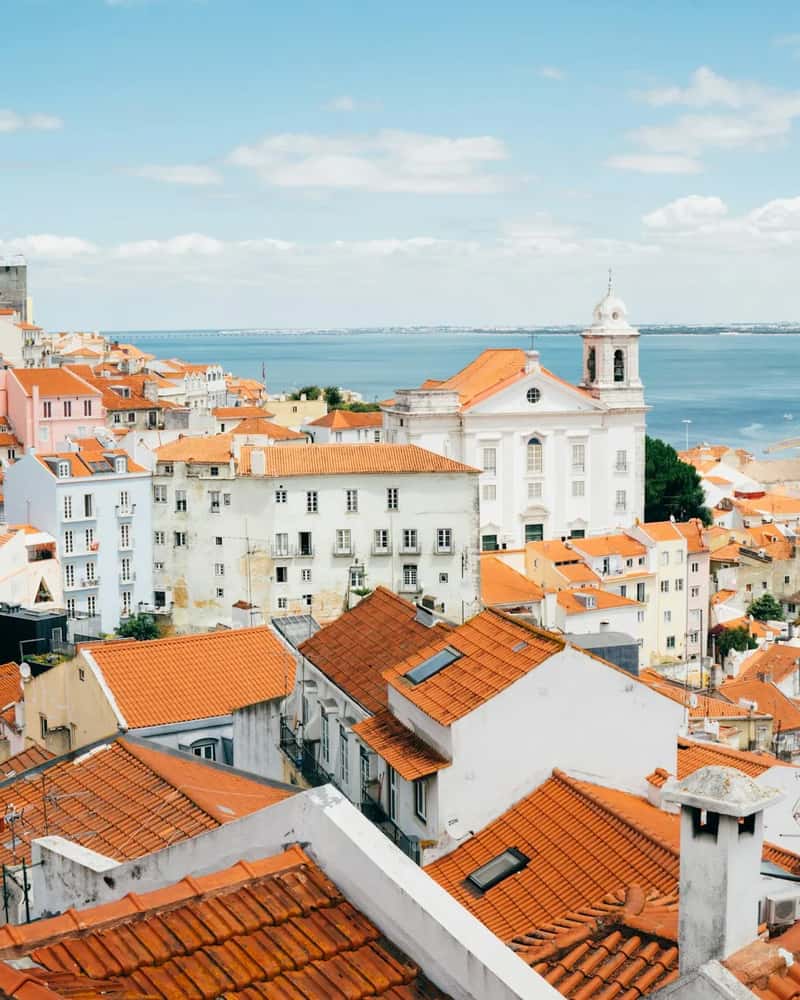
Portugal has gone from a niche European favorite to something close to a phenomenon among American travelers over the past few years. American guests at Portuguese hotels and tourist accommodations reached just over one million in the first half of 2024 alone, second only to the UK among source markets. That kind of volume from a single country was unheard of in Portugal’s tourism industry not long ago.
What makes Portugal stand out on this list is not just the number of visitors but how much they spend once they arrive. Of all the major source markets, American tourists post the highest percentage of overnight stays in five star hotels, at 38 percent. American visitors also generate the third highest level of income per day among all nationalities visiting the country. Lisbon in particular has felt the impact, with luxury hotels and fine dining venues increasingly built around this steady American clientele.
Greece

Greece has broken tourism records in recent years, and American visitors have played an outsized role given their spending habits. The country logged 37.98 million international visitors in 2025 along with 22.4 billion euros in revenue, both all time highs according to Bank of Greece data. That revenue growth has actually outpaced the increase in visitor numbers, hinting at a shift toward shorter but higher spending trips.
American travelers sit right at the center of that shift. American visitors averaged 958.66 euros per trip in early 2025, roughly 59 percent above the overall average, compared to 625.04 euros for German travelers, Greece’s largest source market by volume. That spending premium is part of why Greek officials are investing heavily in new direct air connections to the US. Santorini, Mykonos, and Athens have all seen a noticeable uptick in premium bookings tied to this trend.
Vietnam

Vietnam might be the biggest surprise on this list, but the arrival numbers make a strong case for its inclusion. Visitors from the Americas rose 21.3 percent in one recent month, with growth from the United States climbing 20.9 percent year over year. That kind of jump reflects a broader interest among American travelers in Southeast Asia as a value focused alternative to pricier European trips.
The country has worked hard to make itself more accessible in the process. New visa policies, expanded marketing efforts, broader product offerings, and improved service quality have all helped attract more international visitors. Arrivals climbed 12.4 percent year over year in the first quarter of 2026 alone, reaching 6.76 million total visitors. American tourists arriving through Ho Chi Minh City and Hanoi are increasingly extending their stays to include Ha Long Bay and Hoi An, adding meaningfully to local tourism revenue.
Canada

Canada has long been an easy choice for American travelers, and recent numbers show that comfort translating into real spending growth. US visitation to Canada reached 14.1 million travelers, an increase of 10.2 percent from 2023, putting it at 94 percent of its 2019 level. Proximity and familiarity keep drawing Americans north, but the spending patterns have shifted toward longer, more expensive trips rather than quick weekend visits.
The most visited cities reveal where that money is actually going. Toronto led with 1.8 million American visitors, followed by Vancouver at 1.2 million, Montreal at 949,000, Calgary at 511,000, and Banff at 279,000. Banff’s appearance on that list is notable, since it points to growing American interest in outdoor and mountain travel rather than just city breaks.
United Kingdom
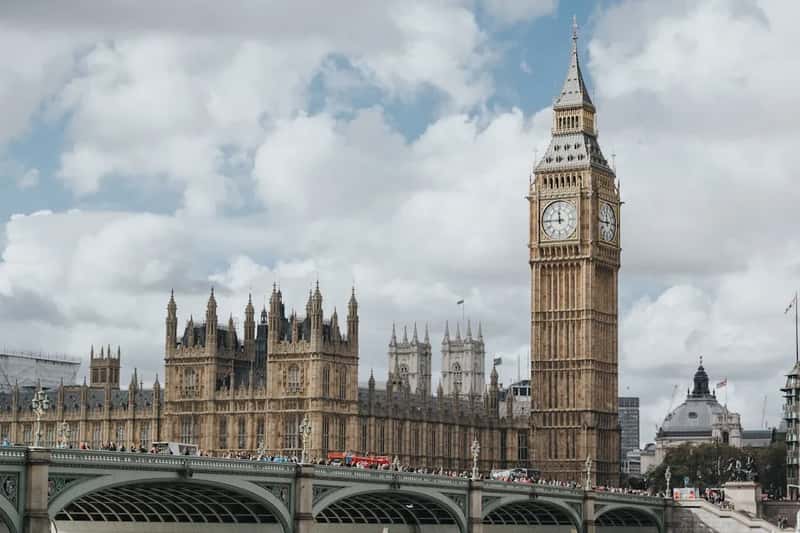
The United Kingdom continues to hold its position as the most popular overseas destination for American travelers by a wide margin. The UK topped the list of overseas countries visited by Americans with 6.0 million visitors, ahead of Italy at 4.2 million and France at 4.1 million. That kind of consistent lead reflects decades of cultural and travel ties that show no sign of fading.
Beyond sheer visitor numbers, American spending in the UK spans everything from London hotel stays to countryside excursions and historic sites. The broader pattern of rising American outbound spending fits neatly here, since American outbound tourism has grown faster than any other travel segment, with spending now exceeding 2019 levels by 17 percent. London remains the primary draw, though growing interest in Scotland and the English countryside has spread that spending further across the country.
Taken together, these eight destinations show that American travel spending abroad isn’t slowing down, even as overall inbound tourism into the United States has struggled to fully recover. Currency advantages, new flight connections, and changing traveler priorities have each played a part in reshaping where that money lands. Whether it’s a weak yen pulling visitors toward Tokyo or steady demand keeping Caribbean resorts full, the pattern points to Americans traveling further, staying longer, and spending more freely than they have in years.