Ask most American workers how many paid days off they get each year, and the answer is usually somewhere between “not enough” and “whatever my boss feels like.” Meanwhile, in a handful of countries scattered across Europe, the Middle East, and North Africa, taking a full month or more away from work isn’t a perk. It’s the law.
These aren’t vague estimates or wishful thinking. They come from government labor codes and recent global surveys that track statutory vacation days alongside public holidays. Here’s a look at eight countries where the combined total regularly climbs well past 30 days a year.
1. Yemen

Yemen sits at the very top of the global rankings for paid time off, and the margin isn’t close. Yemen offers an incredible 46 paid days off per year, combining 30 days of mandatory annual leave and 16 days of public holidays. That figure has held steady across multiple independent surveys of labor law in 2025, which is notable given how much economic instability the country has faced in recent years.
What makes Yemen’s case interesting is that the generous entitlement exists mostly on paper for a large share of workers, given ongoing conflict and a fragile formal labor market. Still, from a strict legal standpoint, Yemen combines 30 days of vacation with 16 public holidays for 46 total paid days off, more than any other country tracked in recent reports. It’s a reminder that statutory generosity and lived reality don’t always match perfectly.
2. Libya

Just behind Yemen is Libya, another North African nation whose labor code guarantees a hefty vacation allowance. Libya offers 45 days of paid leave and public holidays combined, placing it firmly in the world’s top tier for time off. Like Yemen, Libya’s 30-day base vacation entitlement is among the highest anywhere, matching countries such as Austria and France on the pure annual leave count.
The public holiday calendar in Libya adds another layer on top of that baseline, pushing the yearly total well past the 30-day mark most workers elsewhere only dream of. Libya’s labor framework reflects a broader pattern seen across several Middle Eastern and North African states, where long statutory leave is paired with a substantial holiday calendar tied to religious and national observances.
3. Bahrain

Bahrain rounds out the top three with a combined total that easily clears 30 days. Bahrain provides 44 days of paid time off when annual leave and public holidays are added together, making it one of the most generous countries in the Gulf region. That’s a striking figure for a country often associated with a fast-paced financial and business sector.
In the Middle East, Bahrain grants 30 days of annual leave, while the UAE and Oman provide 22 days, often supplemented with public holidays. Bahrain’s approach stands out precisely because it matches the 30-day vacation baseline seen in Europe’s most worker-friendly countries, then adds a robust holiday calendar on top of it.
4. Austria
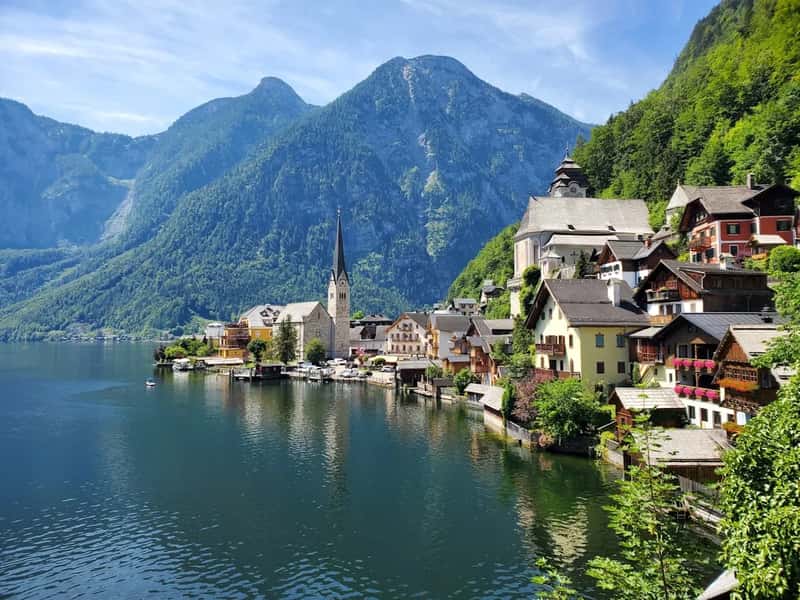
Austria is often held up as Europe’s gold standard for paid leave, and the numbers back that reputation up. Austria tops the European list with 43 paid days off, made up of 30 days of annual leave boosted by 13 days of public holidays. That combination puts Austrian workers well ahead of most of their continental neighbors.
What sets Austria apart isn’t just the number, it’s how firmly the entitlement is protected. Austrian labor law makes it difficult for employers to deny vacation, ensuring that leave is actually taken, rather than accumulated and forgotten. Seniority can push the vacation portion even higher over time, and employees are entitled to 25 to 30 vacation days depending on seniority, plus 13 public holidays, which is a rare structure that rewards long-term employment with more rest, not just more pay.
5. Monaco

Tiny in size but generous in policy, Monaco lands just behind Austria on the global leaderboard. Monaco offers 42 days off in total, a figure driven by the same 30-day statutory vacation allowance found in Austria and France, paired with its own set of public holidays. For a microstate known more for its casinos and Formula One race than its labor policy, that’s a surprisingly strong showing.
Monaco’s leave laws largely mirror French labor tradition, which makes sense given the principality’s close economic and legal ties to France. The result is a system where workers can expect over six weeks away from their jobs annually once public holidays are factored in, comfortably clearing the 30-day threshold with room to spare.
6. France

France has long been synonymous with a strong culture of rest, and its labor code reflects that. French law requires paid leave of 2.5 days for each month of actual work, giving five full weeks, which amounts to 25 days annually, though the calendar day count is often described as 30 days. On top of that baseline, France mandates 25 days of paid vacation plus 11 public holidays, and once both figures are combined, French workers land comfortably over 35 total days off, according to recent industry surveys.
The way France counts leave can be a bit confusing for outsiders, since French labor law counts Saturdays as working days even if no one actually works them, meaning the total appears higher than it would under a standard five-day workweek calculation. Either way, France, Sweden, Iceland, Finland, and Italy all offer over 35 paid days off when statutory leave and public holidays are combined, making France a reliable member of Europe’s most generous group.
7. Sweden
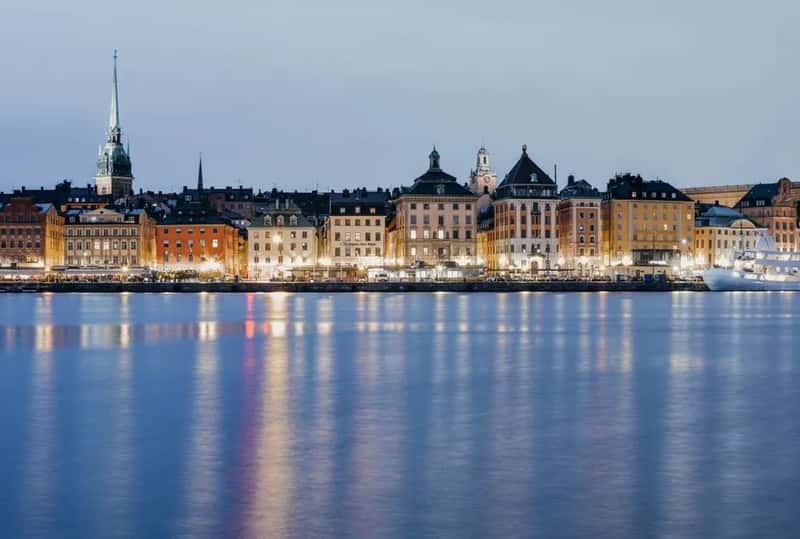
Sweden’s reputation for work-life balance isn’t just cultural, it’s written into law. Swedish workers are entitled to 25 days of statutory annual leave, one of the higher baselines in Northern Europe. When public holidays are added on top, the total climbs to around 41 days a year, according to recent payroll industry analysis, putting Sweden on par with France for total combined time off.
That kind of entitlement isn’t unique to Sweden within the region either. Norway and Denmark also provide 25 days of paid leave, reflecting a broader Nordic tendency to build long, protected breaks into standard employment contracts. Sweden’s public holiday calendar, centered mostly around Christian and national observances, is what pushes the yearly total well beyond the 30-day mark most workers elsewhere would consider generous.
8. Malta

Malta might not be the first country that comes to mind when thinking about paid leave, but its numbers are genuinely impressive. Workers in Malta are entitled to a total of 38 days off annually, made up of 24 days of paid annual leave and 14 paid public holidays. That combination places the small Mediterranean island firmly among Europe’s top performers for total time off.
Much of Malta’s holiday calendar draws on the country’s cultural and religious traditions, which helps explain why the public holiday count runs higher than in many comparable European nations. Combined with the statutory 24 days of leave, this ensures that most full-time employees have more than seven working weeks of paid time away from the office each year. Malta shares its 38-day total with a few other countries, including Italy, Finland, and Iceland, underscoring just how competitive Europe’s upper tier for paid leave has become.
Taken together, these eight countries show that the idea of a month-plus of paid time off isn’t some theoretical ideal. It’s a legal reality for millions of workers, built through decades of labor negotiations, cultural expectations around rest, and, in some cases, religious and national holiday calendars that add days on top of an already generous vacation baseline. The United States remains a notable outlier in this conversation, since it has no federal law guaranteeing paid vacation or holidays at all, a gap that becomes even more visible when placed next to countries like Austria, Sweden, or Malta.
None of this means every worker in these eight countries actually uses their full entitlement, since cultural habits and workplace pressure still shape how much leave people take in practice. Still, the legal floor matters. Having 30, 40, or even 46 protected paid days written into national labor law sets a baseline that shapes how entire societies think about rest, family time, and the basic right to step away from work without losing a paycheck.