Dreaming of a life with fresh seafood dinners, ocean views, and someone else handling the yard work, all without draining your savings? It’s more achievable than most people realize. Across Latin America, Southeast Asia, and even Western Europe, retirees and remote workers are discovering that a modest nest egg or a standard Social Security check can fund a genuinely comfortable, even indulgent, lifestyle abroad.
The countries on this list were chosen because real people are currently living well in them on budgets at or under two thousand dollars a month, according to recent cost-of-living research and expat reporting from 2025 and 2026. None of these are fantasy numbers. They reflect actual rent listings, grocery bills, and healthcare costs reported by residents on the ground.
1. Portugal

Portugal remains one of the most talked-about retirement havens in Europe, and for good reason. Many retirees can live comfortably on around 1,400 to 1,800 euros per month, depending on location and whether they own their home. That range covers everyday essentials rather than a bare-bones existence. As of June 2026, Portugal’s living expenses for retirees are 29.8 percent lower than in the USA, 28 percent more affordable than the UK, and 27.2 percent cheaper than in France, excluding rent.
Smaller towns stretch a budget even further. A single retiree needs a monthly budget of around 650 to 850 euros in smaller towns, roughly 750 to 1,000 euros or more without including rental prices, while a retired couple often spends about 1,100 to 1,500 euros outside major cities. The tradeoff is that Lisbon and the Algarve carry a bigger price tag, but even there, some couples manage on close to the two-thousand-dollar mark if they choose their neighborhood carefully.
2. Mexico
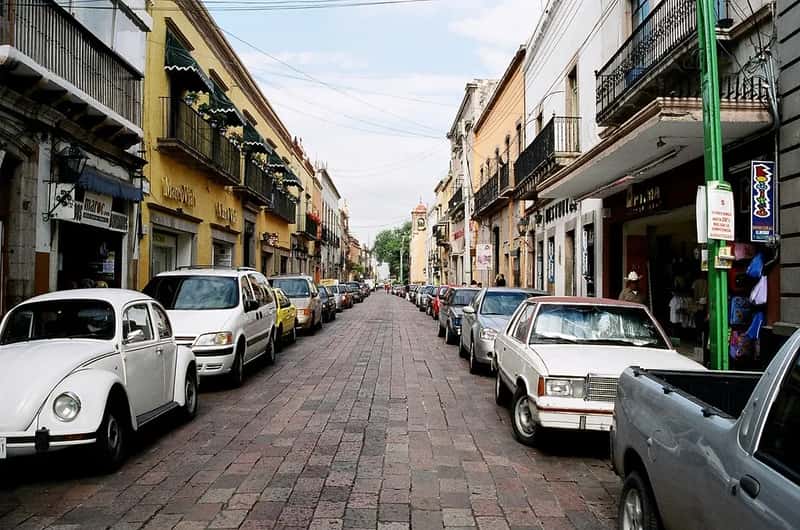
Mexico continues to attract more American retirees than almost anywhere else, and the math explains why. On average, a couple can retire in Mexico for about $2,000 to $2,500 a month, and with roughly $2,000 USD, you can get a comfortable rental, cover your utilities, go out to eat several times, and even pay for some household help or leisure activities. Singles have it even easier on the wallet. A single person can live in Mexico for about $1,500 to $2,000 a month.
Healthcare is a major draw too, especially for those worried about medical costs eating into retirement funds. Mexico has excellent healthcare facilities with many English-speaking doctors, and the best part is that healthcare services are affordable, with a general physician visit costing around twenty to twenty-five dollars. Popular spots like Ajijic and Playa del Carmen carry higher rents, but plenty of quieter towns keep the whole package well inside budget.
3. Colombia

Colombia has quietly become one of the best value destinations in the Western Hemisphere, especially in cities like Medellín. As of early 2026, a budget of $2,000 per month gives you a comfortable middle-class expat lifestyle where you can live well without constantly watching every peso. That figure covers a nice furnished apartment in a desirable neighborhood along with dining out and regular activities.
Broken down by city, the numbers get even more specific. A single retiree living comfortably in Medellín spends between $1,030 and $1,510 a month on rent, groceries, healthcare, dining out, and transportation, while Cartagena averages $1,340 to $1,980, Bogotá runs $1,180 to $1,740, and Cali comes in at $930 to $1,340. Healthcare is a standout benefit here, since healthcare costs 60 to 70 percent less than in the US while maintaining top-20 global quality.
4. Panama

Panama has spent decades perfecting the art of welcoming foreign retirees, and it shows in both infrastructure and price. Long before digital nomad visas and influencer hotspots existed, Panama quietly perfected the art of welcoming retirees, and today it ranks number two in International Living’s 2026 Global Retirement Index. The country backs that reputation up with real affordability. A couple can live comfortably here on $2,000 to $3,000 per month, often with room for dining out, travel, and leisure.
Medical care is another reason Panama keeps climbing retirement rankings. Healthcare is a standout, with a high standard of care, many doctors trained in the US, and private hospitals in Panama City maintaining international partnerships, yet costs remain a fraction of what you’d expect. Add in discounts for retirees on transport and entertainment, and Panama offers a surprisingly rich lifestyle for the money.
5. Costa Rica

Costa Rica’s reputation as a laid-back, nature-loving retirement spot is well earned, though budgets here run slightly higher than in some neighboring countries. Many single people can live comfortably on between $1,600 and $2,000 per month, while retired couples should expect to pay between $2,000 and $3,000 per month. Location makes a huge difference, with inland towns offering noticeably better value than beach resort areas.
Some expats manage to land right at the two-thousand-dollar mark or just under it. Some retired couples live well on $2,000 per month and even better on $2,500 to $3,000, a figure that includes all costs such as housing, transportation, medical care, utilities, food, and entertainment. Central Valley towns like Atenas and Grecia are popular precisely because they deliver that value without sacrificing the country’s famous quality of life.
6. Thailand

Thailand has long been Southeast Asia’s go-to retirement destination, and Chiang Mai in particular has earned a reputation as an unbeatable value. Chiang Mai remains the budget retirement champion, with monthly costs of $1,200 to $1,600 achievable for a comfortable lifestyle, and the old city area and Nimmanhaemin neighborhood offer dense expat infrastructure. That leaves plenty of room under the two-thousand-dollar ceiling for travel or splurges.
Bangkok costs a bit more but still remains far cheaper than most Western capitals. Bangkok is the urban powerhouse, where a decent condo near BTS stations costs $500 to $800 monthly, world-class hospitals sit within taxi distance, and the variety of food, entertainment, and services is unmatched in Southeast Asia. Whether you prefer the mountains or the capital, Thailand consistently delivers comfort at a fraction of Western prices.
7. Malaysia

Malaysia offers a slightly more polished, multicultural alternative to Thailand, with English widely spoken and infrastructure that feels notably modern. A comfortable lifestyle in Thailand runs $1,400 to $2,200 monthly, while in Malaysia expect $1,800 to $2,500. Georgetown in Penang remains the classic pick for retirees who want beach access paired with excellent street food and a large existing expat community.
Everyday costs stay refreshingly low even in the pricier cities. Monthly grocery bills for a couple typically range from RM800 to 1,500, or roughly 185 to 350 US dollars, depending on how much imported food you purchase. Healthcare adds to the appeal, since a general consultation at a private hospital typically costs between RM80 and 250, or about 20 to 70 US dollars, while international clinics range higher but still remain far below Western prices.
8. Vietnam

Vietnam might be the single best value on this entire list, particularly for those willing to embrace local markets over Western supermarkets. In the right places abroad, a couple can live comfortably on as little as $1,900 a month, housing included, and in some spots, even less. That already puts a couple’s full monthly budget under the two-thousand-dollar target with room to spare.
The savings become even more dramatic once you adjust your habits. If you are willing to buy locally produced groceries and household goods, eat and drink at restaurants where the locals go, and live a relatively simple lifestyle, you can reduce your monthly budget by at least 25 percent, and two people can enjoy a full local-style meal with drinks for less than five dollars. Hanoi in particular has built a thriving, well-established expat scene around exactly this kind of affordable, food-forward lifestyle.
What ties all eight of these countries together isn’t just low prices. It’s the combination of affordable healthcare, established expat communities, and a genuine quality of life that often exceeds what the same budget would buy back home. Housing tends to be the single biggest variable, so choosing a smaller town or a less touristy neighborhood within any of these countries usually makes the difference between living comfortably and living like royalty.
Exchange rates, local inflation, and rising rents in popular expat hubs do shift these numbers year to year, so anyone seriously considering a move should budget with a cushion and spend time on the ground before committing. Still, for anyone willing to look beyond their home country’s borders, two thousand dollars a month goes a remarkably long way. Sometimes the best retirement plan isn’t saving more. It’s simply looking somewhere else.