Our planet’s wild places are disappearing fast, yet pockets of pristine wilderness still exist where nature reigns supreme. These untouched landscapes offer something increasingly rare in our modern world: the chance to experience Earth as it existed before human influence shaped nearly every corner of the globe.
Recent research has highlighted that just 23% of the planet’s land surface (excluding Antarctica) and 13% of the ocean can now be classified as wilderness, representing nearly a 10% decline over the last 20 years. Yet within this shrinking expanse lie extraordinary destinations that continue to captivate outdoor enthusiasts with their raw, uncompromising beauty. Let’s explore eight nations where nature still holds dominion over vast stretches of land.
Russia: The World’s Largest Wilderness Guardian
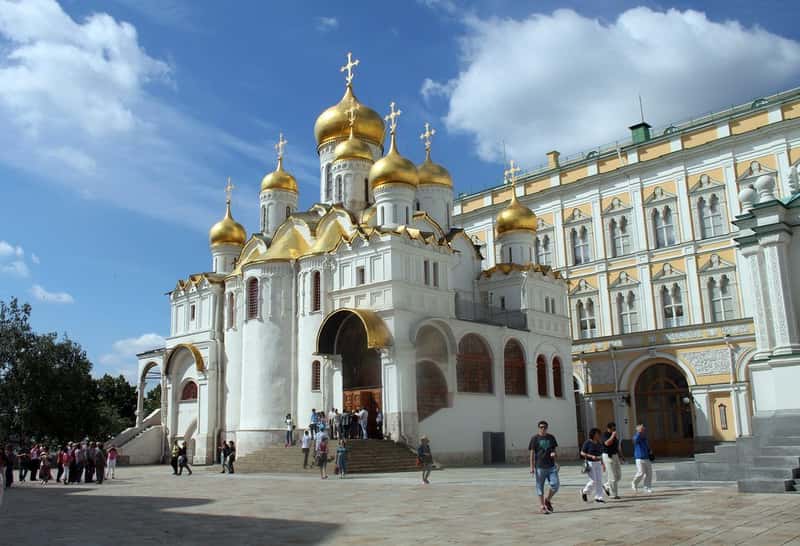
The boreal forest, spread out through Alaska, Canada, and Russia, is the largest of the unbroken wildernesses, and stores around a third of the planet’s terrestrial carbon. Russia’s vast expanse contains some of Earth’s most remote and untouched territories, from the endless taiga forests of Siberia to the volcanic landscapes of the Kamchatka Peninsula. The country’s sheer size, stretching across eleven time zones, means that enormous areas remain virtually untouched by human development.
There are a few organised tours to Sakha, but further east lies the Kamchatka Peninsula. It has the planet’s highest density of brown bears, not to mention 300 volcanoes, but not many people. Secret Compass visits the region, offering travellers the chance to summit volcanoes and trek through trail-free, untracked wilderness. This isolation has preserved ecosystems where wildlife thrives without human interference, creating landscapes that few have ever witnessed.
Canada: Northern Frontiers Beyond Imagination
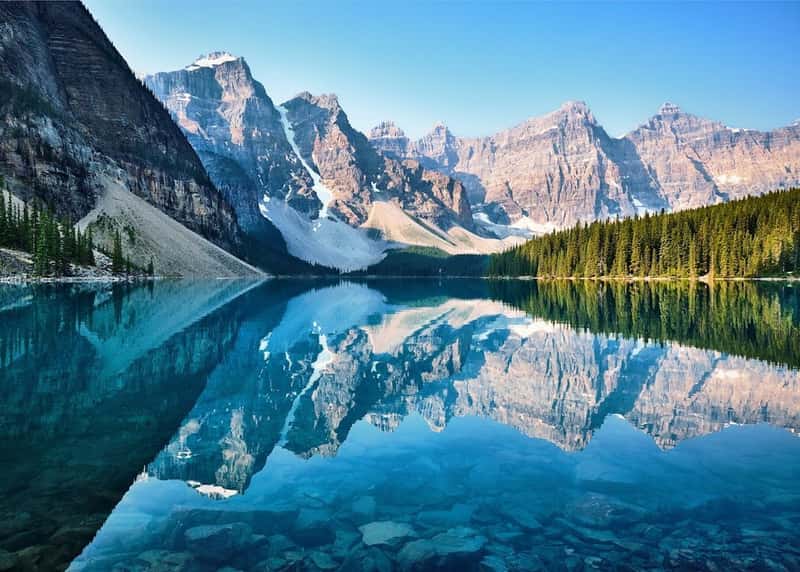
Canada’s northern territories represent some of the most pristine wilderness on the planet. The “Northern Lights in the Canadian Wild” campaign emphasizes the vast wilderness and minimal light pollution of these regions, offering an authentic, frontier-style adventure. With aurora visibility up to 240 nights per year in Yellowknife, the campaign promotes this destination as the “Northern Lights Capital of the World,” with a season that spans from late August to April.
One of Canada’s most beautiful national parks, Torngat Mountains National Park is the quintessential true wilderness area. It’s not easy to get there, but once you do, you’ll find a world of dramatic mountains, glaciers, icebergs, polar bears, and caribou. This is a place where Inuit still hunt, fish, and get around just as they have done for thousands of years. The vastness of Canada’s untouched lands continues to astound those brave enough to venture into its remote corners.
Australia: A Continent of Untamed Diversity
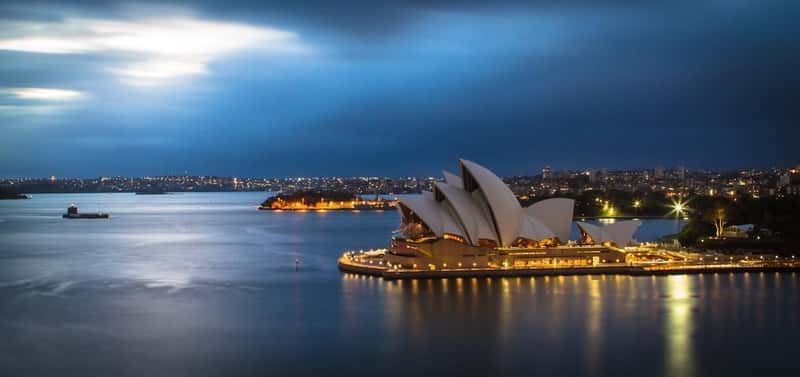
Australia’s enormous landmass contains some of the world’s most diverse and untouched ecosystems. Five countries have the majority of the remaining wilderness, and one of the researchers, Dr James Watson, told ABC Australia that they should be the countries that shoulder the responsibility to protect it. “Australia is one of them. The United States, in another, Russia, Canada, and Brazil – those five nations hold 70 per cent of all the wilderness, not including the high seas and Antarctica,” he said.
From the vast red center of the Outback to the ancient rainforests of Queensland, Australia offers landscapes that have remained largely unchanged for millions of years. The continent’s isolation has created unique ecosystems where endemic species evolved without outside interference. These wilderness areas serve as living museums, preserving ancient life forms found nowhere else on Earth.
United States: Alaska’s Final Frontier

The United States’ contribution, Fairbanks: The Best Place for the Northern Lights, draws attention to Alaska’s vast, unspoiled landscapes. Fairbanks’ sub-Arctic location provides some of the world’s most reliable aurora displays. The initiative highlights Alaska’s ability to deliver comfort and wilderness in equal measure, reinforcing its status as a dream destination for winter adventurers.
Alaska represents America’s last great wilderness, where glaciers calve into pristine fjords and massive mountain ranges stretch beyond the horizon. The state’s enormous size and harsh climate have kept vast areas free from development, preserving landscapes that existed long before human arrival. These pristine environments offer outdoor enthusiasts the chance to experience true solitude in some of the most dramatic scenery on the continent.
Brazil: Amazon’s Remaining Heart
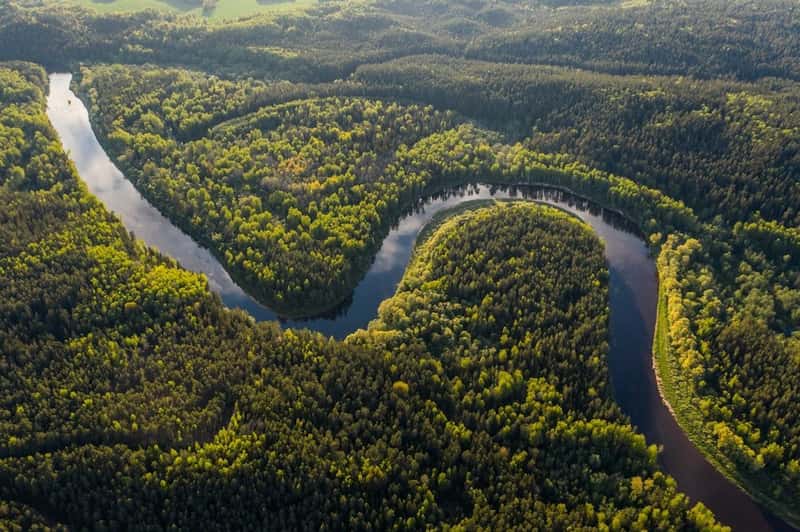
Brazil’s contribution to global wilderness lies primarily in the Amazon Basin, where enormous tracts of rainforest continue to function as complete ecosystems. Think of uncharted wildernesses, and the Amazon quickly springs to mind. And this region, close to the border with Peru, is one of the least explored by global civilisation, at least. That’s because Vale do Javari is one of the largest indigenous territories in Brazil and home to at least 14 uncontacted tribes, the greatest concentration in the world. It is part of the vast Brazilian state of Amazonas, a region so inaccessible that its biggest mountain – indeed the tallest in the whole country – Pico da Neblina, wasn’t discovered until the 1950s.
These remote areas function as Earth’s lungs, processing carbon dioxide and producing oxygen on a scale that influences global climate patterns. The presence of uncontacted indigenous peoples in these regions demonstrates just how untouched these wilderness areas remain, existing as they have for thousands of years.
Greenland: Earth’s Largest Island Wilderness
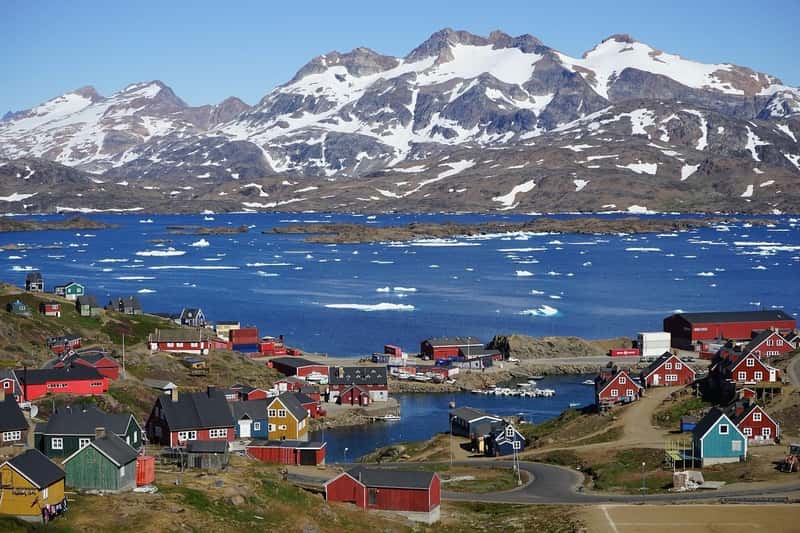
The most untouched wilderness in the world can be found in Greenland. Northeast Greenland National Park, which is four times the size of the UK at 972,000 square km, is the largest protected area on the planet and is entirely deserted. Greenland’s massive ice sheet and remote location have preserved a landscape that remains virtually untouched by human influence.
Greenland’s Experience the Northern Lights in Greenland campaign paints a picture of pristine isolation. With its ice-sheet vistas, fjord-lined coastlines, and virtually no light interference, Greenland offers some of the clearest aurora sightings on the planet. Spots like Kangerlussuaq, Ilulissat, and Nuuk welcome travellers seeking tranquillity and reflection. The island’s harsh Arctic environment creates landscapes of stunning beauty that few humans have ever witnessed.
New Zealand: Wilderness Areas Protected by Law

Aotearoa New Zealand has 13 national parks, spanning 30,000 square kilometres of untouched wilderness – roughly the size of Belgium. These parks protect some of our most spectacular landscapes, ranging from alpine, volcanic, and coastal regions to forests and wetlands. New Zealand has taken unique steps to protect its wilderness through special legal designations.
In a rapidly developing world, these areas are rare. In Aotearoa, they cover just 3% of land – they are some of our most precious and untouched public places. There are 11 gazetted Wilderness Areas across Aotearoa – four in the North Island and seven in the South – together covering over half a million hectares of untamed land. These protected areas ensure that future generations will experience landscapes where natural processes continue without human interference.
Iceland: Land of Fire and Ice
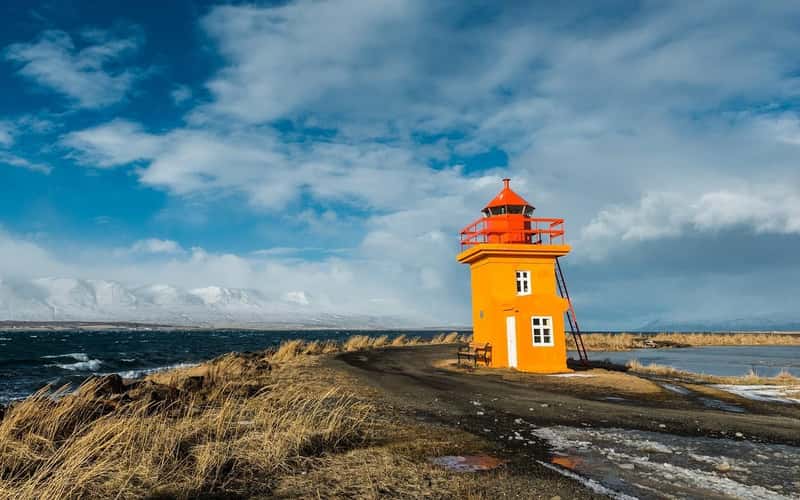
Iceland’s position in the North Atlantic has preserved landscapes that feel genuinely primordial. The viewing season, stretching from late August to mid-April, peaks between November and January, offering travellers the perfect window to experience the nation’s dramatic contrasts. Destinations such as Þingvellir National Park, Snæfellsnes Peninsula, and Jökulsárlón Glacier Lagoon have been spotlighted for their combination of scenic serenity and aurora brilliance.
The country’s volcanic activity continues to shape its landscape in real time, creating new landforms while preserving ancient ones. Iceland’s relatively recent human settlement and small population mean that vast areas remain in their natural state, offering visitors the chance to witness the same dramatic landscapes that greeted the first Norse settlers over a thousand years ago.
These eight nations represent our planet’s last strongholds of untouched wilderness. In an age where human influence reaches nearly every corner of the globe, these places remind us what Earth looked like before cities, roads, and industry transformed the natural world. For outdoor enthusiasts, they offer the ultimate prize: the chance to experience nature as it truly is, wild and free.
What draws you most to these untouched wilderness areas? Tell us in the comments.