Nobody boards a flight expecting a delay, yet millions of travelers sit on tarmacs or in terminal lounges every year wondering if they are owed anything. The truth is that passenger rights laws in Europe, the United States, and beyond are far more generous than most airlines let on, but the rules are also confusing enough that carriers can quietly avoid paying what they legally owe. Below are eight things airlines would rather you never learn, from the exact thresholds that trigger a payout to the loopholes they use to dodge one.
These secrets are drawn from current regulations and the latest reforms moving through 2026, so you can walk into your next delay knowing exactly what to ask for and why.
1. The Three-Hour Rule Survived, and Airlines Fought Hard to Kill It
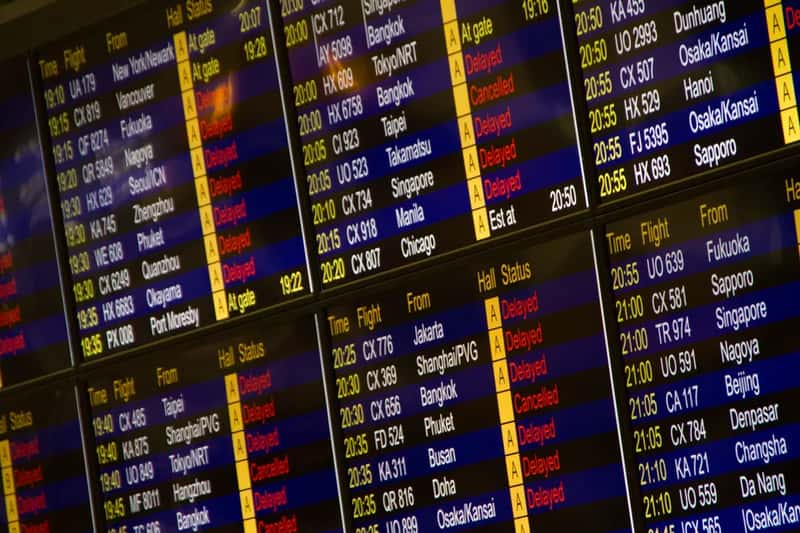
For years, European airlines lobbied to push the compensation threshold from three hours to five or more, hoping to slash the number of passengers who qualify for a payout. For more than a decade, airlines lobbied to raise the threshold at which flight delay compensation kicks in from 3 hours to 5 or more, and earlier drafts from the Council of the EU proposed exactly that.[1] That change would have quietly erased compensation for a huge share of delays that currently qualify.
The good news for travelers is that this attempt failed. New EU261 rules are approved: MEPs kept the 3-hour compensation right and added free family seating, cabin bag pricing and faster refunds.[1] The three-hour rule was the airlines’ biggest target, and it survived.[1] Airlines rarely advertise this outcome, because it means the same generous threshold that has applied since 2004 keeps working in your favor.
2. “Extraordinary Circumstances” Gets Stretched Far Beyond Its Legal Meaning

Airlines love the phrase “extraordinary circumstances” because it is the one legitimate excuse that lets them skip compensation entirely. Airlines don’t have to pay EU261 compensation if the disruption was caused by “extraordinary circumstances” beyond their control. This includes severe weather (thunderstorms, volcanic ash, heavy snow).[2] The problem is how loosely some carriers apply that label to situations that do not actually qualify.
What many passengers don’t realize is that mechanical failures and staffing problems almost never count as extraordinary, no matter how an airline frames them. Mechanical issues, crew shortages, and IT failures don’t count as extraordinary. If the plane broke down or they couldn’t find a pilot, you’re getting paid.[2] Extraordinary circumstances remain one of the most common reasons airlines use to reject flight delay compensation and cancelled flight compensation claims.[3] If an airline throws out a vague explanation, it is worth pushing back and asking for specifics before accepting a denial.
3. The United States Still Has No Cash Compensation Law

Unlike Europe, American travelers are often shocked to learn there is no federal requirement for airlines to pay cash when a domestic flight is delayed for hours. The U.S. has no delay compensation law, period! The DOT’s automatic refund rule only gets your money back when you don’t fly at all.[4] Sitting on a tarmac for hours and still reaching your destination generally entitles you to nothing beyond whatever goodwill gesture the airline chooses to offer.
A stronger rule was actually drafted, then quietly shelved. Proposed rules were announced in December 2024 that would have mandated some levels of compensation for airline-controlled cancellations and delays, possibly including cash compensation as well, but the proposed rules were shelved in November 2025.[5] Travelers who run into a flight delay or cancellation will not automatically be owed financial compensation, after a decision made this week by the Trump administration.[6] Airlines have little incentive to publicize that this protection never materialized.
4. EU261 Can Cover You Even on an American Airline

Many U.S. travelers assume European passenger protections only apply to European carriers, but that is not how the law works. EU261 is the European rule that forces airlines to pay you €250 to €600 in real cash compensation, not vouchers, when your flight arrives 3 or more hours late or gets canceled on short notice, and it covers ANY flight departing an EU airport, no matter whose name is on the plane.[4] That detail alone catches out plenty of frequent flyers who never bother filing a claim because they assume it doesn’t apply to them.
So if you are flying home from a European city on an American, Delta, or United flight and it lands significantly late, you are very likely still covered. Flying home from Paris to Chicago on United and you land 4 hours late? Covered.[4] Airlines based outside Europe are not exactly rushing to remind departing passengers of this obligation.
5. Your Window to Claim Is Shrinking

Passengers often sit on old boarding passes for years, assuming they can file a claim whenever convenient. That flexibility is about to disappear under the 2026 EU261 reform. The time limit to claim EU261 compensation will be 9 months from the date of the flight disruption, a single EU-wide deadline that will replace the current patchwork of national time limits.[1]
Some claims specialists see this shift as the part of the reform that will hurt consumers the most. Anton Radchenko, aviation lawyer and founder of AirAdvisor, sees that deadline as the change passengers will feel most. What concerns me is the nine-month deadline.[1] We regularly recover compensation for passengers whose flights were disrupted two or three years ago, and claims like those will disappear under the new rules.[1] If you have an old delay sitting in your inbox, it may be worth filing sooner rather than later.
6. Airlines Would Rather Hand You a Voucher Than Cash
Before 2024, U.S. airlines routinely nudged delayed or canceled passengers toward travel credits instead of refunds, hoping people would simply forget about the money. Before this rule, airlines could offer you a voucher, a credit, or a pat on the back and call it a day. Now they must give you an automatic cash refund if your flight is canceled or significantly changed and you choose not to travel.[2] That single change reshaped how disrupted trips get resolved in the U.S.
The mechanics of the rule are stricter than many travelers realize, and they leave little room for airlines to stall. The rule makes clear that airline passengers are entitled to a refund when their flight is canceled or significantly changed and they no longer wish to take that flight or be rebooked, when their checked baggage is significantly delayed, or when extra services they paid for, like Wi-Fi, are not provided. The rule also requires refunds to be automatic, prompt, in the original form of payment, and in the full amount paid.[7] If an airline agent offers you a voucher first, you can and should ask for the cash refund you’re actually owed.
7. Meals, Hotels, and Phone Calls Are Owed Regardless of Compensation

Even when a delay is caused by weather or another exempt reason and no cash compensation is due, European airlines still owe passengers basic care. EC261, often referred to as EU261, entitles consumers to compensation in the range of €250-600 in the event of operational disruptions, in addition to clearly defined rebooking practices, reimbursement for expenses, etc.[8] That separate obligation frequently gets ignored at gate counters when staff are focused only on whether a cash payout applies.
These duty-of-care provisions exist independently of the compensation question, which is exactly why airlines rarely lead with them. This is on top of any care the airline provides, meals, drinks, hotel rooms, and phone calls are all separate obligations.[2] Under the reformed rules, airlines are also expected to be more transparent about these entitlements. Since the July 2026 overhaul of the law, airlines are now legally required to disclose EU261 passenger rights both at the airport and during specific flight disruptions, and under Article 14 of the regulation, airlines must actively inform passengers of their rights to compensation, care, and assistance.[9]
8. Your Credit Card Might Already Be Covering You

Passenger rights laws are not the only safety net available when a flight goes sideways. Many travel rewards credit cards include their own delay protections that travelers forget to activate. Between the DOT’s automatic refund rule, EU261 regulations, and your credit card’s trip delay insurance, you could be looking at hundreds, even thousands, of dollars in refunds and compensation.[2] Airlines have no reason to mention a benefit sitting in your wallet that has nothing to do with them.
Stacking these protections is often the difference between a frustrating travel day and one where you walk away reasonably compensated. Checking your card’s benefits guide before a trip, saving receipts for meals and hotels during a delay, and knowing which regulation applies to your specific route can turn a routine disruption into a legitimate claim. None of this requires a lawyer, just a bit of homework most travelers never bother to do.
Flight delays are never pleasant, but the rules protecting passengers are more substantial than airlines typically advertise at the gate. Understanding where the thresholds sit, which excuses hold up legally, and which protections exist outside the airline system altogether puts the leverage back in your hands. The next time your flight is delayed for hours, you’ll know exactly which questions to ask, and exactly which answers not to accept at face value.