What does it actually mean to live well? It’s more than sunny weather or a pretty skyline. Real comfort comes from stable healthcare, safe streets, a job that doesn’t consume your entire existence, and a government you can trust. Honestly, for most people on earth, that combination feels like a distant dream. Yet a handful of countries have quietly figured it out, building systems so solid that their residents consistently report being among the happiest, healthiest, and most secure people alive.
These nine countries don’t just top lists for show. They do it year after year, across multiple independent global rankings. Let’s dive in.
1. Luxembourg: The Small Giant at the Top

Here’s the thing about Luxembourg – most people forget it even exists, and yet it keeps knocking every other country off the top of the charts. According to Numbeo’s 2025 Quality of Life Index, Luxembourg leads globally with a score of 220.1 points, placing it firmly above much larger and more famous nations. That’s not a fluke – it reflects a system built around genuinely high incomes, clean infrastructure, and well-funded public services.
Luxembourg ranks first due to the highest income levels of its population, combined with an excellent healthcare system and a high level of safety. The country also punches well above its weight when it comes to political stability. For a nation that could fit inside many city limits, it offers an almost absurdly comfortable life to those lucky enough to call it home.
2. The Netherlands: Infrastructure That Actually Works
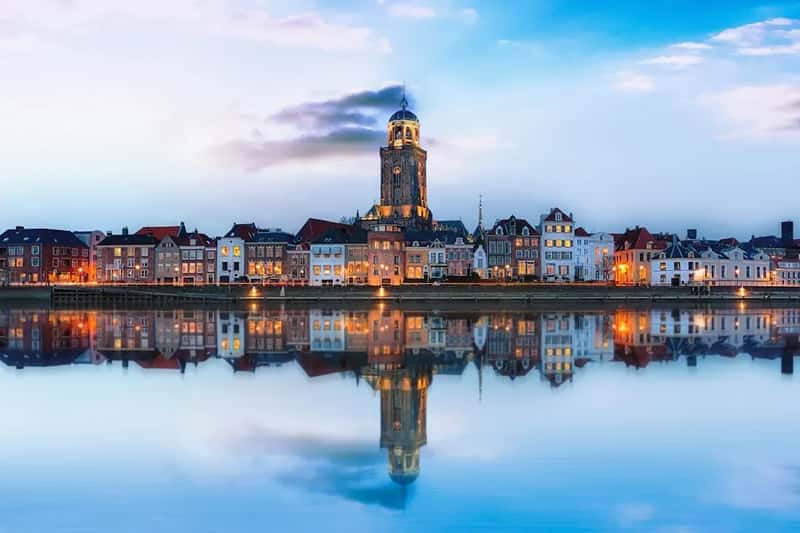
European countries have topped quality-of-life rankings in both 2015 and 2025, reflecting the region’s strong social welfare systems, safety, and infrastructure – and the Netherlands stands out especially, climbing 12 places since 2015. That kind of upward momentum is rare. It tells you something is genuinely improving, not just being propped up by legacy statistics.
Basic services in the Netherlands are exceptional – the country provides universal healthcare that is both high-quality and accessible, while public services such as education, waste management, and water supply are well-managed and operate seamlessly, contributing to a comfortable and secure living environment. The Netherlands shows up again and again in global rankings thanks to its strong healthcare, safe communities, and high standard of living.
3. Denmark: The Art of Being Content
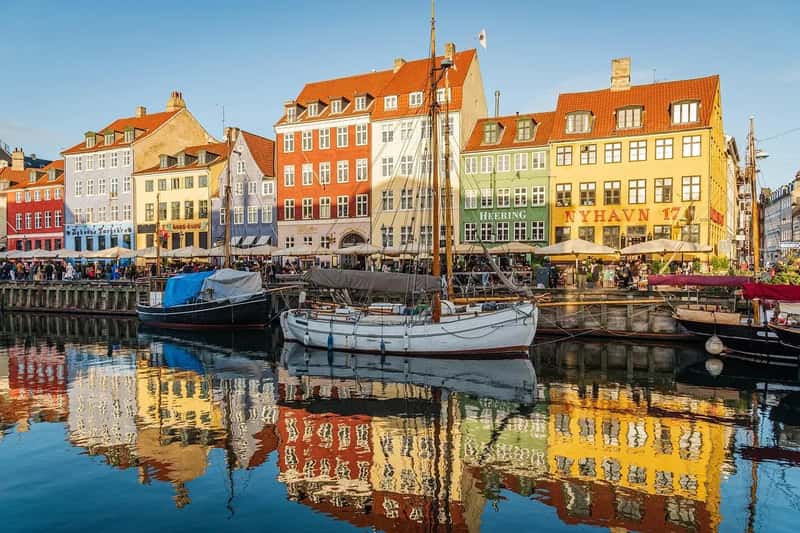
Denmark is ranked among the best countries to live in, thanks to its high quality of life, excellent healthcare, and strong focus on work-life balance. That concept of balance is not just a marketing phrase here – it’s genuinely baked into the culture. The Danes have a word for it: hygge. It roughly means cozy contentment, and apparently, they’ve built an entire society around it.
The Danes have long been associated with a harmonious personal-professional divide, with Denmark’s strong emphasis on balancing work and life cited as a key reason it consistently ranks among the world’s happiest nations – the country is synonymous with a high quality of life, second only to Finland for public happiness levels. In terms of security, Denmark ranks second in the Global Peace Index, owing to its low crime rates, political stability, and strict gun control laws.
4. Switzerland: Precision Living

Switzerland is almost an unfair entry on this list. It’s like comparing a luxury watch to a wall clock. According to the 2024 Human Progress Index report by CEOWORLD Magazine, Switzerland is the world’s best country for quality of life. That’s a ranking that draws from a wide basket of metrics including education, political stability, life expectancy, and per capita income.
Switzerland leads recent UN HDI tables and combines very high purchasing-power income with long life expectancy, while also recording low homicide rates by global standards, reinforcing a strong sense of perceived safety. High average incomes and transparent taxation contribute to safety and stability, making Switzerland one of the world’s most stable democracies. It’s hard to argue with the numbers – and the scenery doesn’t exactly hurt either.
5. Finland: Officially the Happiest Place on Earth
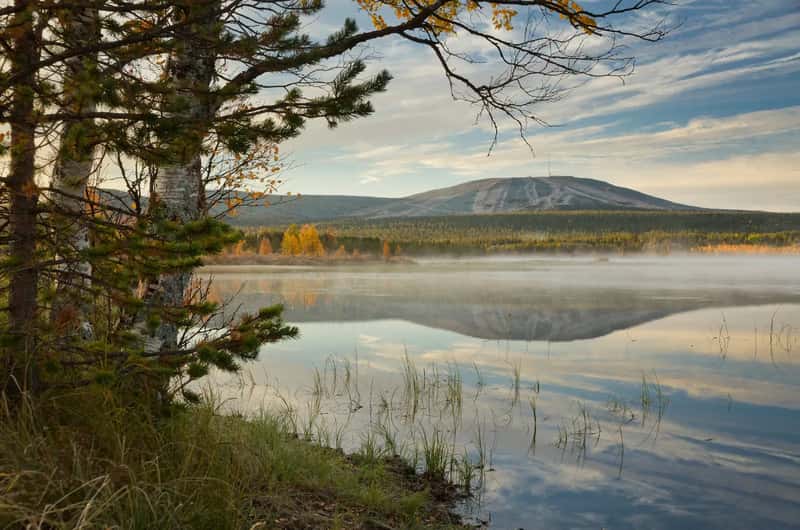
If you’ve followed global wellbeing news at all in recent years, this one won’t surprise you. As of March 2025, Finland has been ranked the happiest country in the world for eight years in a row. Eight consecutive years. That is not luck. That is a system working exactly the way it should.
Finland’s top happiness ranking is often attributed to factors such as high societal trust, freedom, and a closeness to nature – with the country also benefiting from a generous statutory annual leave policy, a high rate of sick pay, and a relatively short average working week. Finland’s students continue to perform well by OECD standards, and life expectancy is comparatively high, with its HDI placing it firmly among the world’s most advanced human-development nations.
6. Norway: Welfare at Its Most Generous
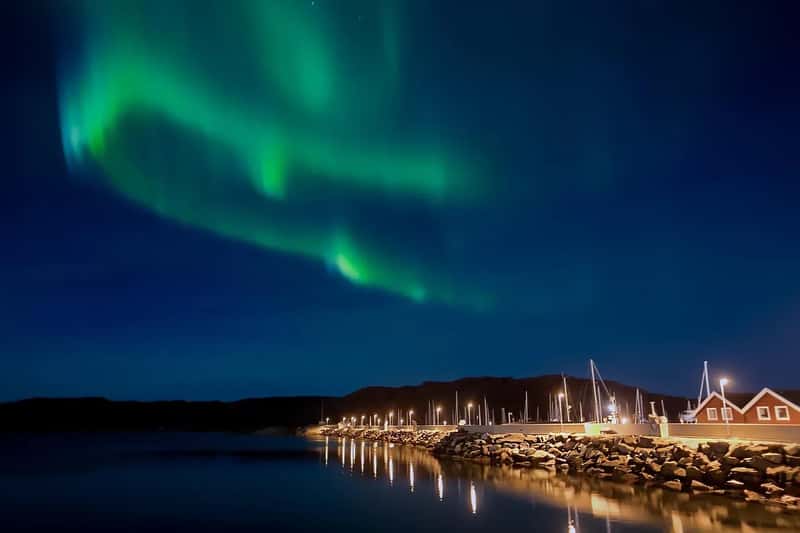
Norway sometimes gets overshadowed by its flashier Scandinavian neighbors, but the data tells a more impressive story. Beyond its breathtaking landscapes, Norway has a welfare model that guarantees education, healthcare, and security for its population, making it one of the best countries economically, thanks to its financial stability, high salaries, and strong political foundation.
At 32.6 hours, Norway has one of the shortest work weeks in Europe on average, and its work culture steers strongly towards equality and cooperation. Norway also ranks among the top countries in the Human Development Index as one of the nations with the highest life expectancy. Short hours, long lives, strong safety nets – let’s be real, that’s the dream for most people.
7. Iceland: Safe, Small, and Surprisingly Powerful
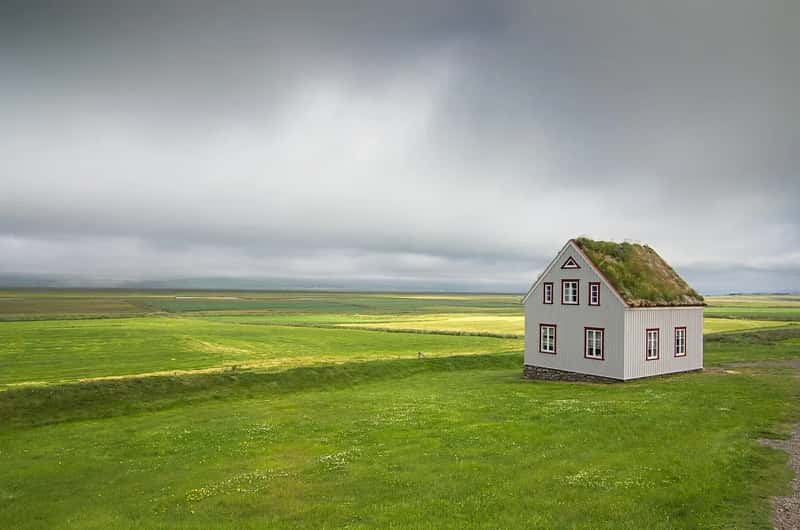
Although Iceland has a small population, it offers natural beauty, safety, and an excellent quality of life – with its economy driven by renewable energy and tourism, providing stability and strong job opportunities. It’s hard to imagine a more reassuring combination than geothermal-powered electricity, low crime, and fresh Arctic air.
Iceland is a small yet socially advanced nation with free healthcare and education, low crime, and robust social safety nets. In 2024, Iceland topped the list of the most peaceful nations worldwide, making it an ideal destination for those seeking a safe and tranquil environment while still maintaining access to top-tier services. For a country with fewer than 400,000 residents, its global impact on wellbeing discussions is enormous.
8. Australia: The Good Life Down Under

Australia has always enjoyed a reputation for outdoor living, relaxed culture, and opportunity. The data backs it up. In 2025, the best countries for quality of life combine high incomes, safety, strong healthcare and education, and stable governance – and Australia consistently features among the top performers according to major international rankings.
Australia combines long life expectancy with relatively clean air by global standards and strong purchasing-power incomes, and is one of the few countries meeting WHO PM2.5 air quality guidelines – a marker tied to reduced cardiopulmonary risk. Walking through Australian cities, you’ll notice green spaces, safety, and strong infrastructure – all supporting a stable economy and high-quality public services.
9. Sweden: Where Equality Is the Foundation
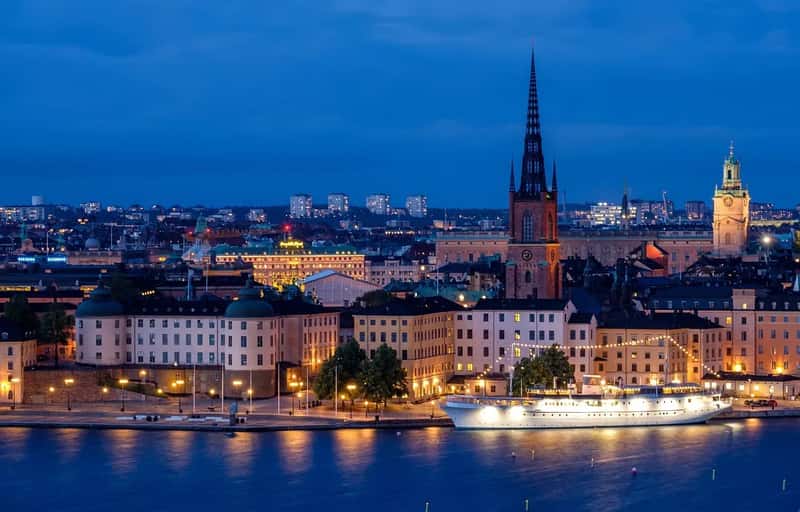
Sweden rounds out this list with quiet confidence. It doesn’t always scream for attention, but it consistently delivers. Sweden’s eco-friendly approach and social welfare policies make it stand out in the Human Development Index and sustainability rankings, and the country is also known for its generosity and welcoming of a large international community.
Sweden offers accessible, high-quality education and healthcare, a balanced work-life culture, and a deeply ingrained respect for equality and personal space. Sweden is also frequently cited as one of the best countries for families with children, offering strong family support, developed infrastructure, and a stable social system. I think there’s something quietly remarkable about a country that treats equality not as an aspiration but as a baseline expectation.
What These Countries Have in Common

Look at this list long enough and a clear pattern emerges. Safety, healthcare, economic factors including affordability, and education are the factors most commonly used across major assessments including Numbeo, U.S. News, and the United Nations. These aren’t accidental achievements – they’re the result of deliberate investment in people over generations.
Norway, Denmark, Finland, Switzerland, and the Netherlands consistently rank in the top 10 for quality of life or standard of living according to the most recent data from all three of the world’s major measurement institutions. What emerges from the data is that these countries share certain traits: they invest in people, not just infrastructure, they offer security – financial, social, and personal – and they have public services that actually work, allowing people to truly live rather than merely survive.
The question worth sitting with is this: what would it take for your own country to make that list? And more personally – is one of these nine places your next chapter?