Paying a power bill that barely registers might sound like fiction to anyone living in Western Europe, where utility costs have climbed sharply in recent years. Yet in a handful of countries scattered across Africa, Central Asia, and the Middle East, households pay only a few cents for the same kilowatt-hour that costs forty cents or more elsewhere. The reasons vary widely, from state subsidies to abundant hydropower, and the story behind each country’s low price is rarely as simple as it first appears.
1. Iran
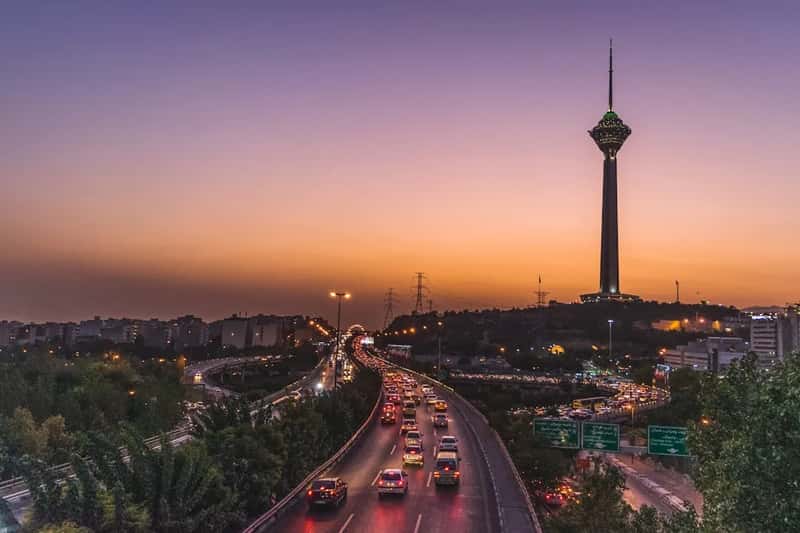
Iran sits at the very bottom of global electricity price rankings, and by a wide margin. Iran records the lowest average residential electricity price globally at just $0.003 per kWh. That figure is not a rounding error either; Bermuda’s average residential electricity price of $0.466 per kWh is more than 155 times higher than Iran’s average of $0.003.
The country’s vast oil and natural gas reserves make this level of subsidy possible, at least in the short term. Thanks to their great crude oil and natural gas production output, countries like Iran, Qatar, and Russia enjoy some of the cheapest electricity prices in the world, where the average household pays less than 0.1 U.S. dollars per kilowatt-hour. Whether this pricing model is sustainable amid sanctions and fiscal pressure is a separate question, but for now, Iranian households continue to see some of the smallest power bills on the planet.
2. Libya

Libya’s oil wealth translates directly into rock-bottom electricity costs for its citizens. Libya, with an average cost of just USD 0.007 per kWh, stands as one of the world’s cheapest markets. That price barely moves the needle on a typical household budget, even for families running air conditioning through the country’s long, hot summers.
The mechanism behind this is fairly straightforward. Libya’s energy prices are heavily state-subsidized, and the country’s abundant oil reserves and growing renewable energy sector contribute to its energy self-sufficiency, allowing it to offer electricity at incredibly low rates. Political instability has complicated infrastructure investment for years, but the subsidy system itself has largely held.
3. Ethiopia
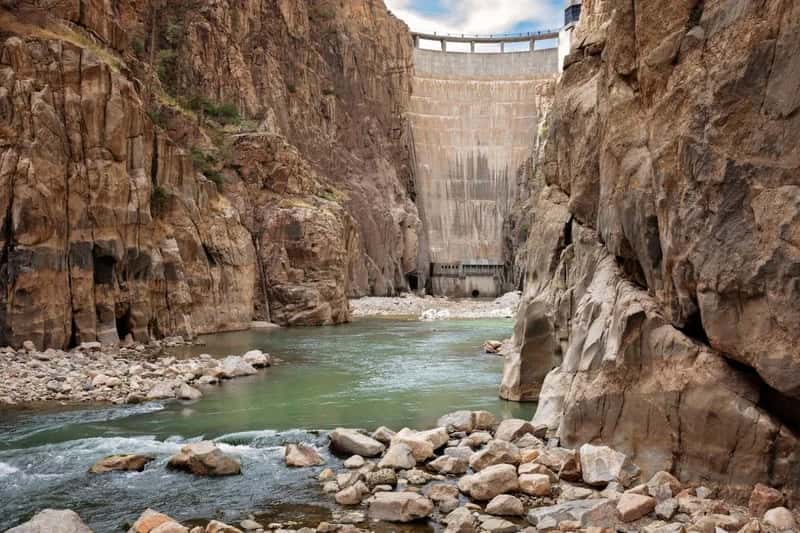
Ethiopia offers one of the more interesting cases on this list because its cheap electricity is tied to a genuinely massive infrastructure achievement. Ethiopia has the second-cheapest electricity in the world, at $0.006 per kWh, and the Ethiopian government subsidises electricity costs in an effort to make electricity more accessible to the wider population. The centerpiece of this story is a dam that took over a decade to complete.
The Grand Ethiopian Renaissance Dam, which was inaugurated in September 2025 and completed in February 2026, has an installed capacity of 5,150 MW, making it the largest hydroelectric power plant in Africa and effectively doubling Ethiopia’s generation capacity overnight. With around 90% of Ethiopia’s electricity coming from hydropower, the country has built its low prices on a genuinely renewable foundation rather than fossil fuel subsidies alone.
4. Kyrgyzstan

Tucked into the mountains of Central Asia, Kyrgyzstan keeps its electricity bills low largely thanks to geography. Kyrgyzstan has the third-cheapest electricity in the world at $0.014 per kWh, and the Central Asian nation generates approximately 90% of its electricity from hydropower, thanks to its extensive network of mountain rivers. That natural advantage, combined with heavy state involvement in pricing, keeps consumer costs artificially low.
The system is not without strain, though. The government controls electricity pricing and heavily subsidises household tariffs, keeping consumer prices well below the actual cost of generation, estimated at around $0.018 per kWh in 2026, rising by $0.004 in 2027. Winter months bring added complications, since Kyrgyzstan regularly imports electricity during winter, when river flows drop and hydropower output falls, relying on neighbours including Kazakhstan, Turkmenistan, and Russia to cover the shortfall. A new hydropower project on the Naryn River is meant to eventually close that seasonal gap.
5. Sudan

Sudan appears consistently near the top of every low-price ranking, driven by government control over the energy sector rather than any single abundant resource. Sudan, Iraq, and Cuba are all joint-fourth in the global rankings at $0.015 per kWh, each maintaining low prices through state-controlled energy sectors and domestic resources, though a low headline price tells only part of the story for all three. That caveat matters, because subsidized pricing often coexists with unreliable supply.
Broader data confirms Sudan’s place among the cheapest markets globally. Middle Eastern and African countries had the cheapest electricity prices worldwide in June 2025, with Sudan, Cuba, and Angola also having some of the lowest electricity prices worldwide that month. The low sticker price reflects political and economic decisions as much as it does resource wealth.
6. Iraq
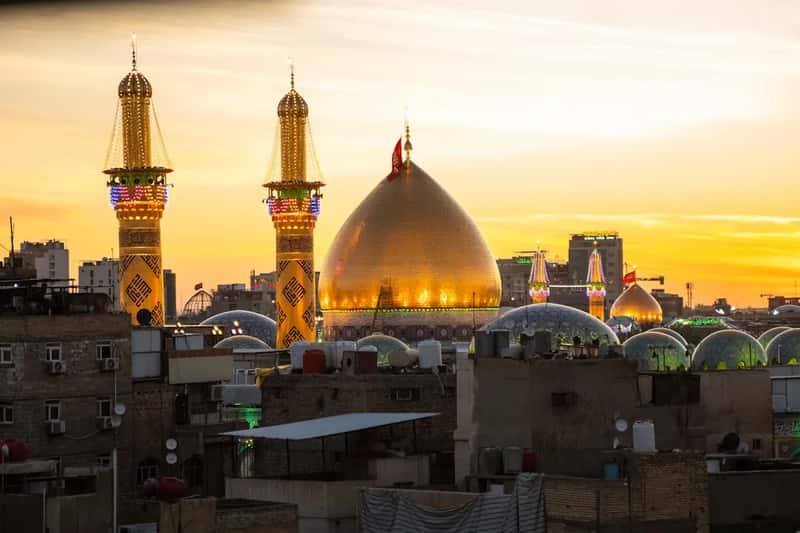
Iraq’s electricity pricing follows a similar pattern to its regional neighbors, propped up by oil revenue and a state-run distribution system. As noted above, Iraq shares joint-fourth place in the global rankings at $0.015 per kWh, maintaining low prices through a state-controlled energy sector and domestic resources. This puts household bills at a fraction of what consumers pay across Europe or North America.
Oil-producing nations in general tend to dominate the cheap end of the spectrum for a simple reason. Well-known oil producers like Venezuela, Iran, Iraq, Kuwait, and Qatar benefit from great crude oil reserves and the status of energy exporters, giving them massive economies of scale. Iraq’s grid still faces reliability challenges, particularly during peak summer demand, but the price itself remains among the lowest anywhere.
7. Cuba
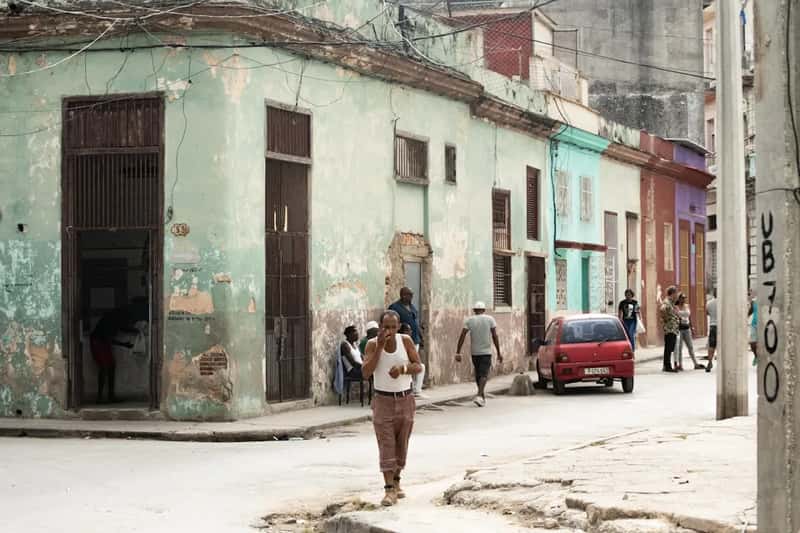
Cuba rounds out the joint-fourth tier of the global rankings, another example of a centrally planned economy keeping consumer prices artificially compressed. Cuba sits at $0.015 per kWh, maintaining low prices through a state-controlled energy sector and domestic resources. The island’s isolated economic position and long-standing subsidy structure both play a role here.
Cuba’s inclusion among the cheapest electricity markets has been consistent across multiple recent datasets. Middle Eastern and African countries had the cheapest electricity prices worldwide in June 2025, and Sudan, Cuba, and Angola also had some of the lowest electricity prices worldwide that month. As with Sudan and Iraq, the low headline number does not necessarily reflect grid stability, which has been a recurring concern on the island in recent years.
8. Bhutan
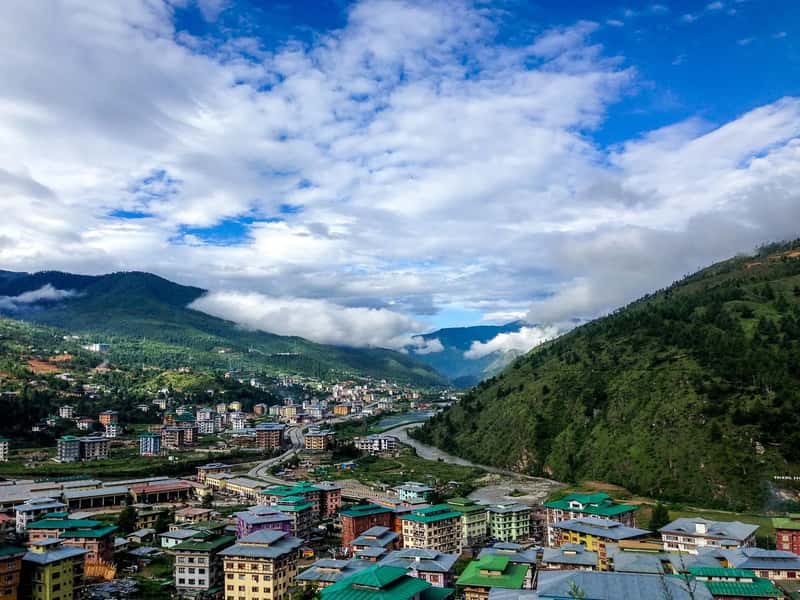
Bhutan’s cheap electricity comes almost entirely from its mountain rivers rather than any subsidy scheme built on fossil fuels. Bhutan has the joint-fourth cheapest electricity in the world at $0.015 per kWh, with the small Himalayan kingdom generating 100% of its electricity from hydropower, fed by fast-flowing glacial rivers descending from the eastern Himalayas. Recent pricing data backs this up closely, with residential rates hovering around a similar level.
The residential electricity price in Bhutan is INR 1.280 per kWh or USD 0.014, while the electricity price for businesses is INR 1.630 kWh or USD 0.018. The country’s energy mix leaves little ambiguity about the source of these low prices, since based on United States Energy Information Administration data, electricity in Bhutan is produced entirely from hydro at 100.00%. Bhutan also exports a share of its hydropower to India, turning its rivers into both a domestic utility and an export commodity.
9. Kuwait
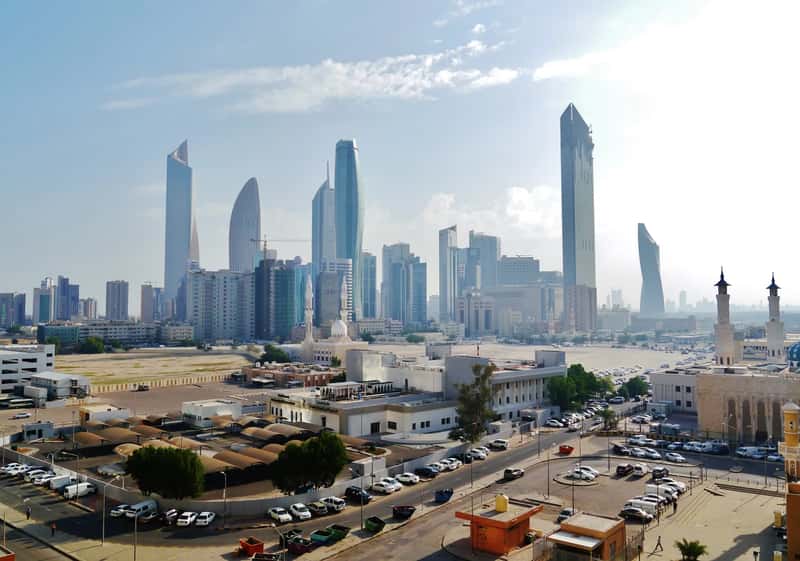
Kuwait offers perhaps the most striking example of how long a subsidy can persist once it becomes politically embedded. Since 1966, the state has distributed electricity to citizens for 0.7 U.S. cents per kilowatt-hour, a tariff that is the world’s sixth lowest and covers only 5% of the government’s cost, despite huge increases in wealth, electricity demand, and capital investment requirements. Few countries anywhere have held a fixed low price for electricity across six decades of economic change.
The financial strain of maintaining this arrangement has not gone unnoticed among policy researchers. Kuwait’s electricity subsidy, largely unchanged since 1966, is one of the lowest in the world, covering just 5% of the government’s cost, which has created significant financial pressure and contributed to rising fossil fuel emissions. More recent retail data puts residential rates slightly higher but still remarkably low by global standards, with businesses paying somewhat more than households under the country’s tiered system.
Taken together, these nine countries show that cheap electricity almost never happens by accident. It is usually the product of deliberate government policy, whether that means tapping into oil wealth, damming a river, or simply refusing to raise a tariff set decades ago. Some of these arrangements look stable for the foreseeable future, while others, particularly in places facing fiscal strain or unreliable grids, may not hold at current prices for much longer.