Most of us have been there. You’re standing at the airport check-in counter, sweating, rearranging socks and forgotten chargers between bags, silently bargaining with the universe to get your suitcase under the weight limit. It’s a uniquely humbling experience. Packing is one of those things that feels simple until it completely isn’t.
Here’s the thing though. The gap between a first-time traveler and a seasoned road warrior isn’t really about destinations or passport stamps. It’s about what’s NOT in their bag. The travel landscape has shifted dramatically, and minimalist travel is no longer a niche concept for backpackers or digital nomads. It’s a global movement that’s changing the way people pack, plan, and stay.
So what exactly are the veterans quietly removing from their luggage? Let’s dive in.
1. Full-Size Toiletries
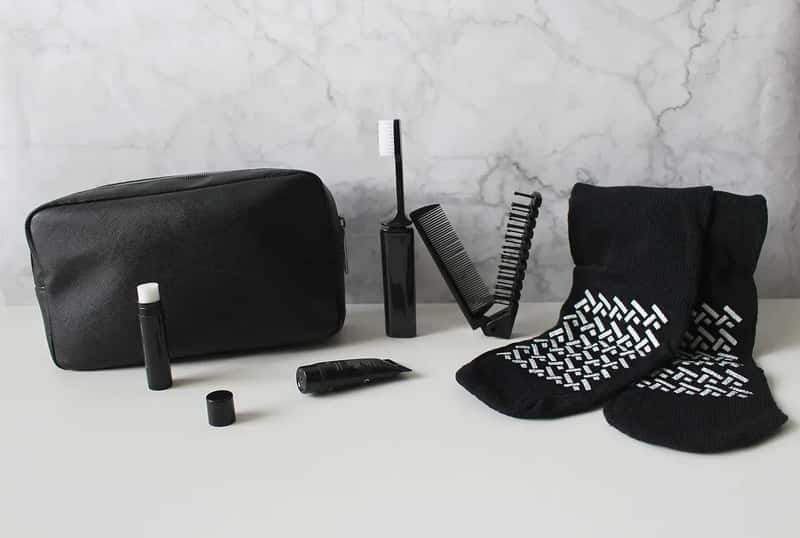
Here’s a surprising truth that veteran travelers figured out years ago: almost every single bathroom product you own is available for purchase at your destination. Shampoo and toothpaste are available worldwide. Weighing your bags down with the entire contents of your bathroom when you can pick up most things you’ll need at a local supermarket for probably much less makes zero sense.
Beyond what you can buy locally, smart travelers have moved to solid alternatives. Toiletry kits are tiny now. Travelers use solid shampoo bars and multi-purpose products like moisturizer with SPF or two-in-one shampoo and conditioner. This saves space and avoids liquid limits at security. A shampoo bar lasts weeks, weighs almost nothing, and won’t leak all over your clothes.
The 100ml liquid rule at airport security is both exhausting and expensive to comply with if you’re clinging to your favorite brand-name conditioner. The pros have simply let it go. Honestly, once you try solid toiletries on a trip, it’s hard to go back to juggling leaking bottles in a zip-lock bag.
2. Multiple Pairs of Shoes
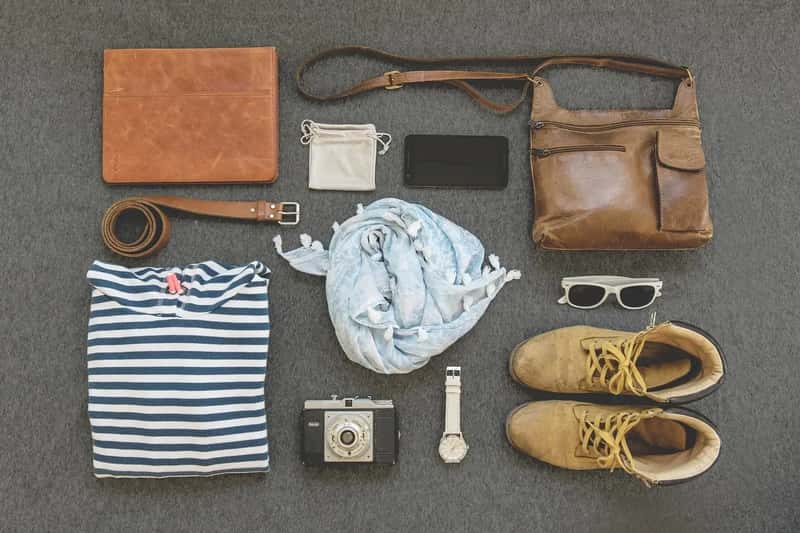
Shoes are, without any doubt, the biggest space and weight culprit in most people’s bags. Many travelers pack running shoes, dress shoes, sandals, and even hiking boots for a weekend city trip. Experienced travelers stopped doing this years ago. Think about it like building a capsule wardrobe for your feet. One versatile pair does the job ninety percent of the time.
Travel shoes should be a minimalist travel challenge: well before your trip, look for a comfortable pair of shoes that are versatile enough for both walking tours and dinners out. Wear these on travel days, and if necessary, add a pair of flip flops or similar to your pack.
Most of the time, you just need regular clothes and a great pair of shoes or two. Not three or four or five pairs of great shoes, just one or two. It sounds almost too simple. Yet the number of travelers cramming a fourth pair of shoes into an already bulging suitcase remains genuinely staggering.
3. A Hair Dryer
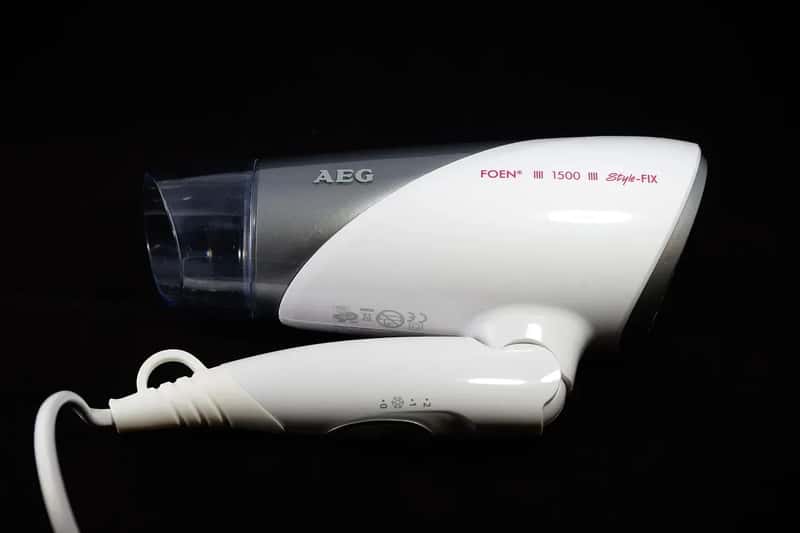
Something that experienced travelers definitely do not bring anymore is a hair dryer. They’re big, bulky, cumbersome, and they weigh a lot. It’s one of those items that feels essential when you’re packing at home but becomes completely irrelevant the moment you arrive at your hotel room and open the bathroom cabinet.
Most rentals and hotels have hair dryers, just like they have soaps and shampoos. Plus, in most countries where you have to change the voltage, you’re going to blow up your hair dryer anyway, so it’s not even worth bringing it. That last point is genuinely important. Voltage differences across Europe and Asia mean that your home dryer can literally fry itself or trip a hotel circuit breaker if you’re not careful.
I think people hold onto the hair dryer habit out of pure comfort and routine rather than actual need. It’s one of those sacred bathroom items that feels inseparable from normalcy. But once you leave it behind the first time and discover it’s already hanging on the wall at your accommodation, that habit evaporates pretty quickly.
4. Heavy Physical Books and Paper Guidebooks

There was a time when every traveler carried a thick, dog-eared guidebook and a paperback novel or three. Those days are genuinely over. Modern travelers carry physical items that have digital equivalents requiring zero luggage space. E-readers replace libraries. Travelers who pack two or three physical books for long trips carry one to three pounds of reading material that an e-reader holds thousands of titles in just 200 grams. For voracious readers who finish books quickly, e-readers eliminate entirely a category of heavy items.
Guidebooks are a particularly dated concept in 2026. Every restaurant recommendation, museum opening hour, and hidden neighborhood gem is now accessible through your phone in real time, updated daily. A printed guidebook, by contrast, is outdated the moment it leaves the printing press. Travel is about broadening the mind, so taking a load of books with you not only weighs you down but means you end up reading what you would have read at home anyway. Instead, take one book and swap it when you finish. Many hotels and guesthouses now have book swap shelves where you can leave your old book and pick up a new one for free.
5. “Just in Case” Outfit Extras
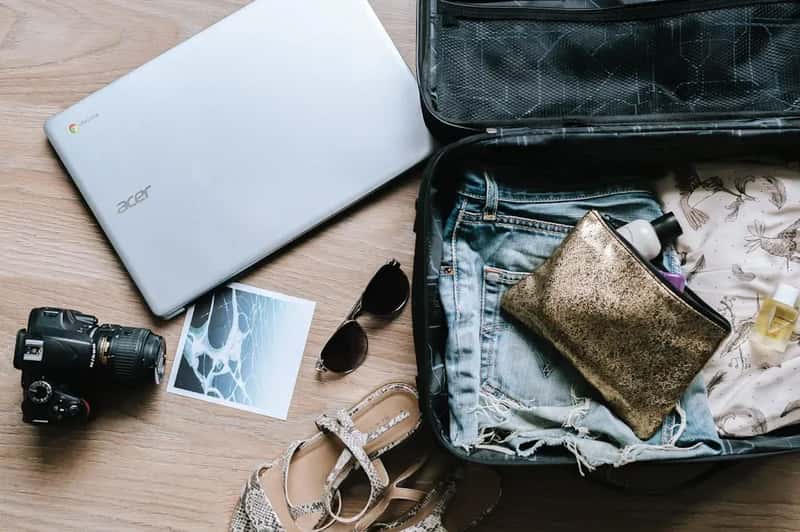
This one is a psychological trap as much as a packing problem. Overpacking stems primarily from anxiety management rather than practical planning. Travelers pack imaginary scenarios rather than actual itineraries. “What if there’s a formal dinner?” justifies packing dress shoes never worn. “What if it gets cold?” justifies a heavy jacket for a Mediterranean summer. “What if I feel like running?” justifies running shoes for a city trip with zero planned exercise. Each individual what-if seems reasonable. Collectively they create huge bags filled with contingency items while practical daily necessities get insufficient space.
Experienced travelers who audit what they actually used versus packed consistently find roughly thirty to forty percent of items were never touched. Rather than concluding they were lucky nothing required those items, smart travelers conclude those items weren’t needed and remove them permanently from future packing lists.
The data here is genuinely humbling. Nearly three quarters of people have overpacked for a trip, and roughly four in ten say they have come home with clothes they didn’t even wear. That’s a lot of dead weight dragged through airports, cobblestone streets, and cramped train corridors for absolutely nothing.
6. A Full-Size Travel Towel
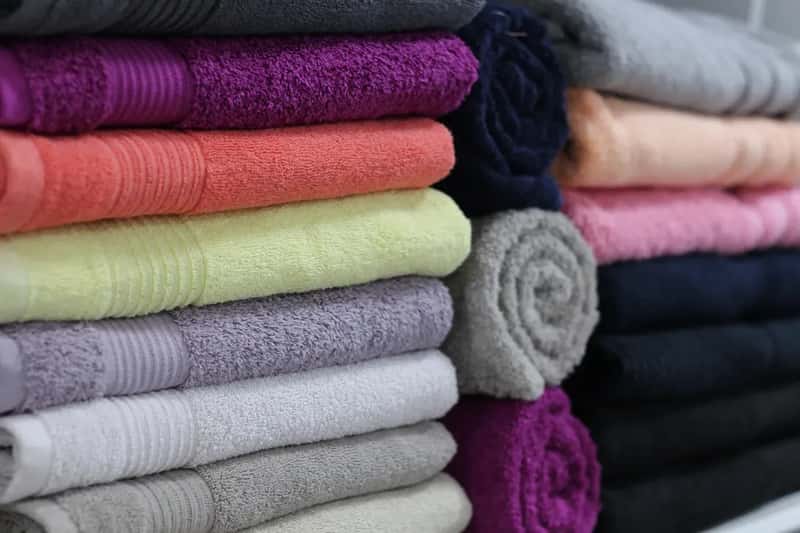
The giant fluffy beach towel from home is something experienced travelers abandoned a long time ago. If you are staying in a vaguely decent establishment, they will provide towels. Even if you are planning to spend your time wild camping, a huge fluffy towel will never dry and just make everything smell of mildew. Pack a super-light travel towel if you really must, or head to the nearest beach to pick one up for minimal cost.
Standard hotel rooms worldwide provide towels as a baseline expectation. Even budget hostels and guesthouses have come a long way. If you’re heading to a beach destination specifically, a lightweight microfiber travel towel takes up roughly the same space as a paperback novel and dries in under an hour. Compare that to a standard bath towel that takes up a quarter of your suitcase and remains damp for the better part of a day.
7. Specialist “What If” Gear
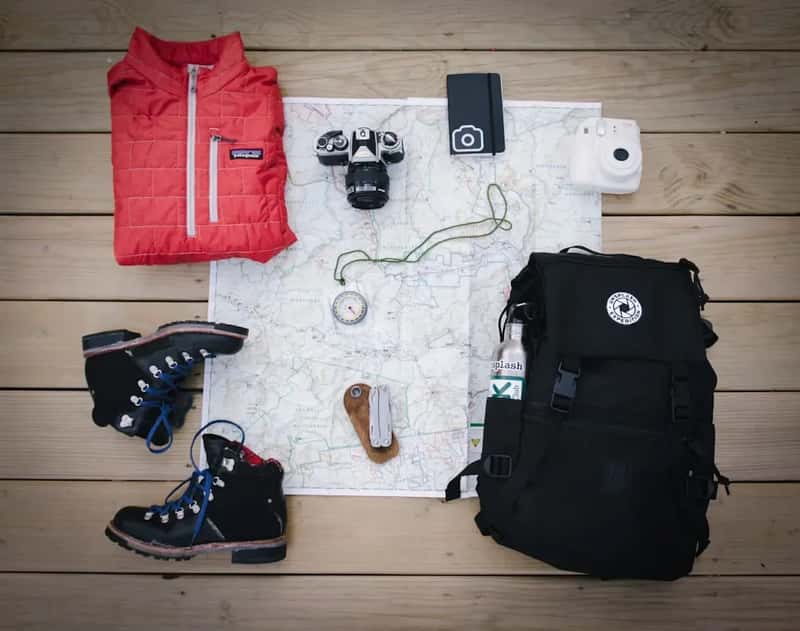
Hiking boots for a city trip. Formal wear for a casual holiday. A full rain suit for a destination that sees maybe two overcast days a year. Experienced travelers no longer take rugged gear with them. You may want to wear hiking gear when traveling, including big hiking shoes and convertible pants. But in reality, unless you’re going to hike the Appalachian Trail or the Camino to Santiago, you don’t need those items.
The formal outfit for a dinner that never happens is another classic. How often do you get invited out to a surprise fancy meal or party? Maybe you’re travelling abroad for a wedding, in which case absolutely pack your best outfit, but every other time save yourself the space and leave it at home. Fewer and fewer places have a dress code these days, so a smart top that you can pair with your everyday jeans will probably suffice most of the time.
Specialist gear is heavy, bulky, and serves one narrow purpose. It’s the exact opposite of what a seasoned traveler wants in their bag. Think about a Swiss army knife versus a single blade. For travel, the single blade wins almost every time.
8. Oversized Personal Item Bags
For years, the “personal item” slot on airplanes was treated as a bonus bag by savvy travelers who stuffed enormous totes and backpacks into the under-seat space. That era is closing fast. In 2026, airlines are closing that loophole. Airlines are getting stricter about carry-on bags, with tightening rules in 2025 and 2026 focusing on size and weight.
The financial stakes of overpacking bags have never been higher. In 2025, U.S. airlines earned over $7 billion in baggage revenue, a figure expected to rise again in 2026. These are not abstract numbers. As many as roughly one in five Americans have encountered the dreaded scenario of having to pay extra fees for overweight luggage while traveling by plane. Meanwhile, Southwest Airlines discontinued its two free checked bag policy starting in May 2025, now charging $35 for the first checked bag and $45 for the second.
Gate agents measure bags more consistently now using automated systems. Professional travelers sized down their personal items months ago. They’re using slim backpacks or small totes that clearly fit under the seat. The days of gaming the system with a stuffed carry-on the size of a small refrigerator are essentially numbered.
9. Too Much Cash

Carrying wads of foreign currency used to feel like a travel rite of passage. Stopping at the currency exchange, stuffing bills into a money belt, doing mental arithmetic at every market stall. Today’s experienced traveler has largely moved past this. Many travelers haven’t had cash in hand once across their last several trips to Europe. Apple Pay or, at worst, a chip-and-pin credit card has served them perfectly well.
Contactless payment infrastructure has expanded dramatically across Asia, Europe, and the Americas. The practical reality is that carrying large amounts of physical cash now creates more risk than it solves. Lost or stolen cash is gone forever. A blocked card can be replaced with a phone call. Most modern travel credit cards also waive foreign transaction fees entirely, making them genuinely the smarter tool.
It’s hard to say for sure that cash is completely dead as a travel necessity, because some rural areas and specific markets absolutely still require it. A sensible emergency fund in local currency makes sense. But the full wallet of mixed notes and coins that used to be standard travel kit? That’s firmly in the past for anyone who travels more than once or twice a year.
The Smarter Way to Pack
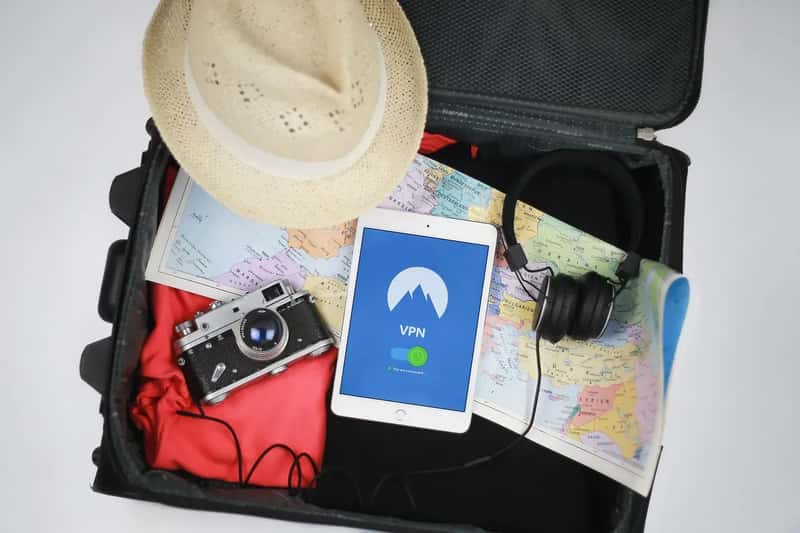
There’s a pattern running through all nine of these items. Each one made sense at some point, felt like common sense even, until enough trips proved it wasn’t necessary. Minimalist travel is all about getting rid of the stuff that doesn’t matter, either because it’s just taking up space or because it’s too heavy. With a minimalist travel packing list, you will be able to spend more time exploring the world and engaging with people instead of carrying around your possessions.
The experienced traveler’s real superpower isn’t knowing every airport lounge or finding hidden flight deals. It’s the hard-won ability to look at a bag, identify what’s unnecessary, and leave it behind without anxiety. Experienced travelers plan their outfits carefully, choosing versatile pieces that mix and match. They wear the bulkiest items during travel days. They pack what they’ll actually wear, not what they might possibly need in some hypothetical scenario.
The lightest bag you’ve ever traveled with might also be the best trip you’ve ever had. Less weight means more freedom, more mobility, and less money handed over to airline fee machines at the check-in counter. So next time you pack, try laying everything out, then putting roughly half of it back in the closet. You might be genuinely surprised by how little you miss. What’s one item you always pack and never actually use? That’s probably the one to cut first.