Every year, millions of travelers hand their bags to an airline and then spend the next few hours quietly hoping for the best. That is not a great feeling, especially when you consider what is actually inside those bags. The reality of modern air travel is that passes through a surprisingly complex chain of hands, conveyor belts, and tarmac conditions before it ever reaches the baggage carousel.
The good news is that you are far from powerless here. There are real, practical steps you can take today that genuinely reduce the risk of your bag being lost, stolen, or damaged. Some of them take less than two minutes to set up. Let’s dive in.
1. Understand the Real Scale of the Problem First
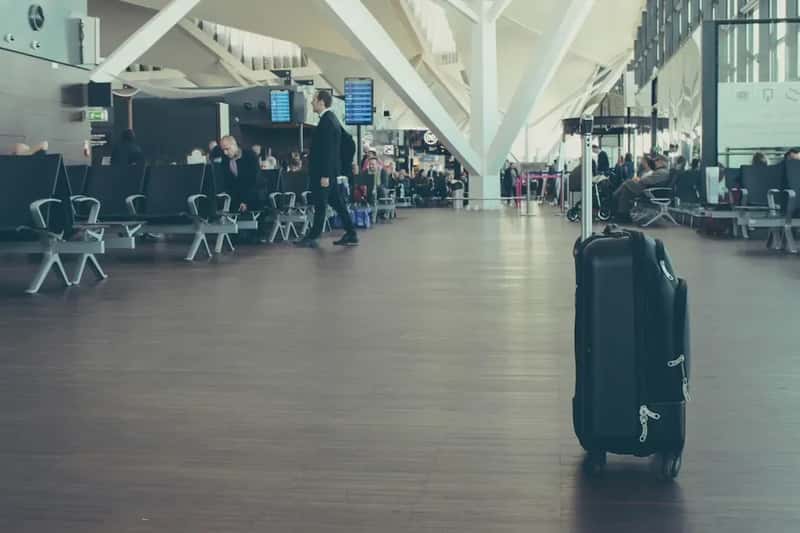
Before you can protect your luggage properly, it helps to understand just how big the problem actually is. According to SITA’s 2024 Baggage IT Insights report, the rate of mishandled baggage fell to 6.3 per 1,000 passengers in 2024, an 8.7% improvement from 2023. That sounds encouraging. Here’s the catch though.
What is also clear is that baggage delays and losses are hugely impacted by air travel growth. Passenger numbers are rising so fast that, even as the percentage of mishandled bags gets better, the total volume of mishandled bags gets worse. In real numbers, one in twenty mishandled bags is lost or stolen, which accounts for about 1.8 million bags.
The financial toll remains significant as baggage mishandling cost the industry an estimated US$5 billion in 2024. For individual passengers, on average, flyers lost $457 in value, and roughly half were not compensated by the airline. Knowing this should motivate you to take action before your next flight.
2. Use TSA-Approved Locks and Nothing Else
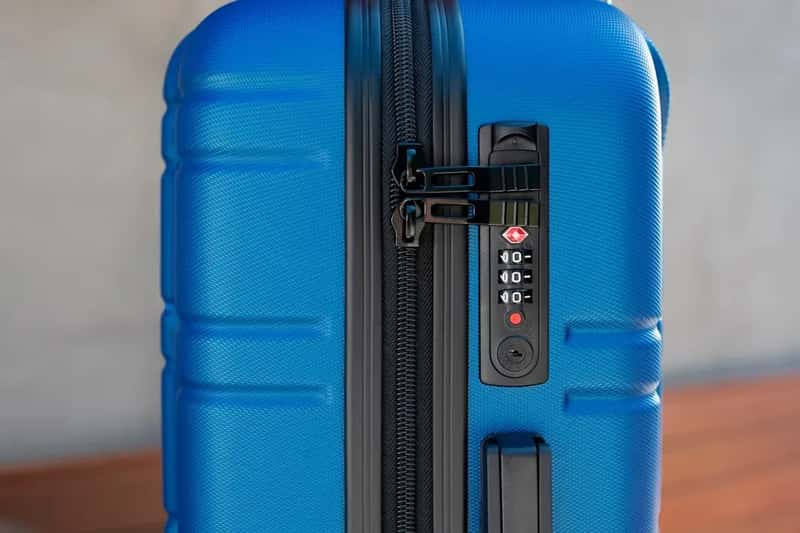
Let’s be real, a lot of travelers either skip locking their bags entirely or grab whatever lock is on sale at the gas station. Both of those choices are a mistake. The Transportation Security Administration now suggests you lock your checked baggage with TSA-accepted locks. The key difference here is the word “accepted.”
The TSA has worked with several companies to develop locks that can be opened by security officers using universal “master” keys so that the locks may not have to be cut. If you use a regular, non-approved lock, agents will cut it off entirely, leaving your bag wide open for the rest of its journey. Look for locks that have the Travel Sentry or Safe Skies logo, indicating TSA approval.
The greatest myth is that TSA-accepted locks are not secure. They are very effective against pickpockets. Think of them like a good fence around a garden. They do not stop someone truly determined, but they absolutely deter casual opportunists, which is who you are most likely dealing with at a busy airport.
3. Slip a Tracking Device Inside Your Bag
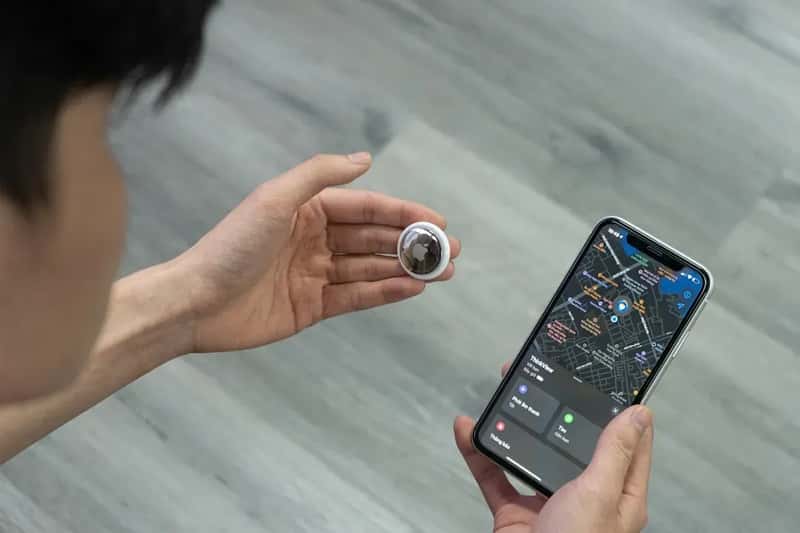
This is honestly one of the smartest things you can do as a traveler in 2026. In an era where lost luggage headlines are becoming more common, Apple’s AirTags have become a travel essential for peace of mind. These tiny Bluetooth tracking devices help travelers monitor the whereabouts of their checked bags in real time.
The TSA does not prohibit passengers from using Bluetooth tracking devices like AirTags in luggage. Since these gadgets are powered by small, non-rechargeable CR2032 lithium coin batteries, they fall well below the energy limits set by the FAA for safe air transport. One smart tip from experienced travelers: travel packing expert Anne McAlpin prefers to keep her trackers “discreetly out of sight” so they cannot be identified. She places two AirTags in each checked bag, one in the zippered lining of her suitcase and another within the contents of the bag.
One of the standout innovations in 2024 was the integration of Apple’s Share Item Location feature with SITA WorldTracer. Passengers can share the location of their Apple AirTag with airlines, allowing quicker baggage recovery. British Airways, Lufthansa, Qantas, Cathay, and Virgin Atlantic are among the adopters. That is a meaningful shift in how quickly lost bags can actually be found.
4. Tag Your Bag Properly, Inside and Out
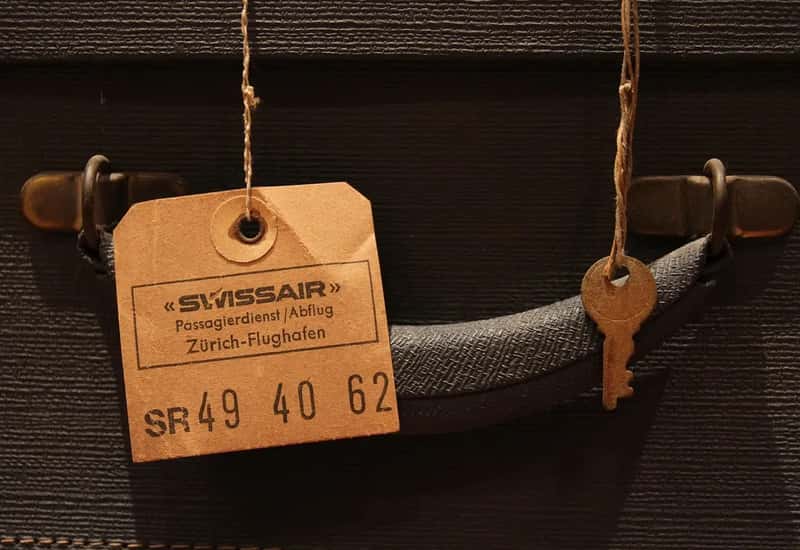
This one sounds almost too simple, and yet it remains one of the most overlooked pieces of luggage protection out there. The largest reason, by far, that suitcases go unclaimed is that they do not contain any identifying information on or inside them. Think about that for a second. The bag is found. Nobody knows whose it is. It sits in a warehouse.
Always attach a clear, readable luggage tag on the outside of your bag with your name, phone number, and email address. Then place another identification card inside the bag as a backup. If the external tag rips off during handling, which happens more often than you would guess, the internal card becomes your last line of defense.
Ensure your contact information is on the luggage tags for better chances of recovering lost bags. Some travelers also use smart ID tags that link to an online profile without displaying your home address publicly, which is a smarter approach for privacy-conscious flyers. The few minutes this takes is absolutely worth it.
5. Choose Hard-Shell Luggage for Better Physical Protection
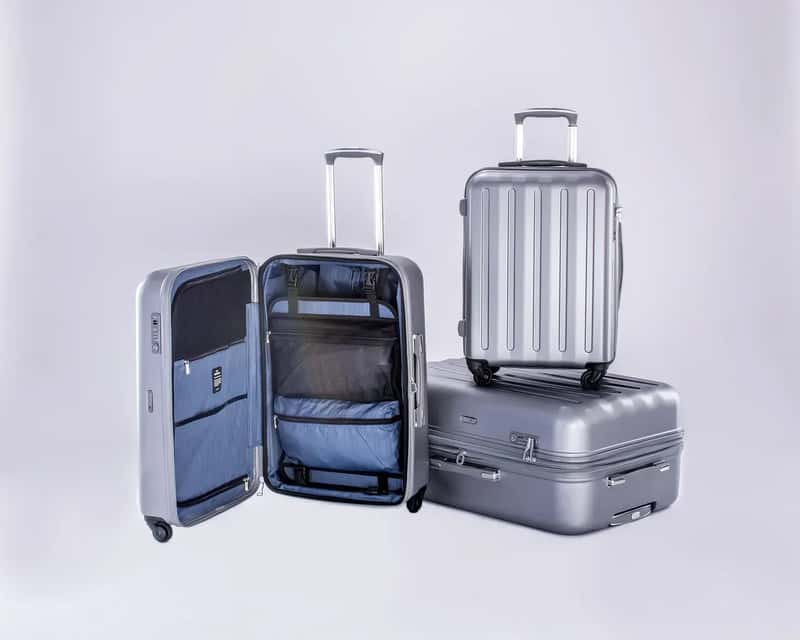
Here’s the thing most travelers do not think about until it is too late. The material your suitcase is made from matters enormously. Select hard-shell luggage made from durable materials. Hard-shell bags resist impact better than soft-sided bags, thus protecting your items from external damage. Picture your bag getting tossed onto a conveyor belt from three feet up, because that is essentially what happens.
Delayed bags remain the most common issue, accounting for roughly three quarters of all mishandled baggage. Lost or stolen bags made up about eight percent, while damaged or pilfered bags increased to eighteen percent, up from fifteen percent in 2023. That rise in damage rates makes the case for hard-shell bags even stronger going into 2026.
Beyond the shell material, look for suitcases with reinforced corners, quality spinner wheels, and integrated locking systems. Some suitcases come with integrated locking mechanisms, adding another layer of protection. These features may discourage thieves who prefer softer targets. It is worth spending a little more upfront to save yourself a lot of stress later on the road.
6. Never Pack Valuables in Your Checked Bag

I know this seems obvious but the number of people who still check their electronics, jewelry, and important documents is staggering. Avoid putting valuable items, like electronics, jewelry, or important documents, in checked luggage. Instead, keep these items in your carry-on bag, where you can keep an eye on them. This is not just common sense. It is also about knowing your legal rights.
Airlines will not provide reimbursement if your suitcase arrives on time but had items removed from it. So if someone goes through your bag and pockets your camera, you are essentially on your own as far as the airline is concerned. That is a painful lesson to learn after the fact. Distribute risk across bags wherever possible.
Distributing your belongings throughout your luggage means that if one bag is lost or stolen, you will not lose everything. Using clothes or other less valuable items to cushion and hide valuables can also deter thieves. This strategy works like spreading your eggs across different baskets. Simple, effective, and completely free to do.
7. Know the Risks of Connecting Flights
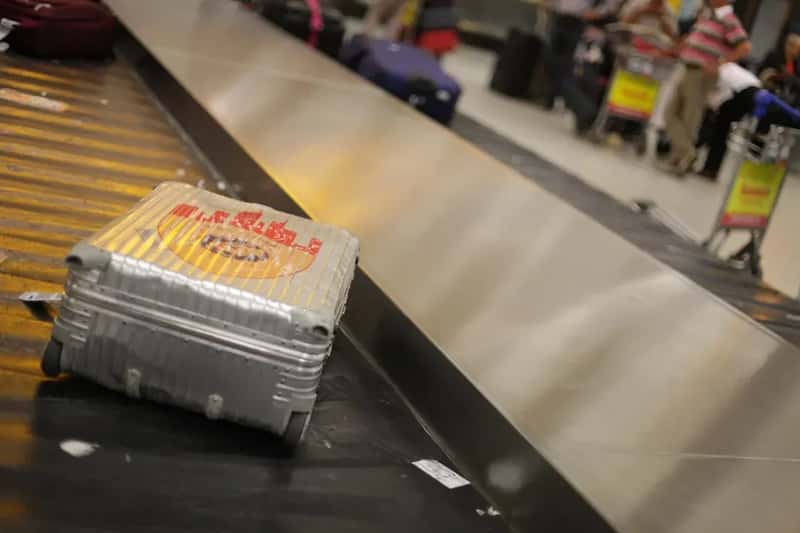
If you have ever had a bag go missing, there is a good chance a connection was involved. Transfer mishandling was the biggest contributor to baggage mishandling at roughly forty-one percent, showing improvement from forty-six percent the previous year. That is a massive chunk. Every time your bag moves from one aircraft to another, the chance of something going wrong increases significantly.
International flights are five times more likely to lose luggage than domestic flights. So combining an international trip with multiple connections is essentially stacking risk on risk. If you have flexibility in how you book your travel, choosing a direct or non-stop route dramatically reduces the odds of a baggage problem. It is one of those things that feels invisible until it goes wrong.
When connections are unavoidable, give yourself as much layover time as possible. Tight connections are a major reason bags miss flights, since ground crews simply do not have enough time to transfer bags between gates. A forty-five-minute connection might get you to your next flight in time. Your bag might not be so lucky.
8. Consider Luggage Wrapping for Extra Security
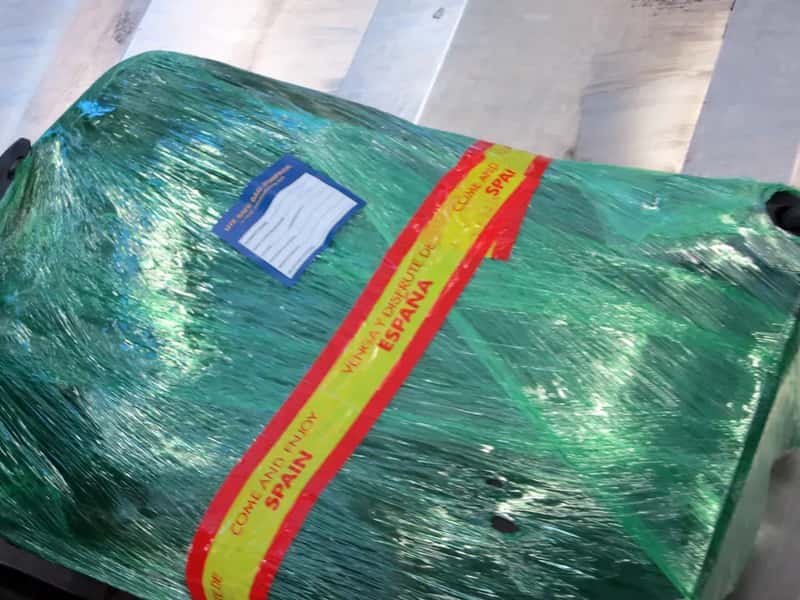
You have probably seen those wrapping stations at international airports and wondered whether they are actually worth it. Honestly, I think they are more useful than they look. Secure Wrap and other companies at various international airports will tightly encase your luggage in a cling-wrap type of plastic, starting around $15 for a standard-sized suitcase. The wrapping will reduce the chances of damage and pilfering.
The plastic film creates a visible barrier that makes it immediately obvious if anyone has tampered with your bag. It also protects external zippers and pockets from being opened during transit. Think of it as a tamper-evident seal for your suitcase. If you are flying through a high-risk route or carrying things that would be devastating to lose, it is a small price for meaningful peace of mind.
Some wrapping services also add an extra layer of protection against conveyor belt damage, broken handles, or exploding zipper pockets, all of which are real hazards in a busy baggage handling environment. Just check whether the wrapping will be removed or replaced if TSA needs to inspect your bag. If the TSA removes the wrapping to look inside, not all companies will rewrap the bag. Confirm that policy before you hand over your suitcase.
9. Get Travel Insurance That Actually Covers Your Bags
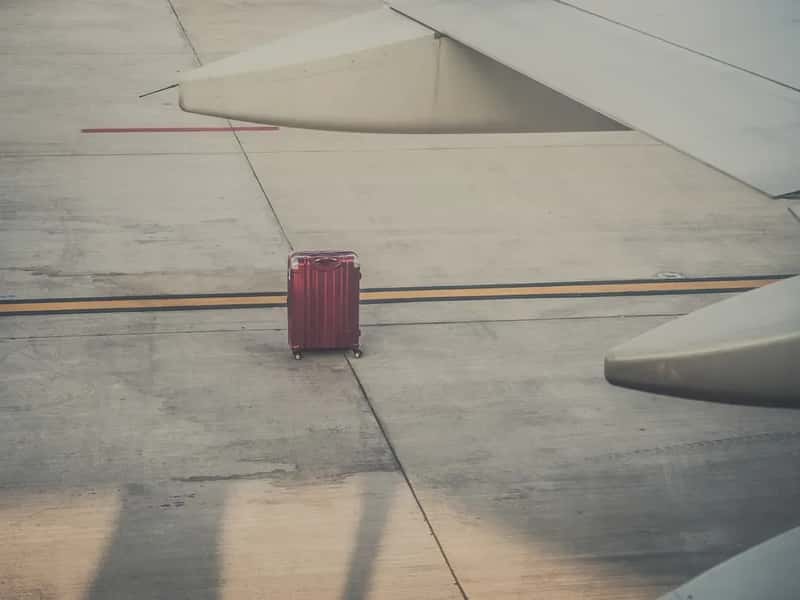
Here is where a lot of travelers think they are covered but actually are not. Airline liability has limits that might shock you. There are limits to how much airlines are required to reimburse you for lost or damaged luggage, a maximum of $3,800 on most domestic flights and $1,700 on most international flights, according to the Department of Transportation. That ceiling can vanish fast when you add up what is actually inside your bag.
Luggage mishaps happen more often than travelers expect. More than 36 million bags were mishandled in 2024, meaning that delayed, damaged, and lost luggage is still a very real part of modern travel. While airlines provide limited compensation, travel insurance is what fills the gaps. It covers essentials during a delay, helps replace what is permanently lost, and generally gives you options the airline simply does not offer.
Report your missing or delayed luggage immediately before leaving the airport. File an official report and get a copy of the file reference numbers. Keep your baggage claim stubs as proof of checked bags, along with any receipts for travel essentials you purchased due to the delay. Documentation is everything when you are filing a claim, so treat every receipt and report number like gold until your bag is safely back in your hands.
A Final Word on Taking Control
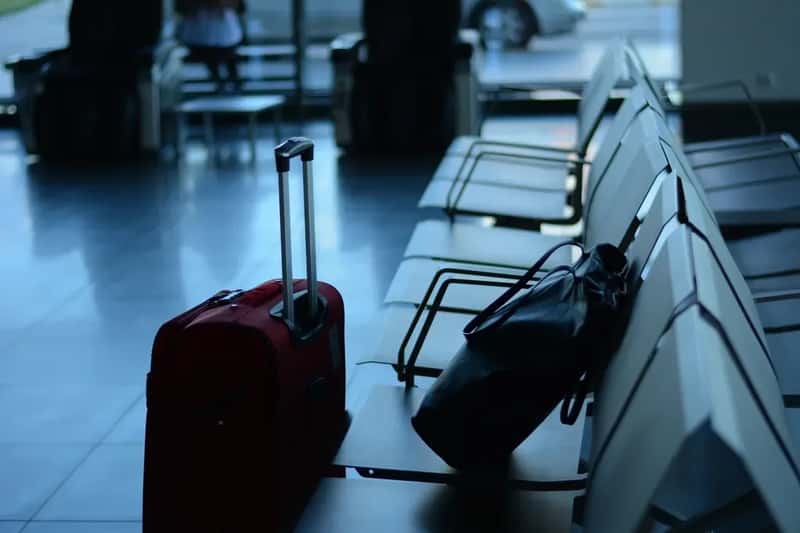
None of these strategies require advanced travel skills or a big budget. Most of them take minutes to set up and cost very little compared to the value of what you are actually checking. The data is clear that while airlines are getting better at handling bags, the sheer volume of travelers means millions of bags still go astray each year.
The traveler who prepares is simply in a far stronger position, whether that means tracking a bag to the wrong city and alerting the airline before they even know, or filing a solid insurance claim with all the right documents. Protecting is not about being paranoid. It is about being smart.
Think about it this way. You would not leave your front door unlocked just because your neighborhood is generally safe. So why hand your bag to an airline without at least a few basic precautions in place? What strategy will you use on your next trip?