Travelbinger
TravelbingerTravel deals, guides and hacks
Travel News
Trip Planner
Sign In
Travel News

AI Learns to Tell Bees Apart by Their Buzz, Without Trapping Them

Share:
Expert reviewed
Matthias BinderKatherine Woodward Ramer

By Written by Matthias Binder

·

Edited by Katherine Woodward Ramer

Cited 2 sourcesUpdated Nov 13, 2026· 3 min read
DetailsFull details

Cited Sources (2)

  1. wildlife.org — New monitoring tool identifies bees by their buzz(wildlife.org)
  2. United States(backend.travelbinger.com)
Author:Matthias Binder

Travel Expert & VP of Operations

Matthias a curious globetrotter who collects moments from night markets, coastlines, and tiny mountain villages. Plans trips around local food, scenic trains, and the best views at golden hour.

Editor:Katherine Woodward Ramer

Editorial Specialist

Checks destination facts and source links before a story is published.

Published November 13, 2026 · Updated November 13, 2026 · 3 min readRead our editorial policy.
AI Learns to Tell Bees Apart by Their Buzz, Without Trapping Them
Add as a preferredsource on Google

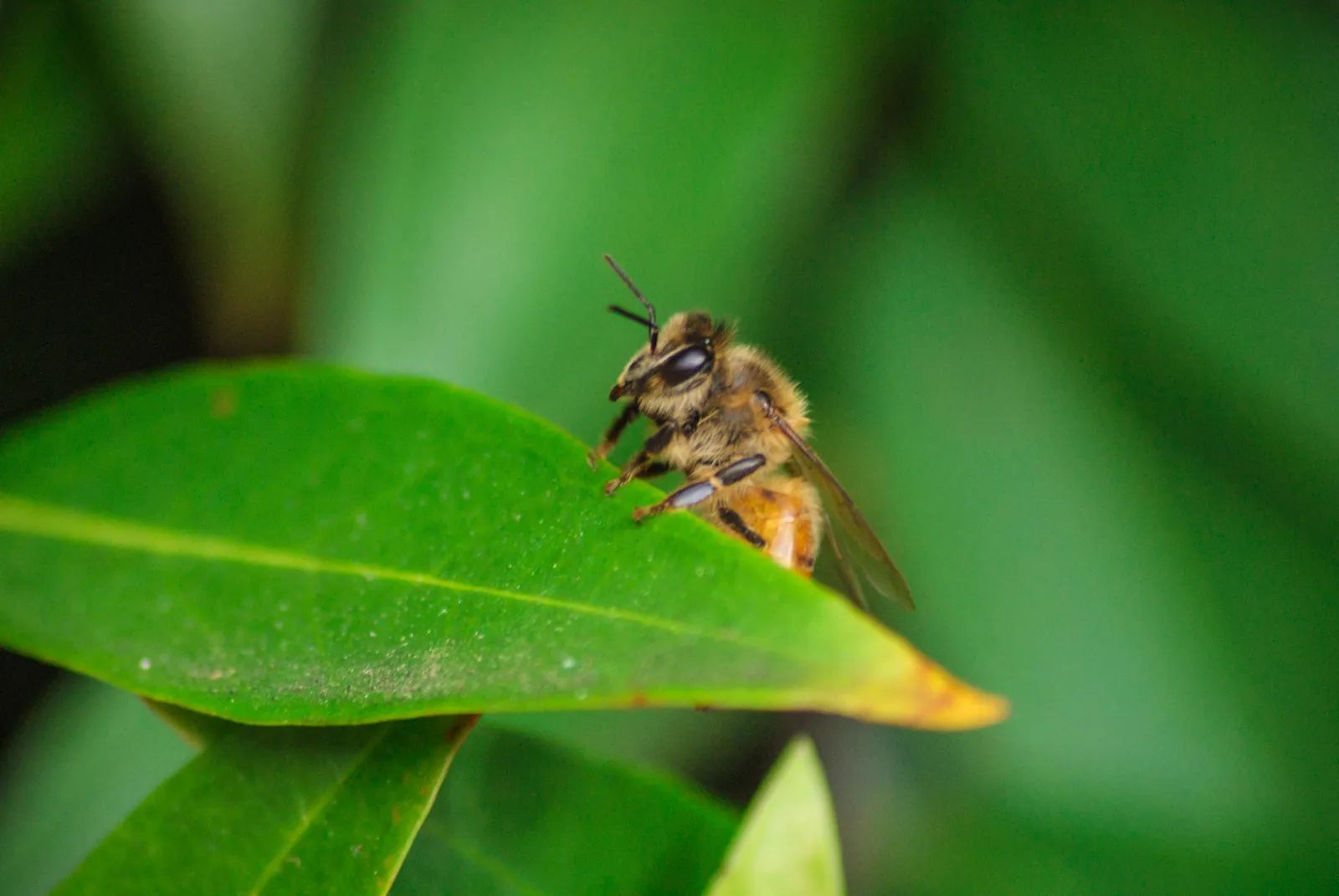
Counting bees has long meant catching them. Researchers who wanted to know which species were visiting a field or garden often had to collect specimens, which killed them in the process. ([1])A team of ecologists at the University of Massachusetts Amherst is testing a different route. Their approach relies on sound, and it may let scientists track pollinators without collecting a single insect.

Listening instead of trapping

Traditional pollinator research depends on lethal traps to identify species and produce population counts. The Amherst researchers looked for a way to collect similar data from the bees’ buzzing. Their findings were published in Approaches in Entomology: Methods, Philosophies, and Ethics, and The Wildlife Society highlighted the work.

The core idea is simple. Each species produces a slightly different sound in flight, and field recordings can capture those differences. The challenge lies in sorting through hours of audio to pick out bees from everything else in the air, which is where artificial intelligence comes in.

How the models were built

The team developed two models using convolutional neural networks, a type of artificial intelligence that is most often applied to images or sound. The first model estimates overall bee activity. The second goes further and separates honeybees from bumble bees, two groups that many people would find difficult to tell apart by sound alone.

Training required a substantial body of real-world data. The models learned from 594 field recordings gathered over five years at 43 sites across the northeastern United States. That long timeline and wide geographic spread give the software a range of conditions to learn from, rather than a single meadow or season.

What the results show, and what they do not

The models were accurate in testing. They correctly identified between 93% and 97% of bees in a sample, and their output was highly correlated with what researchers recorded by sight in the field. Those figures suggest the software can track bee activity in a way that agrees with human observers.

Still, the models do not replace every tool in the field kit. Identifying many bee species still requires a microscope, so traditional lethal traps remain part of the process. The researchers presented the models as an addition to existing methods rather than a substitute.

Related Stories From Travelbinger

  • Air Pollution Scrambles How Bees Smell Flowers
  • 7 Universities Overseas That Cost Less Than an In-State American College
  • Bees Live Inside Himalayan Home Walls, Tended by Women
Area What the study reports
Finding Correct identification of 93% to 97% of bees in a sample
Limitation Many species still need microscope examination
Next step Using audio to monitor pollinators in places that are hard to sample

Where the approach could lead

The most practical promise may lie in places that researchers struggle to reach. Remote or difficult terrain can make traditional sampling costly or impractical, and audio recorders can be left in position to gather information over time. The study suggests this could open new monitoring opportunities, though the published findings do not establish how far such methods can scale.

For now, the result is a more careful way to count bees. Scientists gain another route to pollinator data while avoiding the need to kill the insects they study, and the buzz that once served as background noise may now carry useful information.

🔥 Would you like to save this?

We’ll email this post to you, so you can come back to it later.

Matthias Binder

Matthias Binder

Matthias a curious globetrotter who collects moments from night markets, coastlines, and tiny mountain villages. Plans trips around local food, scenic trains, and the best views at golden hour.

View Profile & Articles
Katherine Woodward Ramer

Edited & reviewed by Katherine Woodward Ramer — Editorial Specialist

Expert reviewed

More from Matthias Binder

Hail a Robotaxi: Where Self-Driving Cars Are Already Normal

Hail a Robotaxi: Where Self-Driving Cars Are Already Normal

1 min read

Fast Food Banned: 6 Countries Where You'll Eat Like a Local

Fast Food Banned: 6 Countries Where You'll Eat Like a Local

1 min read

Black Friday 2026 on November 27: Which Travel Gear Is Worth Waiting For

Black Friday 2026 on November 27: Which Travel Gear Is Worth Waiting For

1 min read

Don’t Get Fined Abroad: 17 Weird Local Laws to Know

Don’t Get Fined Abroad: 17 Weird Local Laws to Know

1 min read

Latest News

Fresh travel updates

Hail a Robotaxi: Where Self-Driving Cars Are Already Normal

Hail a Robotaxi: Where Self-Driving Cars Are Already Normal

Stefan Brand·Nov 13
Fast Food Banned: 6 Countries Where You'll Eat Like a Local

Fast Food Banned: 6 Countries Where You'll Eat Like a Local

Marcel Kuhn·Nov 13
Black Friday 2026 on November 27: Which Travel Gear Is Worth Waiting For

Black Friday 2026 on November 27: Which Travel Gear Is Worth Waiting For

Matthias Binder·Nov 13
Don’t Get Fined Abroad: 17 Weird Local Laws to Know

Don’t Get Fined Abroad: 17 Weird Local Laws to Know

Samanta Brown·Nov 13
View All News

Stay Updated

Get the latest travel news delivered to your inbox

Stay Inspired

Get travel inspiration, guides, and exclusive deals delivered to your inbox.

Travelbinger
TravelbingerTRAVEL DEALS, GUIDES AND HACKS

Discover the world through the eyes of seasoned travel experts. From breaking news to hand-picked destination guides, we bring you the stories that matter. Join our community for exclusive member deals and authentic inspiration for your next journey.

Deals

  • All Deals
  • Beach Holidays
  • City Breaks
  • Luxury Hotels
  • Last Minute

Popular Destinations

  • Europe
  • Asia
  • North America
  • South America
  • Africa

Company

  • About Us
  • Travel News
  • Editorial Policy
  • Contact

Legal

  • Privacy Policy
  • Terms & Conditions

This website contains affiliate links to trusted partners.

© 2026 Travelbinger. All rights reserved.

Secure payment with:
Visa
MC
PayPal
Klarna