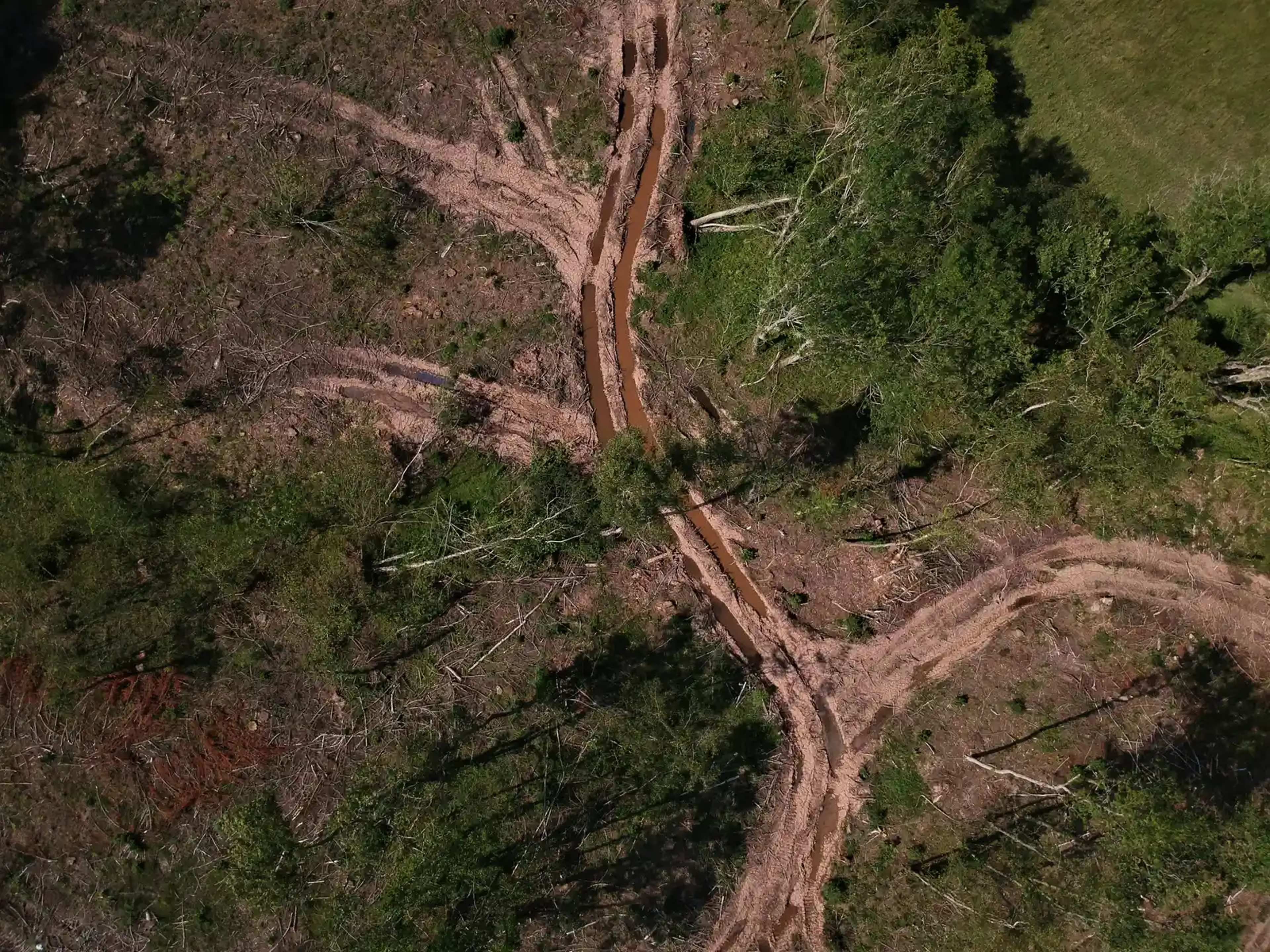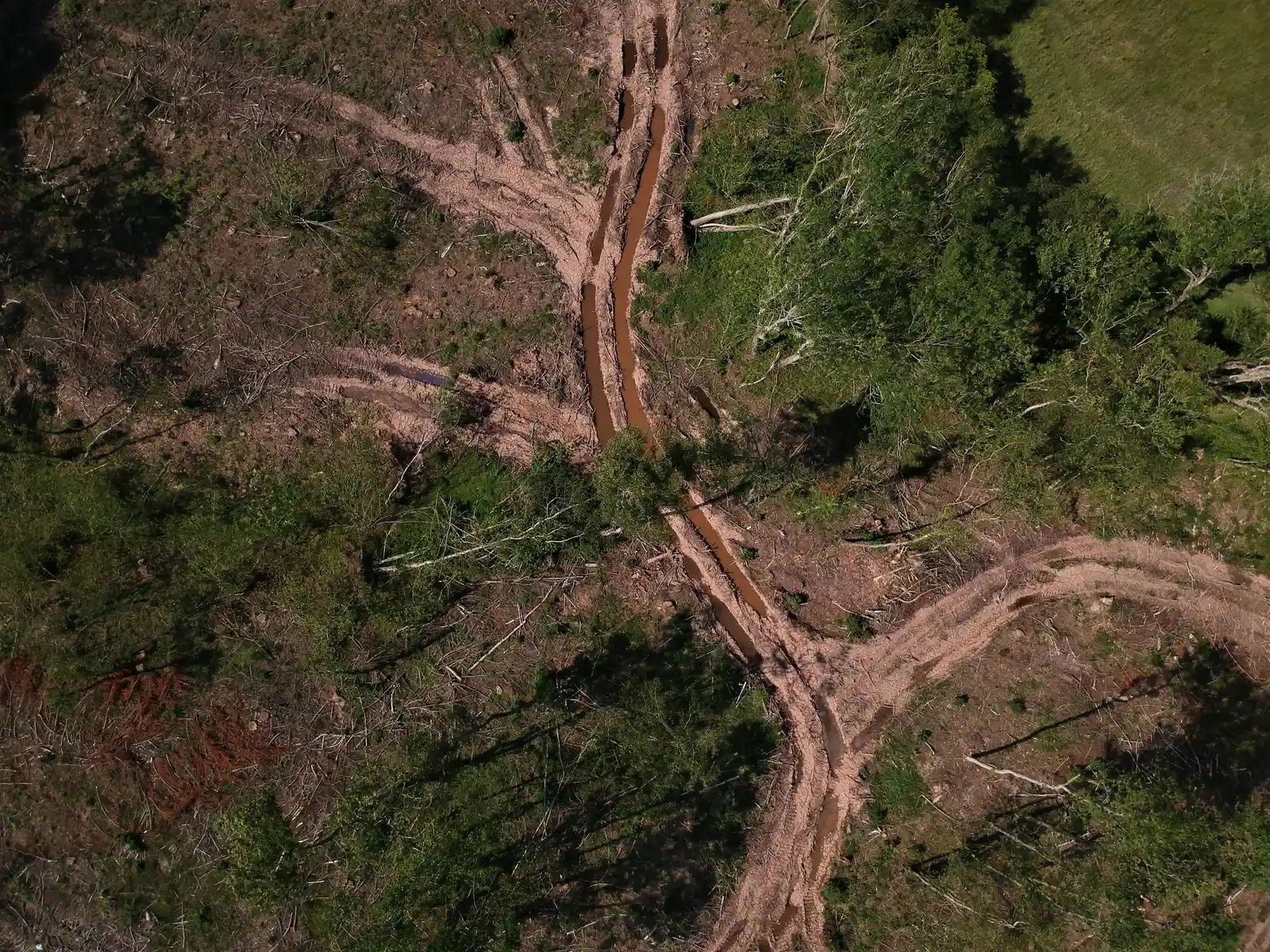
Brazil – Data released this month show that forest clearing across the Brazilian Amazon fell to its lowest level on record during the 12 months that ended July 31, 2026. The national space research institute INPE recorded 3,335 square kilometers of loss, an area smaller than the island of Mallorca and 42 percent below the previous year’s total. The Amazon remains Earth’s largest rainforest, and the scale of the reduction marks a notable shift after years of higher clearing rates.
Measuring the Drop in Context
The new total of 3,335 square kilometers represents the smallest annual figure since INPE began consistent satellite monitoring decades ago. That figure translates to roughly 1,288 square miles, a concrete reduction that can be visualized against familiar geographic benchmarks. The decline builds on a broader trend that has strengthened since 2023. Annual losses have moved steadily downward as enforcement measures took hold across multiple states. Neighboring biomes also recorded improvement. The Cerrado, the wooded savanna that borders the rainforest, saw deforestation fall 24 percent to 5,516 square kilometers, another record low for that region.
Policy Shifts Under Current Leadership
The acceleration of reductions coincides with the return of stronger environmental oversight beginning in 2023. Federal agencies resumed field operations that had been scaled back, while conservation programs expanded and new protected areas advanced. Efforts to formalize Indigenous territories also gained momentum during the same period. These steps together altered the incentives that previously encouraged rapid clearing for ranching and large-scale agriculture. The practical effect appears in the satellite record. Areas that once saw steady encroachment now show measurable slowdowns in new clearing activity.
Political Stakes Ahead of the Vote
President Luiz Inácio Lula da Silva faces a re-election contest later this month. Seven of the nine governors in Amazon states have aligned with Flávio Bolsonaro, the leading challenger, whose platform includes easing some existing forest protections. The outcome could influence whether the recent enforcement gains continue at the same pace. State-level cooperation has played a direct role in on-the-ground results, and shifts in that alignment would affect future monitoring and response capacity.
Additional Pressures on the Horizon
Even with the improved numbers, a strong El Niño event now developing in the Pacific introduces new uncertainty. Such episodes typically bring drier conditions to the southern Amazon and often lead to increased fire activity in the following year. The combination of political transition and climate variability means the recent progress faces tests that extend beyond immediate policy choices. Continued satellite tracking by INPE will provide the clearest early signals of whether the downward trend holds. The record low offers a clear benchmark against which future years can be measured.