There’s something electric about walking down a street where every stone beneath your feet has witnessed empires rise and fall. In a handful of places around the globe, the ancient past doesn’t hide in museums or lie buried under parking lots. It breathes in the air, echoes in daily rituals, and threads through the fabric of modern existence.
While many nations treat their history as something separate from the present, a few extraordinary countries continue to live their heritage every single day. From sacred ceremonies performed at sunrise to architectural traditions spanning millennia, these places offer more than tourist attractions. They offer a glimpse into civilisations that refused to let their stories end.
Egypt: Where Pharaohs Meet Modern Mornings
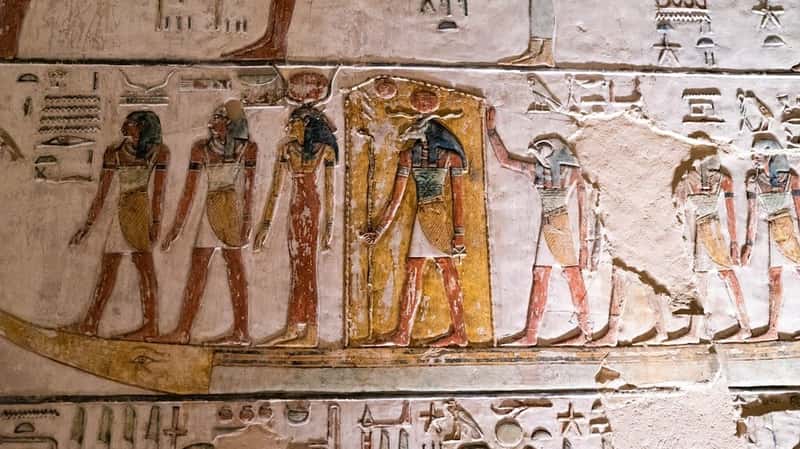
Walking through Cairo feels like flipping through a living history book where chapters refuse to stay in order. Religion shapes Egyptian social conduct, ethics, and daily rituals, creating a bridge that stretches back thousands of years.
The forty-day mourning period, with some parallels to Pharaonic mummification rituals, which took 70 days to complete, was when the soul could be released and travel to the afterlife. Modern Egyptians still observe this custom, gathering at graves to commemorate the deceased exactly forty days after death.
Let’s be real, how many cultures can claim their daily bread recipe hasn’t fundamentally changed in several thousand years? The historic staple food of Egypt is bread, a tradition stretching back to ancient agricultural practices along the Nile. Even wedding celebrations retain echoes of antiquity, blending historical elements with contemporary festivities in ways that feel both timeless and fresh.
The connection runs deeper than customs. Muslims may end their day with a prayer to give thanks and seek blessings, just as ancient Egyptians prayed to the gods daily to maintain harmony in the world. This spiritual continuity creates an invisible thread connecting modern Egyptians to their ancestors in ways few other cultures can match.
Japan: Ancient Rituals in a High-Tech World
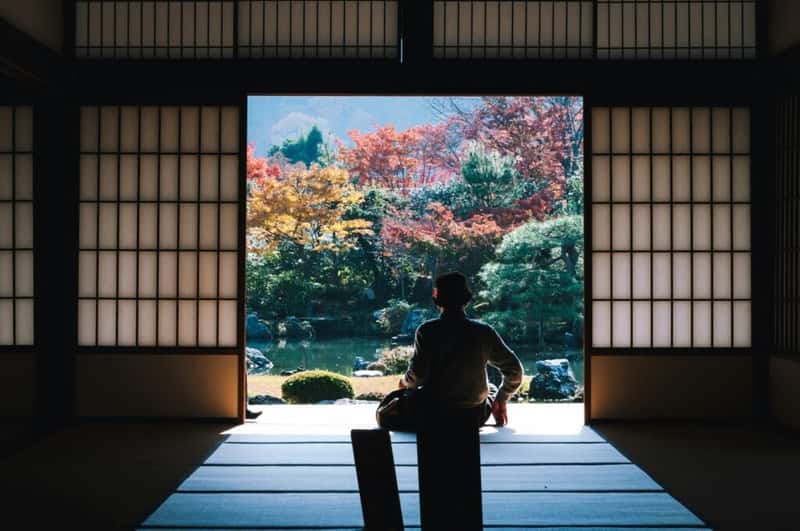
Here’s the thing about Japan: nowhere else blends bullet trains and thousand-year-old tea ceremonies quite so seamlessly. Japanese culture is a set of values that puts importance on social harmony and hard work, and up until the 10th century was similar to Chinese culture, but the rise of the samurai in the Heian Period and the isolation during the Edo Period changed the rules of society.
In Japan, perhaps no daily habit is as sacred as soaking in a steaming bath at the end of a long day, with the Japanese bathing daily, whether in their own private bathroom, a public bathhouse, or a communal hot spring. This isn’t about getting clean – that happens before entering the tub. The ritual represents something deeper, a meditative practice of washing away the day’s fatigue.
Daily life carries the weight of centuries in small gestures. Many of the older generation begin each day in front of their household Buddhist altar, lighting a candle and some incense, spending a few minutes praying with deceased family members being the main focus of contemplation. These aren’t museum pieces or weekend activities – they’re Tuesday morning routines.
Food becomes a ceremony in Japanese hands. Hara hachi bu has been touted as the secret to Japanese longevity, especially for the residents of Okinawa, arising from the Confucian principle that one should eat only until 80 per cent full. Even the act of eating noodles carries tradition, with slurping considered not just acceptable but actually enhancing the flavour.
Shinto and Buddhism still anchor spiritual life, and the Japanese language, based on ancient scripts and court dialects, has remained stable across centuries, with Japan maintaining its language, religion, and government institutions across 1,400 plus years. That’s not preservation – that’s living continuity.
Peru: The Inca Legacy Lives On
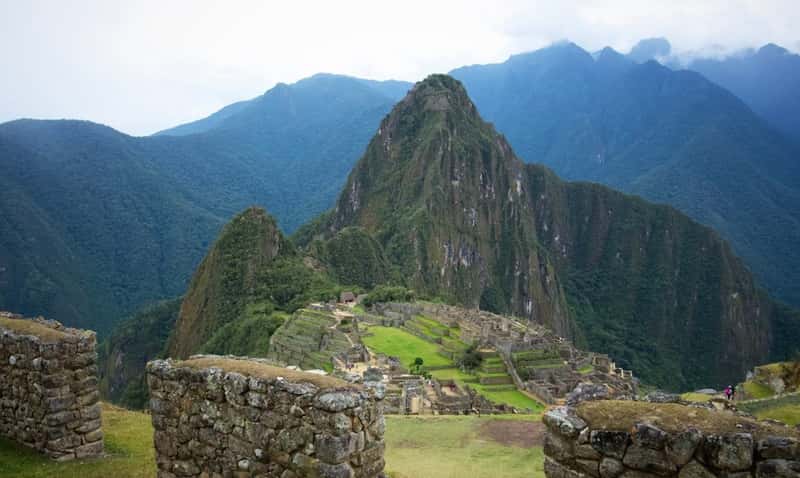
The Andes highlands pulse with traditions that predate Columbus by centuries. Quechua is officially recognised and connects people to their Inca heritage, while Inca farming methods like terracing and irrigation are still used by farmers cultivating the same impossibly steep mountainsides their ancestors worked.
At the centre of beliefs is Pachamama, Mother Earth, and the Inti Raymi festival honours the sun and the seasons, celebrating the cycle of life with ceremonies for Pachamama happening at important times like planting and harvesting. These aren’t staged performances for tourists – they’re genuine expressions of spiritual connection that never disappeared.
Walk through any Andean market, nd you’ll witness textile traditions stretching back to the empire. The bright, intricate patterns are full of meaning, with symbols representing everything from mountains to stars, and this craft has been recognised as a UNESCO Intangible Cultural Heritage. Women weaving in mountain villages use techniques their great-great-grandmothers knew by heart.
Food tells an even older story. Quinoa, potatoes, and corn are still key in Andean food, with traditional ways of cooking and their cultural value remaining important today. The agricultural genius of Inca civilisation continues to feed millions, from high-altitude farms to trendy restaurants in Lima.
Locals often perform minuscule, almost imperceptible rituals before meals, whispering words to Pachamama and sprinkling a portion of their drink or food on the ground as a dedication to her, reflecting a profound cultural reverence. These tiny gestures matter more than grand monuments in keeping culture alive.
India: Where the Past is Always Present
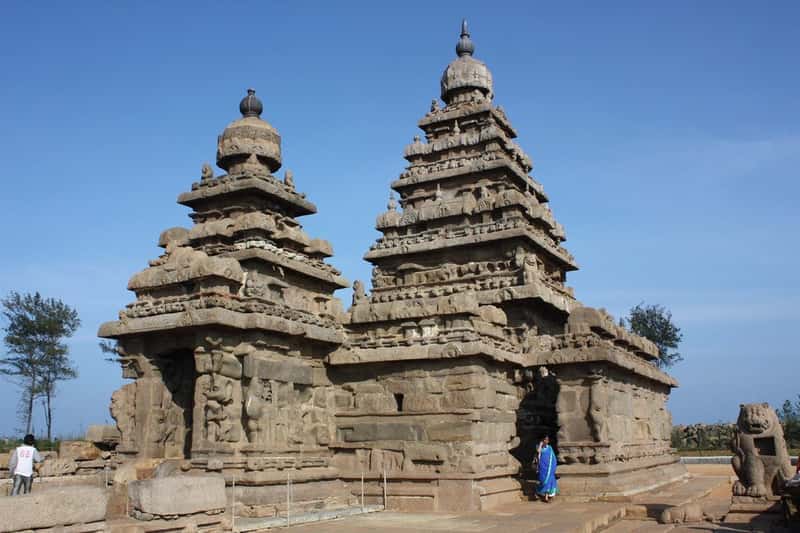
India doesn’t separate ancient from modern because ho, honestly, the line never really existed there. Indian society’s resilience is rooted in its tight-knit community structures and strong focus on family relationships, with traditions like festivals, rituals, and Ayurvedic practices continuing to thrive, seamlessly blending ancient wisdom with contemporary life.
Religion played a central role in daily life, with Hinduism, Buddhism a,, nd Jainism emerging as dominant faiths, and these spiritual traditions shaped not only worship but also influenced art, architecture, and philosophy. That influence didn’t stop centuries ago – it shapes everything from business decisions to dietary choices in today’s India.
The festival calendar reads like a time machine. Ancient India was home to a myriad of vibrant festivals carrying its own cultural and religious significance, with Diwali celebrating the triumph of light over darkness and Holi marking the arrival of spring and the victory of good over evil. These festivals don’t just commemorate the past – they actively recreate it.
The devotional images and sacred architecture of these religions are still part of the daily lives of nearly two billion people around the world, creating a living link to ancient spiritual practices. Temple rituals performed today follow procedures established thousands of years ago.
What sets India apart is its philosophical continuity. The main schools of Indian philosophy were formalised chiefly between 1000 BCE to the early centuries of the Common Era, with the earliest constituting the earliest philosophical compositions of the world. Those ancient debates about consciousness, reality, and ethics? They’re still happening in ashrams, universities, and village squares across the subcontinent.
Greece: Democracy’s Ancient Heartbeat
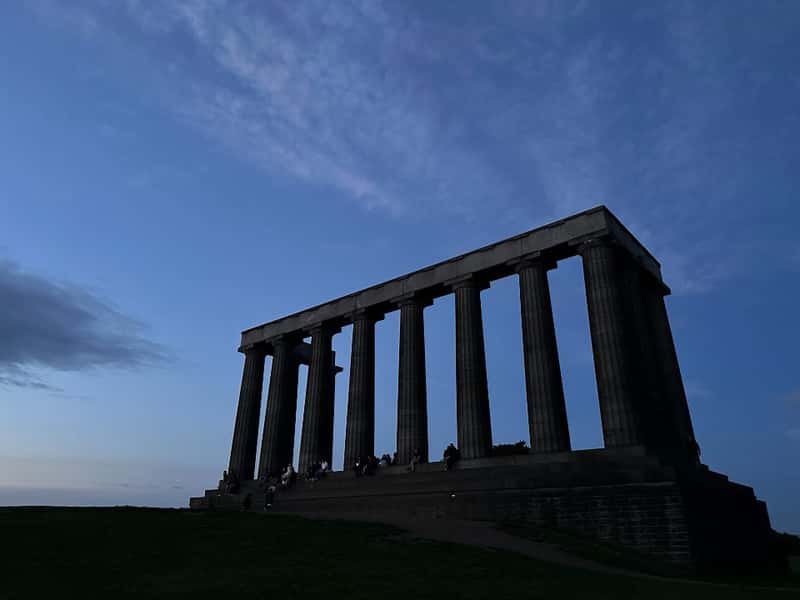
Standing in the shadow of the Parthenon, you realise something remarkable. Democracy, drama, and inquiry are read in places built to express them, with the Acropolis fusing art and civic identity, while at Epidaurus, fa, med acoustics make ancient performance feel present. These aren’t relics – they’re teaching tools that continue shaping political thought globally.
The people kept their language, faith, and traditions alive through the Church and local institutions, and modern Greece built a national identity directly tied to its classical and Byzantine roots, embracing democracy, ancient history, and Orthodoxy as pillars of the state. This cultural persistence survived foreign occupation and emerged stronger.
The philosophical legacy remains staggering. Greek history can be traced back to ancient times of Mycenae, with Greeks contributing to science, politics, philosophy, and democracy, and Greek culture influencing Rome and the Renaissance in Europe, shaping the modern West. Every law school, every parliament, every scientific method owes a debt to those ancient thinkers.
The Byzantines lasted for 1,000 years, calling themselves Romans but being Greek in every way that mattered, with their liturgy, theology, and administration shaping Orthodox Christianity still practised in Greece today. Walk into any Greek Orthodox church, and you’re stepping into a space that would feel familiar to someone from a millennium ago.
Greek islands aren’t just postcard material – they’re living museums where fishing techniques, agricultural practices, and community structures echo patterns established in antiquity. The language itself provides direct access to ancient texts in ways that translation can never match.
The Thread That Binds
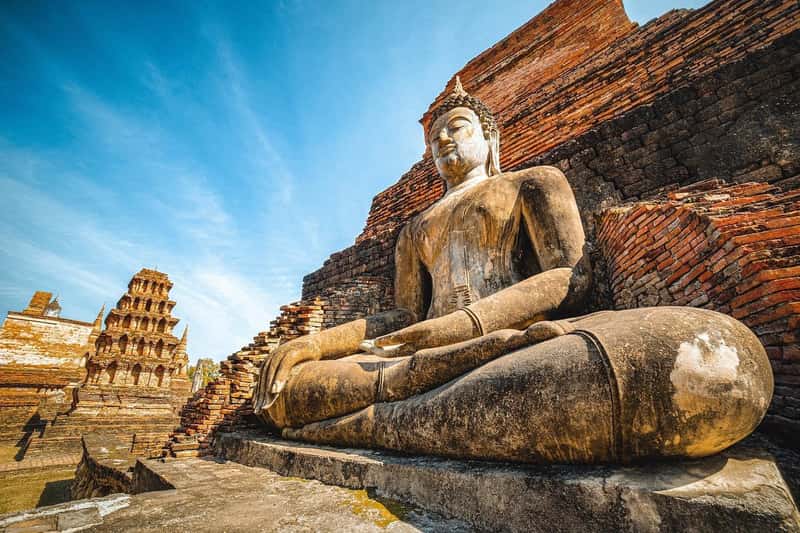
What makes these five countries extraordinary isn’t just their impressive ruins or ancient monuments. It’s how seamlessly the past flows into the present, how grandmother’s recipes carry thousand-year-old wisdom, how morning prayers connect to civilisations that watched stars from stone temples.
Stepping into these countries feels like opening a time capsule where the past still shapes the present, with streets doubling as archives, rituals spilling into daily life, and ruins sitting beside working temples, libraries, and markets. This isn’t preservation through museums – it’s continuity through living.
The modern world rushes forward, but these nations remind us that speed isn’t everything. Sometimes the deepest wisdom comes from patterns repeated across centuries, from traditions that survived precisely because they worked. Their ancient heritage isn’t a burden to carry or a costume to wear on special occasions. It’s the air they breathe, the rhythm of their days, the foundation of their identity.
Have you walked streets where history isn’t past tense but present continuous? Share your experiences in the comments below.