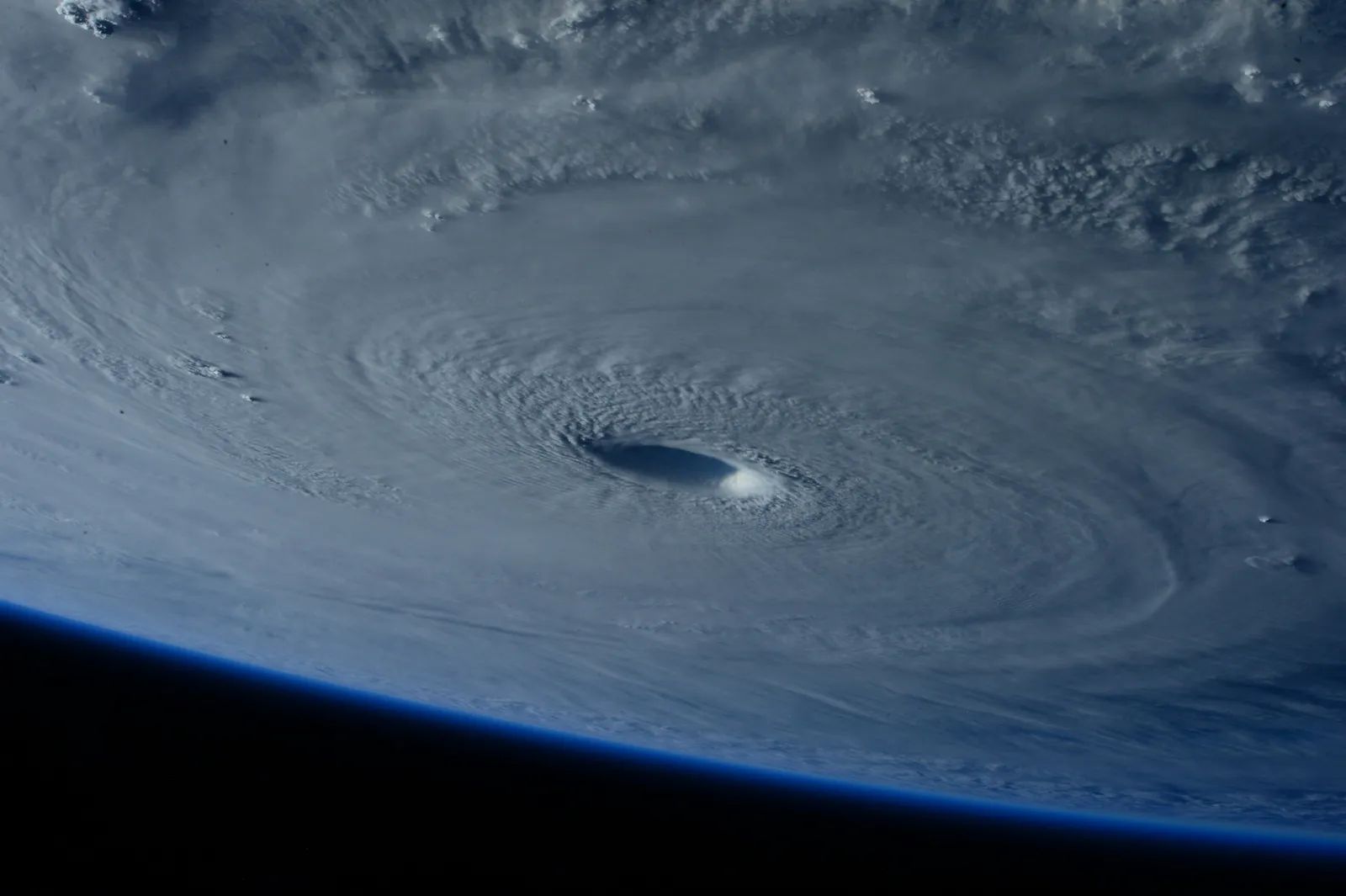
Hurricane Polo hit the southern half of Mexico’s Baja California peninsula in the final hours of Monday and the early hours of Tuesday, September 29, 2026. The U.S. National Hurricane Center said it brought damaging winds and life-threatening flash flooding.[1] For visitors, the most immediate effect was on the water, where tour operators, marinas and port captains shut down boat activity across much of the state.
Early reports suggest the state avoided the worst. Conditions are still changing, though, and port reopenings depend on sea conditions. This update covers what is known so far and what it means for trips already booked.
How Polo Reached the Peninsula
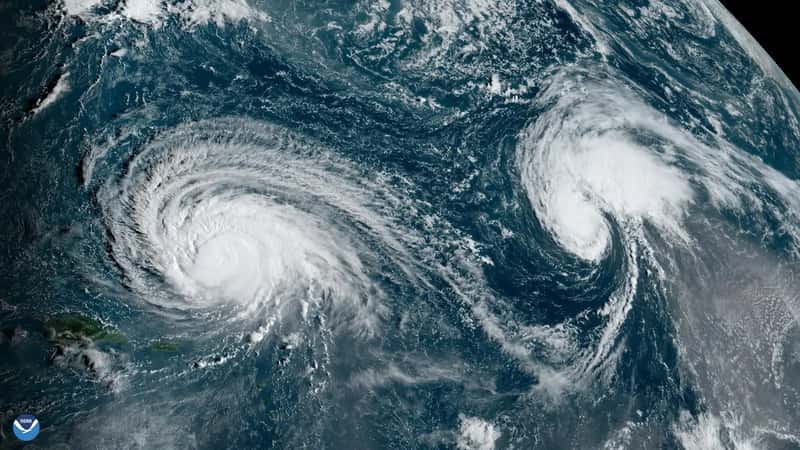
Polo was stronger ahead of landfall than it was when it arrived. On Monday morning it was a Category 3 hurricane with maximum sustained winds near 115 mph, about 85 miles west-southwest of Cabo San Lázaro.[2] Mexico’s civil protection chief had said it would most likely come ashore as a major Category 3 storm.
In the end it weakened slightly. Polo had maximum sustained winds of 110 mph when it moved over land, a strong Category 2.[1] Its top winds then fell to 80 mph, making it a Category 1.[1]
Why Boat Trips Were Halted
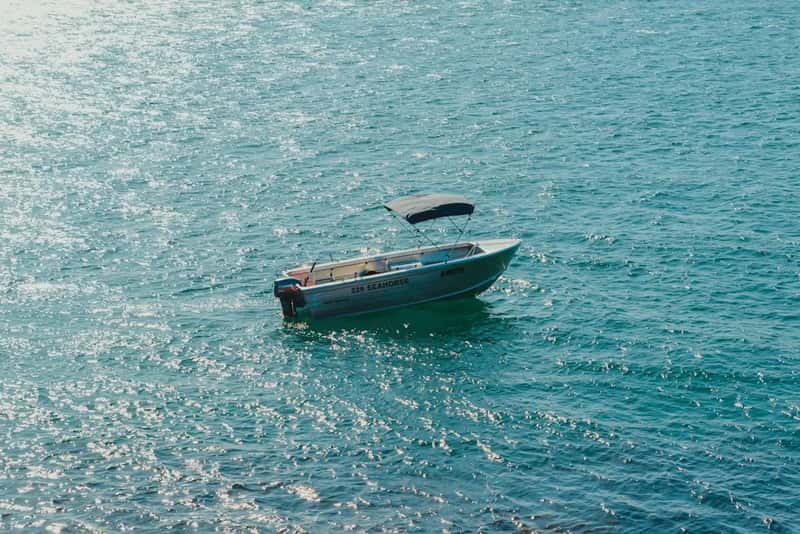
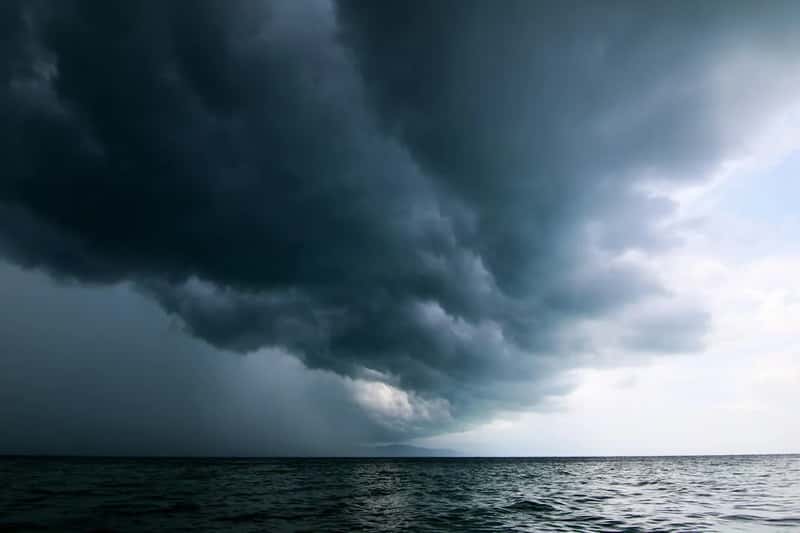
The boat shutdowns came before the storm arrived, driven by swell rather than rain. Mexico’s federal port authority suspended small-boat traffic at Cabo San Lucas and San José del Cabo on Friday.[4] The Cabo Sun reported that all recreational, tourist and commercial maritime activities were suspended until further notice.[7]
In practice, that meant snorkeling trips, sunset catamaran cruises and fishing charters were canceled. Even the small water taxis that take visitors out to the Arch at Land’s End were grounded.[7] The Cabo Sun also advised guests with bookings to contact their operator quickly to reschedule or request a refund.
Shelters, Schools and the Emergency Response
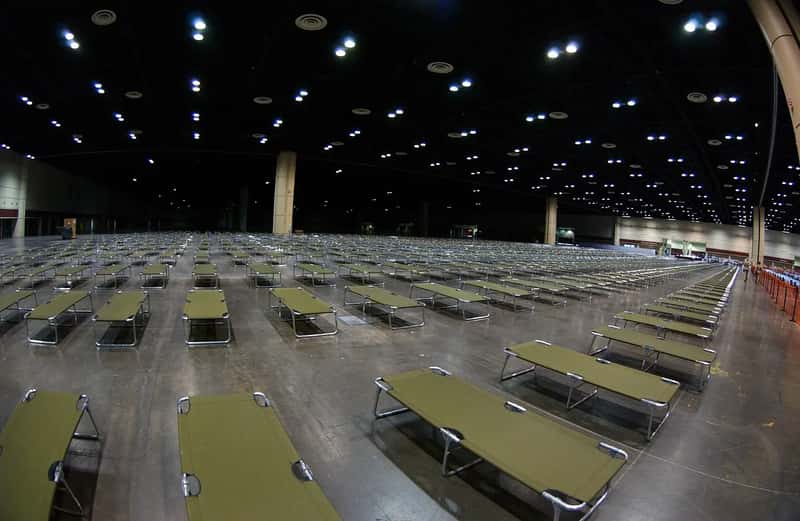
Mexican authorities prepared in advance. Classes were canceled statewide on Monday, and 1,360 military personnel in engineering groups waited on standby.[6] A total of 169 shelters across all five of the state’s municipalities were readied.[6] Separately, the Navy activated the preventive phase of Plan Marina and moved ships into position to deliver supplies, water treatment equipment and heavy machinery if needed.[8]
The early outcome looks comparatively mild. About 700 people remained in shelters on Tuesday but were expected to return home, federal authorities said.[3] Gov. Víctor Castro said the hurricane’s passage brought rain but no loss of life.[3] Damage assessments can change, so these are early findings.
Flights and Getting Around
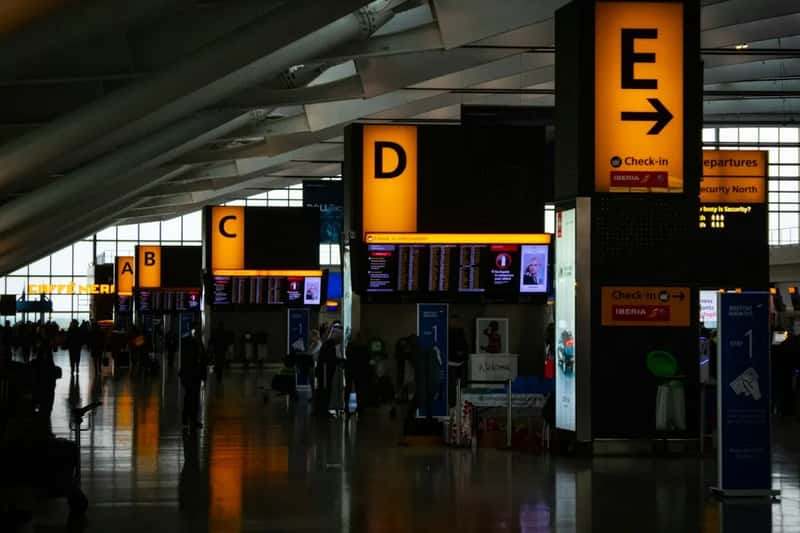
Airports were not reported closed in the information available. The Rio Times found no closure announced at the Los Cabos or La Paz airports by early Monday, but said delays were likely.[4] Earlier in the week, Los Cabos International Airport was open but being monitored closely by Civil Protection.[8] Airline schedules can shift quickly, so check with your carrier directly.
Road travel is a separate concern. Local roads could see temporary closures or delays because of localized flash flooding.[9] Desert washes, known as arroyos, can fill fast even when skies clear, so avoid crossing flooded dips in the road.
Rain, Flooding and the Storm’s Path Inland

Rain is the lingering hazard. The National Hurricane Center expected 6 to 12 inches of rain across Baja California Sur, with a risk of life-threatening flooding and mudslides.[10] The storm was also forecast to move on. Its core was expected to continue across Baja California Sur and move inland over southern Sonora later in the morning.[1]
The effects will extend into the United States. Flood watches were in effect for 11 states, and more than 14 million Americans faced a risk of major flooding.[1] Anyone continuing a trip north should check local forecasts before driving.
Practical Advice for Travelers Right Now
Start with your operator and your lodging. Most boat tour companies are used to weather delays, and most local excursion companies will reschedule a trip or process a quick refund.[11] Visitors should confirm flights with their airline, follow the Los Cabos Civil Protection office and stay off beaches flying red flags.[4]
One seasonal note applies to La Paz. Its whale shark swimming season runs from October 1 to April 30, and has been suspended for parts of each of the last three years due to an insufficient whale shark population.[6] If you’ve booked that experience, confirm both the weather and the season status with your operator before you go.
Conclusion
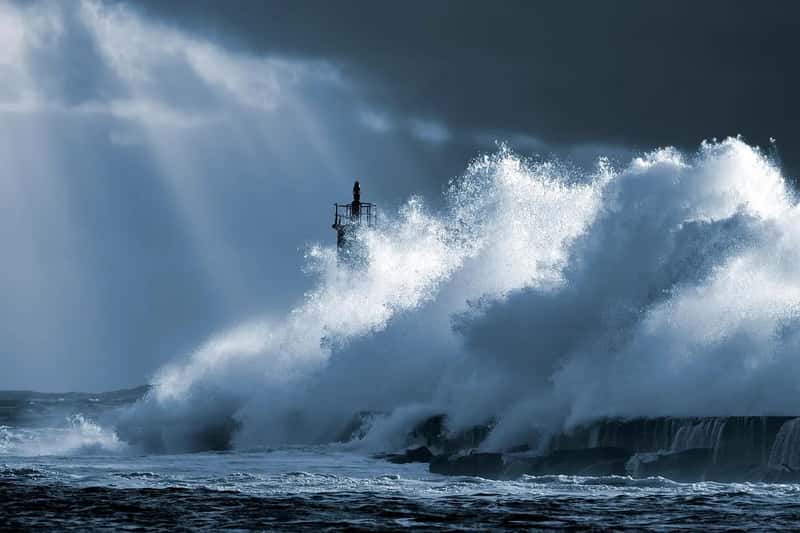
Polo came ashore as a Category 2 storm in a thinly populated part of Baja California Sur. Early reports point to flooding and downed trees but no serious damage or deaths. The main disruption for visitors was to water activities, with port closures halting boat tours, fishing charters and water taxis across Los Cabos and neighboring areas.
Plans should stay flexible until port captains reopen the bays. Heavy rain is still a real hazard, so follow official guidance, and remember that a canceled boat trip is a small price next to rough seas.