

For many seniors, traveling to Europe is more than just a vacation, it is often the fulfillment of a lifelong dream. The chance to walk through historic streets, admire world-famous art, and experience cultures that have shaped history can be deeply rewarding. Yet one of the most common obstacles to fully enjoying these moments is jet lag. That sudden shift in time zones can feel like an invisible weight, slowing down both the body and the mind, just when excitement should be at its highest.
Jet lag does not simply mean feeling tired. It can cause disrupted sleep, digestive issues, irritability, and even mild confusion, all of which can affect the ability to appreciate new surroundings. For seniors, who may already rely on consistent routines for well-being, this disruption can feel especially overwhelming. The good news is that jet lag is not inevitable. With thoughtful preparation, small adjustments, and mindful travel choices, its effects can be greatly reduced.
The key is to approach the journey not just as transportation from one place to another, but as part of the adventure itself. By choosing the right flights, adjusting habits before departure, and caring for the body in the air and upon arrival, seniors can set themselves up for a smooth transition into European time zones. Instead of losing precious days to fatigue, they can arrive ready to savor every moment. Below are seven practical, senior-friendly strategies to beat jet lag and enjoy Europe from the very first day.
Choose Flights That Work With Your Body Clock

Selecting the right flight time can make a world of difference in how easily seniors adapt to Europe’s time zones. Many travelers find that evening departures are the most effective, since they allow the body to rest naturally during the flight and arrive in Europe in the morning. Waking up in daylight makes it easier to stay active throughout the day and adjust to local time more smoothly.
Some airlines even design flight schedules with time zone adaptation in mind. Seniors who choose routes with convenient departure and arrival hours often find that their bodies recover faster from the trip. It may require paying a little more or booking well in advance, but the comfort and well-being gained are worth it.
There is also the option of considering stopovers. A layover in a city with a closer time zone can act as a gentle adjustment before the final destination. This slower transition is often less jarring for seniors. By making flight timing a deliberate part of travel planning, seniors can begin their trip with energy instead of exhaustion, turning the journey itself into a pleasant part of the adventure.
Stay Hydrated Before and During the Flight
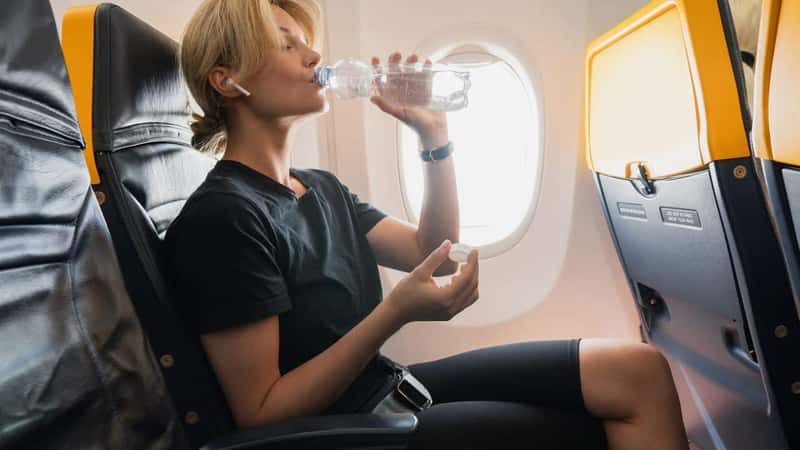
One of the simplest yet most powerful ways to fight jet lag is to drink enough water. Airplane cabins are notoriously dry, and seniors are more vulnerable to dehydration, which can worsen fatigue, headaches, and sluggishness. By starting hydration well before the flight and continuing to sip water regularly during the journey, the body stays more balanced and resilient.
Avoiding alcohol and caffeine is equally important. Though a glass of wine may feel relaxing, alcohol dehydrates the body and can interfere with sleep. Similarly, too much coffee may provide short bursts of alertness but disrupts rest later on. Water, herbal teas, and electrolyte drinks are better choices for maintaining steady hydration and energy.
Bringing a reusable water bottle makes this much easier, as many airports now provide refill stations. Hydration also improves circulation, helping to reduce swelling and discomfort during long hours of sitting. Seniors who stay well-hydrated often report feeling sharper, lighter, and more capable of enjoying their first day abroad without the heavy fog of jet lag.
Adjust Your Schedule Before You Leave

Preparation does not start at the airport, it can begin several days before departure. By gradually shifting bedtime, wake-up times, and even meal times closer to the destination’s schedule, seniors can ease their bodies into a new rhythm. Even adjusting by an hour or two makes a noticeable difference.
This method helps the internal clock begin resetting early, making the eventual time change feel less extreme. Eating meals according to the future time zone also helps train the body, since digestion plays a big role in regulating energy levels. Seniors who make these adjustments often find that they adapt within a day or two, rather than needing nearly a week.
In addition to shifting schedules, practicing good sleep habits before the trip also helps. Going to bed slightly earlier, avoiding late-night screens, and creating a restful environment can prepare the body for healthier rest both before and during the trip. With this gradual transition, the first days in Europe feel less like a battle against time and more like the beginning of a smooth, well-prepared journey.
Move Around During the Flight
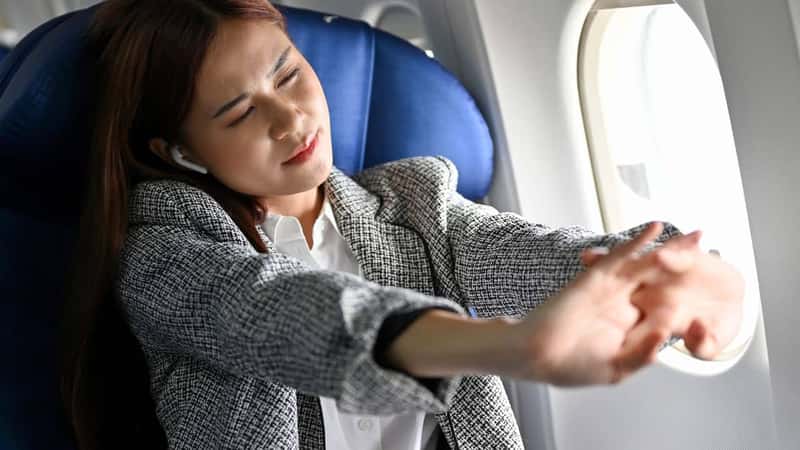
Long flights can be challenging, especially when sitting for extended periods. Remaining still for hours not only causes stiffness but also contributes to fatigue, making jet lag worse. Seniors can greatly improve their comfort by moving at regular intervals. Standing, walking down the aisle, or doing gentle stretches every couple of hours keeps circulation strong and prevents that heavy, sluggish feeling.
Simple exercises can be done without leaving the seat. Rotating ankles, flexing feet, or stretching arms overhead are easy ways to keep blood flowing. Some airlines even include short exercise guides in their in-flight magazines to encourage movement.
Compression socks are another valuable tool. They support circulation and reduce swelling in the legs, which is especially important during long-haul flights. Seniors who incorporate movement and circulation-friendly habits into their travel routines often feel less sore, less fatigued, and more ready to explore once they land.
Use Light Exposure to Reset Your Body Clock

Light is one of the body’s strongest signals for time adjustment. Upon arriving in Europe, seniors should prioritize spending time in natural daylight. Taking a gentle walk in the morning or afternoon, sitting in an outdoor café, or exploring a nearby park helps the body register the new time zone.
It is important to resist the temptation to nap immediately after arrival. Staying awake until the local evening encourages the body to sync more quickly with the new rhythm. Using sunglasses strategically can also help: wearing them to block light when rest is needed or removing them to absorb daylight when adjusting.
This mindful use of light works faster than many realize. Within just a day or two, seniors who follow this practice often find themselves feeling more alert, more present, and far better able to enjoy their surroundings. In many ways, sunlight becomes a natural medicine against the fog of jet lag.
Prioritize Restful Sleep on the Plane
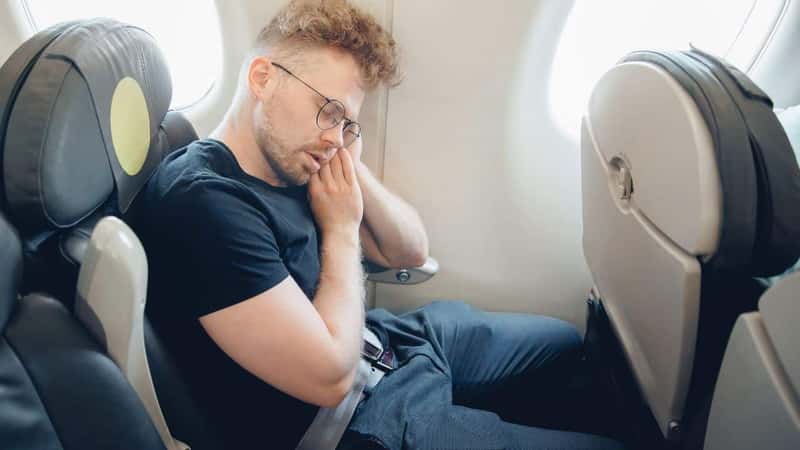
Arriving in Europe well-rested sets the tone for the entire trip. Seniors can improve their chances of sleeping on the flight by bringing travel essentials like supportive pillows, noise-canceling headphones, and soft blankets. Creating a familiar, calming environment helps signal to the body that it is time to sleep, even in an unfamiliar setting.
Limiting screen time before attempting to rest also helps, as blue light can interfere with melatonin production. Instead, listening to calming music, guided relaxation, or an audiobook may encourage sleep. Some travelers benefit from light sleep aids, but these should always be discussed with a doctor first.
Even if sleep is not perfect, short naps or periods of rest during the flight can reduce fatigue dramatically. Seniors who focus on creating restful conditions during the journey often find themselves with more energy and clarity upon arrival, making the first few days of their trip far more enjoyable.
Allow for a Gentle First Day

Perhaps the most overlooked tip is to plan the first day with balance in mind. Seniors often feel pressure to make the most of every moment, but pushing too hard on arrival can worsen jet lag. Instead, the first day should include light, enjoyable activities such as strolling through a local neighborhood, eating a relaxed meal, or visiting an outdoor market.
Resting too much, however, can make adjustment slower. The key is finding a middle ground, staying active enough to align with the local schedule, while avoiding strenuous or overly demanding activities. Spending time outdoors is especially helpful, as it combines natural light with gentle movement.
By approaching the first day as an introduction rather than a marathon, seniors set themselves up for a smoother transition. By evening, the body will be ready for a full night’s sleep, and the days that follow will be filled with energy and excitement rather than fatigue.