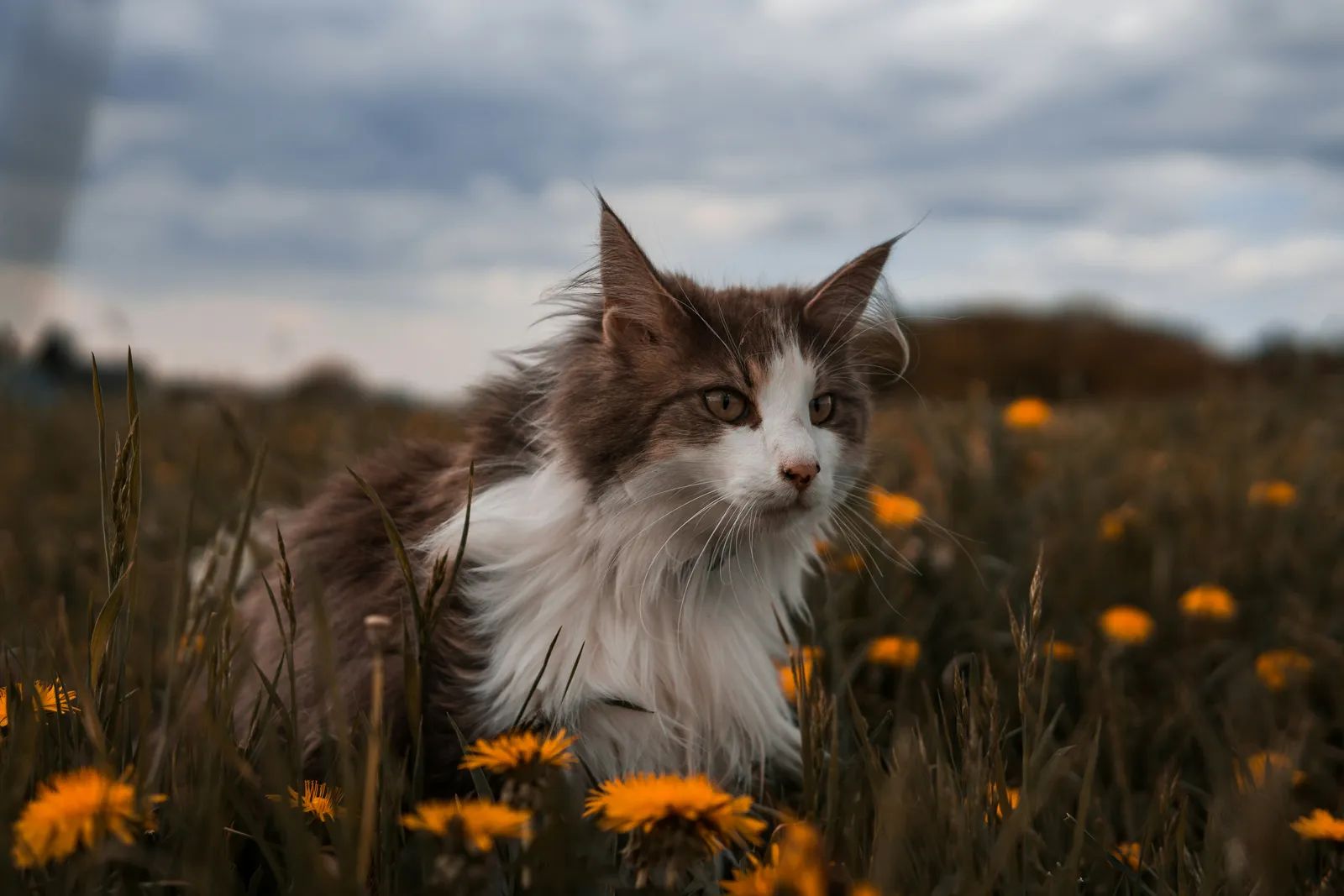
Deep in the Yungas cloud forests of Bolivia, researchers have formally described a small spotted cat that had never before been recognized by science. The discovery marks the first new living cat species identified in more than 100 years. Genetic evidence shows its lineage split from related tiger cats roughly 1.4 million years ago, setting it apart as a distinct form. ([1])
A Distinct Lineage Emerges
The newly named tilcayo, or Leopardus tilcayo, occupies a narrow range in Bolivia’s misty Yungas region. Its coat features a pattern of spots that distinguishes it from neighboring populations of small cats. Researchers relied on both physical traits and DNA analysis to confirm its separate status rather than treating it as a regional variant of an existing species.
This step reflects a wider shift in how scientists classify small wild cats across the Americas. Populations once grouped together are now being examined more closely through modern genetic tools. The result is a clearer picture of diversity that had remained hidden under older taxonomic frameworks.
Broader Changes in Cat Classification
Wildlife biologist Tadeu Gomes de Oliveira has tracked these developments for decades. He notes that the tiger-cat group is undergoing a genetic revolution, with several populations gaining recognition as separate species or facing formal proposals for the same status. Oliveira serves as co-chair of the IUCN Species Survival Commission Cat Specialist Group and leads conservation efforts focused on these animals.
The tilcayo stands out because it was never previously described in scientific literature, unlike some other recent additions that came from reclassifying known forms. Its identification adds weight to ongoing work that could elevate additional groups to full species level in the coming years.
What Remains to Be Learned
Details on the tilcayo’s population size, exact range, and conservation needs are still limited. Further field studies will be required to understand how it interacts with its cloud-forest habitat and whether threats such as deforestation affect its survival. The same uncertainty applies to other candidate populations now under review.
Each new description sharpens priorities for protection in remote areas where these cats live. Continued genetic work and on-the-ground surveys are expected to clarify which additional forms deserve separate recognition.