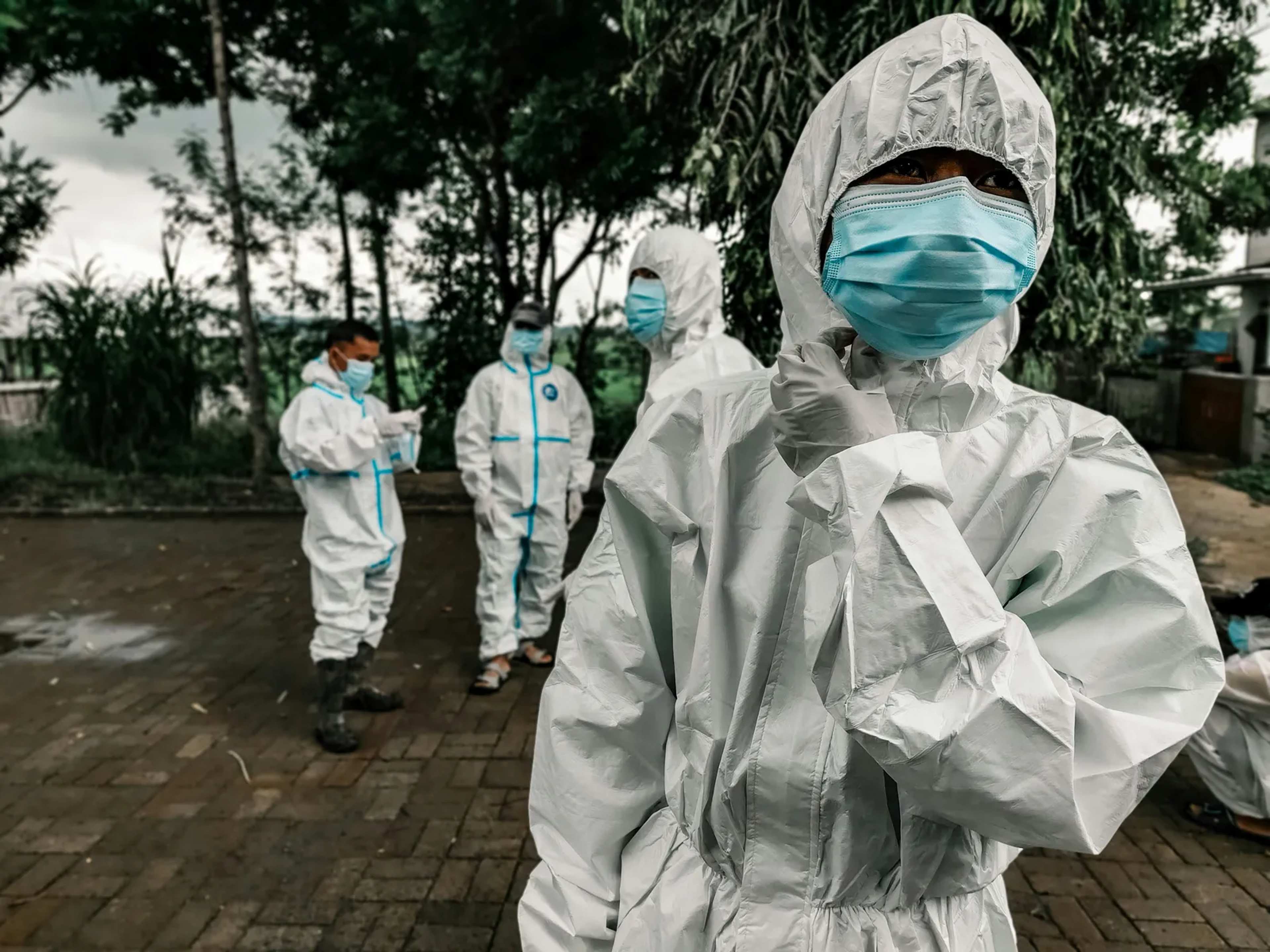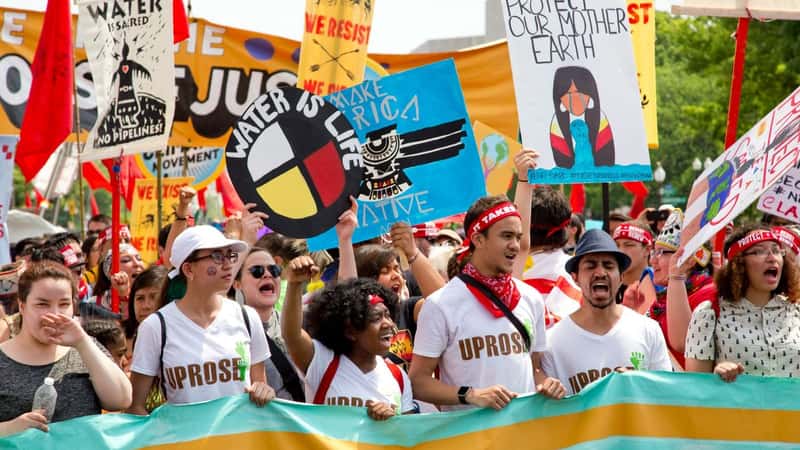
The Bougainville community in Panguna wants justice for mining’s ‘toxic legacy’ – Image for illustrative purposes only (Image credits: Unsplash)
Bougainville, an autonomous region of Papua New Guinea, is home to the Panguna mine site that once ranked as the largest open-pit copper and gold operation anywhere. For years the facility shaped both the economy and the landscape of the surrounding area, yet its closure left behind extensive environmental damage and social disruption that persist today. Local leaders continue to press for meaningful remediation while new commercial interest in the site emerges.
A Mine That Defined a Generation
The Panguna operation began in the early 1970s under a subsidiary of Rio Tinto and ran until civil conflict forced its shutdown in 1989. At its peak the pit extracted vast quantities of ore and generated substantial revenue, much of which flowed outside the region. Residents living nearby experienced profound changes to their land, water sources, and traditional livelihoods during those decades of active mining.
Indigenous Nasioi woman Theonila Roka Matbob grew up in the immediate vicinity and witnessed the transformation firsthand. She later entered politics and has become a leading voice calling attention to the long-term consequences that remain visible across the landscape and within community health.
Persistent Environmental and Social Effects
Tailings and waste rock from the mine continue to affect rivers and surrounding soils, limiting safe access to clean water and productive farmland for many families. Social strains tied to the original operations, including displacement and fractured community structures, have proven equally difficult to reverse. These conditions form what residents describe as a lasting toxic legacy that successive governments have yet to fully address.
Practical consequences extend to daily life. Agricultural yields have declined in affected zones, and some households report ongoing concerns about contamination in local food chains. Without systematic cleanup, these pressures compound over time and constrain economic options for younger generations.
Legal Steps Toward Accountability
Roka Matbob worked with Jubilee Australia and the Human Rights Law Centre to lodge a formal complaint through Australia’s National Contact Point for Responsible Business Conduct. The process produced a memorandum of understanding between Rio Tinto and the Bougainville government aimed at assessing and addressing legacy impacts. For her role in advancing the case she received the Goldman Environmental Prize.
Despite the agreement, Roka Matbob has expressed doubt that concrete remediation will follow promptly. She has emphasized the need for open discussion of the full history, noting that political decisions made decades ago continue to shape present conditions on the island.
New Commercial Interest Alongside Unfinished Business
Late last year the Bougainville government signed a separate memorandum of understanding with India’s Loyd’s Metals to explore redevelopment of the Panguna site. The move introduces fresh economic possibilities yet also raises questions about how any new activity would interact with existing environmental liabilities.
Stakeholders now face a dual timeline: one track focused on remediation commitments from the original operator and another centered on potential renewed extraction. Clear sequencing and transparent oversight will determine whether past harms are mitigated before further development proceeds.
Looking Ahead
Communities around Panguna continue to advocate for recognition of the full scope of damage and for practical measures that restore land and water quality. Their efforts highlight broader questions about corporate responsibility in extractive industries operating across remote regions. Progress will depend on sustained attention from both national authorities and international partners.