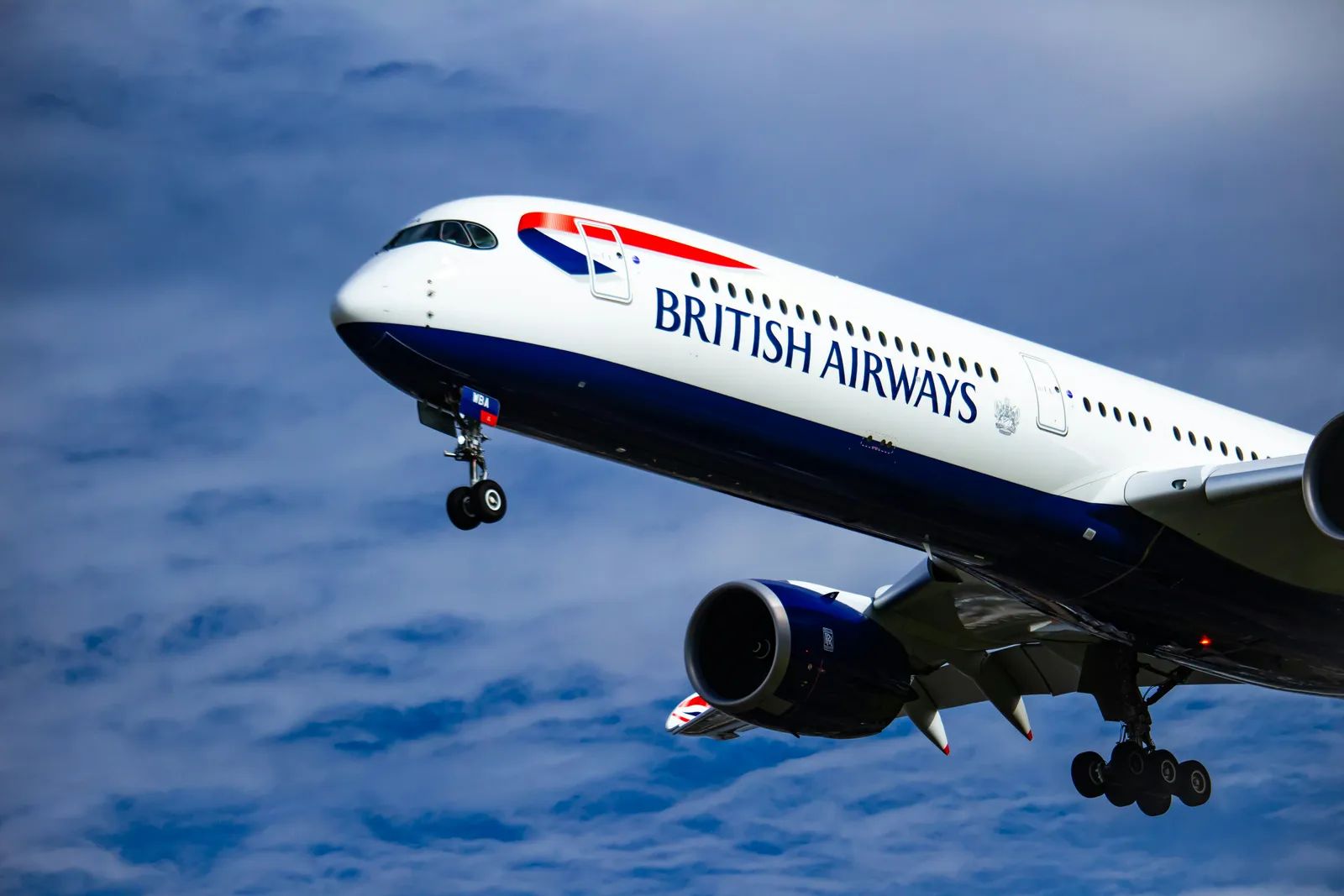
British Airways plans to strengthen its position as the leading European airline serving the United States by boosting flight frequencies rather than launching entirely new routes in summer 2027. The carrier already reaches 27 American destinations, more than any other European airline, and executives see value in deepening service on established links from London Heathrow. This measured approach comes as several competitors prepare to open fresh nonstop connections to cities such as Columbus, Nashville and Phoenix. ([1])
Frequency Increases Target Four Key Cities
British Airways will add flights to Cincinnati, Las Vegas, San Francisco and St. Louis next summer. Cincinnati service rises from five to six weekly flights. Las Vegas moves to twice-daily operations from the current 13 weekly flights. San Francisco gains a third daily flight, while St. Louis advances to daily service from four weekly flights. These adjustments build on recent additions, with Cincinnati launched in 2023 and St. Louis added in April of this year. The changes reflect a deliberate focus on markets where demand already supports higher capacity. Travelers on these routes can expect more schedule options and potentially better connection times through Heathrow. The airline views such incremental growth as a lower-risk way to meet rising transatlantic demand without stretching resources across untested destinations.
Competitors Introduce New Nonstop Options
Air France, American Airlines, Lufthansa and United Airlines are among the carriers introducing new European nonstop flights from several mid-sized American cities next summer. Some of these routes will mark the first transatlantic service for those airports. The moves create additional choices for passengers in markets that previously lacked direct links to Europe. British Airways is monitoring the developments closely. Executives note that population size remains a key factor when evaluating potential new cities. Among the largest U.S. metropolitan areas still without British Airways service are Columbus, Detroit, Indianapolis, Kansas City and San Antonio. The carrier has no immediate plans to name specific targets, yet it continues to assess opportunities in secondary markets.
Coordination With Partners and Fleet Constraints
British Airways must align its transatlantic strategy with fellow International Airlines Group members Aer Lingus and Iberia. Aer Lingus will reduce service to Las Vegas, Denver and Minneapolis to control costs. Iberia has not announced new U.S. destinations for 2027 despite earlier growth ambitions. Joint-venture arrangements with American Airlines and others allow schedule and fare coordination on overlapping routes, which helps avoid unnecessary duplication. Fleet availability also shapes the outlook. British Airways prefers its smallest long-haul aircraft, the Boeing 787-8, for any new city launches. The airline operates only 12 of these jets and holds no current orders for additional examples. It can redeploy the aircraft as larger planes take over mature routes, but this process limits the speed of any expansion.
Outlook for Travelers and Market Balance
Passengers flying between the United States and Europe will gain more flight choices overall in 2027. British Airways intends to protect its extensive network while rivals test new city pairs. The result is likely to be steadier capacity growth on proven routes alongside fresh options from competing carriers. The strategy underscores a preference for sustainable expansion over rapid additions. By increasing frequencies where demand is proven, the airline aims to improve reliability and passenger experience without overextending its current fleet.