Canada’s most picturesque destinations have been quietly built over generations. The cobblestone streets, mountain trails, and coastal paths were designed for residents who chose these places for their serenity and natural beauty. Yet something dramatic has shifted in recent years. What once felt like a secret escape now resembles a crowded theme park during peak season.
Nearly four million people visited Banff in 2024 alone, and overtourism is a growing concern for Parks Canada. Cities that once offered peaceful escapes from urban life now face unprecedented crowding, traffic congestion, and stretched local services. The very charm that drew people to these communities is being eroded by their popularity. Social media has transformed hidden gems into must-see destinations almost overnight, creating pressure that infrastructure simply wasn’t designed to handle. Let’s dive into five Canadian cities where the dream of living in paradise has collided with the reality of managing millions of visitors.
Banff: When Four Million Visitors Overwhelm a Mountain Town
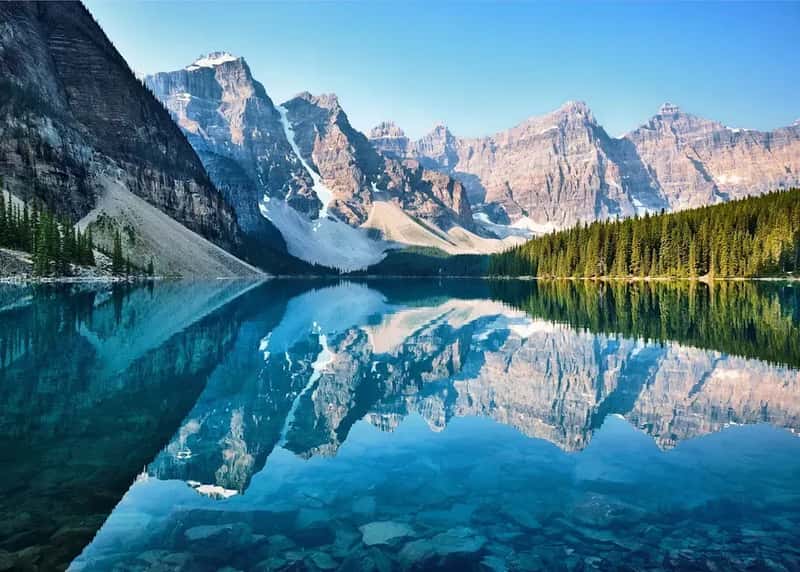
The numbers tell a sobering story about what’s happening in this iconic Alberta mountain town. It opened the floodgates and led to an estimated record 786,000 visits to Banff National Park in August and about 730,000 in July, according to Alberta government statistics. The summer of 2025 saw daily vehicle counts that consistently exceeded the town’s threshold. Banff’s road network is often at capacity in the summer months, when the townsite has about 24,000 vehicles a day. Banff had a record 6.7 million vehicles enter and leave Banff in 2024 and this year is on pace to break that mark.
A recent Town of Banff survey shows residents are highly satisfied with their quality of life in Banff, but one-third feel their quality of life has declined in the past three years because of the rising cost-of-living, tourism and overcrowding. Traffic jams have become a daily occurrence rather than an occasional inconvenience. Residents struggle to access basic services during peak hours as tourists flood restaurants and shops that were designed to serve a community of roughly 10,000 permanent residents.
According to the 2023 Banff Community Social Assessment, residents experience negative impacts on their quality of life, including traffic congestion, noise, and vehicle pollution, and increased safety concerns due to tourists’ misdemeanours. Wildlife encounters have increased dangerously as roads become congested and visitors venture into sensitive ecological areas. The town that symbolizes Canada’s commitment to natural preservation now finds itself caught between economic dependence on tourism and the urgent need to protect the environment that makes it special.
Quebec City: Where Cruise Ships Reshape Historic Neighborhoods
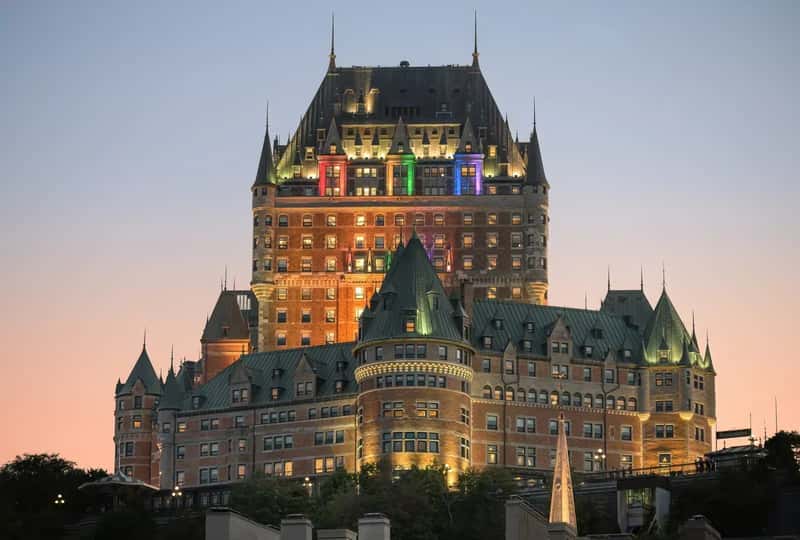
Old Quebec’s UNESCO World Heritage status has made it a magnet for international tourism, particularly from massive cruise ships docking along the St. Lawrence River. The Quebec Port Authority hopes to have 400,000 cruise ship passengers dock in the city by 2025, which is double the city’s current numbers. Every summer, the narrow cobblestone streets designed for horse-drawn carriages centuries ago become clogged with thousands of day-trippers arriving simultaneously from cruise terminals.
Every summer, the streets of Old Quebec – a UNESCO World Heritage Site – are packed with tourists, but some locals are up in arms, worried about the city being overrun by out-of-towners. We lost 500 people in (the) Vieux Quebec (neighbourhood) in the last 10 years. Longtime residents are being priced out as short-term vacation rentals replace affordable housing options. Local markets and essential services have relocated to less touristy neighborhoods, leaving the historic core increasingly hollow.
The problems, he said, are particularly obvious during the summer and lead to “traffic jams, noise and too many people in the same place at the same time.” The delicate balance between showcasing French-Canadian heritage and maintaining livable neighborhoods for actual Quebecois families has become increasingly difficult to manage. Residents feel their historic quarter is transforming into an open-air museum rather than a living, breathing community.
Victoria: Housing Crisis Meets Tourism Boom
According to the Canada Mortgage and Housing Corporation, Greater Victoria is the third-most expensive rental market in Canada, after Toronto and Vancouver. At the end of 2022, the median price of single-family homes and condominiums combined was just over $1 million. The British Columbia capital faces a unique challenge where tourism prosperity coexists with severe housing affordability problems. Essential workers including nurses and teachers find themselves priced out of the city they serve.
Victoria is now one of the most expensive rental markets in the country, pushing renters and potential homeowners to reconsider their futures on the Island. A lack of affordable rental housing has pushed many health-care workers to consider opportunities off island, according to Caitlin Jarvis, a community nurse and liaison for the British Columbia Nurses’ Union. The tourism industry requires staff, yet those same workers cannot afford to live near their workplaces. It’s an economic paradox that threatens the sustainability of the entire community.
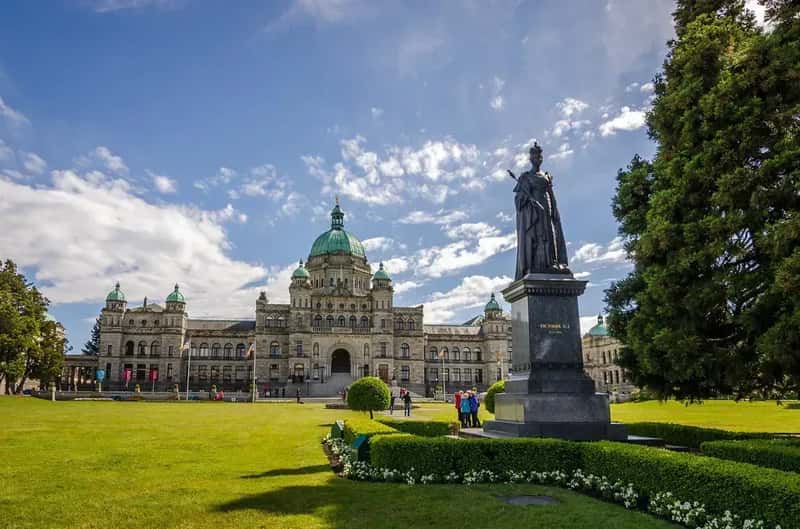
The picturesque Inner Harbour, with its iconic Empress Hotel and Parliament Buildings, attracts visitors year-round. Tourism provides crucial revenue but simultaneously drives up real estate prices as investors snap up properties for short-term vacation rentals. Families who’ve lived in Victoria for generations watch helplessly as neighborhoods transform into transient vacation zones rather than stable residential communities where children grow up and seniors age in place.
Tofino: A Surf Town Drowning in Its Own Success
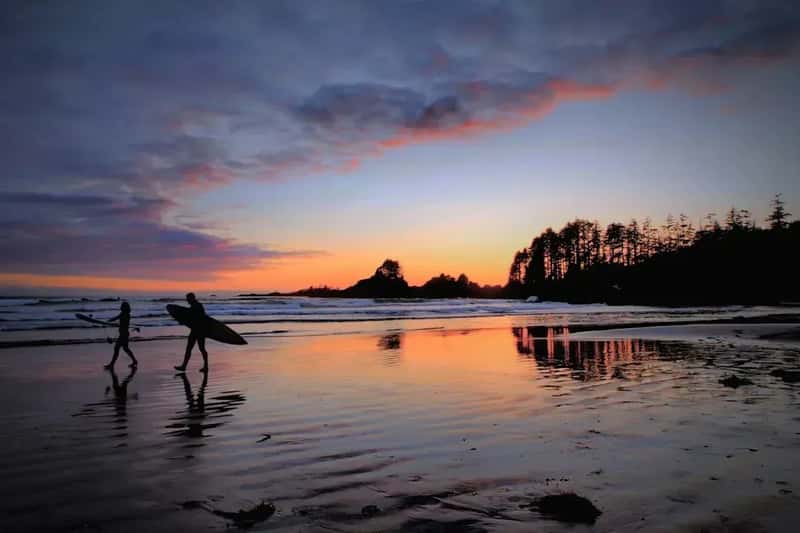
This tiny coastal community exemplifies how quickly overtourism can overwhelm small-town infrastructure. Tofino’s stunning beaches and relaxed vibe have gone viral, drawing far more tourists than its size can handle. The town of about 2,500 residents hosts hundreds of thousands of visitors each summer. With a visitor-to-resident ratio nearing 100 to 1, Tofino’s infrastructure is struggling to keep up. Roads become congested, beaches get crowded, and the small-town services that locals rely on are stretched thin.
Water scarcity has emerged as a critical summer challenge. The District of Tofino Stage 3 water restrictions by July 10. An urgent message was issued by the district on July 14, asking that the community and businesses to immediately reduce water consumption by 20 per cent. Hotels were asked to remove bathtub stoppers and extra towels from rooms while residents were urged to limit showers to four minutes. The surf culture that once defined Tofino now competes with Instagram tourism, where visitors arrive seeking the perfect photo rather than genuine connection with the coastal environment.
One capital that every respondent noted was the increasing housing crisis. Business owners outlined that they struggle to house their staff, making it challenging to find and keep staff, which is tied to business viability and success. Local businesses struggle to serve community members during peak tourist hours as their restaurants and shops become overwhelmed. The delicate ecosystem that attracted visitors in the first place faces mounting pressure from the sheer volume of human activity concentrated in such a small geographic area.
Whistler: The Mountain Resort Pricing Out Its Workforce
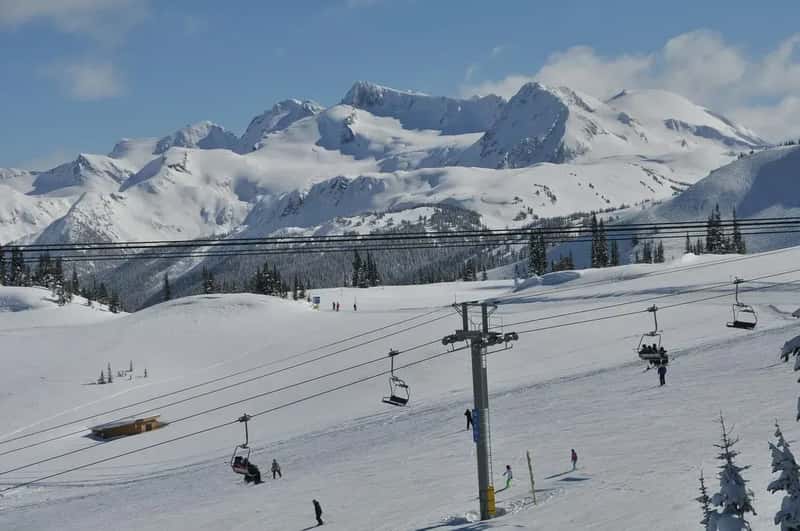
Originally developed as a ski resort destination for the 2010 Winter Olympics, Whistler has transformed into a year-round international tourism magnet. What was once a seasonal mountain community now operates at near-capacity throughout the year, with summer mountain biking and hiking attracting crowds that rival winter ski season numbers. The infrastructure built for periodic tourist influxes now faces constant pressure from visitors who arrive expecting world-class amenities and experiences.
Housing affordability has reached crisis levels for the workers who keep Whistler’s tourism economy functioning. Lift operators, restaurant staff, and hotel employees find themselves commuting from increasingly distant communities because they cannot afford to live where they work. The irony isn’t lost on longtime residents who remember when Whistler was an accessible mountain escape rather than an exclusive international resort where median home prices exceed what most Canadians earn in several years.
The blend of natural beauty and purpose-built tourism infrastructure makes Whistler particularly vulnerable to overtourism impacts. Trails designed for moderate use show significant erosion from constant foot traffic. Wildlife corridors become disrupted as development spreads to accommodate growing visitor numbers. The mountain environment that justified creating a resort in the first place faces degradation from the very success of that venture, creating an uncomfortable tension between economic prosperity and environmental sustainability.
The Bigger Picture: When Success Becomes Unsustainable
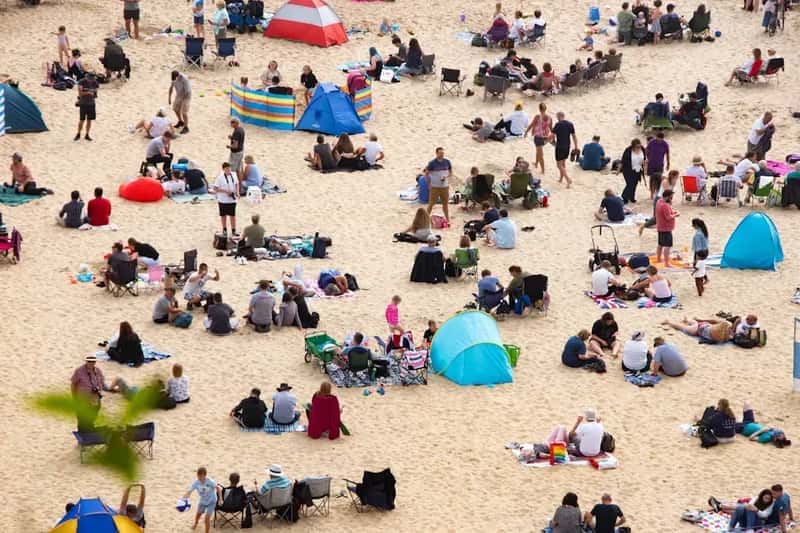
These five cities represent a broader Canadian challenge where tourism success threatens the qualities that made destinations attractive initially. Local residents face rising housing costs, packed restaurants, and access issues during peak seasons. Communities designed for thousands of residents suddenly accommodate tens of thousands of visitors simultaneously, straining every system from water supplies to waste management to emergency services.
Overtourism has shown damaging effects to the region and has made housing costs more expensive for locals. Its purpose is to highlight destinations where tourism is placing unsustainable pressures on the land and local communities. The question facing these communities isn’t whether tourism should exist but rather how much tourism serves the community versus simply extracting value from it. Finding that balance requires difficult conversations about limiting visitor numbers, implementing tourism taxes, and potentially turning away revenue during peak periods.
What would you think if your neighborhood suddenly hosted a hundred times its normal population every summer? These Canadian cities are grappling with precisely that reality, searching for solutions that preserve both economic vitality and community livability. The answer won’t be simple, but the urgency of finding it grows with each passing tourist season.