
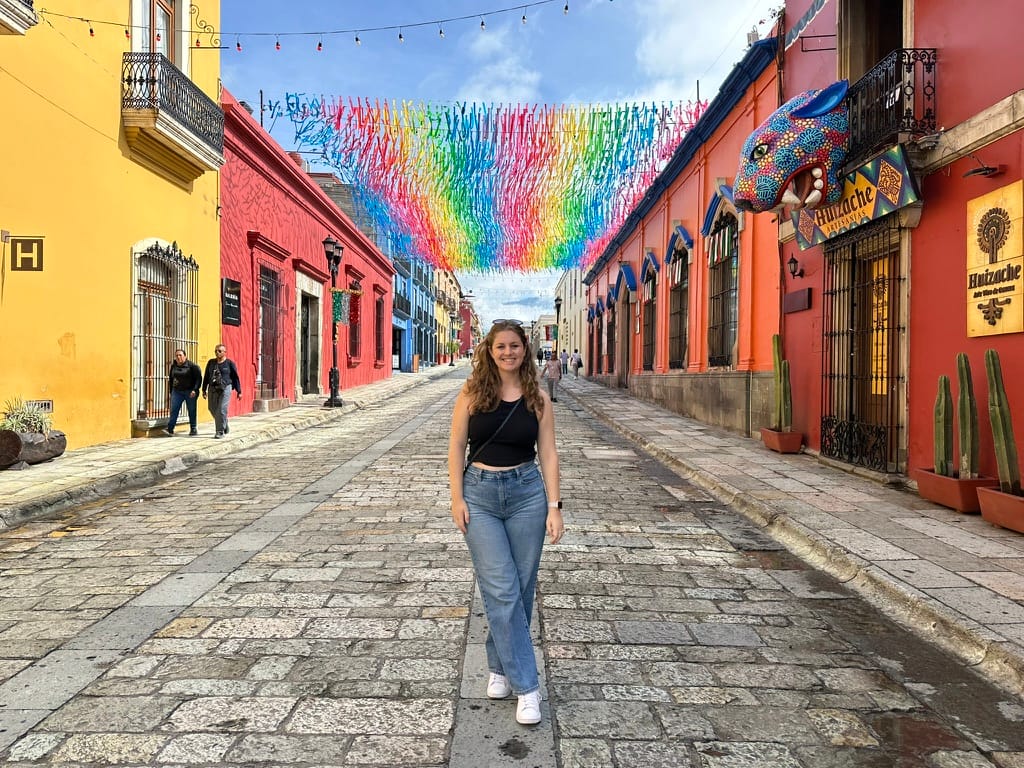
Roasting peppers over open fires, bubbling chocolate in ceramic bowls, and blue maize hanging above doorways. These sights and scents make you feel that Oaxaca is one of a kind in the world. Throughout the centuries, this region of Mexico has fought to preserve its indigenous Zapotec traditions, transforming this colonial city into a destination rich in stories, culinary traditions, and artisanal practices that predate the arrival of the Spanish.
No matter how many times I return to the city, there is something new to learn and experience. Even if you don’t have much time, you can immerse yourself in its vast history and traditions – whether you plan on eating your heart out, buying too many artisanal alebrijes, or snapping photos of every colorful building. This guide is a three-day adventure that explores Oaxaca and offers inspiration and suggestions for your visit.
Day 1: Busy Markets, Spanish Cathedrals, and Rich Mole
Each morning in Oaxaca begins at the Mercado 20 de Noviembre for locals and tourists alike. The moment I stepped in, the air thickened with the smell of roasted meats and fresh tortillas, the sound of vendors calling out, each insisting theirs is the best breakfast place.“Quesadillas, tamales, enchiladas.” The words ringing out, bouncing off the colorful piñatas hanging from the ceiling. Finding the stall recommended by family, I scooted into the bench and ordered a mole-covered tamal wrapped in banana leaves, and a bowl of hot chocolate with bread — the best way to start the day.
From the market, I walked toward the Zocalo, the city’s main square, watching the streets slowly wake up. As I sat on a bench, I watched the vendors selling balloons and toys. Musicians played “Cielito Lindo” in front of the outdoor restaurants, and families entered the towering stone cathedral. Walking up to the church, I analyzed its intricate facade, a reminder of the legacy of Spanish colonization in a city that still retains so much of its indigenous heritage.
Strolling down the andador turistico, a main walkway lined with colorful colonial buildings, art galleries, and artisan shops, I marveled at the vibrant culture that exudes from each trinket shop, cafe, and gallery.

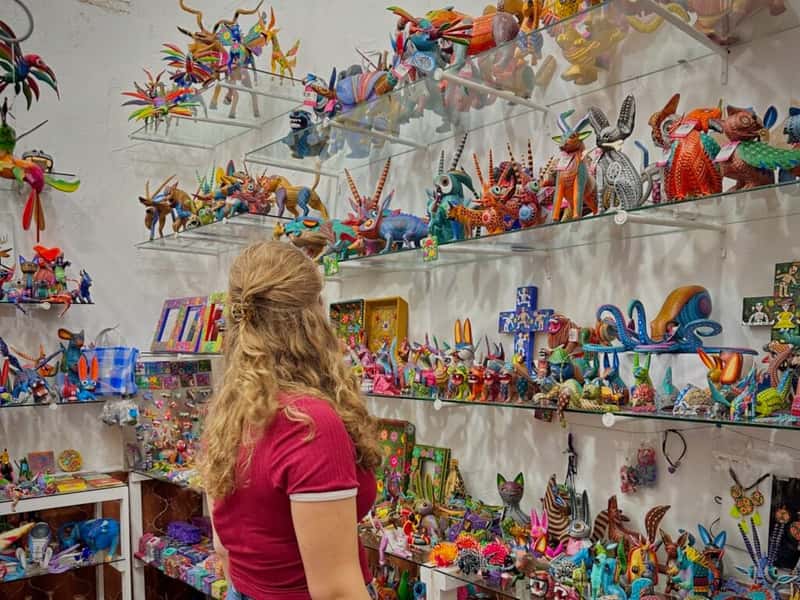
Passing by the Church of Santo Domingo de Guzman, I wandered into any gallery that caught my attention, walking past colorful alebrijes that took hundreds of hours to complete, ceramics with intricate carvings and adorable faces, and textiles woven in patterns passed down through generations. Nahuals, as the alebrijes are referred to here, are spirit animals that each hold a different meaning, and are often carved out and painted with colorful patterns.
Meals are my favorite part of visiting Oaxaca, whether it is delicious garnachas—small, hand-sized fried corn bases topped with different meats—or mole dishes, the region’s traditional sauce. At least once in Oaxaca, it is worth visiting world-renowned restaurants such as Casa Oaxaca, Los Danzantes, Tierra de Sol, and Levadura De Olla, all acclaimed for their blend of traditional dishes and modern cuisine twists.

By mid-afternoon, wandering through Oaxaca inevitably leads you to a drink, whether that is chocolate, tejate (a drink made from nixtamalized corn and chocolate), or a stronger option: mezcal. Originating from the region, mezcal is the go-to drink in the city, with mezcal bars, tasting tours, and palenques (traditional mezcal factories) available for a visit.
Day 2: Zapotec Ruins and Spirit Animals
On the second day, I rose early to grab a quick coffee and pastry before jumping into a taxi to journey up the hill to the Monte Alban archaeological site. As a coffee fanatic, I can say Oaxaca’s cafe scene does not disappoint.
The city has hundreds of espresso bars, matcha spots, and traditional coffee places such as Cafe Brujula, Boulenc, Cafe Pabilo, and Sagrada Filemon, to name a few.
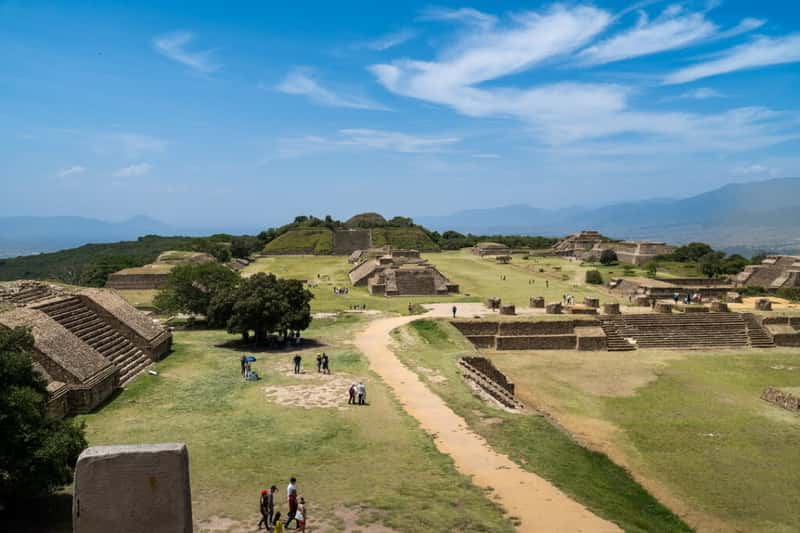
Climbing higher and higher up the hill, we made our way to the entrance to the ancient Zapotec city. Standing at the top, the scale of this once mighty empire came into view. Large pyramids, open courtyards, and ball courts. The Zapotec were the first civilization in Mesoamerica to develop a writing system, and archaeologists are still uncovering its secrets (including an incredible tomb discovered early in January this month).
Returning to the city, I stopped at Los Danzantes for a much-needed plate of pollo con mole. This restaurant has become my favorite, and while it has a slightly higher price point, it is absolutely worth it.
Next stop: Voces de Copal for a nahual workshop. What began as a simple hour-long class turned into one of the most memorable experiences of my trip.
After choosing a Zapotec animal based on our birthdays, the group spent over two hours chatting with our instructor about Oaxacan history, indigenous culture, and learning Spanish. Learning about his Zapotec community and history, our instructor, with long straight hair down to his hips and a large feather coming out from behind his ear, explained how proud he is to be sharing his roots while also meeting people from around the globe.
Day 3: Gardens, Games, and Protests
On the third day, I joined a walking tour in the Jardin Ethnobotanico, located beside the Santo Domingo church. Walking through the gardens, I learned about the region’s native plants. Lingering at the reflective pool surrounded by tall cacti, I enjoyed the garden’s stillness and peace. From there, it was a quick hop over to the History Museum in the Church’s complex.
Inside, the museum housed Zapotec artifacts alongside a centuries-old library, tracing the story of Oaxaca from pre-Hispanic times to the Mexican Revolution.

Stepping into the main square, there was a large tent set up, with hundreds of people cheering and clapping. The Festival of National Native Games and Sports was taking place. Groups from every Mexican state gave an engaging presentation, accompanied by music, dance, and laughter. Watching the Colima group, sharing their indigenous archery techniques, I felt the weight of the importance of carrying on these legacies. The head of the group explained in Spanish, “It is essential we share these practices, it keeps them alive and passed down to our kids.”
After a long meal, inevitably more mole, the day offered a final lesson. Standing on a balcony, I watched as hundreds of people carried images of people who had disappeared in the state. The contrast between the celebration and grief was palpable. While protesting in front of the town hall, I broke my heart seeing the ongoing struggles so many people here face.

From witnessing the complexity of mole recipes to the artistry of the alebrije workshops, the city is the perfect place to fall in love with Mexico’s cultural traditions and people.
If you are planning to visit the city, there are plenty of additional activities, from the historic towns known for artisan workshops to natural wonders such as Hierve de Agua. However much time you have, you will enjoy the magic and splendor of Mexico’s cultural capital.