Climate-fueled landslides killed an estimated 58 Tapanuli orangutans, study finds – Image for illustrative purposes only (Image credits: Pixabay)
North Sumatra, Indonesia – A newly published study has tied an extreme weather event directly to the deaths of dozens of the planet’s rarest great apes. Landslides unleashed by Cyclone Senyar in November 2025 swept through the Batang Toru ecosystem and killed an estimated 58 Tapanuli orangutans. The loss equals roughly 7 percent of the species’ remaining population, which stands at fewer than 800 individuals.
The Storm That Changed Everything
Cyclone Senyar delivered rainfall far heavier than typical monsoon patterns in the region. The downpour destabilized steep slopes across the western block of Batang Toru, a core habitat area that supports more than 500 of the apes. Researchers tracking the aftermath concluded that the resulting debris flows moved with exceptional speed and force.
Most animals caught in the path had little chance to reach safety. The flows buried, crushed, or swept individuals away before they could react. Scientists note that the shallow but rapid slides left almost no time for escape, turning what might have been survivable events into fatal ones.
Mapping the Scale of Destruction
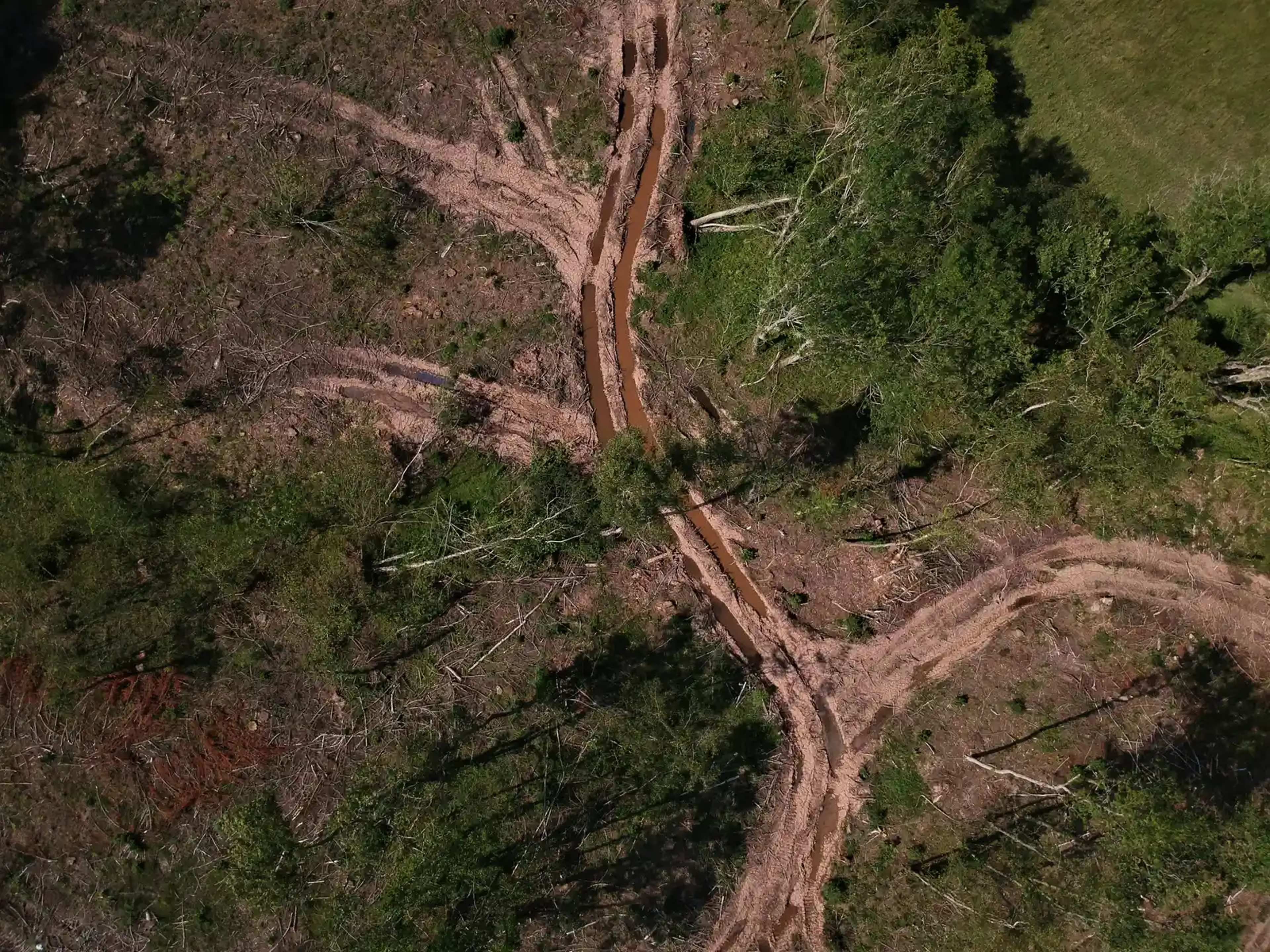
Analysis of satellite imagery revealed more than 50,000 distinct landslide scars across the affected landscape. Roughly 8,300 hectares of forest in the western block suffered damage. That block represents the species’ most important remaining stronghold and one of only three known population clusters in the entire Batang Toru landscape.
The researchers stress that the orangutans did not simply relocate. The violence of the debris flows makes survival unlikely for those directly in the path. The findings appear in the journal Current Biology and mark what the authors describe as one of the earliest documented cases of climate-driven weather immediately reducing a species’ global numbers.
Why This Event Stands Apart
Tapanuli orangutans already face severe pressure from habitat loss and fragmentation. Adding sudden, weather-related mortality on this scale introduces a new and unpredictable threat. The study authors emphasize that the connection between rising global temperatures, more intense storms, and direct wildlife mortality is no longer theoretical.
Conservation groups have long warned that small, isolated populations are especially vulnerable to single catastrophic events. The loss of 58 individuals in one incident illustrates how quickly such risks can materialize when extreme weather coincides with already limited habitat.
What matters now
Protecting remaining forest corridors and monitoring slope stability in key areas have become immediate priorities. Continued research will help determine whether similar events become more frequent as climate patterns shift.
Looking Ahead for the Species
The Tapanuli orangutan population was already among the smallest of any great ape. Further losses of this magnitude could push the species closer to extinction. The study serves as a concrete reminder that climate impacts are no longer distant projections but measurable events affecting individual animals today.
Efforts to reduce greenhouse gas emissions and strengthen local habitat protections remain the most direct ways to lower the chance of repeat disasters. The Batang Toru landscape now carries an added layer of urgency for anyone working to keep the world’s rarest great ape from disappearing.