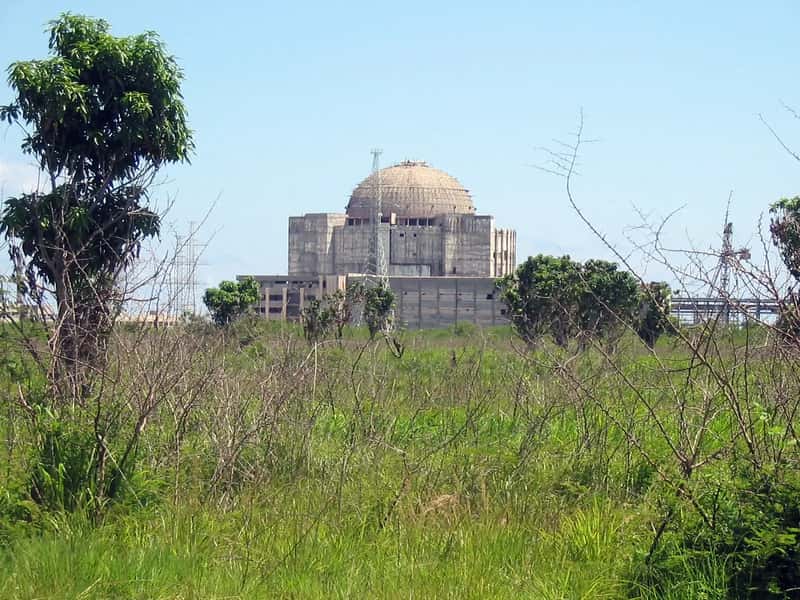
Across the bay from the colonial port city of Cienfuegos, a colossal grey dome rises above the sugarcane fields, visible for miles yet visited by almost no one. It is the shell of a nuclear reactor that was never switched on, a monument to a partnership that collapsed before the concrete had even cured. Decades later, the Juraguá remains one of the most striking symbols of unfinished Cold War ambition anywhere in the world, and its story has taken on new relevance as Cuba’s electrical grid buckles under the weight of its worst energy crisis in a generation.
A Cold War Dream Born In Havana
Cuba’s flirtation with nuclear power actually predates the revolution’s closest ties to Moscow. Cuba’s interest in civil use of nuclear energy dated back to 1956, when Cuba and the United States signed an agreement for cooperation concerning civil uses of atomic energy, a deal that suggested the possibility of further cooperation extending to the design, construction, and operation of nuclear reactors.[1] That early opening with Washington went nowhere once the political relationship between the two countries froze solid after 1959.
The idea resurfaced two decades later, this time with the Soviet Union as partner. In 1975 Cuban and Soviet officials signed treaties for cooperation in the peaceful uses of nuclear energy, and in 1976 Cuba and the Soviet Union signed an agreement to construct two 440-megawatt nuclear power reactors in the south central province of Cienfuegos, near the village of Juraguá.[1] The ambitions did not stop there. The two reactors were the last vestige of a far grander 1978 deal between Cuba and the Soviet Union that originally called for twelve reactors, four each at Juraguá, Puerto Esperanza in the western part of the island, and Holguín in the east, before the Soviets pared the plan down to just two units, both at Juraguá.[2]
Building The “Undertaking Of The Century”
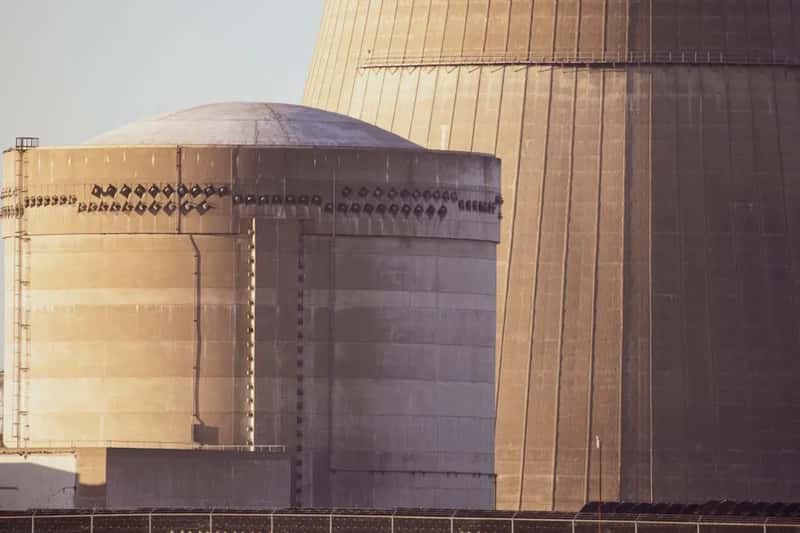
Fidel Castro treated the project as a national mission rather than a mere infrastructure upgrade. The construction of the first reactor started in 1982, and was supervised by President Castro’s eldest son, Fidel Castro Díaz Balart.[3] The younger Castro was no figurehead appointment either; he had trained for the role. Fidel put his son, known as Fidelito, in charge, and as a graduate in nuclear physics from the Soviet Union, he embodied the promise of a bright future for Cuba.[4]
Castro reportedly described the plant as nothing less than the achievement that would define the era, and the site was treated accordingly, with thousands of Soviet technicians, engineers and Cuban trainees pouring into the region. Juraguá was to house two Soviet-designed pressurized VVER-440 V318 water reactors that would produce as much as 15 percent of Cuba’s electricity needs, with a design that differed from the Chernobyl-era RBMK reactors in that its core and fuel elements were contained within a pressurized steel dome.[5] By the standards of Soviet nuclear exports, this was meant to be a showcase, not an afterthought.
Ciudad Nuclear: A Town Built For A Future That Never Arrived
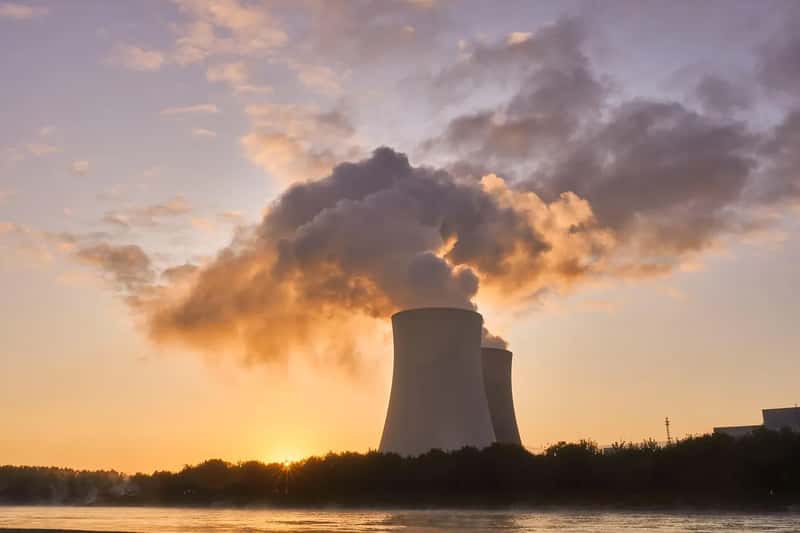
No serious Soviet nuclear project came without its company town, and Juraguá was no exception. Just as Ukraine’s Chernobyl had the neighboring city of Pripyat and Lithuania’s Ignalina facility had Visaginas, Juraguá was to be accompanied by a planned city dubbed Ciudad Nuclear, intended to contain 4,200 homes for the plant’s scientists, engineers and workers, with construction beginning on high-rise towers some 15 to 20 stories tall.[5] The ambition of the housing project mirrored the ambition of the plant itself.
Workers moved in with real hope for a different kind of life. The Ciudad Nuclear, also built in 1982, was designed to house thousands of workers, some of whom even traveled to the Soviet Union to study nuclear physics and learn Russian, and the roughly 30,000 residents who moved in hoped to become part of what both governments had dubbed “the project of the century.”[3] It is a phrase that later inspired a well-known Cuban film examining the gap between that optimism and what actually followed.
The Soviet Collapse Pulls The Plug
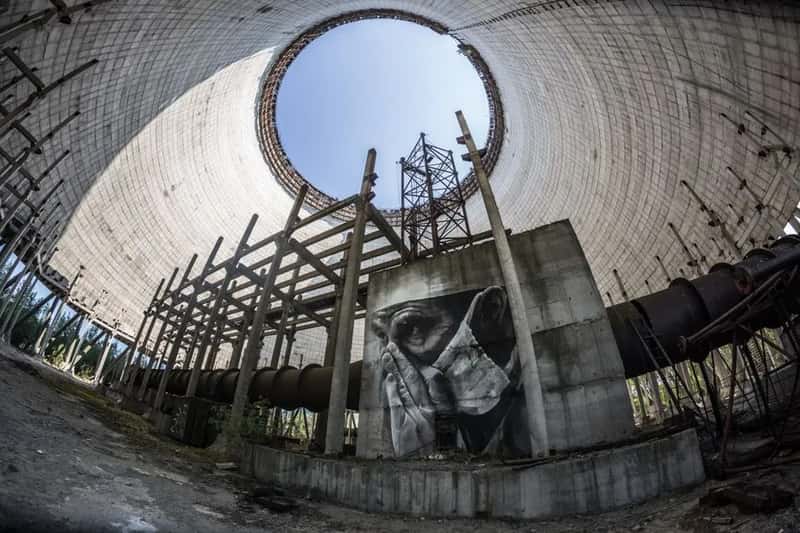
Construction advanced further than many outside observers realize before everything stopped. By 1992, with 1.1 billion US dollars already invested, approximately 90 percent of Juraguá’s foundations and 40 percent of its machinery had been completed.[5] The first of the two reactors, in particular, was close to a milestone that the second unit never approached. By the time the Cubans halted construction, the first reactor was nearly complete, with civil construction such as floor and walls about 90 percent finished.[2]
Then the patron that had bankrolled the entire enterprise simply disappeared. The fall of the Soviet Union had a crippling effect on the project, as the money from Moscow dried up, and in September 1992 Fidel Castro announced that the Juraguá project was temporarily suspended.[6] What was billed at the time as a pause has, in practice, lasted more than three decades.