Florida’s real estate dream has hit a wall. After years of pandemic-fueled price explosions that turned sleepy coastal towns into bidding-war battlegrounds, the market is now correcting in ways that are making even seasoned investors pause. Around 24 Florida housing markets may experience a drop in home prices by mid-2026, and the most vulnerable spots are sitting right on the water. Florida faces a unique triple squeeze – insurance premiums 181% above the national average, post-Surfside condo reserve mandates triggering six-figure special assessments, and domestic in-migration that has collapsed 93% from its 2022 peak. If you’re considering buying in one of these five coastal towns, the data says you may want to wait.
1. Cape Coral – The Canal City Running Out of Buyers
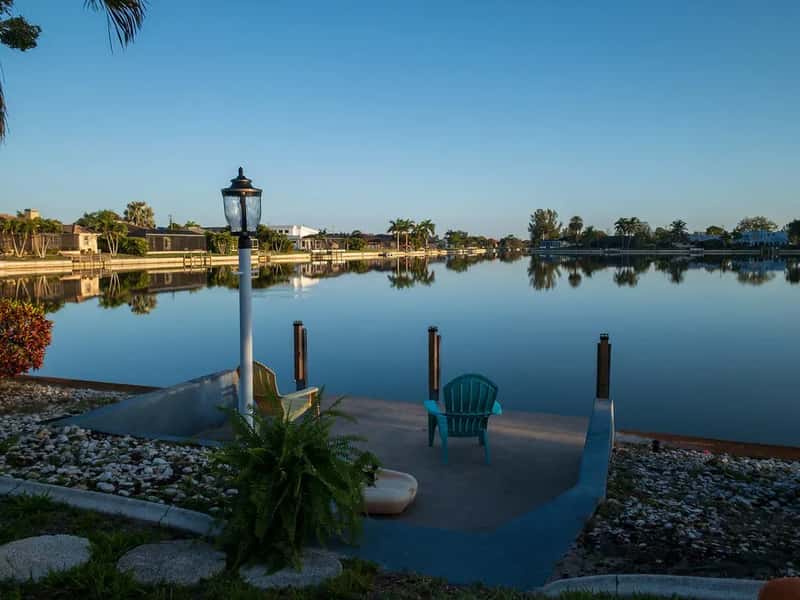
Cape Coral, known for its extensive canal system, has seen home prices fall significantly. According to Realtor.com’s analysis of the latest data, the typical single-family home in Cape Coral sold for nearly 7% less in August 2025 compared to the previous year. Even more striking, compared to the pandemic boom era of August 2022, the median home sales price has dropped by over 13%. That’s not a blip – that’s a structural retreat, and forecasters see more to come. The Gulf Coast regions are expected to experience the most significant price adjustments, with Cape Coral facing a projected decline of 10.2%.
Being on the Gulf Coast makes Cape Coral vulnerable to hurricanes and flooding. This leads to higher and harder-to-get homeowner’s insurance. Cape Coral has the third-highest premium-to-market ratio in the nation at 2.2% – meaning a $350,000 home could cost $7,700 annually in insurance alone. On top of that, ATTOM data from Q3 2025 showed Cape Coral having one of the highest foreclosure rates among major metros. The combination of sky-high insurance, rising foreclosures, and softening prices makes Cape Coral one of the riskiest buys on Florida’s coast right now.
2. North Port – A Market Still Searching for the Floor
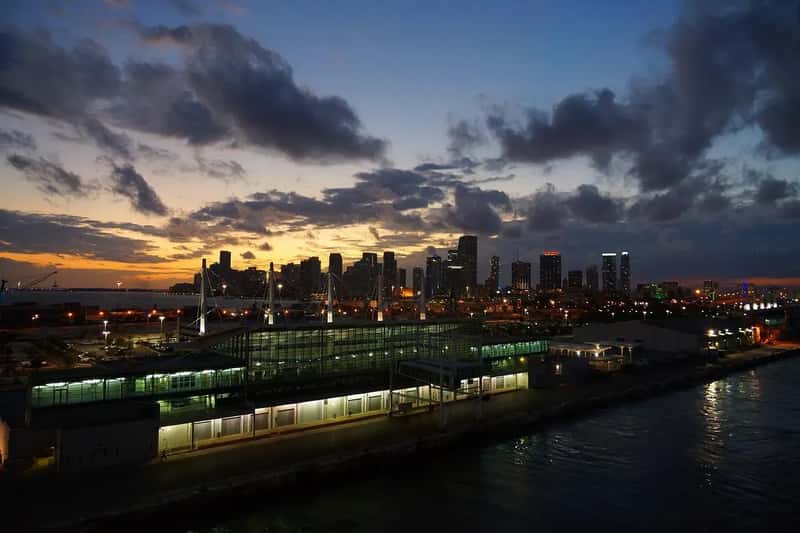
North Port has seen an even more dramatic long-term correction, with typical August 2025 home sales prices 20% less than three years prior. For a town that was considered one of the hottest markets in the country just a few years ago, that’s a jarring reversal. The average home value in North Port, FL is $318,081, down 9.3% over the past year. Homes are also sitting much longer than before – in September 2025, North Port home prices were down 3.6% compared to last year, selling for a median price of $346K, with homes selling after 102 days on the market compared to 82 days the previous year.
Markets like Punta Gorda, North Port, and Cape Coral are projected to see the most significant price moderation by mid-2026. The area boomed during the pandemic relocation wave, but that wave has since receded sharply. Net domestic inflows to Florida fell from 310,892 in 2022 to 22,517 in 2025 – a 93% decline – driven by affordability and insurance costs. North Port, which leaned heavily on that migration surge, is now absorbing the aftermath of an oversupplied market with retreating demand.
3. Tampa–St. Petersburg–Clearwater – A Metro-Wide Cooldown

Home prices in the Tampa Bay area have been in decline since the summer of 2024, and as of December 2025, they continue to fall with no bottom in sight. Zillow data confirms the depth of the correction – the average Tampa–St. Petersburg–Clearwater home value is $354,666, down 6.0% over the past year. Forecasters don’t see an immediate reversal. Forecasts for 2026 vary widely, with Zillow predicting a modest 1.3% rebound while Realtor.com expects prices to fall another 3.6%.
The condo market within this metro is suffering even more acutely. Condos and townhomes have been hit harder than single-family homes, with prices dropping 12% compared to 1.5% for detached homes. Inventory tells the full story: active listings in the Tampa Bay area increased by 14.8% year-over-year according to Realtor.com’s December 2025 housing report. Even though Tampa Bay home prices declined over the past year, they’re still 40% to 50% higher than before the pandemic. Combined with higher insurance costs, Tampa is no longer the affordable coastal market it once was.
4. Fort Lauderdale – Coastal Prestige Meets Market Pressure
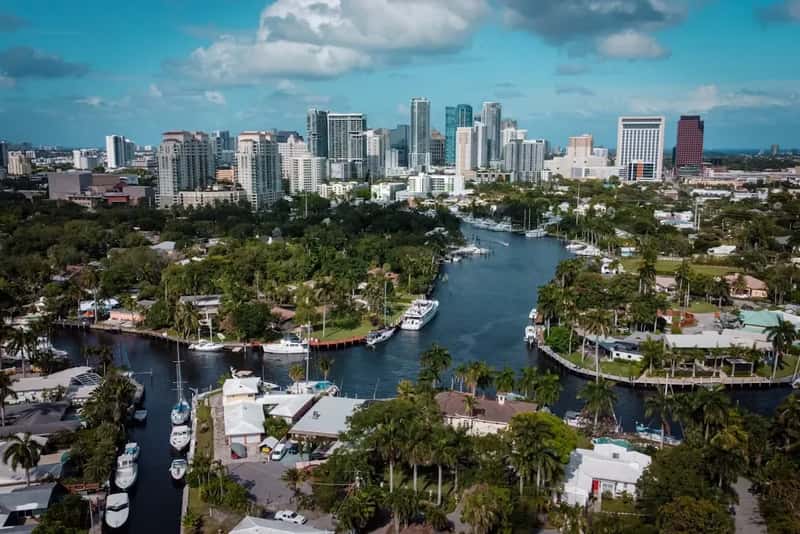
Fort Lauderdale is among the five Florida housing markets – alongside Cape Coral, Lakeland, Palm Bay, and West Palm Beach – in a period of significant price correction. The city carries the weight of coastal exposure and surging holding costs that are pushing buyers to think twice. Redfin forecasts that homes in coastal Florida, including Fort Lauderdale, will sit longer on the market in 2026, identified among the areas most likely to cool, due to heightened natural disaster risks, surging insurance costs, and some former remote workers relocating back to office-centric hubs.
Condo markets statewide are in outright distress – with 13.2 months of supply, prices down 6.1% year-over-year, and 92% of major condo markets declining. Fort Lauderdale, with its heavy concentration of condo inventory along its famous waterways, is directly exposed to this trend. In the first half of 2025, median listing prices for condos were down a significant 10.8% compared to the same period in 2023. For buyers eyeing a Fort Lauderdale condo as a lifestyle or investment purchase, the math on total ownership costs is getting harder to ignore.
5. Punta Gorda – A Small Town With Outsized Risk
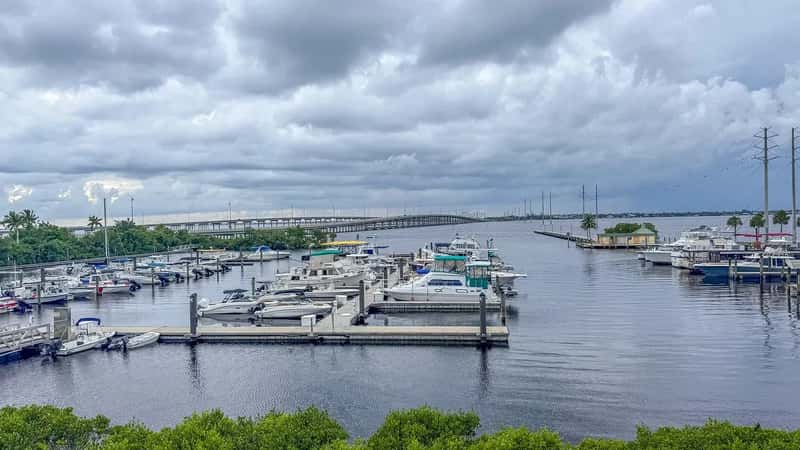
Markets like Punta Gorda, North Port, and Cape Coral are projected to see the most significant price moderation by mid-2026, with percentages in the negative territory. Punta Gorda, a small but scenic Gulf Coast city in Charlotte County, attracted enormous buyer attention during the pandemic years. That attention brought prices to levels that now look unsustainable given the current environment. November data already points to a buyer-friendly market, with Charlotte County recording 399 closed single-family home sales in November, down from 461 in October. Inventory held steady at 6.9 months, a level that continues to favor buyers.
Adding to the challenge is the ongoing hurricane threat and the resulting home insurance crisis. The risk of severe weather has driven insurance premiums to some of the highest levels in the country, making the real estate market more daunting for buyers. The broader statewide data reinforces the pressure. Roughly one third of active listings across Florida have price reductions, and in Southwest Florida metros – which include Punta Gorda – that figure exceeds 40%. The state’s median home value has dropped approximately 5% over the past year, declining from around $396,000 to about $374,000 as of November 2025. Punta Gorda sits squarely in the part of Florida absorbing the deepest share of that correction.