You’ve seen the travel warnings. You’ve read the statistics. Maybe you’ve even heard firsthand accounts from those who’ve barely made it back. Still, thousands upon thousands of tourists pack their bags each year and head straight into places where danger isn’t just possible, it’s practically guaranteed. It’s a strange thing, honestly, this human urge to flirt with the edge. Maybe we’re searching for stories worth telling, or perhaps we’re drawn to the forbidden precisely because it’s forbidden. Whatever the reason, these eleven destinations remain wildly popular despite carrying risks that would make most sensible people turn around. Let’s dive in.
Mount Everest, Nepal and Tibet: The Death Zone That Never Empties
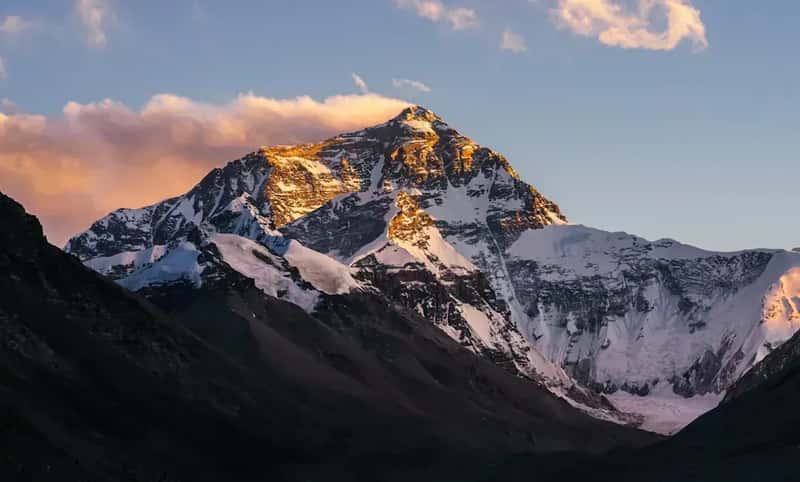
With 900 climbers on its slopes and 12 confirmed deaths, Everest’s 2024 climbing season was one of the deadliest on record, serving as a stark reminder that humanity’s highest mountain remains brutally unforgiving. Despite better equipment and forecasting, Everest recorded 18 deaths in 2023 – the highest in a single year. Yet in 2025, the mountain saw nearly 850 successful summits from both the Nepal and Tibet sides combined.
The so-called Death Zone above 8,000 meters is where oxygen becomes scarce enough to kill you within hours. As of May 2024, 340 people have been killed on this mountain, and the bodies of many climbers remain frozen in place, serving as grim landmarks along popular routes. The 2025 death totals, three on Mount Everest’s upper reaches, five overall, represent a decrease from 2024, when eight people died, and 2023, when 18 lost their lives. The drop doesn’t change the reality that every step toward the summit remains a gamble with your life.
North Yungas Road, Bolivia: Pedaling Down Death Road
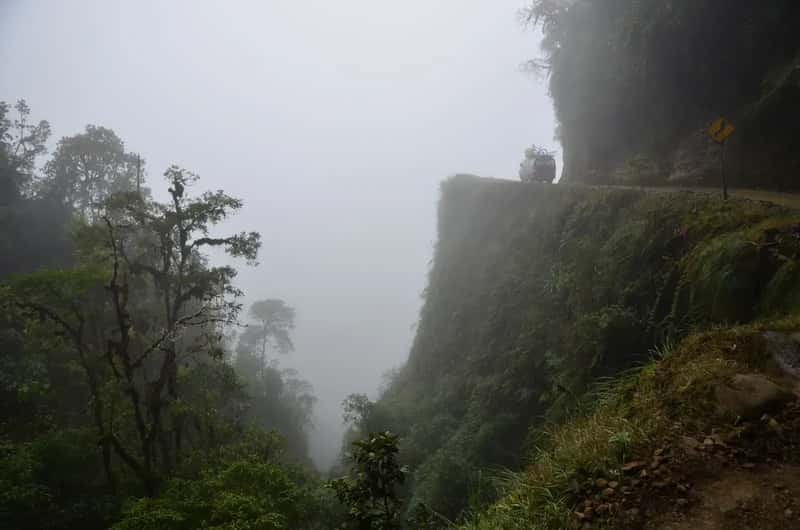
Bolivia’s infamous Death Road earns its nickname for good reason. Until the mid-1990s, the accident rate on the road was between 200 and 300 deaths per year, with buses, trucks, and cars regularly plummeting off cliff edges into gorges over a thousand meters deep. In 1995, the Inter-American Development Bank dubbed it as the most dangerous road in the world.
Here’s the twist. A newer, safer highway opened in 2006, dramatically reducing vehicle traffic on the old road. Now the narrow, crumbling path has become a magnet for mountain bikers seeking adrenaline. Known for its extreme danger with 3,500 metres (11,500 ft) of descent, the Death Road draws about 25,000 tourists per year. At least 18 cyclists have died on the road since 1998, most from reckless riding or overconfidence. Tour companies offer guided descents, but the risk of miscalculating a turn or losing control on rain-slicked dirt remains all too real.
Ilha da Queimada Grande (Snake Island), Brazil: Where Vipers Rule
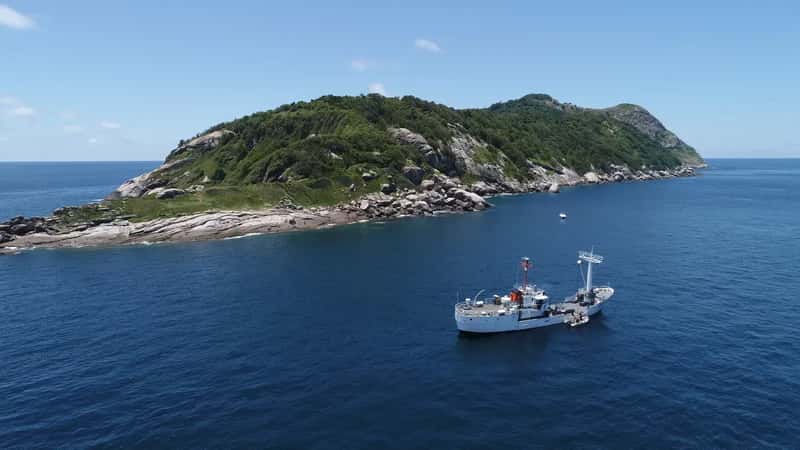
Off the coast of São Paulo lies a small island so dangerous that Brazil’s government has banned nearly all human access. Snake Island is the only natural home of the critically endangered, venomous golden lancehead pit viper (Bothrops insularis), whose diet consists of birds. The Brazilian Navy has closed the island to the public to protect human and snake life.
Early estimates claimed the island held hundreds of thousands of snakes, but the first systematic study of the population of the golden lancehead found the number to be 2,000 to 4,000. That’s still roughly one snake per square meter in the island’s rainforest areas. A critically endangered species, the lancehead has highly potent venom that can kill a human within an hour. Only vetted researchers with special permits are allowed to visit, yet a few daredevil tourists have snuck onto the island illegally, risking both their lives and hefty fines. The allure of the forbidden is powerful enough to override common sense.
Chernobyl Exclusion Zone, Ukraine: Radioactive Ruins Frozen in Time
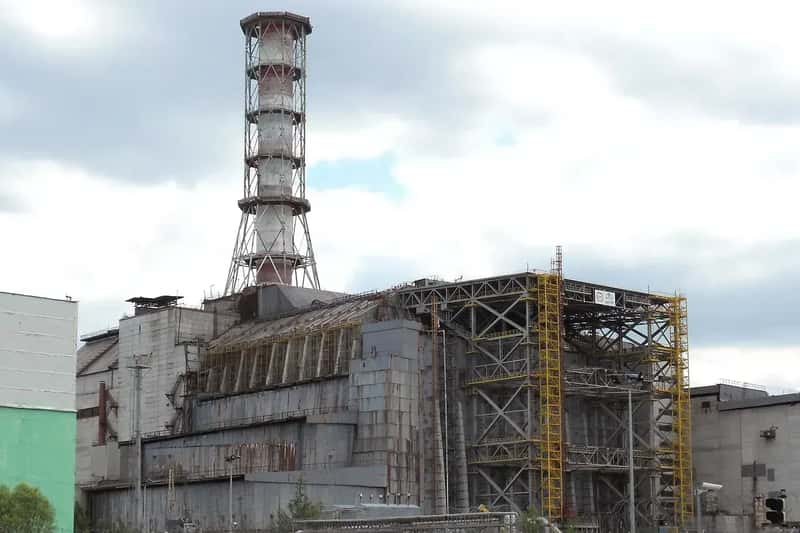
Prior to the 2020 pandemic and Russian invasion there were many visitors to the Exclusion Zone annually, and daily tours from Kyiv. Between 2017 and 2022, over 350,000 tourists visited the site, hitting the maximum peak of almost 125,000 visitors in 2019, largely spurred by the HBO miniseries dramatizing the 1986 nuclear disaster.
As of March 2023, Chernobyl’s Exclusion Zone is closed to visitors, due to the ongoing war between the Ukraine and Russia. Before the closure, tourists could walk through the ghost town of Pripyat, stand near the reactor encased in its massive steel sarcophagus, and experience the eerie silence of a place where time stopped nearly four decades ago. Radiation levels in most tourist-accessible areas are comparable to a transatlantic flight or dental X-ray, making short visits relatively safe when guidelines are followed. The danger lies in wandering off paths into hotspots or ignoring safety protocols.
Somalia: Visiting a War Zone for Bragging Rights
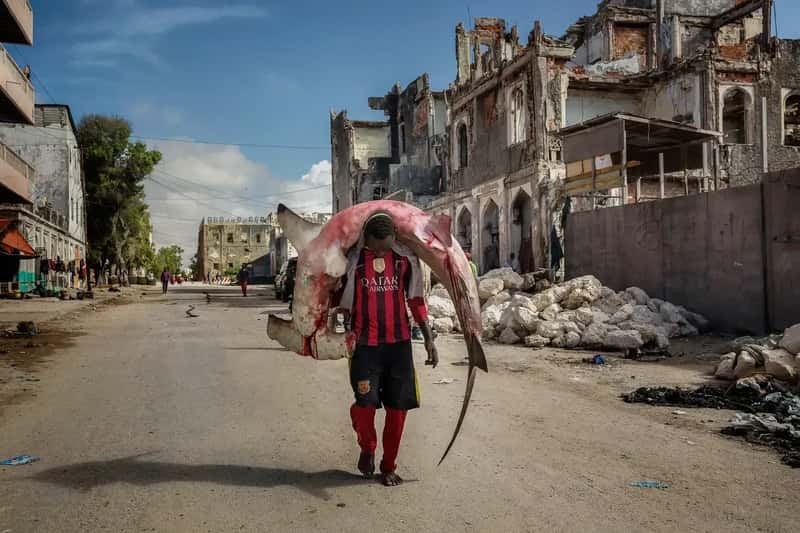
About 10,000 tourists visited Somalia in 2024, according to the country’s Department of Tourism – a 50 percent increase on the previous year, despite every Western government warning travelers to stay away. The U.S. Department of State has Somalia named as a “Level 4: Do Not Travel” area, saying that there’s “crime, terrorism, civil unrest, health, kidnapping, piracy and lack of availability of routine consular services”.
Al Shabab militants continue to operate across Somalia, including in Mogadishu, where the group carried out several deadly attacks in early 2025. Adventure tour companies now offer escorted trips to Mogadishu, catering to extreme travelers and those attempting to visit every UN-recognized country. It’s hard to say for sure, but there’s something deeply ironic about treating an active conflict zone as a tourist destination. The thrill of ticking off a dangerous country from a list doesn’t make bullets care about your passport.
Half Dome, Yosemite National Park, USA: When Nature Fights Back
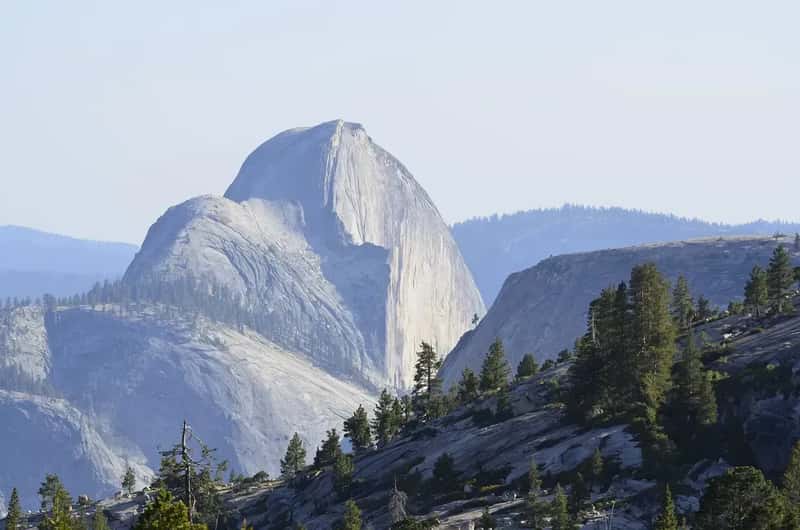
More than 60 accidental deaths have occurred here since the early 1990s, including a young woman who lost her footing in May 2024. The final ascent of Half Dome involves gripping steel cables bolted into near-vertical granite while hundreds of feet of empty air yawn beneath you. Slip once, and there’s no second chance.
A student tragically died in July 2024 after slipping while hiking with cables. Rockfalls, lightning strikes during sudden storms, and exhaustion from the grueling 14-mile round-trip hike all contributed to the danger. A large portion of the cliffs’ walking trail was closed in 2025 for safety reasons. Despite these risks and permit requirements, thousands of hikers attempted the summit each season, driven by the challenge and the view.
Réunion Island, France: Shark-Infested Paradise
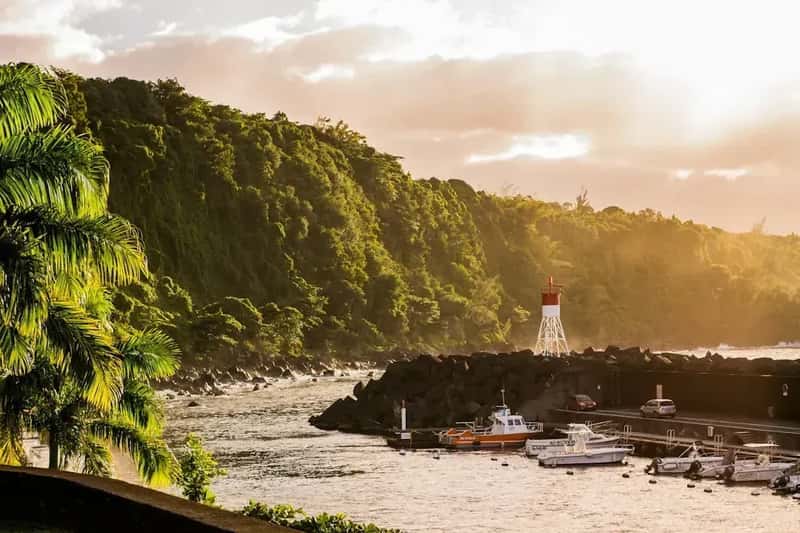
This French territory in the Indian Ocean offers world-class surfing, volcanic landscapes, and jaw-dropping natural beauty. It also has one of the highest concentrations of shark attacks in the world. The ocean island has recorded 24 attacks and 11 fatalities since 2011, primarily involving bull sharks.
Saint-Paul on the west coast is particularly dangerous, and a 15-year-old snorkeller was killed just off the beach in 2013. Local authorities have banned swimming and water sports at many beaches, yet surfers continue to paddle out. The waves are too good, apparently, to let a little thing like deadly predators get in the way. It’s your life, but those are some serious odds.
Fagradalsfjall Volcano, Iceland: Playing with Fire
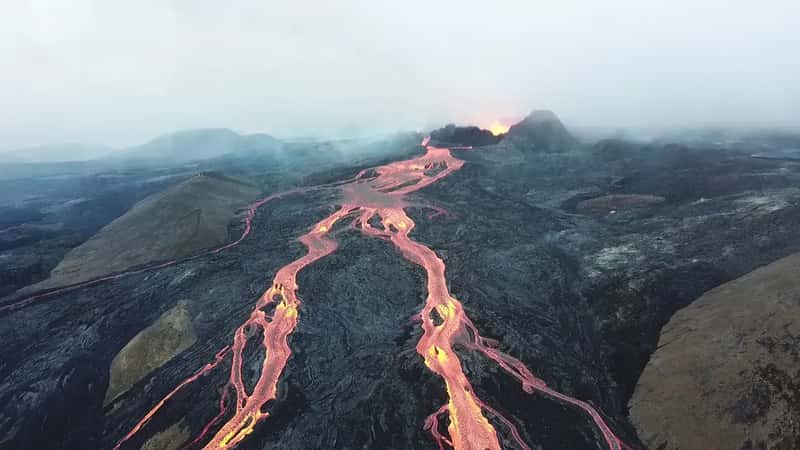
Set in an isolated position on the Reykjanes Peninsula, the active volcano is an electrifying sight, and although the original eruption was declared over after six months, there has been repeated volcanic activity elsewhere on the peninsula between 2023 and 2025. Tour companies offer helicopter rides and guided hikes to viewing points near the lava flows, giving tourists a front-row seat to one of nature’s most powerful displays.
Unpredictable and hard to reach, volcanoes are fraught with dangers from toxic gases and, of course, the risk of eruption. The deaths of several people in 2019 at New Zealand’s White Island, a popular tourist destination, brought the dangers of volcano tourism sharply into focus. Iceland’s eruptions have so far been relatively predictable, but volcanoes don’t follow schedules. One shift in conditions and visitors could find themselves in serious trouble.
Half-Ruined Infrastructure in Post-Conflict Zones
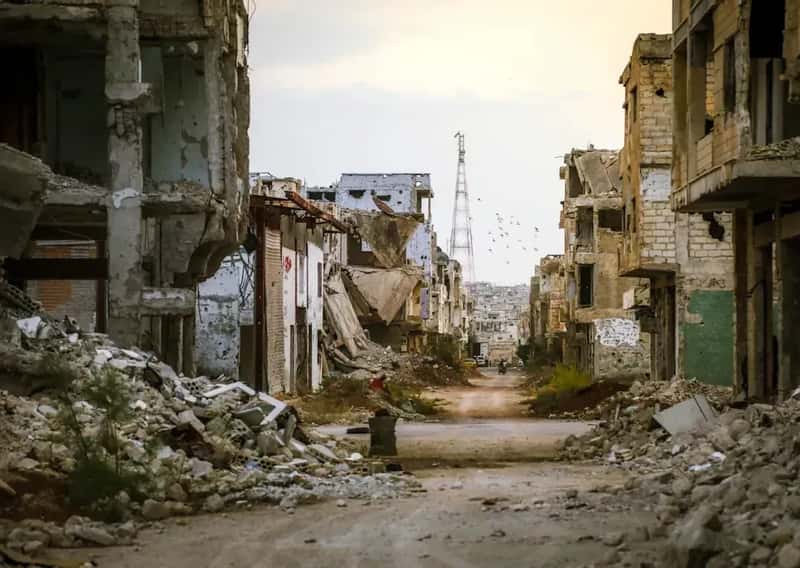
Cities emerging from conflict often attract disaster tourists and journalists before they’re remotely safe. In places like Syria’s border regions, Libya’s Tripoli, or parts of South Sudan, crumbling buildings and unexploded ordnance create physical dangers beyond the obvious threat of renewed violence. Local infrastructure – hospitals, emergency services, reliable roads – barely exists.
Since the conflict began in April of 2023, roughly 15,000 people have been killed, more than 8.2 million displaced, and more than 25 million people in the region are now in need of humanitarian assistance in Sudan alone. Visiting these areas as a tourist doesn’t just risk your own safety. It diverts resources from people who actually need help and can complicate already fragile situations.
Phuket and Overtouristed Islands: Danger Through Sheer Numbers
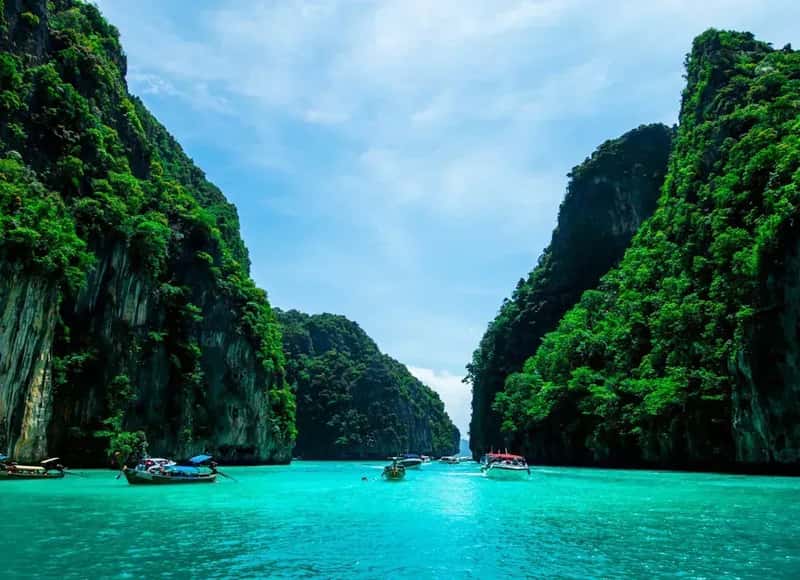
Let’s be real – Phuket isn’t going to kill you with venomous snakes or radiation. The danger here is different but no less real. It is estimated that Phuket was visited by 118 tourists per 1 local resident in 2023. Overcrowding creates safety hazards during emergencies, strains medical facilities, and increases petty crime targeting tourists.
Infrastructure simply can’t keep up with the flood of visitors. Beach rescues have increased as inexperienced swimmers venture into dangerous waters, while traffic accidents spike during peak season. The environmental damage from over-tourism also threatens the very ecosystems tourists come to see. Coral reefs die, beaches erode, and local resentment grows. Sometimes the greatest danger isn’t dramatic – it’s the slow collapse of a place under the weight of too many footsteps.
The question isn’t whether these places are dangerous. They absolutely are, with statistics and body counts to prove it. The question is why we keep going anyway. Maybe it’s the photos, the stories, or the satisfaction of having been somewhere most people wouldn’t dare. Maybe we’re all just searching for something that makes us feel truly alive, even if that means brushing up against death.
What do you think – is the risk worth the reward, or are some destinations better left to our imaginations?