A powerful El Niño is building in the Pacific. Forecasters expect it to be one of the main drivers of the coming winter. It won’t decide every storm, but it can shift the odds for who gets snow, who gets rain, and who sees fewer Arctic blasts.
The signals look different from last year’s. Below, we go through what the official data says and where the seasonal outlooks agree. We also point out where the forecast stays uncertain.
A Strengthening El Niño in the Pacific
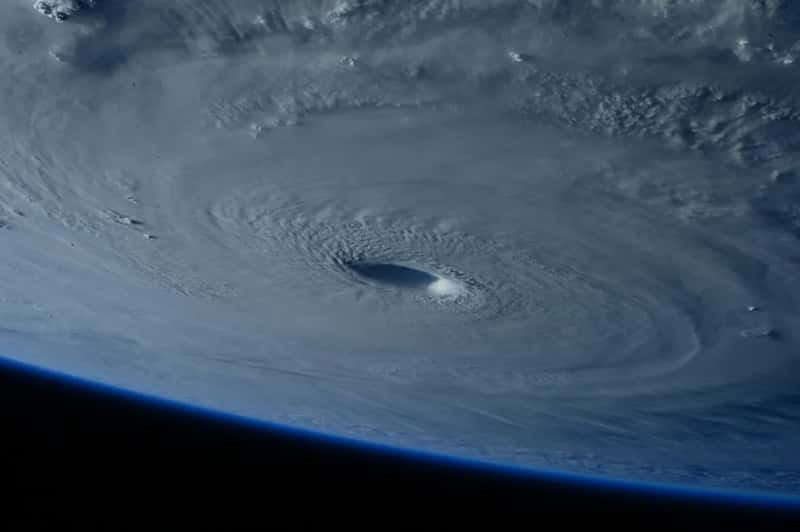
NOAA’s Climate Prediction Center issued its latest update on October 8, 2026. The alert status is an El Niño Advisory, and a strong-to-very strong El Niño is likely through January to March 2027.[1] The agency puts that chance above 83 percent. Sea surface temperature anomalies exceeded +4.0°C in parts of the eastern equatorial Pacific last month.[2]
The agency also says a record is possible. The chance of a historic event, one exceeding every El Niño back to 1950, is 83 percent for October to December.[3] NOAA officially uses three-month averages and a newer index called RONI, which filters out background ocean warming from climate change. Those values are rising but were not yet at record levels through August.[4] So the “super El Niño” label is plausible, but it isn’t settled.
How El Niño Reshapes the Jet Stream
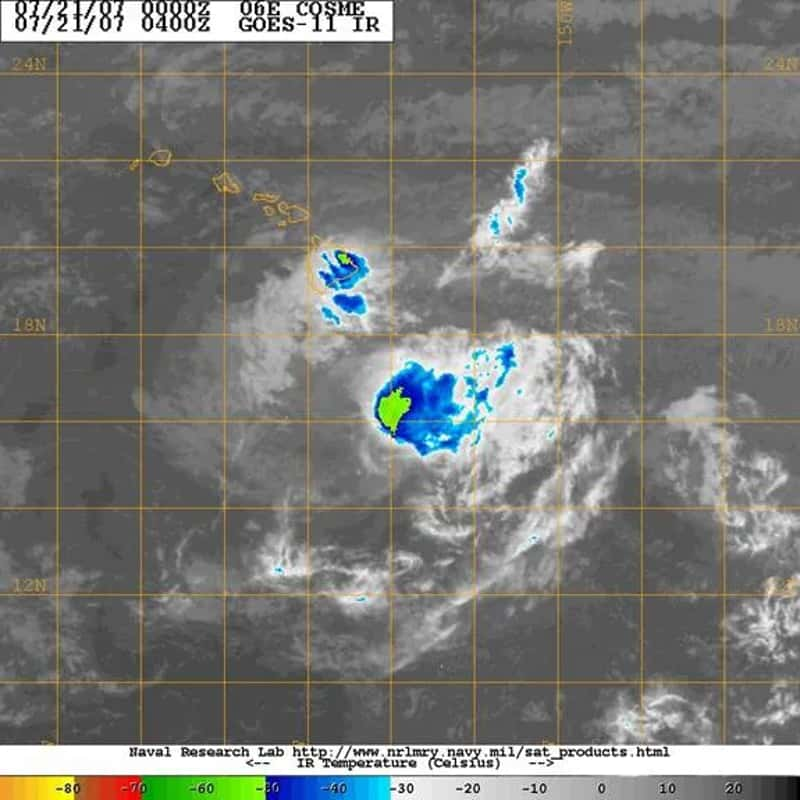
El Niño matters for US weather because it changes where storms travel. NOAA’s Ken Graham said a very strong El Niño shifts the jet stream south and east, which tilts the odds toward stormier weather across the South.[5] The warm Pacific water changes the atmosphere above it, and that reaches North America within weeks.
The shift also affects severe weather. The National Weather Service notes that El Niño tends to push the jet stream farther south, which blocks Gulf moisture and reduces fuel for thunderstorms.[6] A wetter South and a calmer severe weather outlook can come from the same pattern.
What NOAA’s Winter Outlook Actually Says
NOAA’s outlook for December 2026 through February 2027 favors warmer-than-average temperatures across the northern US. It favors wetter-than-average conditions across the southern US, from California to Florida, and along the Eastern Seaboard.[7] Warmth is favored across northern California, the Pacific Northwest, the Midwest, the Mississippi Valley, much of the East, and Alaska.[8]
This is not a snowfall forecast. NOAA does not project seasonal snowfall totals, because snow is generally not predictable more than a week in advance.[5] The Climate Prediction Center also says that with an event this strong, El Niño impacts are more likely but not guaranteed.[9] Treat the maps as shifted odds, not promises.
Why the Northern Tier May Run Mild
Cold outbreaks often start with disruptions to the polar vortex. This year, forecasters see conditions that favor a stable one. The Quasi-Biennial Oscillation is in its westerly phase and is forecast to stay there through spring. NOAA says that, combined with El Niño, typically strengthens the stratospheric polar vortex.[5]
A stronger vortex tends to keep Arctic air bottled up. That lowers the odds of sudden stratospheric warming events and cold phases of the Arctic Oscillation.[5] It’s one reason the northern and eastern US lean warm in the outlook. Cold shots can still happen, but long, deep freezes look less likely than usual.
Western Mountains: Snow After a Rough Year
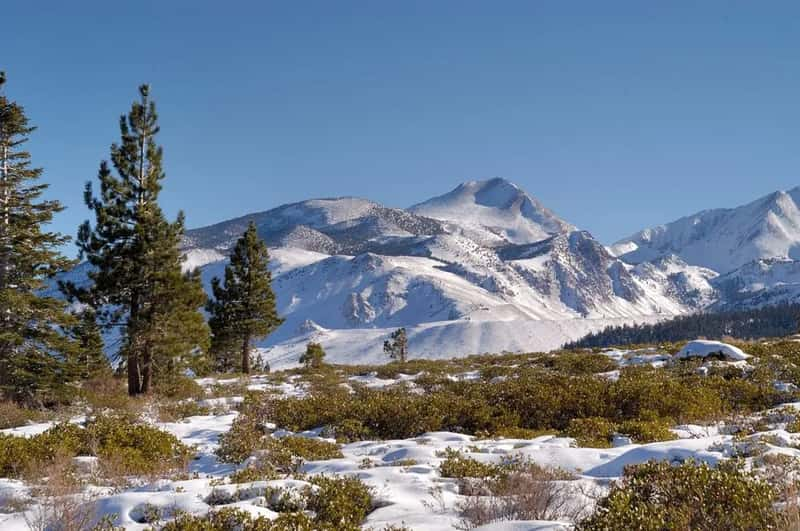
The interior West is where the snow signal looks strongest. AccuWeather expects above-average snow from the Sierra into the Great Basin, the Wasatch, and the central Rockies.[10] That would be a sharp change from last winter. Salt Lake City measured only 3.7 inches of snow, its least snowy season since records began in the 1880s.[11]
The stakes go beyond skiing. The Bureau of Reclamation said the Colorado River Basin had record-low snowpack last winter. Combined storage in Lake Powell and Lake Mead fell below levels seen since before Lake Powell began filling in 1963.[12] There’s a catch, though. Warm atmospheric rivers can push rain lines too high and eat into the snowpack.[13] Big storms don’t always mean a bigger snowpack.
The Northwest and Northern Rockies Face a Drier Hand
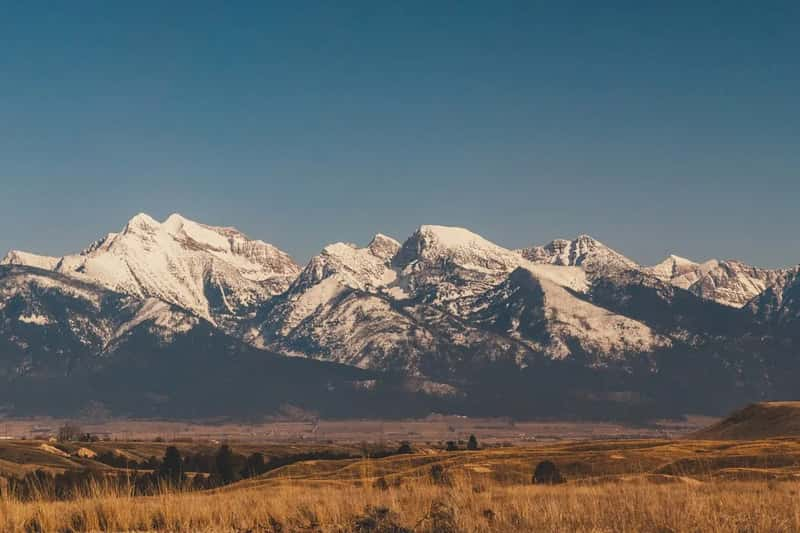
With storms steered south, the northern edge of the West often misses out. Northern Idaho, western Montana, and northwest Wyoming often sit on the drier side of El Niño, with storms diverted toward California, the Southwest, and the southern Rockies.[13] NOAA’s drought outlook also favors drought developing or worsening across parts of the northern Rockies.[14]
Colorado shows the split clearly. One set of model output has the southern San Juans above normal and northern Summit County below normal, a typical El Niño pattern.[15] The same analysis shows the weakest snow season for the Pacific Northwest and the Northern Rockies.[15] These are model projections, so expect local surprises.
Northeast, Midwest, and Great Lakes: Rain or Snow?
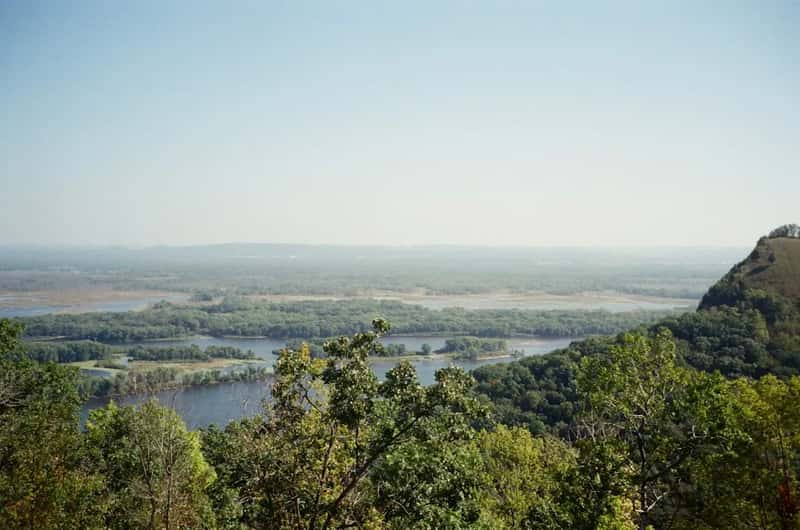
East of the Rockies, the story is about temperature. The Weather Company expects a stormier East Coast, but without enough cold air, especially early on, much of that precipitation may fall as rain.[16] AccuWeather expects December to start warm across the Upper Midwest and Great Lakes, which limits lake-effect snow opportunities.[11]
Still, a lean season isn’t a snowless one. Below-average seasonal snowfall does not rule out a major East Coast snowstorm, and the Northeast could see a significant storm in the middle or latter part of winter.[12] The southern Appalachians and northern New England have a better chance of finishing near or above average.[12] Even NWS La Crosse cautions that precipitation impacts in the Upper Mississippi River Valley can be highly variable.[6]
A Wetter South and Drought Relief
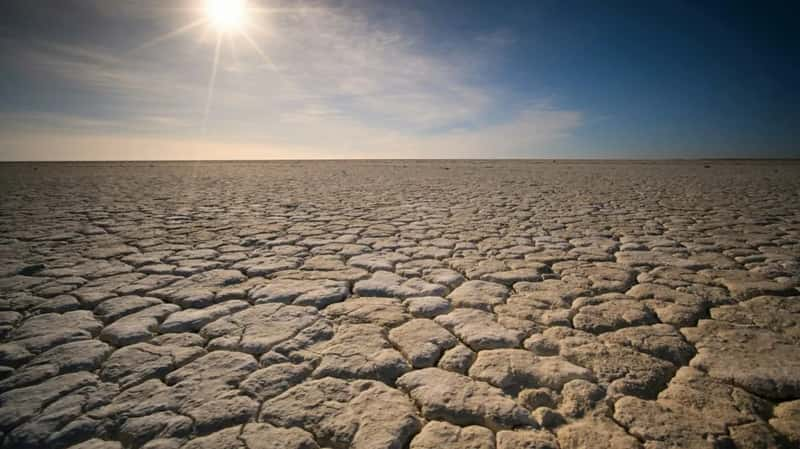
Rain is the main headline for the southern tier. NOAA’s drought outlook predicts improvement or removal of drought by the end of January across the Southwest, Southern Great Plains, Southeast, and East Coast.[14] After a dry stretch, that would be welcome.
Snow in the South is a smaller, less certain story. AccuWeather says the primary storm track early in winter will run across the southern US, leaving many Plains areas without snow. It also says the track creates chances for snowflakes across the Southeast and southern Appalachians.[12] The Plains may see more snow chances in January and February as the track shifts.[11] Timing will matter as much as totals.