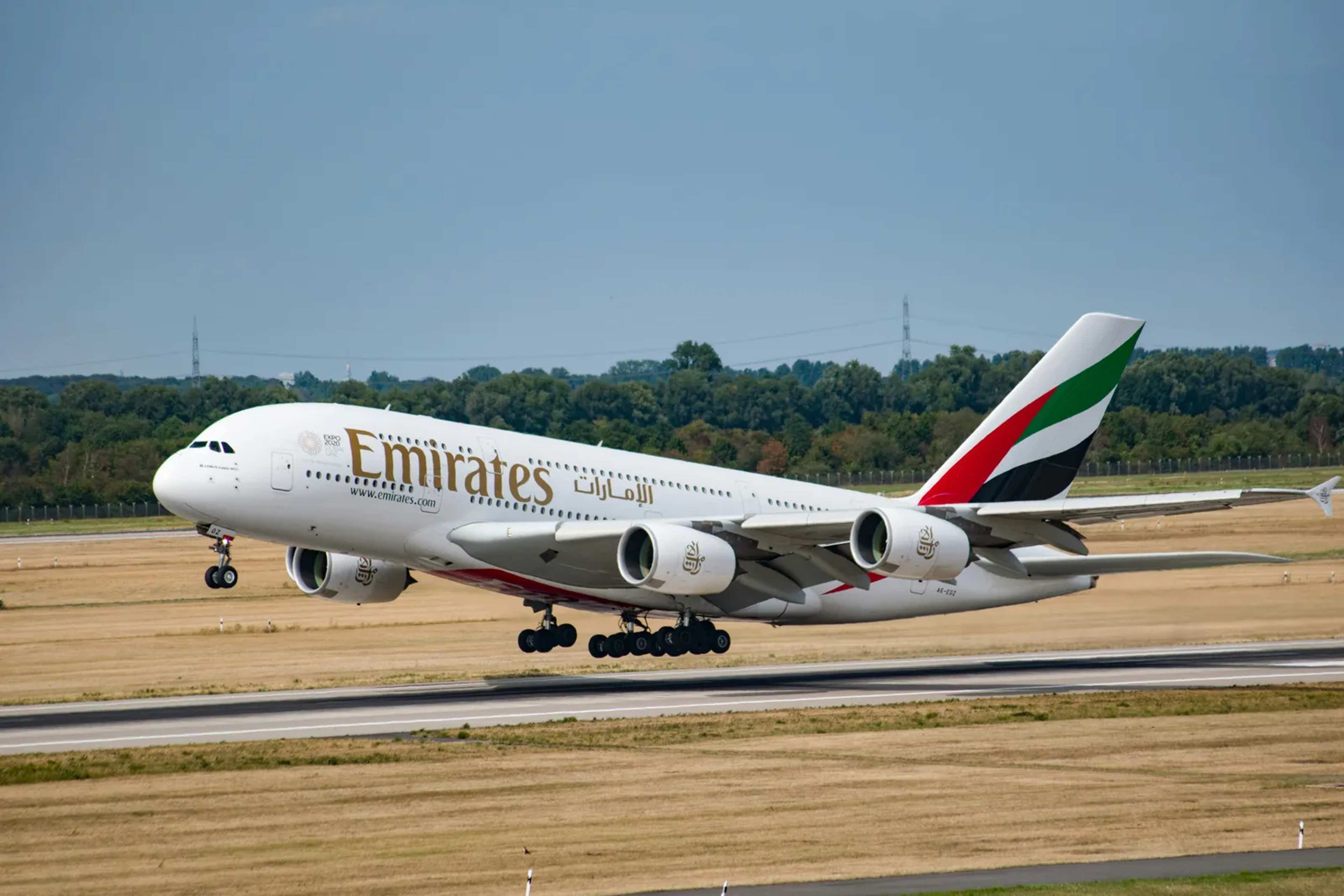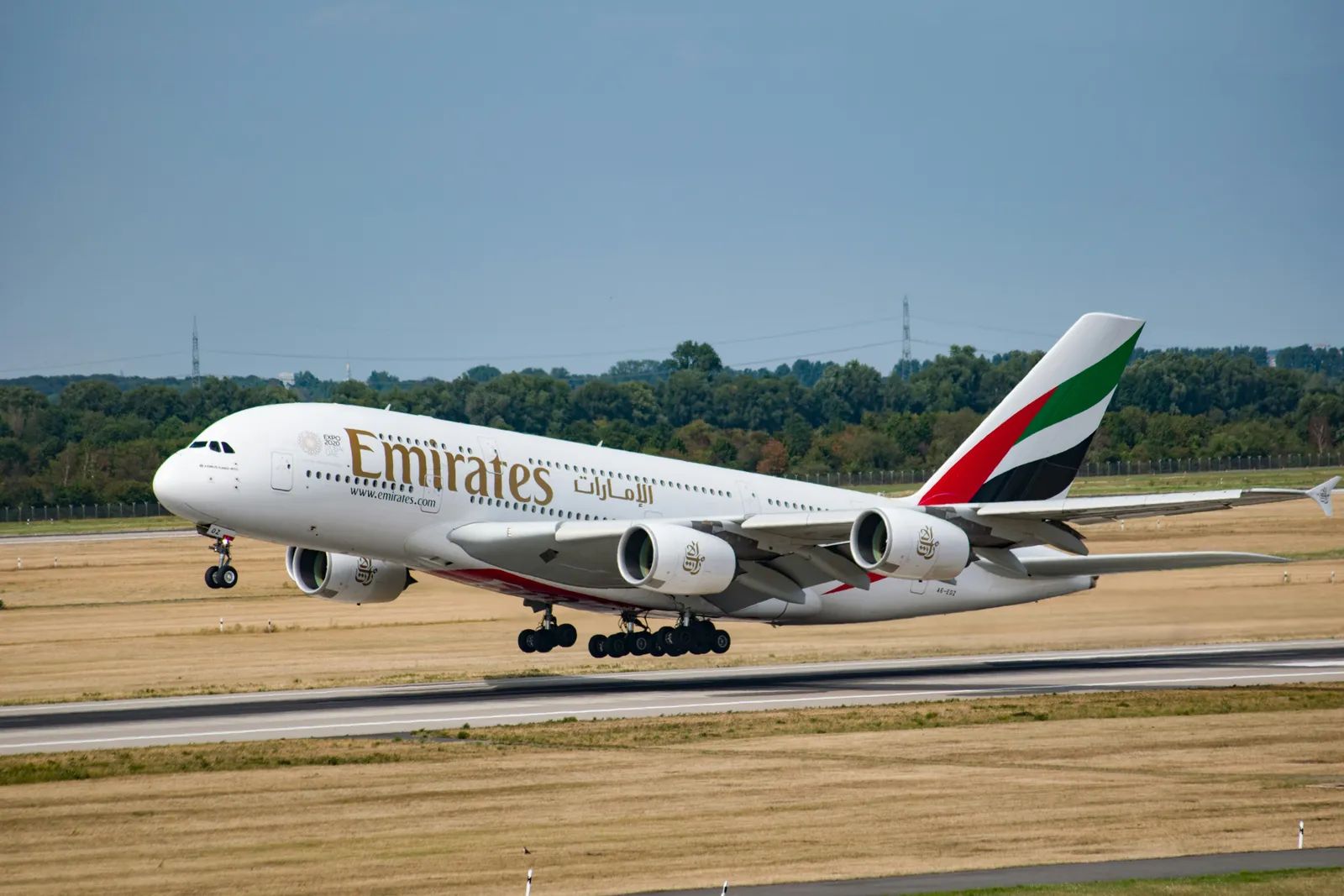
Emirates is weighing additional nonstop service from its Dubai hub to several major U.S. cities that currently lack direct flights to the Middle East. President Tim Clark highlighted Denver, Detroit and Philadelphia as part of a broader list of potential markets during recent industry discussions. The comments come as the airline prepares for a new generation of more efficient wide-body aircraft that could make previously marginal routes viable.
Why Additional U.S. Routes Matter Now
Travelers in the interior and Northeast would gain one-stop access to destinations across Asia, Africa and the Indian subcontinent without changing planes in Europe or on the U.S. coasts. Emirates already serves several U.S. gateways, yet many large population centers remain unconnected by nonstop flights from Dubai. Adding capacity on these corridors would expand options for both leisure and business passengers who value the carrier’s long-haul product and extensive onward network. The timing aligns with fleet renewal plans that emphasize lower operating costs per seat. Carriers have long noted that fuel-efficient aircraft open secondary cities that once fell short of profitability thresholds on ultra-long sectors. Emirates expects its first Boeing 777-9 deliveries in 2027, with the type offering 300 to 400 seats in a configuration the airline describes as stylish and luxurious across all cabins.
The Three Cities Under Consideration
Denver International Airport stands out because it is the sole United Airlines hub without an Emirates connection. Detroit Metropolitan Airport serves a large automotive and manufacturing base with strong demand for international links. Philadelphia International Airport offers a sizable catchment area in the Northeast that currently routes most long-haul traffic through other gateways. Clark described the carrier’s opportunity set in straightforward terms. “There aren’t many cities in the world that we will not be able to touch if we want to get there,” he said, adding that the list of potential destinations “goes on and on.” No launch dates or aircraft assignments have been confirmed for any of the three airports.
New Aircraft and Operational Flexibility
Emirates holds orders for more than 300 Airbus A350s, Boeing 787s and 777X-family jets, some of which can be converted to smaller or larger variants depending on route economics. These aircraft feature improved range and fuel burn compared with the current 777-300ER fleet, allowing the airline to serve thinner long-haul markets profitably. The carrier has not launched an entirely new U.S. destination since Newark in 2017, with Miami added in 2021 as a replacement for nearby Fort Lauderdale service. The next wave of deliveries is therefore viewed internally as the key enabler for further U.S. growth.
Demand Remains Resilient
Emirates reports that core traffic segments continue to perform well despite regional conflicts involving Iran and Yemen. Routes such as Dubai to Bangkok remain consistently full, and the airline says it has maintained profitability even with elevated jet-fuel prices. The carrier benefits from its dominant position at Dubai International, where some competing airlines have reduced or suspended flights. A 2023 codeshare and loyalty partnership with United Airlines added a Newark–Dubai service that United later suspended. Emirates has not linked that suspension to its own expansion thinking, yet the partnership framework remains in place for future coordination. The developments point to a measured but steady widening of Emirates’ U.S. footprint once the new aircraft arrive. Cities that have long connected to Dubai only via connections may soon have the option of a single flight, reshaping travel patterns for passengers who value direct long-haul service.