Across Europe, a growing number of city centers are limiting car traffic — and in some cases, eliminating it entirely. New zoning policies and urban planning measures have instead shifted the focus to walking, cycling, and public transit, with many cities making record-breaking investments into bike lanes, pedestrian-only zones, and expanded bus or subway networks. The aim is to lessen air pollution, create more public green spaces, and boost the quality of life for both residents and visitors alike.
Many European capitals were built long before cars existed, so removing them feels less like a radical overhaul and more like a return to how things used to be — central squares surrounded by benches instead of parking spots, and narrow alleyways for foot traffic instead of vehicles. While drastic changes aren’t always popular at first, the long-term benefits are hard to overlook and this recreation of the past seems to be shaping the future.
From small historic districts to major capitals, the following European cities show what’s possible when the emphasis shifts from vehicles back to people.
Ljubljana, Slovenia
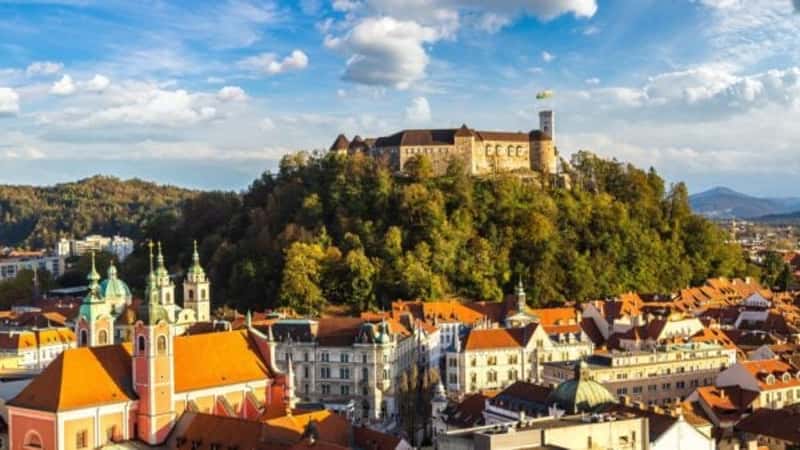
Perhaps the best example of how quickly a city can redefine itself, Ljubljana entirely banned car traffic from its city center in 2007 and hasn’t looked back. The change was fast — cars disappeared almost overnight, and were eventually replaced by pedestrian streets, outdoor dining, and gathering spaces. A retractable bollard system still allows delivery trucks in during specific hours, and the city runs a fleet of free, electric golf cart–style shuttles that who might need help getting around on foot can use.
The transformation has had measurable impacts. The air is cleaner, the downtown is more beautiful, and the area has become a space where street markets, weekend festivals, and daily life unfold without the interruption of constant honking or traffic jams. Ljubljana is a prime example of how going car-free can turn what used to be a clogged-up grid into somewhere that people actually want to spend time.
Oslo, Norway

Oslo has taken a careful but intentional approach to redeveloping its city center. Over the past few years, hundreds of parking spaces have been removed, streets have been redesigned to limit most thru-traffic, and more areas have been set aside for walking, cycling, and gathering. Instead of relying on an outright ban, the city has gradually made driving into the city less practical, while making public transport more convenient. Car-free zones around schools have also created safer, more walkable streets.
There is a notable increase in foot traffic in the city center which is great for local businesses and there’s been a drop in car accident injuries and deaths. Oslo’s evolution shows that car-free policies don’t have to come in the form of sudden, sweeping changes — they can be achieved through gradual, incremental improvements that people grow accustomed to over time.
The Netherlands

Known as the poster child for cycling culture, 28% of all trips in the Netherlands are already made by bike. And this isn’t just within major cities like Amsterdam or Rotterdam — it’s how people commute to and from smaller towns, thanks to an extensive network of dedicated paths that link small towns across the country.
While this way of life has existed for generations, it only continues to grow. In the past two years, commuting by bike has jumped 57%, driven largely by the popularity of e-bikes and an increase in bike parking garages and charging stations. The government’s next goal is to get another 100,000 people riding to work by 2027, further shrinking car dependency and solidifying the Netherlands’ position as the world leader in cycling infrastructure.
Paris, France

While keeping up with the Dutch is tough, Paris is making a strong bid to close the gap. Cycling in the French capital has surged in recent years, with bikes now making up about 11% of trips in the city — double the share of cars. The expansion of protected bike lanes, the removal of car traffic along the banks of the Seine, and the introduction of low-emission zones have all made riding the safer and more convenient choice.
And the momentum shows no sign of slowing: Hundreds of kilometers of temporary bike lanes that popped up during the pandemic are being made permanent, and the city continues to put additional restrictions on vehicular traffic each year. Cycling in Paris is no longer just for the enthusiasts, but it’s becoming an everyday mode of transport for commuters, families, and visitors.
Barcelona, Spain

Imagine a three by three grid of nine city blocks with car access only allowed on the outer perimeter — that’s what Barcelona has done over the past decade by creating “superblocks” with the interior streets reserved for pedestrians, cyclists, and other motorless forms of transport. Instead of wide roads dominated by cars, the reclaimed space has been turned into playgrounds, gardens, and shaded seating areas specifically designed for people to linger — neighbors can relax on benches while their kids play in the road, and tables from outdoor restaurants spill into what used to be parking spots.
By reducing noise and air pollution, increasing tree cover, and adding more public spaces, urban life in Barcelona has been transformed in recent years. With its success attracting attention from urban planners worldwide, the city is moving ahead with plans to add even more superblocks in the next few years.
Final Thoughts:
Whether achieved through outright bans, gradual infrastructure changes, or creative redesigns, the results are consistent: cities with fewer cars in the city center means cleaner air, safer streets, better public spaces, and a higher quality of life. As most cities around the world grapple with traffic congestion, climate change, and social isolation, Europe stands out as a unique, powerful example of what happens when urban planning that puts people before cars is prioritized — and as a model of what the future of urban living could look like everywhere one day.