As tourism numbers continue to climb, several popular European destinations are tightening rules in order to manage overcrowding, protect the quality of life for locals, and limit the environmental impact of overtourism. From beach reservation systems and caps on cruise passengers to new visa requirements and regulations at borders, policies are changing across the continent. Here are a few key rule changes and travel updates to know before boarding your next flight to Europe.
EU Borders are Going Digital

The EU is preparing to launch a new Entry/Exit System (EES) that, once rolled out, will replace manual passport stamps with automated digital checks. Travelers will need to show proof of accommodation, valid medical insurance, and a return ticket in order to pass through most borders. The process will involve fingerprinting and facial scans at self-service kiosks, with a final check done by an officer — effectively adding an extra step to the border control process. This type of technology is already being used in regions such as the United States, Canada, and parts of Asia, and is intended to streamline processing while tightening security.
Not far behind will be the European Travel Information and Authorization System (ETIAS), a mandatory e-visa of sorts required for short-term visits to the Schengen area — which includes the majority of European countries. The application will cost €20, be valid for three years, and essentially reciprocate the existing ESTA system in the United States.
While both systems have faced delays in their roll out, they are expected to become standard requirements in the near future. And while they mean tighter security, there will also be plenty of last-minute surprises at the airport for travelers who fail to prepare, from being denied boarding to facing longer queues at passport control.
Fewer Cruise Ships and Higher Fees in Greece

Many of Greece’s islands become overrun in the summer months, and officials are finally making changes to address it. Mykonos and Santorini have begun restricting cruise ship arrivals while also introducing a €20 fee for cruise passenger arrivals in order to offset the cost of the annual summer surge. The goal is to ease pressure on local infrastructure, preserve historic sites, and to try to give residents some sense of normalcy during peak season.
For vacationers, the changes bring good and bad news — more predictable crowd levels but potentially more expensive cruise itineraries due to the added exclusivity. If you already have a cruise on the books that includes a Greek island stop, it’s worth confirming whether your cruise line has secured a berth for your intended date. Otherwise, the port of call could be replaced or dropped entirely.
These changes are part of a wider push to balance out Greece’s massive tourism swings throughout the year. Many of these islands are nearly empty during the winter months, and while they’re world-famous destinations in the summer, they’re ill-equipped to handle the surge of visitors during the high season. While it’s only a small step toward addressing the overall problem, the restrictions on cruises are already giving the busiest islands some breathing room.
Spain is Cracking Down on Short-Term Rentals

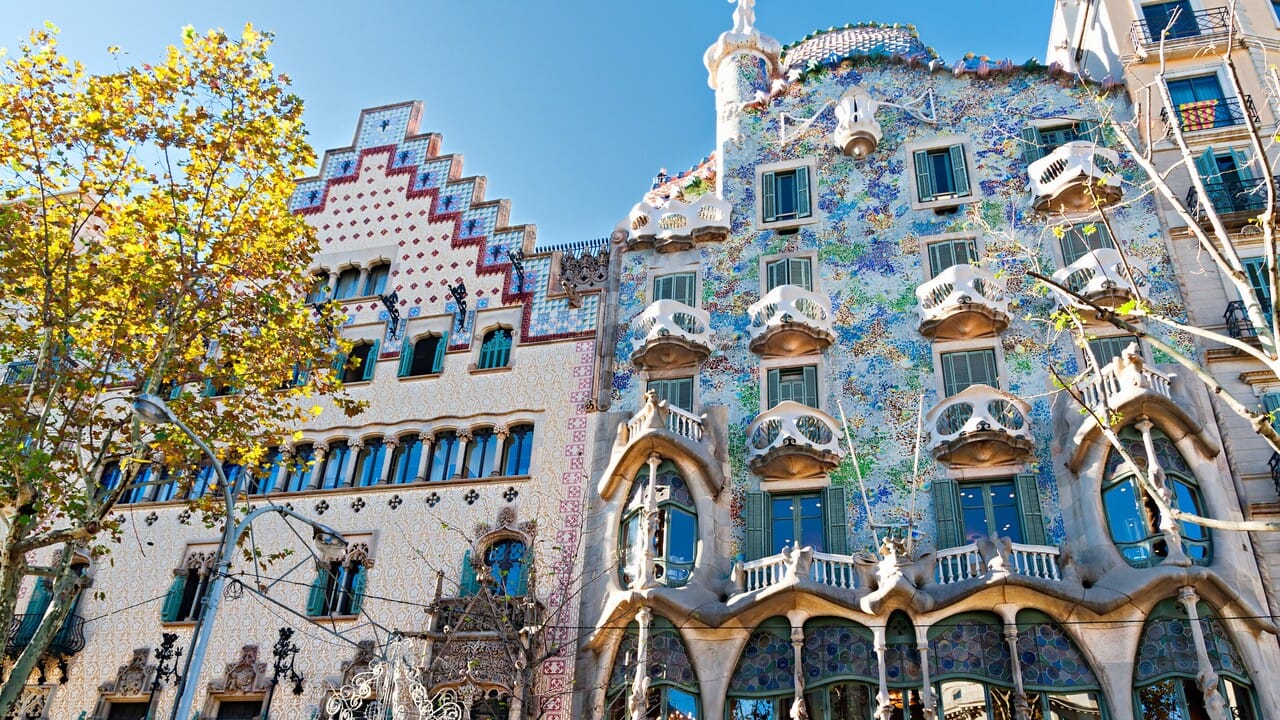
Particularly in its most heavily visited cities, Spain is taking aggressive steps to restrict short-term rentals. Barcelona has announced it will ban all short-term rentals by 2028 and is already phasing out existing licenses. Officials have also removed tens of thousands of unlicensed Airbnb listings across the country, citing less housing availability and a negative impact on the quality of life for locals. The push comes as Spain faces a severe housing crisis, with some cities holding anti-tourism protests in recent years.
This means booking accommodation further in advance will become even more important, especially in popular tourist stops like Madrid, Mallorca, Sevilla or Barcelona. Expect to see a shift toward more licensed hotels and short-term accommodations that fully comply with local regulations. In the coming years, it will be much less likely to find an under-the-radar Airbnb or be able to book an apartment at the last minute without proper paperwork.
While it may mean fewer budget-friendly options going forwards, these rental crackdowns are part of a larger push to make tourism more sustainable by preventing the hollowing out of city centers, preserving housing for locals, and easing tensions between residents and visitors.
Reservation-Only Beaches in Sardinia

As of the summer of 2023, several of Sardinia’s most famous beaches — including La Pelosa, Cala Goloritzé, and Cala Luna — now require advance booking to access. The measure is aimed at managing crowd size and protecting nature that, in years past, had been heavily affected by overtourism. Access is capped to a set number of daily visitors, and reservations must be made via an official app, often for a small fee. During peak season, permits tend to sell out weeks in advance, making last-minute trips nearly impossible.
For travelers, this means that even laid-back beach days need to be planned into your itinerary. If you have upcoming plans to visit Italy’s Mediterranean island, make sure to secure your slot well ahead of time. On-site staff strictly enforce these rules, and arriving without a valid booking will mean being turned away. Parking and shuttle systems are also sometimes tied into the reservation process, so it’s worth confirming all of your trip logistics before you arrive.
The new system is already showing positive results: fewer crowds, better protection for the sand dunes and marine life, and a more relaxed experience for those with confirmed spots. It has also encouraged some visitors to explore beyond the headline beaches, towards lesser-known stretches of Sardinian coastline that don’t require bookings. If you’re flexible or tend to be a last minute planner, avoiding the most popular beaches might be your best bet.
Penalties for Bad Tourist Behavior

Across much of Europe, local governments are stepping up enforcement against tourist behavior that disrupts public spaces or disrespects cultural heritage. All you have to do is scroll social media to find cringe-worthy clips of tourists behaving badly — and in many places, those antics now come with hefty fines.
In Rome, sitting or eating on the Spanish Steps can cost you up to €400. Ibiza and Mallorca have imposed strict bans on public drinking, with fines climbing into the thousands. Other destinations have introduced dress codes, from banning swimwear off the beach to requiring more conservative attire in churches and other religious sites.
These rules aren’t about nitpicking — they’re designed to protect historic landmarks, keep public spaces usable for everyone, and reduce friction between residents and visitors. For travelers, the takeaway is simple: know the local do’s and don’ts before you go, and show respect for the places that you’re visiting.
Final Thoughts:

Travel in Europe may be evolving, but even with these rule changes, popular cities like Paris, Rome, and Barcelona are sure to remain top destinations for vacationers. Understanding the rule changes before your next trip will help you navigate them smoothly and avoid unnecessary hiccups. At the same time, this could be the perfect nudge to explore more off-the-beaten-path destinations where there’s less red tape and fewer crowds to begin with.