Many frequent flyers who once chased long checklists of destinations are now rethinking their approach. They are choosing fewer stops and longer stays to build real connections with the places they visit. This shift toward slow travel emphasizes immersion and quality over the rush to see everything at once. ([1])
A Move Away From Quantity
Seasoned travelers often describe a turning point after years of cramming multiple countries into short trips. The appeal of checking off sights fades when compared with the satisfaction of settling into one location for days or weeks. This change allows time to wander side streets, sample everyday routines, and notice details that rushed schedules overlook.
Staying longer also opens doors to local events and neighborhoods that rarely appear in guidebooks. Travelers report stronger memories from a single extended visit than from a whirlwind tour of several capitals. The focus moves from volume to depth, creating experiences that feel personal rather than performative.
The Route Becomes Part of the Story
Slow travel reframes the journey itself as valuable time rather than lost hours between points. Scenic train rides, coastal drives, or even short sea voyages let passengers watch landscapes unfold at a natural pace. These options reduce the pressure to arrive quickly and instead turn transit into moments of quiet observation.
Many who adopt this style find they return home with stories not just about the destination but about the path taken to reach it. The absence of tight connections or early airport calls contributes to a calmer overall rhythm. Over time, the preference for ground or sea transport grows among those who have logged countless flights.
Relief From Airport Fatigue
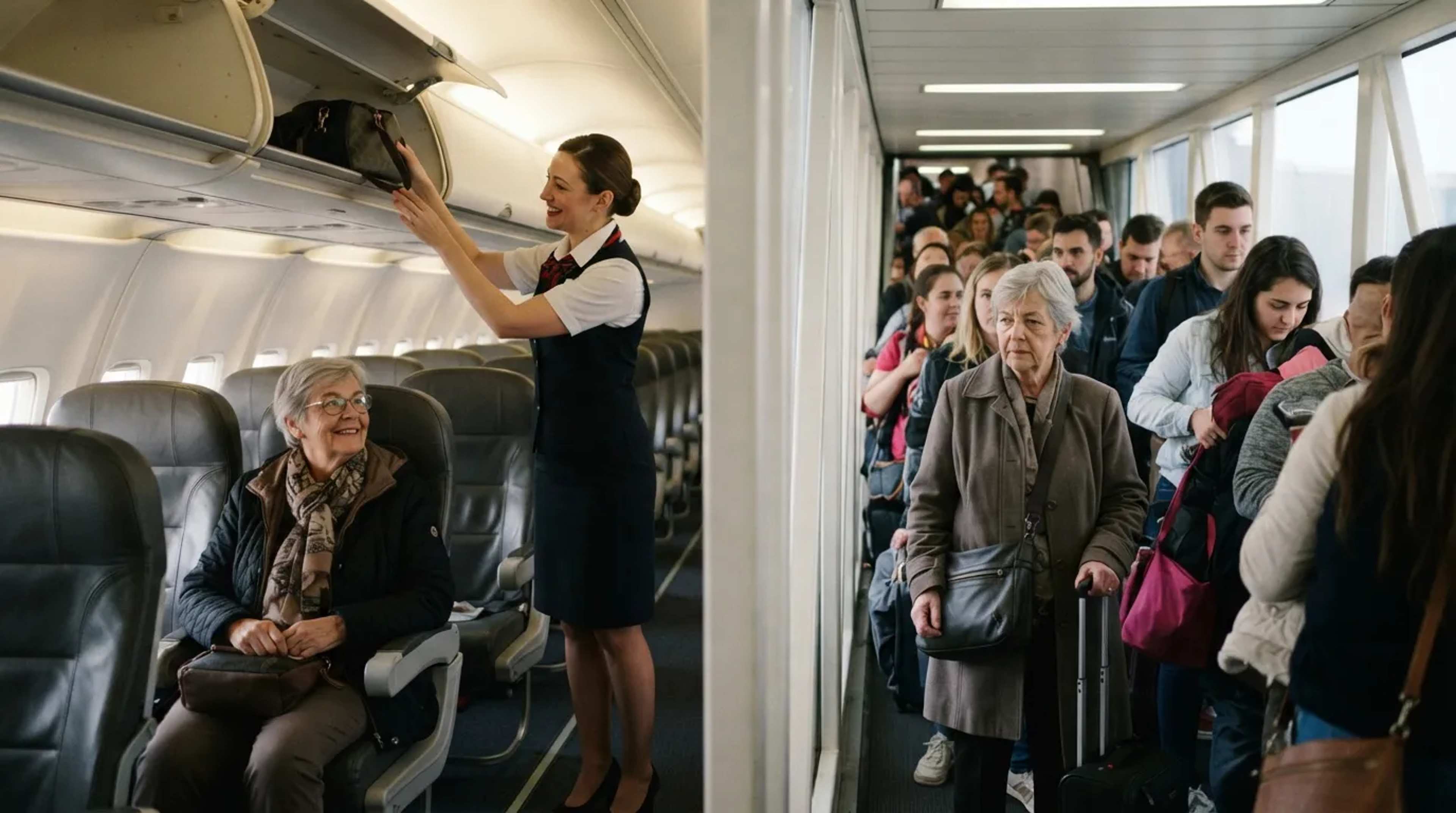
Airports and flight schedules remain efficient for long distances, yet experienced travelers increasingly note the cumulative toll of security lines, delays, and crowded terminals. Slow travel offers a practical alternative by cutting the number of transfers and layovers required. The result is more energy reserved for actual exploration once on the ground.
This adjustment often begins with shorter domestic segments or regional hops that avoid major hubs. Travelers describe arriving at their main destination already rested instead of drained. The change sets a different tone for the entire trip and encourages a more relaxed mindset from the start.
Meaningful Encounters That Last
Extended time in one place naturally leads to deeper cultural exchanges, from conversations with residents to repeated visits to the same markets or cafes. Food plays a central role here, as sampling regional dishes prepared with local ingredients reveals layers of history and tradition that quick meals cannot match.
These unhurried interactions tend to produce memories that feel more vivid years later. Rather than a blur of attractions, travelers carry away a clearer sense of what makes a location distinct. The approach aligns with a broader desire among frequent travelers to travel with intention instead of speed.