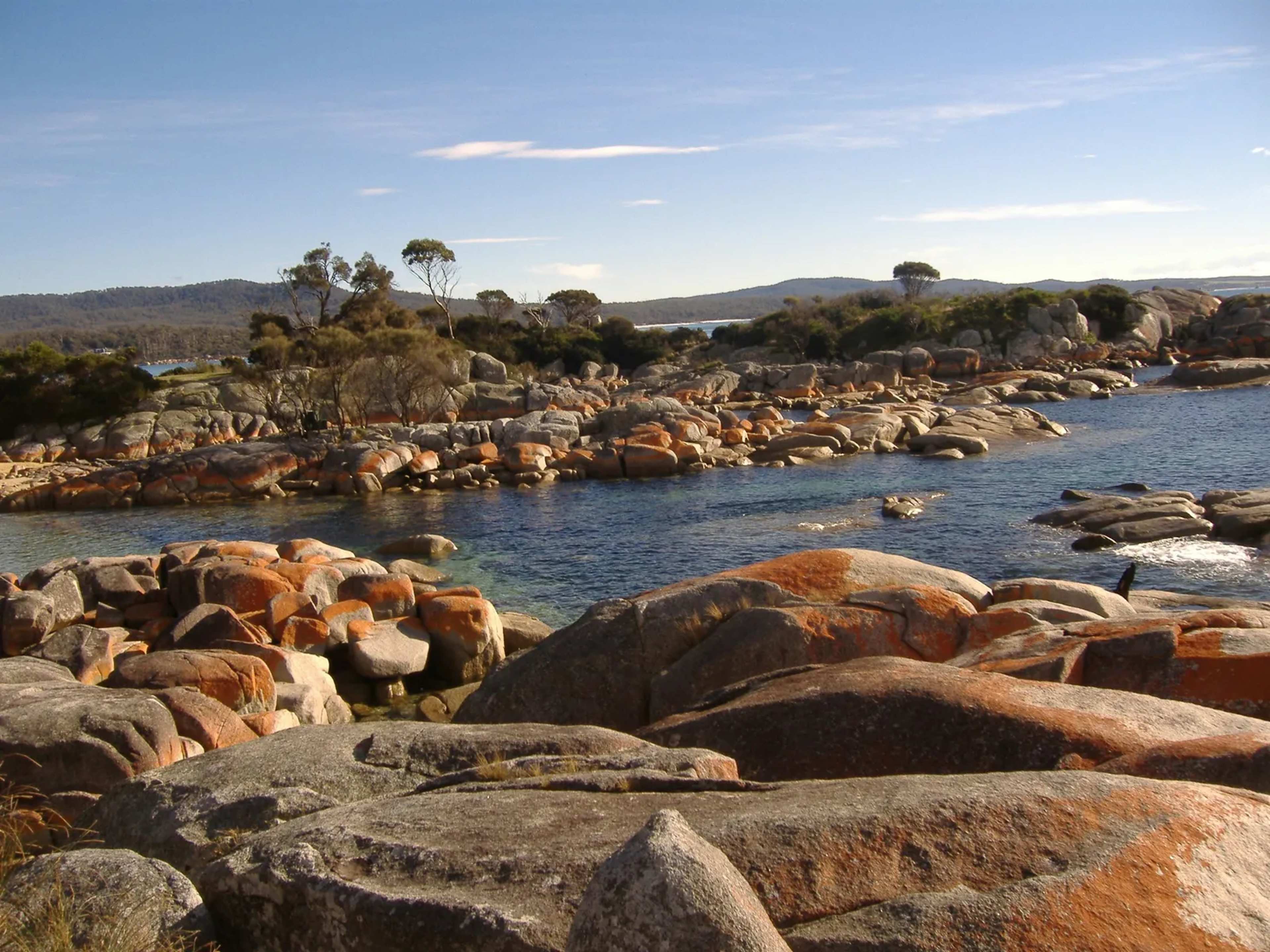
Tiwi rangers eradicate invasive tropical fire ants in Australia’s Melville Island – Image for illustrative purposes only (Image credits: Unsplash)
Melville Island sits in the Tiwi archipelago off Australia’s Northern Territory coast. In the early 2000s, scientists confirmed that tropical fire ants had established themselves there. The tiny invaders, traced by researchers to ballast dirt carried on Spanish vessels leaving the Americas in the 1500s, quickly spread and began reshaping the local environment.
Centuries-old travelers reach a new shore
Spanish sailors in the 16th century loaded soil into their ships to keep them stable on long Pacific crossings. That soil carried more than weight. It also carried tropical fire ants, which researchers believe traveled with European voyages and eventually reached Australia’s northern islands.
Once on Melville Island, the ants found conditions that suited them. They formed large colonies and began to dominate the ground layer. Small native mammals became regular prey, and ground-nesting birds faced new pressure that reduced their breeding success.
Local rangers confront a growing threat
Tiwi Island Rangers, most of them Aboriginal or Torres Strait Islander people, took on the task of removing the ants. Stanley Tipungwuti, one of the rangers, noted the scale of the problem: “The ants have a huge impact on native birds and animals on the Tiwi Islands.”
The work stretched across two decades. Teams mapped infestations, applied targeted treatments, and returned repeatedly to check for survivors. The effort required patience and local knowledge of the island’s terrain and seasonal conditions.
Complete removal confirmed in 2025
By 2025 the last colonies had been eliminated. Ben Hoffmann, who joined the program at its start, confirmed that tropical fire ants no longer occur on Melville Island. The declaration marked the end of a sustained campaign that combined scientific monitoring with on-the-ground action by the Tiwi Rangers.
The same year the rangers received the Territory Indigenous Natural Resource Management Award in Darwin. The recognition highlighted both the ecological result and the leadership shown by Indigenous land managers in protecting their country.
A lasting lesson for island conservation
Islands around the world continue to face similar risks from species moved by human activity centuries ago. The Melville Island outcome shows that long-term commitment, combined with local expertise, can reverse even entrenched invasions.
The Tiwi Rangers’ success offers a clear example for other remote communities dealing with introduced pests. Their work restored balance to the island’s ecosystems and demonstrated that eradication remains possible when sustained effort meets careful planning.