When you think about where the ultra-wealthy retire, your mind probably jumps to sprawling estates in Miami or penthouse apartments overlooking Central Park. Maybe you picture gated communities in Los Angeles or waterfront properties in Seattle. Here’s the thing though: a growing number of America’s richest retirees are skipping the metropolitan mayhem altogether.
They’re choosing places you’ve probably never heard of. Small towns with populations that barely break five figures. Communities where everyone knows the local coffee shop owner by name and traffic jams don’t exist. These aren’t your typical retirement destinations, and that’s exactly the point. Let’s dive into five unexpected towns that have become magnets for wealthy retirees seeking something beyond the urban grind.
Jackson Hole, Wyoming
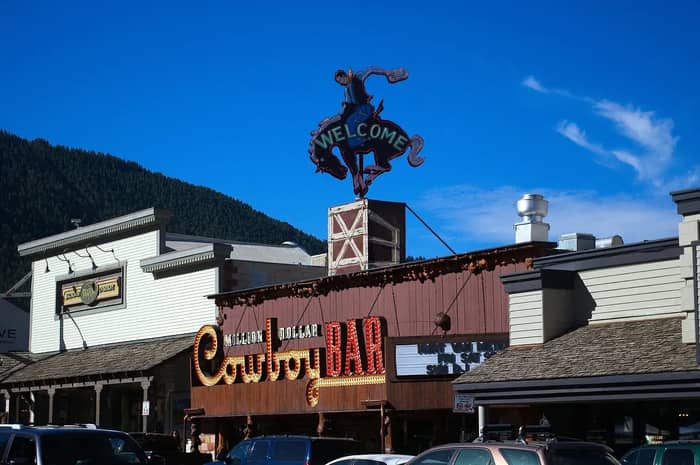
Nestled at the base of the Teton Range, Jackson Hole has transformed from a rugged frontier town into one of America’s most exclusive retirement havens. The population hovers around 10,000, yet the town boasts some of the country’s priciest real estate. Billionaires and multi-millionaires have been quietly buying up ranches and mountain properties here for decades.
What draws them isn’t just the breathtaking scenery. Wyoming has no state income tax, which makes it incredibly attractive for wealthy individuals looking to preserve their fortunes. The town offers world-class skiing, fine dining that rivals any major city, and an arts scene that punches well above its weight. You might spot a former CEO at the local farmers market or a retired tech mogul hiking the same trails as everyone else.
The community values privacy and discretion. Unlike flashy retirement spots where wealth is displayed openly, Jackson Hole residents tend to keep a lower profile. Sure, their homes might be worth tens of millions, but they’re tucked away on sprawling properties where neighbors are measured in acres, not feet. It’s this combination of natural beauty, tax advantages, and understated luxury that keeps attracting America’s wealthiest retirees.
Nantucket, Massachusetts
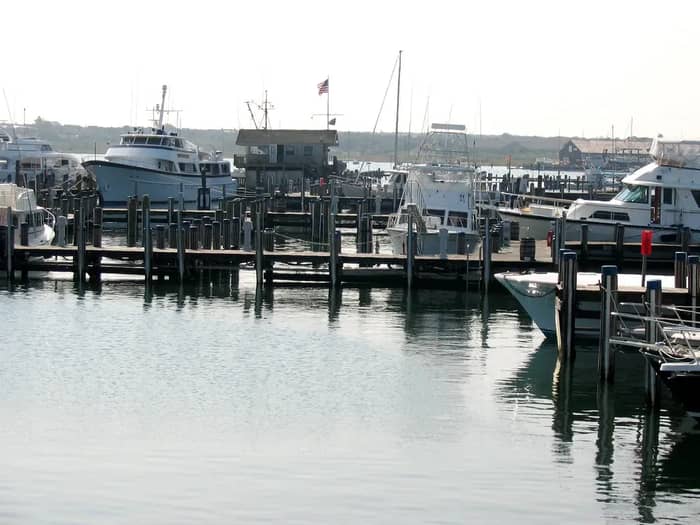
This tiny island off the coast of Cape Cod has been a summer playground for the wealthy for generations, but increasingly, it’s become a year-round retirement destination for those who can afford it. With a winter population of just over 10,000 people, Nantucket offers something rare: genuine seclusion combined with sophisticated amenities.
The cobblestone streets and historic whaling-era architecture give the town a timeless charm that money simply can’t buy elsewhere. Wealthy retirees appreciate the island’s strict building codes that preserve its character and prevent overdevelopment. You won’t find chain stores or towering condos here. What you will find are pristine beaches, exceptional restaurants, and a tight-knit community that values tradition.
Getting to Nantucket requires either a ferry ride or a small plane, which acts as a natural filter. The inconvenience is actually part of the appeal. It keeps the crowds away and maintains the island’s exclusive atmosphere. Many wealthy retirees split their time between Nantucket and other homes, but they consider the island their true sanctuary. The sense of being removed from the mainland, yet still accessible, creates a unique living experience that major cities simply cannot replicate.
Telluride, Colorado

Tucked into a box canyon in the San Juan Mountains, Telluride is about as far from a traditional retirement community as you can imagine. This former mining town with fewer than 2,500 permanent residents has become a magnet for affluent retirees who want adventure in their golden years. The dramatic mountain scenery alone is worth millions in daily viewing value.
What makes Telluride special isn’t just the skiing, though the slopes are undeniably spectacular. The town has cultivated a vibrant cultural scene with film festivals, bluegrass concerts, and art galleries that attract international attention. Wealthy retirees here aren’t looking to slow down. They’re seeking an active lifestyle surrounded by like-minded individuals who value experiences over material displays.
The real estate market reflects this exclusivity. Homes regularly sell for tens of millions, yet the town maintains a relaxed, almost bohemian atmosphere. You might see someone worth hundreds of millions wearing jeans and hiking boots at the grocery store. This blend of extreme wealth and down-to-earth culture creates a paradox that somehow works. The isolation also appeals to those seeking privacy, as reaching Telluride requires determination, whether by car through mountain passes or via a small regional airport.
Santa Fe, New Mexico
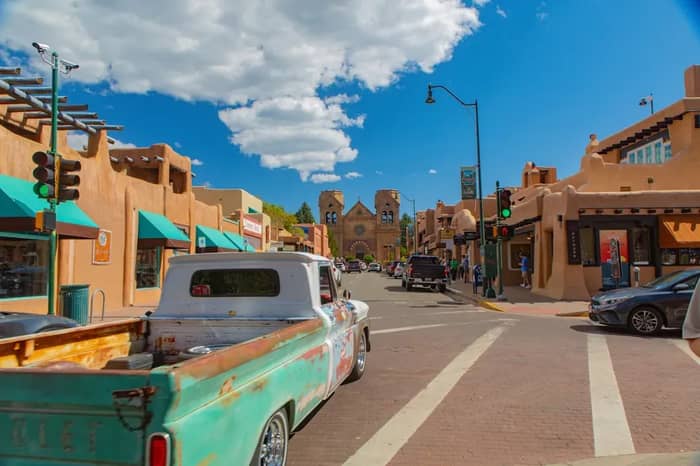
Santa Fe breaks the mold of typical wealthy retirement towns. With around 85,000 residents, it’s the largest on this list, yet it maintains a distinctly small-town feel. The city’s unique blend of Native American, Spanish, and Anglo cultures creates an atmosphere you won’t find anywhere else in America. Wealthy retirees are drawn to its artistic heritage and spiritual energy.
The adobe architecture and high desert landscape provide a stunning backdrop for daily life. New Mexico offers significant tax advantages too, with relatively low property taxes and no tax on Social Security benefits. For retirees with substantial assets, these financial incentives add up. The climate is another major draw, with over 300 days of sunshine annually and four distinct but mild seasons.
Santa Fe’s art market is second only to New York City in the United States. Galleries line Canyon Road, and the annual art market attracts collectors from around the world. This cultural richness appeals to wealthy retirees who want intellectual stimulation and creative inspiration. The city also offers excellent healthcare facilities, which becomes increasingly important in retirement. Unlike purely recreational towns, Santa Fe provides a complete lifestyle with depth and substance that keeps residents engaged year-round.
Carmel-by-the-Sea, California
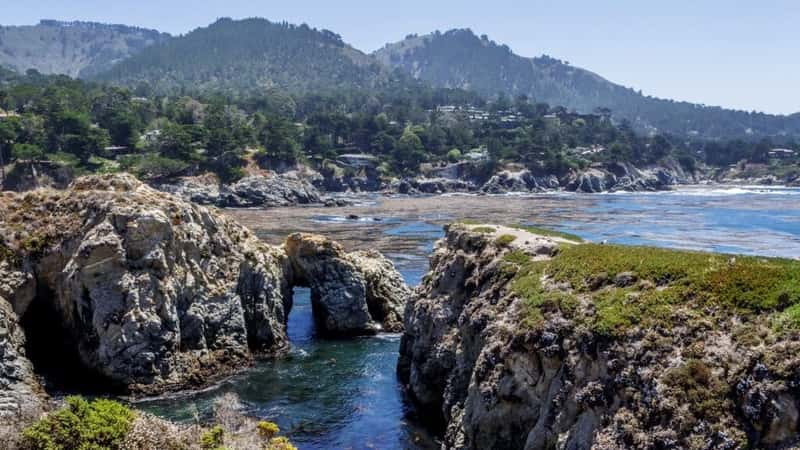
This fairytale village on California’s central coast looks like it was plucked from a European countryside and transplanted to the Pacific shoreline. With just over 3,000 residents in the actual town limits, Carmel-by-the-Sea has maintained its quaint character despite California’s explosive growth. Wealthy retirees pay premium prices for homes here, and they consider it money well spent.
The town’s strict zoning laws prohibit chain restaurants and preserve its unique character. Streets don’t have numbers, and many homes don’t have mailboxes, adding to the village-like charm. Trees arch over narrow lanes, creating tunnels of greenery that lead to hidden courtyards and gardens. The entire town feels like a secret that only a fortunate few get to experience.
Carmel’s location provides access to world-class golf courses, stunning coastal walks, and a thriving arts community. Former Mayor Clint Eastwood put the town on the map decades ago, but it has always attracted creative and wealthy individuals seeking beauty and tranquility. The mild Mediterranean climate means comfortable temperatures year-round. The combination of natural beauty, cultural sophistication, and small-town intimacy creates an irresistible package for affluent retirees who want the best of everything without the urban sprawl.
The Common Thread
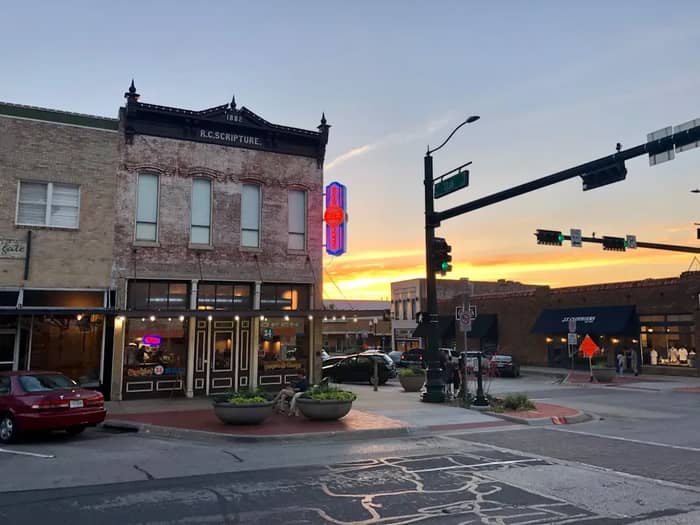
What ties these five towns together isn’t just their small size or scenic beauty. Each offers something money usually can’t buy in big cities: genuine community, preserved character, and a slower pace of life. Wealthy retirees choosing these destinations are making a statement about their values. They’re trading convenience and anonymity for connection and authenticity.
These towns also share practical advantages. Most offer favorable tax situations, whether through state income tax policies or property tax structures. They provide access to nature and outdoor recreation that promotes healthy, active lifestyles. The exclusivity, whether through geography or price, creates natural barriers that maintain the communities’ character and appeal.
Perhaps most importantly, these small towns offer privacy and discretion that’s increasingly rare in our connected world. Wealthy retirees can live comfortably without constant attention or solicitation. They can be part of a community without surrendering their personal space. It’s this balance that makes these destinations so attractive to those who could afford to live literally anywhere they choose. What do you think draws the wealthy away from big cities? Share your thoughts in the comments.