You think you’re just another face in a long queue of tired travelers, dragging your overstuffed carry-on and fumbling with your boarding pass. Maybe you’ve barely had your morning coffee. Maybe you’re already irritated by the security line. Here’s the thing though – the moment you step through that cabin door, you’ve already been seen. Assessed. Quietly categorized.
Once passengers start to board the aircraft, flight attendants greet passengers, check their tickets, and point them toward their seats. However, there’s far more going on than meets the eye. In those few seconds, they are carefully observing each passenger for visual clues. It’s not paranoia – it’s training. And honestly, once you understand what they’re actually looking for, it changes the way you’ll ever board a plane again. Let’s dive in.
1. How You Say Hello (Or Don’t)
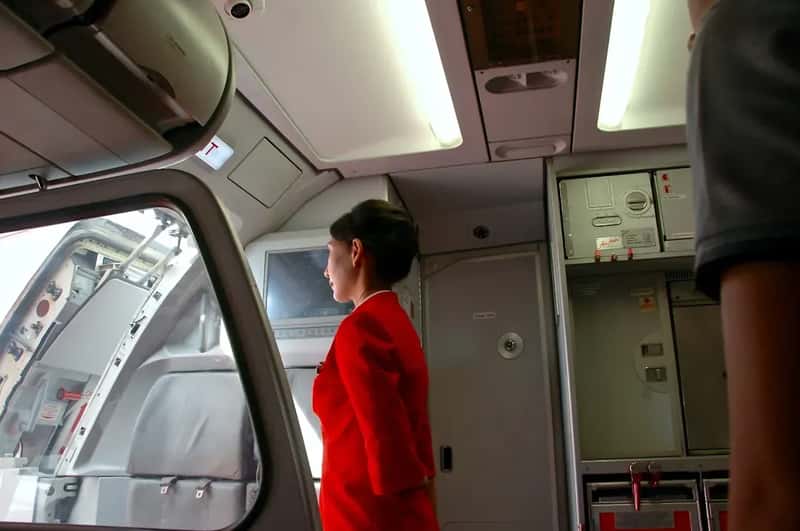
Within three seconds, flight attendants have already categorized you: helper, neutral, or potential problem. That warm smile and “hello” you give – or don’t give – sets the tone for your entire flight. It’s basically your first impression compressed into one heartbeat.
The way you address flight attendants is immediately noticeable. Politeness, eye contact, and a calm tone often lead to warmer service and smoother interactions. Snapping fingers, ignoring greetings, or making demands sends a very different signal. Respectful passengers are easier to assist, and crews remember that.
One flight attendant put it bluntly: those first thirty seconds tell everything. The passenger who acknowledges the crew as human beings gets checked on more often. The one already complaining about overhead space before finding their seat? The crew knows they’ll be high-maintenance. I know it sounds crazy, but something as simple as making eye contact can genuinely upgrade your entire travel experience without spending an extra cent.
2. Your Shoes and What You’re Wearing
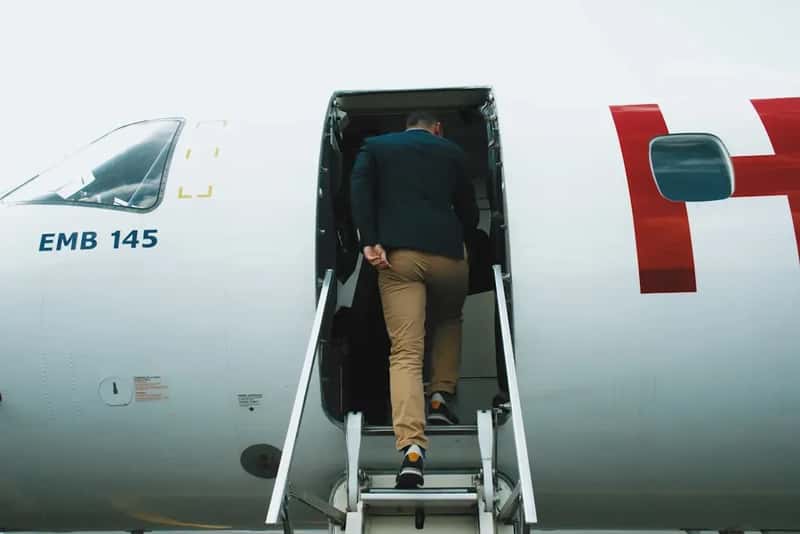
Flight attendants always notice what you have on your feet – and it’s not because they have a shoe obsession. They look at what kind of shoes a passenger is wearing to determine whether they can run quickly and easily in an emergency. Someone wearing high heels during boarding gets mentally noted in case an emergency command about removing them is needed.
Flight attendants look for any item of clothing or jewelry that might become a hazard, especially in an emergency – things that are loose or hanging awkwardly. High heel shoes, big hoop earrings, and jumpsuits or tight-fitting clothing are among the items passengers should think twice about wearing.
Comfortable, closed-toe shoes and flexible clothing earn quiet approval from the crew, while high heels or tight outfits could hinder quick movement. Passengers dressed sensibly project alertness and confidence – qualities that matter a lot if turbulence strikes. Think of it this way: your outfit is a silent conversation with the crew, and it starts the second you walk through the door.
3. Signs of Illness or Physical Distress
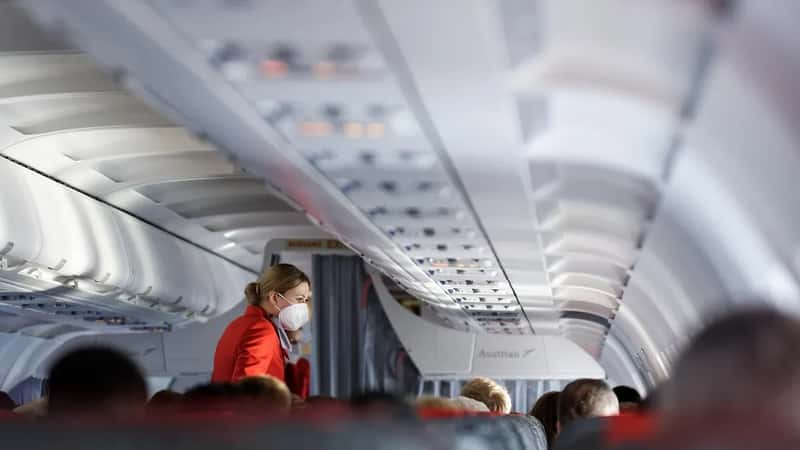
According to the National Institutes of Health, it is estimated that one in every 212 flights will involve a medical emergency. Of these, diversion occurred in roughly one and a half percent of cases due to neurological or cardiovascular conditions, and a small fraction resulted in death onboard. Given numbers like that, it’s no wonder flight attendants scan every face at the door.
Because it’s an enclosed environment, diseases that can be easily transmitted are a serious concern – including Measles, COVID-19, and Norovirus. If a passenger is suspected of carrying a contagious disease and passing it on during a flight, they can be offloaded as a threat to others.
Flight attendants are responsible for safety long before takeoff, and that includes watching for anyone unwell, intoxicated, or overly fatigued. Someone sweating, unsteady, or slurring their words becomes an immediate concern. These checks aren’t judgmental – they’re essential for preventing in-air emergencies. It’s a level of vigilance most passengers never even notice is happening.
4. Whether You’re Drunk or Intoxicated
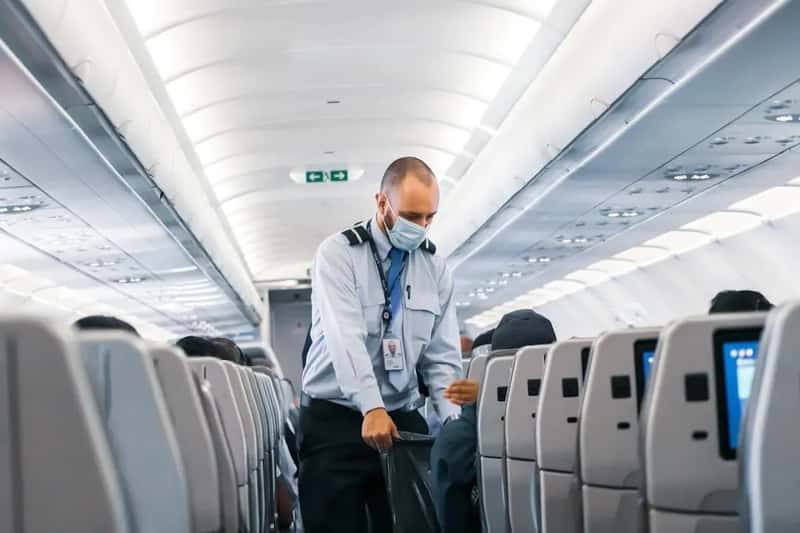
Let’s be real – a lot of people treat the airport bar as a pre-boarding ritual. A drink to calm the nerves, right? Flight attendants spot that the moment you walk through the door, and it matters more than you’d expect.
Cabin crew are trained to quickly spot the effects of slurred speech, strong smells, or unsteady movements, which raise immediate concern. Alcohol impairment has been a leading factor in disruptive passenger incidents reported since 2024. You might feel fine, but even minor signs can stand out clearly in a confined cabin. Crew members stay alert because early signals often indicate larger problems that may arise later in the flight.
In 2024 alone, there were over 2,100 cases of disruptive or unruly passengers reported by US airlines, and the Irish Aviation Authority recorded 1,432 events compared to just 426 the previous year. The FAA has responded by fining passengers and having them pay diversion costs of anywhere between $15,000 and $100,000. That cocktail at the gate might end up being the most expensive drink of your life.
5. Your Physical Build and Whether You Could Help in a Crisis
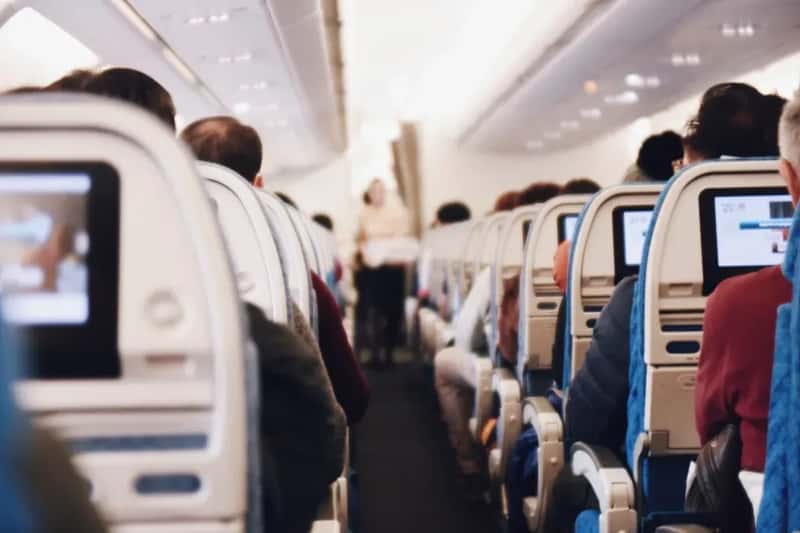
This one surprises most people. Flight attendants aren’t just scanning for problems – they’re also quietly identifying potential allies. Think of it like a silent casting call happening right in the jetway.
During boarding, flight attendants look for Able-Bodied Passengers, or ABPs, who can help in an emergency situation. These are usually people of a certain build and fitness without any physical restrictions. They must be able to speak English and be willing to carry out instructions from the crew. They may be tasked with things like operating an emergency exit, helping people at the end of the slide, or moving people away from the aircraft.
Flight attendants take notice of strong, able-bodied passengers who may be able to help in the event of an emergency, and also notice whether someone is reading a medical journal – so they know who to approach for first aid.
Another aspect of the ABP assessment is whether the able-bodied passenger is traveling alone. One flight attendant with over four and a half years of experience explained that if an ABP is with a spouse or child or family members, they’re likely to be more focused on their own family’s safety than on helping the aircraft in an emergency. It’s thorough, almost chess-like thinking – and it all happens in a few seconds.
6. How You Handle Your Luggage
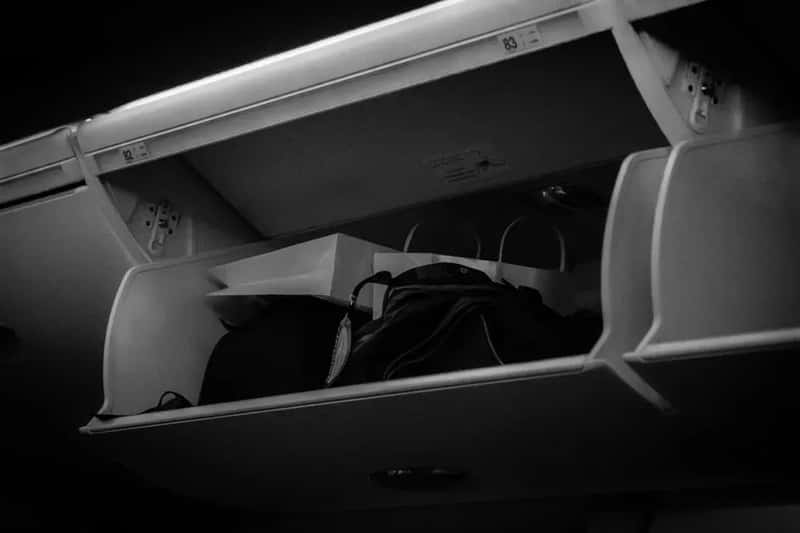
Flight attendants are the last line of defense against passengers who might try to board a plane with too many bags or luggage that’s too big to be a carry-on. One Delta flight attendant shared that he tries to pay as much attention to bags as possible – noting whether anything looks a little off, whether luggage is too large to fit in an overhead compartment, and whether bags have been tagged for cargo or have hazard labels.
Passengers who lift, stow, and sit efficiently tend to blend into the flow. Smooth luggage handling signals to the crew that you’ve done this before. It helps the boarding process move faster, reducing tension for everyone waiting behind you. This calm efficiency also signals respect for shared space – something crew members deeply appreciate during a busy flight.
On the flip side, the unprepared passenger usually becomes the stressed passenger. Stress spreads on planes – one person digging through a bag for a charger turns into three people standing up, the aisle gets blocked, and suddenly everyone’s tension rises. Your bag handling is, in a weird way, a personality test.
7. Your Emotional State and Life Story
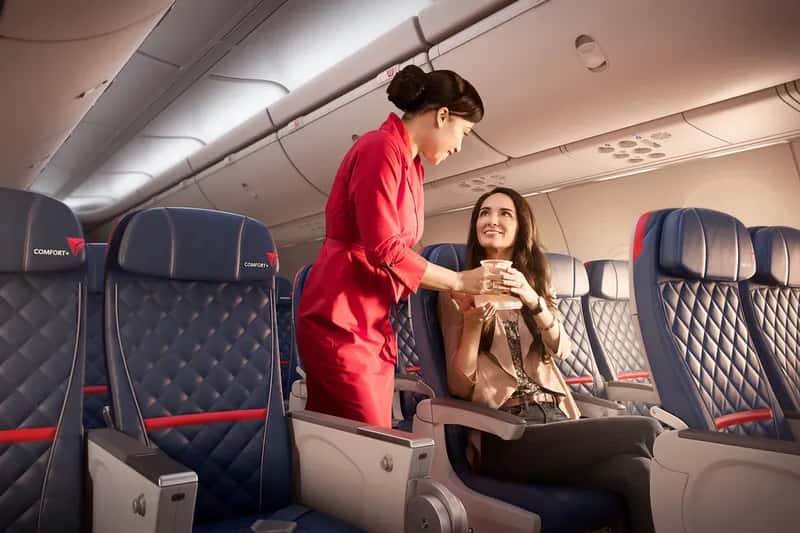
This is honestly the most quietly remarkable thing flight attendants do. They’re not just running safety checks – they’re reading human stories in real time, like speed-readers flipping through chapters of strangers’ lives.
Flight attendants become inadvertent witnesses to life’s transitions, and they can spot them instantly. The person flying with an urn, always recognized even when disguised. The college kid moving across country with their life in a backpack. The business traveler with the wedding ring tan line. The couple heading to or from a medical procedure. The family that’s clearly relocating, not vacationing.
They notice the emotional signatures of major life events – the giddiness of honeymoon couples, the tension of job interviews, the grief that can’t quite be hidden. These observations affect how they interact with passengers. The widow flying with her husband’s ashes might get a gentle upgrade if possible. The nervous job candidate receives an extra smile and encouragement. The medical patient gets checked on more frequently.
Flight attendants may not remember every face, but they remember patterns. Those first impressions shape how they prioritize attention, support, and care once the cabin doors close. There’s something almost tender about that, if you think about it long enough.
The Takeaway: You’re Never Just “Boarding”
Flight attendants are trained to pick up on everything about passengers in the blink of an eye – in around three to four seconds. From noting anxious fliers and those likely to be breaking rules, to passengers who might need a little extra help, it’s safe to say you’re being assessed in one way or another as you prepare to take your seat.
Most of what flight attendants notice is completely within your control. Yes, within the first thirty seconds, they notice things – and most of it is fixable with tiny tweaks that make your trip calmer and more pleasant for everyone around you.
The next time you step onto a plane, remember: that brief moment at the cabin door is a two-way street. Be the passenger who makes a flight attendant’s already demanding job a little easier. Smile. Make eye contact. Wear sensible shoes. You might be surprised how differently the whole flight feels from that point forward. So – which of these seven things did you least expect to be on the list?