Everyone wants a better seat on their flight. More legroom, a quieter corner, maybe that holy grail of an empty row. Yet most passengers have absolutely no idea that their behavior, from the moment they book to the second they buckle up, is quietly being noticed by the people who actually run the cabin. Flight attendants see everything.
In 2024, on average, over 83 percent of all seats on offer were filled globally, marking a record high. That means competition for the better spots is fiercer than ever. So what actually works? Let’s dive in.
1. Be Genuinely Nice – and Mean It
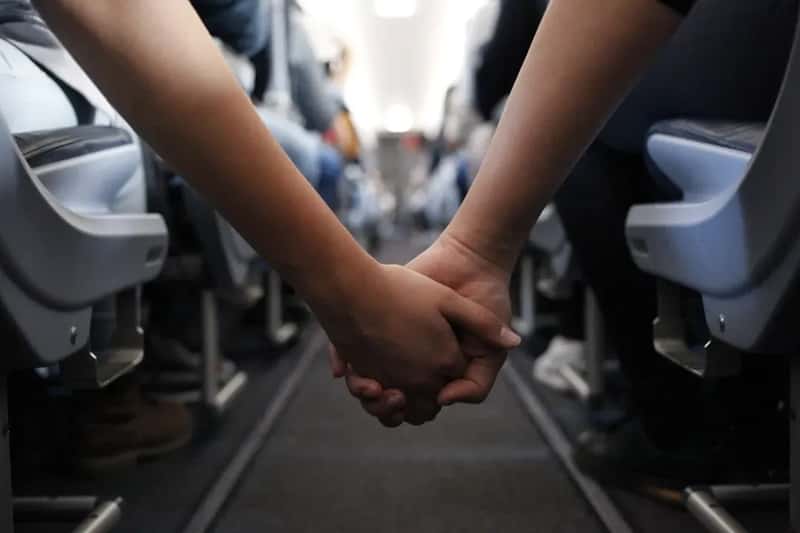
This one sounds almost too simple, yet it might be the most powerful thing on this list. Honestly, it blows my mind how many people board a plane like they’re walking into a DMV. Flight attendants notice courtesy far more than passengers realize.
Travel veterans advise that passengers should always be genuinely nice to everyone they come across, from the reservation agents to the flight attendants and everyone in between. It’s not about being performatively cheerful. It’s about being a decent human.
A study suggested that passengers who demonstrate positive behavior and courtesy when interacting with airline personnel have a slightly increased probability of being selected for a complimentary upgrade. That is a real, documented effect. Kindness is not just good manners. It is a quiet strategy.
Travel trend experts at Skyscanner point out: don’t discount the power of face-to-face human interactions. Don’t be afraid to simply ask for an upgrade – just be polite, respectful and kind. Simple. Effective. Often overlooked.
2. Fly Solo, and Let Them Know It
Here’s the thing about traveling alone. It is actually a hidden advantage. Upgrades and seat changes are logistically far easier to manage for one person than for a couple or group. The math just works out better from a crew perspective.
In a survey by Skyscanner, nearly three quarters of cabin crew members said they were more inclined to offer a free upgrade to a passenger flying alone. One travel expert explained that “it is easier to upgrade one singular person than a group of people.”
One veteran flight attendant and cabin manager who runs a blog for flight crew advised passengers to ask politely if there are any available seats in business class or premium, noting that your chances improve if you’re traveling solo. So next time you fly alone, wear it like a badge of honor.
3. Build Real Loyalty With One Airline
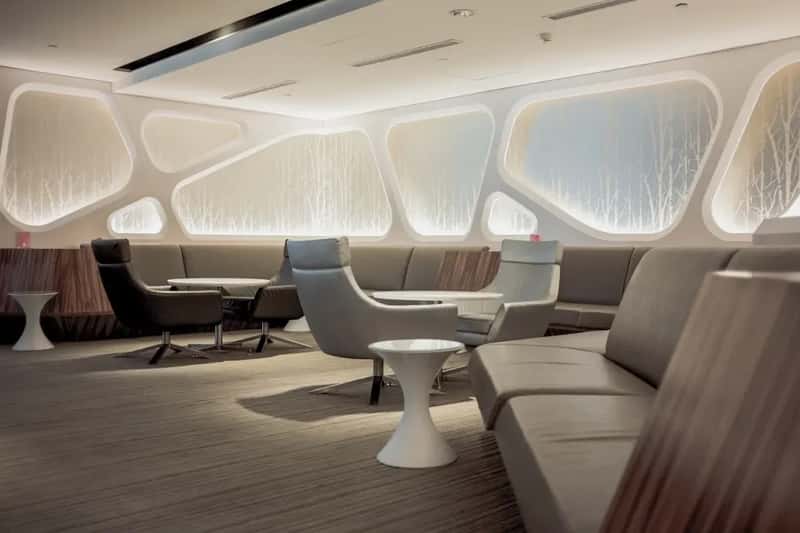
Let’s be real. Spreading yourself across six different airlines for the sake of cheap deals is costing you. Loyalty programs are one of the few systems that still consistently reward consistent passengers, and flight attendants know exactly who sits at the top of that list.
Upgrades are increasingly given out by an algorithm. Frequent flyers who have racked up a lot of points with the airline get first pick of any available upgrades. This is not a rumor. It is the standard operating system of most major carriers in 2026.
Loyalty programs provide upgraded benefits for frequent flyers who earn elite status. These perks can include priority boarding, airport lounge access and complimentary upgrades, depending on the airline you choose and how frequently you fly. The more you commit to one airline, the better the system works for you.
Travel experts say the easiest way to get upgraded for free is to become an elite frequent flier with one particular airline. You can often get free upgrades or access to affordable ones. There are so many frequent flyers these days that you really need top-tier status to earn the best perks like upgrades.
4. Talk to the Gate Agent, Not the Flight Attendant
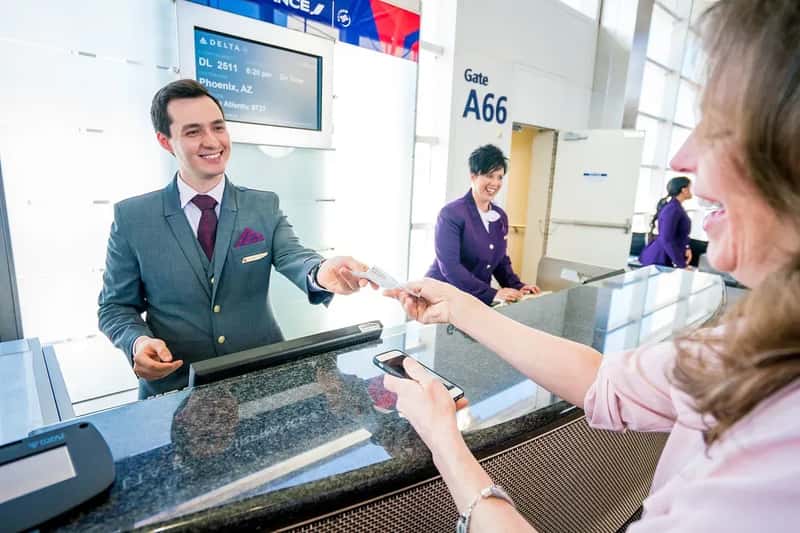
This is probably the most misunderstood habit in air travel. People spend the whole flight charming the cabin crew for an upgrade when the window to actually make it happen closed at the gate. Flight attendants on most major airlines simply do not have the authority they once did.
Over the last decade, airlines have made a push to turn getting a better seat into a separate income stream. Getting an upgrade is now done almost exclusively prior to the flight or at the gate prior to boarding, while check-in and gate agents can sometimes offer a paid upgrade.
A veteran flight attendant confirmed that if you’re already on the flight, it’s too late to ask for an upgrade. If you’re going to try to ask for an upgrade in person, you’re better off checking with the gate agent before boarding. That is straight from someone who works the cabin every week.
One airport car service expert agreed, noting that the best time to ask for an upgrade is often while waiting to board, as gate agents have a clearer picture of available seats and can make last-minute adjustments. Timing your ask at the gate, not at 35,000 feet, is everything.
5. Fly During Off-Peak Hours and Midweek
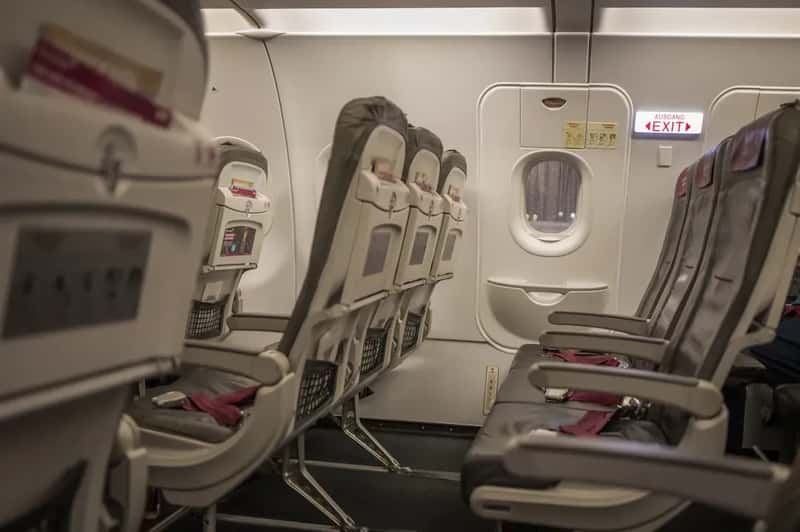
This habit is less about behavior and more about strategy, but flight attendants and travel insiders swear by it. Flying when business travelers are not in the air is like finding a seat at a restaurant right before the dinner rush. The experience is just different.
Flying during less busy times increases the likelihood of available upgrade seats. Statistics show that flights on Tuesdays, Wednesdays and Thursdays have roughly 20 percent more available upgrade seats compared to peak days. That is a meaningful difference when you are looking for something better than a middle seat in row 34.
Travel experts say the key to getting upgraded is to fly when the frequent flier business travelers are not flying. Business hours generally are not your friend when trying to score free upgrades. Saturdays tend to offer the best luck because business travelers are at home with their families.
6. Ask Early – Ideally Right After You Book
Most passengers think about upgrades at the last minute. Scrambling to the gate counter, fingers crossed, hoping for a miracle. It’s understandable. It’s also backwards. The passengers who quietly get better seats are thinking about it days or weeks in advance.
The best time to upgrade your flight is as early as possible, ideally right after you book your flight. It sounds counterintuitive, but earlier is better because availability is highest and the airline has more options to work with.
Some airlines release unsold premium seats during online check-in 24 to 48 hours in advance. Checking in the moment that window opens and scanning for available premium seats is a habit that consistently pays off for frequent travelers.
Luxury travel expert Stephanie Davis follows a strategy that she says results in upgrades the vast majority of the time when availability exists: call the airline days before the flight, ask about an upgrade, and if nothing is available, ask to be added to their upgrade waitlist. Then follow up online during the 24-hour check-in window, and ask again at the check-in counter and the departure gate.
7. Mention a Genuine Reason for Needing More Space
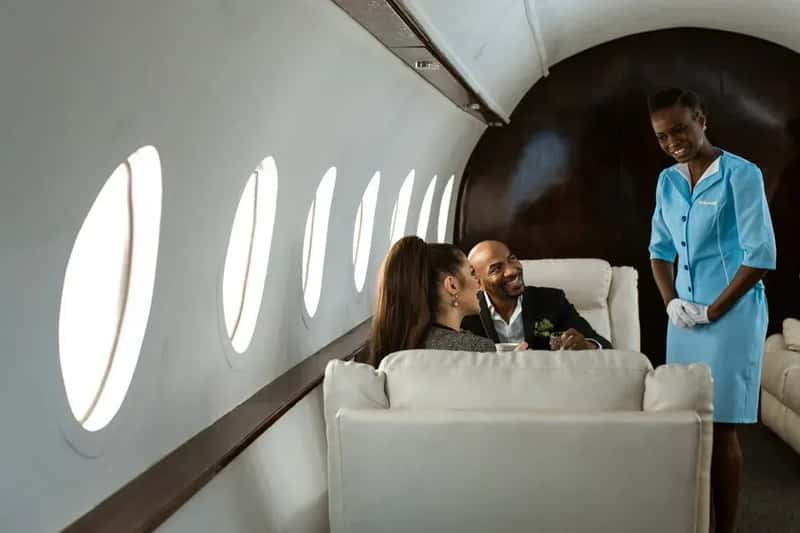
There is an art to asking for a better seat, and it has nothing to do with flattery or begging. The passengers who quietly get moved are the ones who give flight attendants an honest, practical reason for the request. Not a sob story. A real one.
Having an authentic need makes all the difference. For instance, if you get motion sick, are terrified of flying, have an extremely short layover of around 30 minutes where it would help to be further up in the plane to deboard more quickly – these are real reasons that flight attendants respond to.
Politely letting a flight attendant know about a genuine issue, like a broken seat or malfunctioning entertainment on a long flight, often results in a move. A broken entertainment system combined with a kind flight attendant and a flight that isn’t completely full is described as the perfect storm for a last-minute upgrade. It’s not manipulation. It’s just communicating like an adult.
8. Volunteer When the Flight Is Overbooked
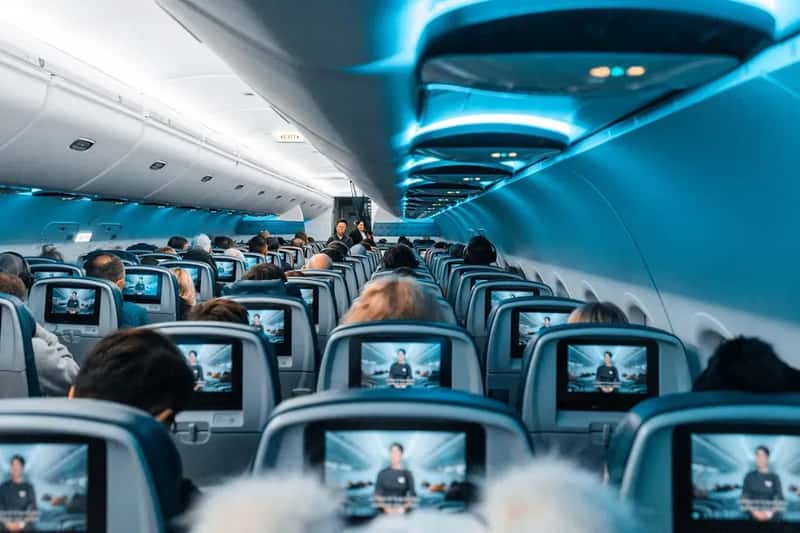
This last habit is something most travelers treat as bad news when it is actually an opportunity in disguise. Overbooking is a deliberate and common airline practice, and it quietly creates one of the most reliable paths to a premium seat that exists.
Overbooking, a common practice in the airline industry, can significantly influence the likelihood of passengers receiving upgrades. Airlines utilize historical data on passenger behavior, such as no-show rates, to strategically overbook flights, aiming to maximize revenue. This approach, when implemented effectively, creates opportunities for upgrades as airlines manage potential gaps in passenger manifests.
The flight crew usually announces over the intercom that anyone who volunteers to take a later flight will be rewarded with several perks, including first-class tickets. Volunteering to take a later flight is one of the most reliable upgrade strategies around. It is not glamorous, but it works.
Travel creators have shared that if your flight is overbooked and they are offering compensation for you to take a later flight, you can also ask for a first-class upgrade alongside the other benefits, and many times they will give it to you. Flexibility, it turns out, is worth more than almost any other habit on this list.
The Bottom Line: Habits Over Hacks
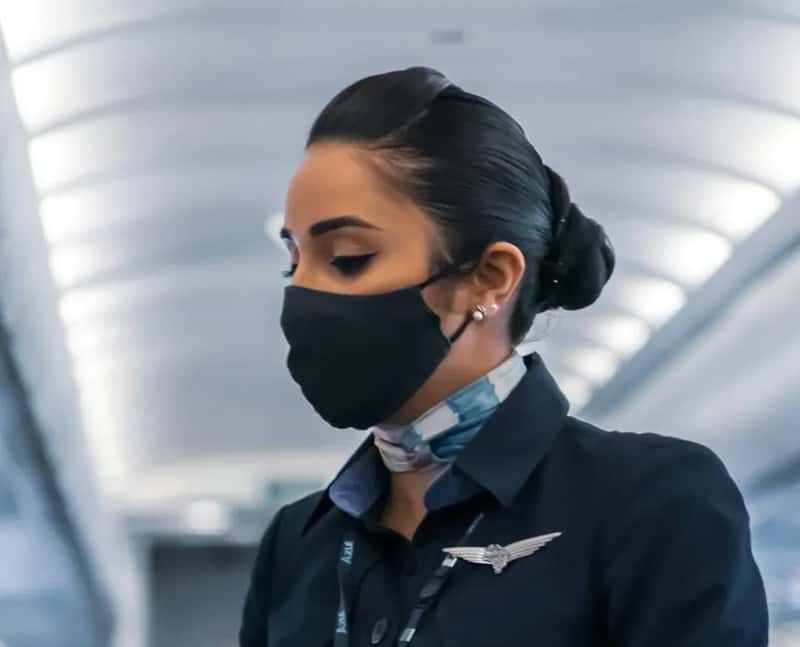
None of these habits involve tricks, loopholes, or trying to sneak behind the curtain into business class. They are about being strategic, informed, and genuinely pleasant to the people who run your flying experience. That is the consistent thread running through everything flight attendants and travel experts keep saying.
The uncomfortable truth is that the only guaranteed way to get an upgraded seat is to buy it. Everything else is about improving your odds. Still, improving your odds by building loyalty, timing your ask correctly, flying off-peak, and treating crew with respect is more than most passengers ever bother to do.
Flying in 2026 is crowded, competitive, and increasingly expensive. The passengers quietly landing better seats are not lucky. They are just a little smarter about when and how they show up. What would you do differently on your next flight?