Let’s be real. Zion National Park is stunning. Those towering sandstone cliffs, those epic hikes, that perfect Utah light. There’s a reason millions of people flock there every year. The problem? Everyone else had the same idea you did.
Some visitors have reported shuttle wait times at Zion’s Visitor Center stretching close to two hours during peak times, particularly during spring break and holiday periods. Peak hours can mean standing-room-only shuttles, with crowds especially intense during summer. The shuttle system runs from March through November, which means most of the year, you can’t even drive your own vehicle into the canyon.
What if I told you Utah has incredible alternatives that deliver the same jaw-dropping red rock scenery, without the two-hour waits? These four state parks offer everything that makes southern Utah spectacular, yet somehow they remain blissfully overlooked. Think dramatic canyon vistas, otherworldly rock formations, and hiking trails where you might actually find some solitude. So let’s get started!
Snow Canyon State Park: Zion’s Little Sibling That Deserves the Spotlight
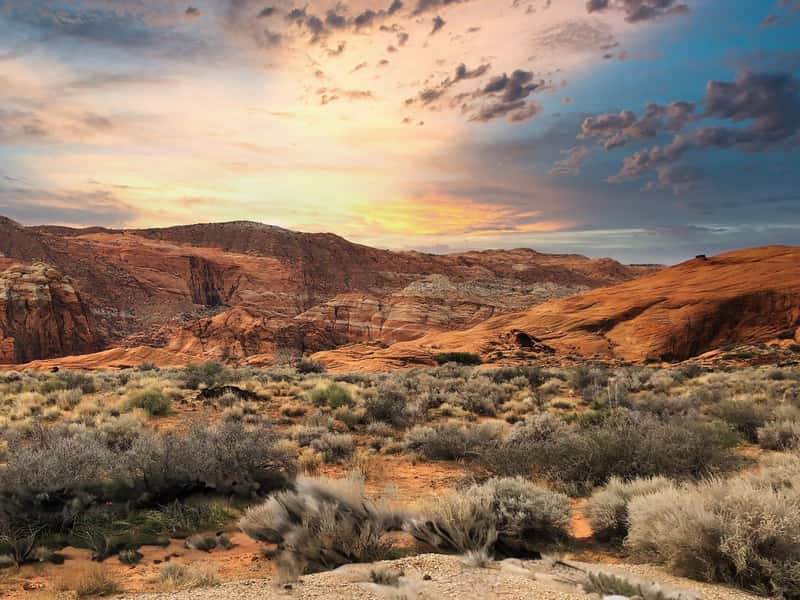
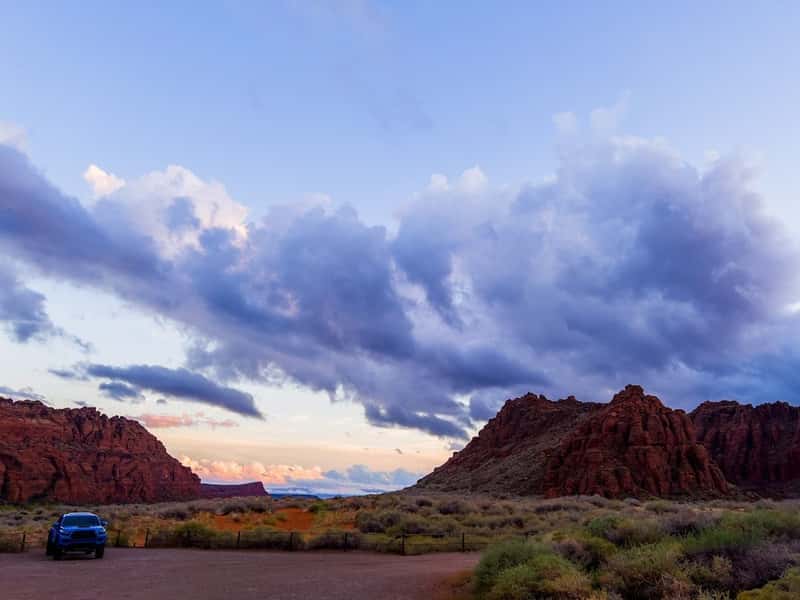
Just an hour from the entrance to Zion National Park and a 20-minute drive from St. George, Snow Canyon State Park delivers a surprisingly similar experience to its famous neighbor. The park features stunning red rocks and towering sandstone cliffs, much like those at Zion National Park, yet it’s one of Utah’s overlooked gems with a fraction of the crowds.
This park covers roughly 7,400 acres of natural wonderland defined by a striking canyon carved from red and white Navajo sandstone and remnants of ancient sand dunes. What makes Snow Canyon truly unique? You can still see remains of black lava flows and cones across the park, creating a dramatic contrast with the vibrant red rocks.
Honestly, the variety here is insane. There are more than 38 miles of hiking trails, a three-mile paved walking and biking trail, and over 15 miles of equestrian trails. The scenic drive winds through towering formations, and many viewpoints require minimal hiking. Snow Canyon is one of the most scenic parks in Utah that requires minimal hiking to enjoy, with a scenic loop taking visitors through towering red rocks and numerous unique turnouts featuring fine red sand and unusual plant life.
The park entrance fee is considerably lower than national parks, making it accessible for families on a budget. The parking fee is around fifteen dollars, and the park stays open until late evening, perfect for those stunning sunset views or even stargazing afterward.
Fast Facts:
- Entrance Fee: $15 per vehicle (non-Utah residents), $10 for Utah residents
- 2024 Visitors: 994,800 – making it one of Utah’s top five most-visited state parks
- Park Hours: Open until 10 PM for sunset and stargazing
- Distance from St. George: 15-20 minutes
- Distance from Zion: Approximately 1 hour
Goblin Valley State Park: An Alien Landscape Where You Make Your Own Trail
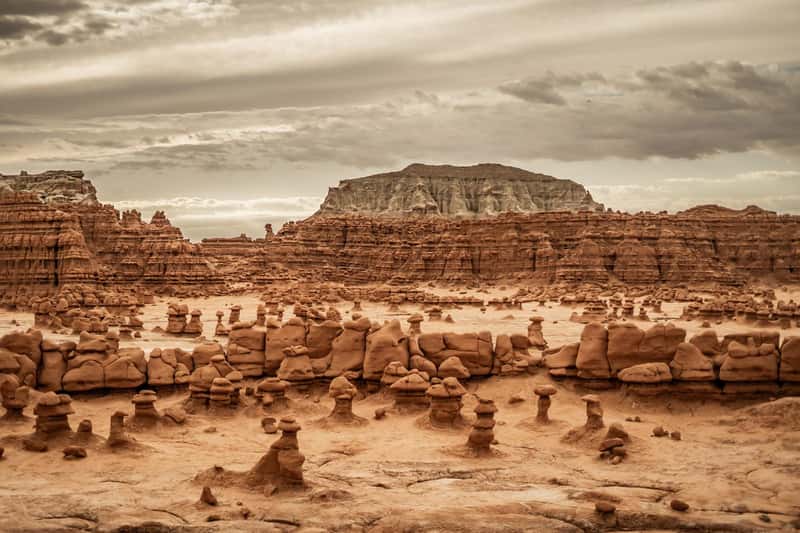
If you thought Snow Canyon felt different from Zion, wait until you see Goblin Valley. This state park features thousands of hoodoos, referred to locally as goblins, which are mushroom-shaped rock pinnacles, some as tall as several yards. NASA uses the region for Mars training, which should give you some idea of how otherworldly this place feels.
The park lies about 12 miles north of Hanksville, making it more remote than Snow Canyon. That remoteness works in your favor, though. The Entrada sandstone from which the hoodoos developed was deposited around 170 million years ago, creating formations that look nothing like anywhere else on Earth.
Here’s what makes Goblin Valley genuinely special. Unlike traditional parks with strict “stay on the trail” rules, visitors are allowed to walk, hike, climb, and play freely among the mushroom rocks and tall spires. The Valley of Goblins spans nearly three square miles that can be explored at your leisure. You can scramble over hoodoos, duck between formations, and basically let your inner child run wild.
Goblin Valley was even the filming location for the sci-fi comedy Galaxy Quest, which makes perfect sense once you’re standing there. The landscape genuinely looks like another planet. The sky above Goblin Valley is one of the darkest on Earth, with virtually no light pollution, making it phenomenal for stargazing.
Key Information:
- Entrance Fee: $20 per vehicle
- Location: 12 miles north of Hanksville, 48 miles southwest of Green River
- Park Hours: 6 AM to 10 PM daily
- Camping: 25 campsites available ($45/night includes entrance fee), plus 2 yurts ($150/night)
- Best Time to Visit: Spring or fall for moderate temperatures; summer can exceed 100°F
Dead Horse Point State Park: Drama That Rivals the Grand Canyon
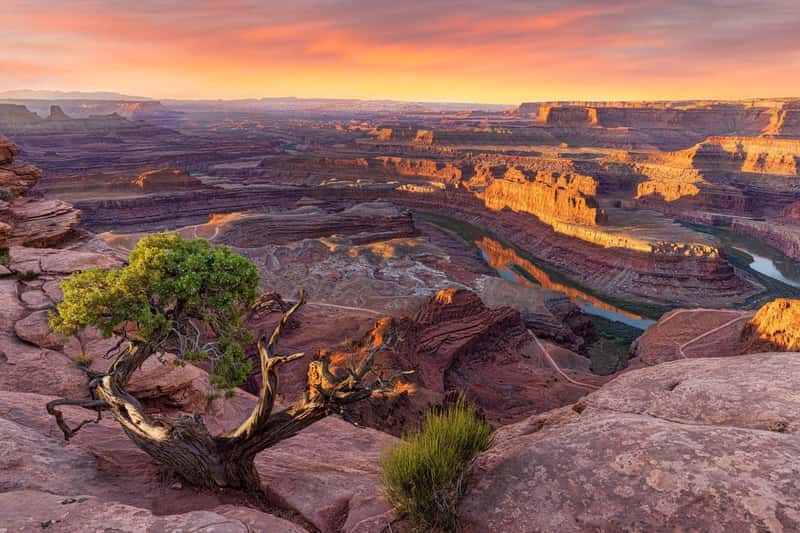
Dead Horse Point sits at the end of a mesa 2,000 feet above the Colorado River, on the edge of Canyonlands National Park, offering outstanding views of the river and the surrounding canyon country. Some people claim the vistas here actually surpass certain overlooks at the Grand Canyon. I’m not saying I agree, but I’m not saying they’re wrong either.
Located on State Route 313 near Moab, Dead Horse Point is among the most popular state parks in Utah due to its red rock panoramas and deep canyons, yet it maintains manageable crowds and breathtaking hiking trails. The park opened in 1959 and covers 5,362 acres.
The main overlook provides a 270-degree vista over the Colorado River and its side canyons, with plenty of the river and its corridor of greenery visible 1,900 feet below, including one big gooseneck meander close to the viewpoint. The turquoise evaporation ponds from the mining complex at Potash create an almost surreal contrast against the red rocks.
The Intrepid Trail System covers 16.6 miles of non-motorized singletrack trails catering to all skill levels, offering spectacular canyon views as you traverse slick rock and mixed terrain. Mountain bikers particularly love this park, though hikers find it equally rewarding. The stunning Dead Horse Point Overlook is just steps from the parking lot and visitor center, making it incredibly accessible even for those who can’t tackle longer hikes.
Planning Your Visit:
- Entrance Fee: $20 per vehicle (good for 2 days), $10 for motorcycles/walk-ins
- Park Hours: 6 AM to 10 PM daily
- Visitor Center Hours: 9 AM to 5 PM (closed Thanksgiving, Christmas, New Year’s Day)
- Distance from Moab: 40-45 minutes (scenic drive)
- Distance to Canyonlands: Just 20 minutes from the Island in the Sky District
- Special Feature: Certified International Dark Sky Park – ideal for stargazing
Kodachrome Basin State Park: Named for Its Colors, Loved for Its Solitude
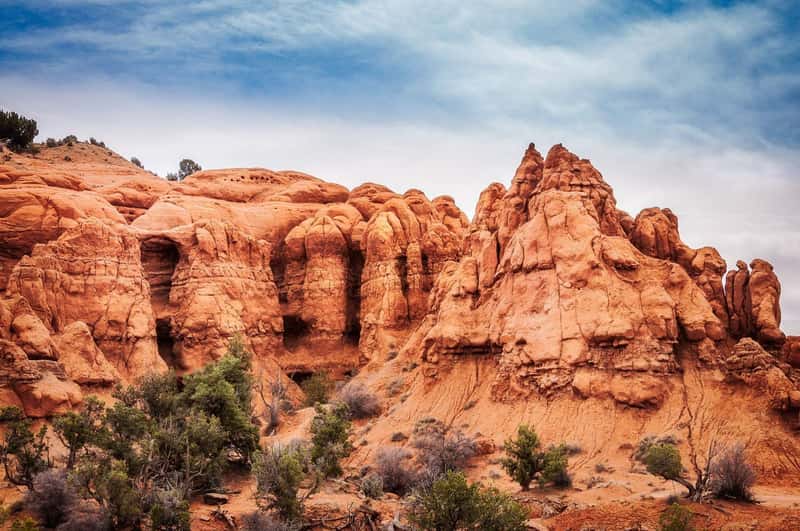
Kodachrome Basin showcases Utah’s desert colors on full display, with towering red formations alongside strips of green, cream, and even light blue, located just 26 miles from Bryce Canyon National Park. The landscape acts as a bridge between Bryce Canyon and Zion, combining elements of both.
The park is home to several monolithic spires that make Utah’s southern horizon so striking, with bright red protruding into the skyline. These aren’t your typical rock formations. Kodachrome Basin features sedimentary pipes – cylindrical rock towers that geologists believe were once underground geysers that filled with sediment and hardened.
The park was actually named by the National Geographic Society in 1949, a rare honor granted because the landscape’s vivid colors reminded explorers of the recently developed Kodachrome color film. Photography enthusiasts still flock here, though in much smaller numbers than at Zion.
The park offers diverse activities, including hiking, biking, horseback riding, and camping, providing similar opportunities to Zion but in a smaller-scale setting. Several trails wind through the formations, ranging from easy nature walks to more challenging backcountry routes. The combination of hoodoos and winding landscape makes Kodachrome Basin both a great example of Utah’s parks and a creation all its own.
What makes Kodachrome Basin particularly appealing is its position near other attractions. You can easily combine it with visits to Bryce Canyon or Grand Staircase-Escalante National Monument, creating a southern Utah road trip that avoids the Zion crowds entirely.
Essential Details:
- Entrance Fee: $10 per vehicle, $5 for Utah seniors (62+)
- Park Hours: 6 AM to 10 PM year-round
- Unique Features: 67 sedimentary pipes (spires ranging from 6 to 170 feet tall)
- Distance from Bryce Canyon: 26 miles (about 30 minutes)
- Camping: 47 sites available ($35-$45/night), plus 2 bunkhouses
- Best Seasons: Spring and fall for moderate weather
Why These Parks Remain Crowd-Free (And How Long That’ll Last)
Here’s the thing about these four state parks. They’re not exactly secrets. Locals know about them. Savvy travelers who’ve done their research know about them. Yet they continue to fly under the radar compared to Utah’s Mighty Five national parks.
Part of the reason is simple marketing. National parks get federal funding, massive publicity campaigns, and international name recognition. Zion National Park welcomed over 4.6 million guests in 2023, making it the third most visited national park in the United States. State parks, despite being equally spectacular, don’t command that same attention.
Location plays a role, too. Snow Canyon benefits from being near St. George, making it accessible for day trips. Dead Horse Point’s proximity to Moab helps its visitor numbers. Goblin Valley and Kodachrome Basin, sitting in more remote areas, naturally see fewer crowds. Goblin Valley can be exceptionally busy on weekends and during spring break periods, with recommendations to arrive in the morning or later afternoon to avoid crowds.
The lack of lodging options within or immediately adjacent to these parks also limits overnight visitors. Zion’s shuttle system, ironically, was implemented to manage overwhelming crowds. These state parks haven’t reached that tipping point yet. Whether that changes in the coming years remains to be seen. Tourism to southern Utah continues climbing, and word is gradually spreading about these alternatives.
My advice? Visit sooner rather than later. Not because these parks will become inaccessible like Zion, necessarily. Simply because experiencing them while they remain relatively peaceful is a gift you give yourself.
The Real Question: Why Would You Still Choose Zion?
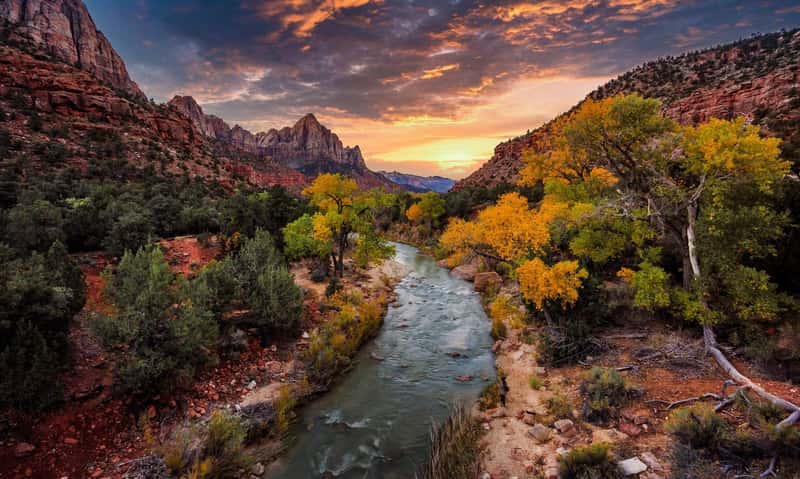
Look, I’m not saying you should never visit Zion National Park. It’s iconic for good reason. The sheer scale of those canyon walls, the unique geology, trails like Angels Landing and The Narrows – Zion offer experiences you genuinely cannot replicate elsewhere.
Yet here’s what I’ve learned after exploring Utah extensively. Sometimes the “best” destination isn’t actually the best choice for your trip. If you have limited time, if you’re traveling with young children, if you prefer solitude over crowds, or if you simply want to avoid standing in shuttle lines, these state parks deliver comparable beauty with far less hassle.
Think about what you actually want from your Utah adventure. Dramatic red rock scenery? Check. Excellent hiking trails? Check. Unique geological formations? Check. Opportunities for photography, camping, and genuinely connecting with the landscape? Check, check, check. These four state parks deliver all of that.
Utah’s state parks offer scenic and less crowded alternatives to Zion National Park, providing experiences that rival the national parks without the infrastructure overwhelm. You’ll actually hear birdsong instead of hundreds of conversations. You can pause at a viewpoint without jockeying for position with dozens of other photographers. You might even experience that increasingly rare phenomenon: solitude in nature.
The shuttle lines at Zion aren’t going anywhere. They’ll still be there next year, and the year after. These state parks, though? They’re waiting for you right now, relatively peaceful, absolutely spectacular, and ready to remind you why you fell in love with Utah’s red rocks in the first place.
What do you think? Have you visited any of these incredible state parks? Share your experience in the comments below.