There’s a special kind of confidence that comes with a well-worn passport. Experienced travelers move through airports with a calm that’s almost unsettling to first-timers – no frantic pocket-patting, no last-minute sprint to the gate. They’ve made the mistakes so you don’t have to.
Research has found that a small number of frequent flyers dominate air travel. In the United States alone, just about twelve percent of people take roughly two-thirds of all flights. These seasoned road warriors have picked up lessons the hard way, and their collective wisdom points to a clear set of habits that distinguish smart travelers from stressed ones. Here’s what – and why it matters more than ever in 2026.
1. They Never Overpack

Let’s be real – this is the big one. Travelers today may log more miles and cross more borders than ever before, but one simple mistake continues to weigh them down, literally. Overpacking, the age-old habit of stuffing bags with too much “just in case” gear, remains the most common blunder made by even the world’s most seasoned explorers. According to the Global Rescue Traveler Sentiment and Safety Survey, overpacking consistently tops the list of traveler mistakes, with nearly one in three respondents admitting they brought too much luggage.
An eye-opening survey found that nearly three-quarters of people have overpacked for a trip, and roughly two-fifths say they have come home with clothes they didn’t even wear. Think about that. You lugged an extra five pounds of “maybe” outfits across three airports for absolutely nothing. Fear of forgetting something essential, attachment to comforts from home, and unpredictability often lead travelers to pack more than they realistically need. Ironically, the attempt to reduce stress often has the opposite effect, as heavy luggage becomes a burden in transit and added bags mean higher airline fees.
2. They Never Exchange Money at the Airport

Many travelers make the mistake of exchanging money at the airport because it is the most convenient and easy way to do it. The commissions, however, are very high and, depending on the destination, an extra management percentage may be charged as well. Experienced travelers know this trap well and avoid it completely.
Think of currency exchange counters at airports like vending machines in a hotel – you pay for the convenience, and you pay a lot. Another option is to pay for everything with a credit card, but many banks keep a percentage of what you withdraw from ATMs abroad. Getting a prepaid currency card without commissions is a far smarter alternative. Frequent flyers do their homework before they ever step foot on the plane.
3. They Never Skip Travel Insurance

While the majority of U.S. travelers have purchased some form of travel insurance in their lifetimes, for 2025 trips specifically, nearly two-thirds of American travelers have not purchased any travel insurance. That’s a genuinely shocking number. Experienced travelers, on the other hand, almost always have coverage in place.
Travelers who fly three to five times per year and six to ten times are more than twice as likely to purchase standalone travel insurance for their trips compared to those who fly just once or twice annually. The more you travel, the more you understand what can go wrong. Travel insurance typically costs roughly six percent of the total trip price, depending on factors like destination, traveler age, and trip duration – a small price for genuine peace of mind.
4. They Never Book Connecting Flights When They Can Fly Nonstop

Booking flights with connections rather than nonstop options was found to be the second most common mistake among travelers. Connections increase the likelihood of missed flights, longer travel times, and the potential for lost luggage. Opting for nonstop flights whenever possible minimizes disruptions and provides a more seamless travel experience.
Honestly, I think a lot of people still choose connections purely to save a few dollars, not realizing the true cost. International routes are five times more likely to lose luggage than domestic flights, and adding a connection to an international trip multiplies that risk dramatically. Experienced travelers factor in the value of their time and sanity – not just the ticket price.
5. They Never Ignore Loyalty Programs
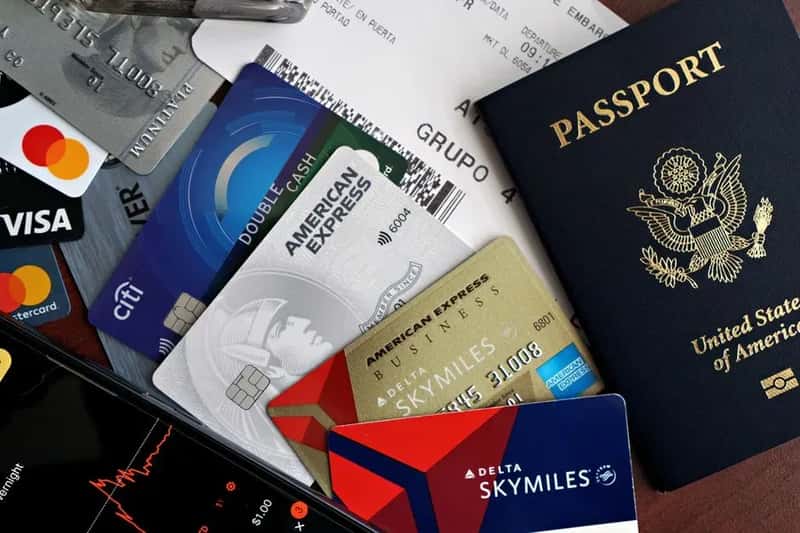
OAG surveyed 2,000 North American travelers in April 2024 to analyze what services, ticket inclusions, and rewards programs are driving purchasing behaviors. The main takeaway was that travelers are eager to take to the skies but remain cost-conscious and less swayed by traditional airline loyalty programs. Experienced flyers, though, know better than to ignore them.
A study revealed that members who concentrated on fewer airline alliances enjoyed an average of twenty-five percent more reward points compared to those who spread their miles across multiple carriers. Spreading miles too thin is like spreading butter on too much toast – you barely taste it. Data indicates that over sixty percent of frequent travelers are unaware of how close they are to attaining elite status, and understanding where you stand in the program can unlock exclusive upgrades, lounge access, and faster boarding.
6. They Never Book Flights at the Wrong Time

There used to be all kinds of “secret” formulas for the best time and day to purchase a flight. Today, airlines are constantly changing their pricing structures using mysterious algorithms and AI models to increase their revenue. Generally speaking, however, experts agree that for a domestic flight, the cheapest airfares can be found twenty-one to forty-five days ahead of time. For international flights, the window is a bit farther out, with the best prices usually around two to four months before departure.
If you’re flying at peak times, such as summer or around the holidays, experts recommend aiming for three to six months instead. Experienced travelers plan ahead like chess players – always thinking several moves in advance. They aren’t scrambling for last-minute seats. They’re already packed and confirmed while others are still price-checking.
7. They Never Arrive Late to the Airport

One of 2025’s most eyebrow-raising trends involved travelers seeing how late they could arrive at the airport and still make their flights. Known as “airport theory,” the trend involved passengers arriving with only fifteen to twenty minutes before boarding. Some pulled it off, while others missed their flights entirely.
Seasoned travelers watch this trend with barely concealed horror. Packing, planning, and missing flights or travel connections are among the top pain points weighing on potential travelers, and yet some still treat airport timing like a dare. Experienced flyers build in buffer time, always. They treat the departure time like a hard deadline, not a suggestion.
8. They Never Check In at the Desk If They Can Do It Online

Online check-ins are becoming more common, but many travelers still don’t take advantage of this time-saving travel hack. Instead of waiting in long lines for hours, experienced travelers check in online on their phone or computer. It costs nothing and saves enormous amounts of time and stress.
Here’s the thing – airport check-in queues can be brutal, especially during peak travel months. The most popular months for travel are June and July, which means those lines are even longer when everyone else is heading for the same beach. Experienced travelers use every tool available to skip the queue and glide through the airport like they own the place. That begins with a mobile boarding pass.
9. They Never Build an Overambitious Itinerary
Overambitious itineraries round out the top three travel mistakes identified in recent research. Packing too much into a trip often leaves travelers exhausted and unable to enjoy their destinations fully. Immersive, slower-paced travel allows for richer experiences and deeper connections with the places visited.
Experienced travelers factor in additional time for possible delays as well as extra time to rest. They remember that you don’t need to see the whole country in one visit – planning to do so will only make you feel unaccomplished. It’s a bit like trying to read ten books in a week. You get through them, sure, but nothing really sinks in. Slow down. The best travel memories usually come from the unplanned moments.
10. They Never Fall for Travel Scams

Scammers try to mimic or impersonate popular travel websites, spoofing familiar branding, logos, and company verbiage. They’re so convincing that even an experienced consumer reporter sometimes has trouble recognizing them. If the pros get fooled, anyone can. Experienced travelers stay laser-focused on security.
The simple solution is to go directly to the website instead of finding it through a search. Always pay through the service’s official website. Going off-site or paying with a money transfer is just asking for trouble. Seasoned flyers never click suspicious links, never pay via wire transfer for a booking, and never assume a “too good to be true” deal is anything other than exactly that.
11. They Never Ignore Local Culture and Customs

Experienced travelers try to understand the culture and the surroundings in which they are traveling. Having an open mind helps them blend in better, enjoy and absorb the culture in a more interactive way, and avoid insulting people unintentionally. This sounds obvious. It isn’t always practiced.
Surely, in your city, you’ve seen some foreigner doing things you would never do: eating in an overly touristy restaurant, paying a lot for a product that isn’t traditional to the region, or choosing the worst time to visit a site. If you are smart in your city, why not be smart when you travel? Talk to locals, ask the receptionists at your hostel, and use your apps to meet local people and ask them questions. Experienced travelers know that the real destination isn’t on any map – it’s found through people.
12. They Never Travel Without Backup Copies of Their Documents
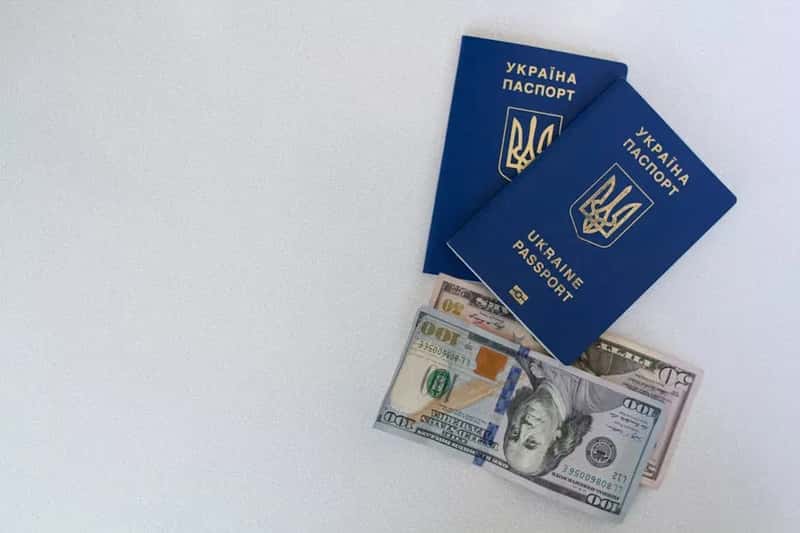
Experienced travelers make digital and physical copies of essential documents like their passport, ID, and travel itinerary. Having backups can be a lifesaver in case of emergencies, and it’s something you don’t want to play around with. A lost passport in a foreign country without a backup copy is one of the most stressful situations a traveler can face. It’s entirely preventable.
Think of it like having a spare key to your house. You hope you’ll never need it, but the day you do, you’re incredibly grateful it exists. Experienced travelers store backup documents in a secure cloud service, email copies to themselves, and keep a physical copy somewhere separate from their wallet. It takes ten minutes and can save days of bureaucratic nightmare.
13. They Never Let Travel Problems Escalate Without Speaking Up

The most effective way to handle travel trouble is a two-part strategy: address problems early and politely. Don’t wait for a bad situation to get worse. When you do speak up, do it with a calm and pleasant demeanor. A polite request is far more likely to be successful than an angry demand.
Travel problems can be mitigated before they become problems, but it takes something that’s in short supply today: situational awareness, research, and common sense. Experienced travelers are observant, proactive, and composed. They don’t cause scenes, and they don’t stay silent when something genuinely goes wrong. Travelers who log the most miles are prioritizing experiences over material possessions, and they protect those experiences fiercely – politely, but fiercely.
Final Thought

The difference between a stressful trip and a seamless one rarely comes down to luck. It comes down to habits. The travelers who move through the world with ease have earned that ease through trial, error, and a genuine willingness to learn. Every single point on this list was, at some point, a mistake someone made in an airport, a currency exchange booth, or a hotel lobby.
The good news is that none of these habits require special skills or a big budget. They just require intention. Whether you’re a once-a-year vacationer or a road warrior clocking hundreds of thousands of miles, these lessons apply equally. The world’s best travelers aren’t necessarily the bravest – they’re just the most prepared.
Which of these mistakes have you made? And more importantly, which one will you never make again?