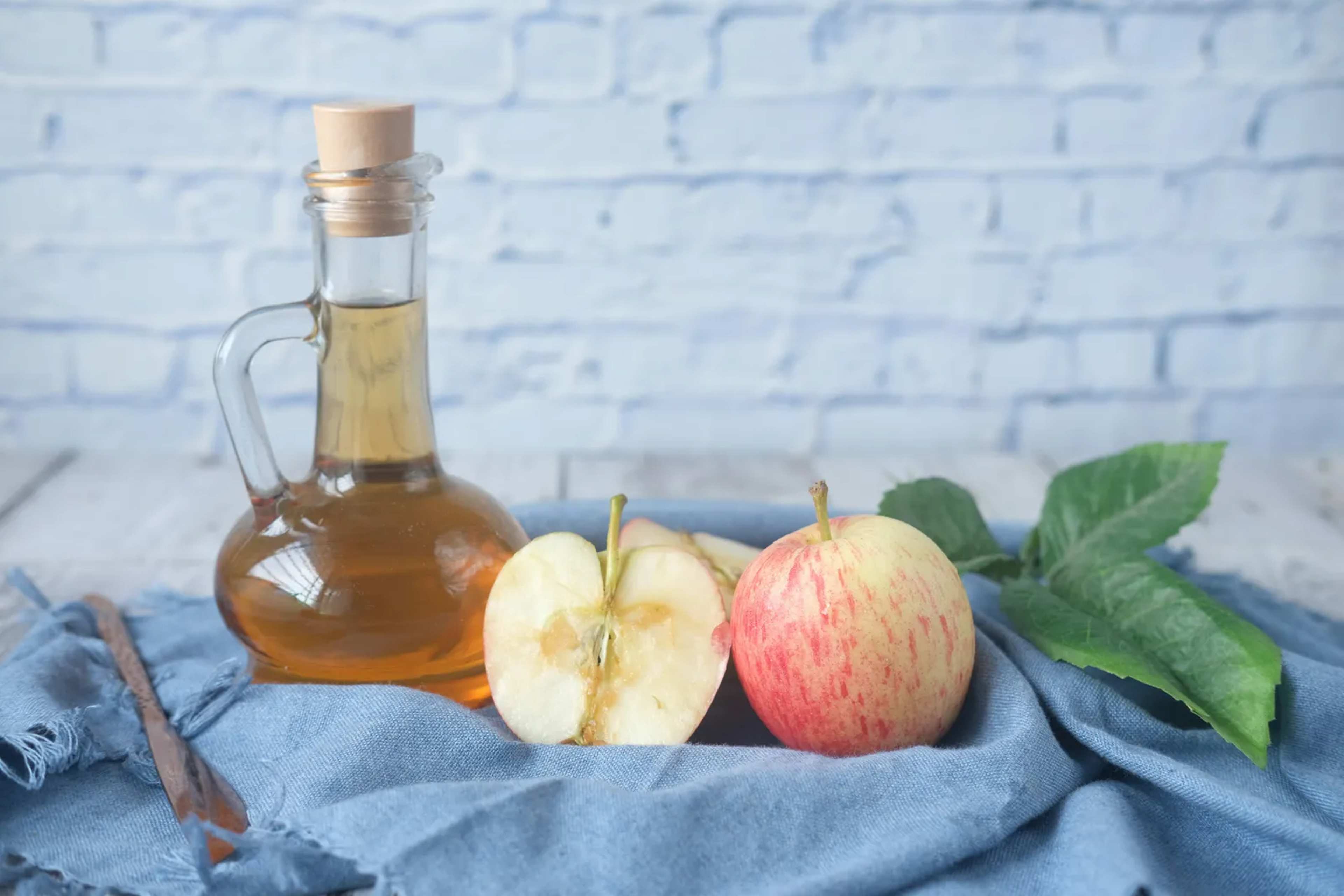
Fall trips to cider mills often end with a heavy jug tucked into the car for the drive home. That purchase brings the taste of the season into the kitchen, yet the clock starts ticking the moment the cider leaves the press. Fresh, unpasteurized varieties demand quick attention once they reach the refrigerator. The original source for this guidance appears at ([1]).
Why the Type of Cider Matters Most
Apple cider comes in several forms, and each carries its own storage rules. Fresh, unpasteurized cider sold at orchards or farm stands sits in the refrigerated section and carries an FDA warning label about possible harmful bacteria. Pasteurized or shelf-stable bottles look similar on the shelf but follow different timelines once opened. Appearance alone does not settle the question. Cloudy liquid with sediment at the bottom is normal for true cider, while clear filtered juice behaves more like a processed product. Reading the label remains the surest way to know what sits in the jug.
Refrigerated Storage Windows for Fresh and Treated Cider
Iowa State University guidance sets the standard refrigeration period for unpasteurized cider at two weeks from purchase, or one week after opening. Individual mills give their own figures, such as 10 to 14 days from the day of purchase for untreated product without preservatives. Pasteurized refrigerated jugs often reach four weeks or more, and some producers list about six weeks. Shelf-stable bottles stored unopened in a cool, dry place keep quality for years according to one major brand, though the printed “Best By” date reflects flavor rather than safety. Once opened, those same bottles move to the refrigerator and last five to 10 days. Any cider left at room temperature should return to the fridge within two hours to limit bacterial growth.
Recognizing When Cider Has Turned
Several clear signs indicate the product is no longer suitable. Fizzing or foam on a non-sparkling cider, a sour or vinegar-like smell, visible mold, or a darker color than when purchased all point to spoilage. A bulging jug of unpasteurized cider can result from harmless yeast activity, yet the same bulge paired with off odors or leakage calls for disposal. Tasting to check is not recommended. Untreated cider may contain bacteria even when it looks and smells normal, so visual and olfactory checks serve as the practical limit. Past the maker’s window or the two-week mark without a date, the safer choice is to discard the remainder.
Freezing Cider and Handling Leftovers
Freezing extends usability for up to a year with little change in flavor when the container leaves room for expansion. Thawing in the refrigerator keeps the process steady and reduces the risk of uneven temperatures. Once thawed, treat the cider like fresh product and finish it within a few days. Hot or mulled cider follows the same leftover rules as other cooked foods. Refrigerate within two hours of cooking and use within three to four days. Reheat to at least 165 degrees Fahrenheit before serving. Straining out spices and fruit pieces before storage helps maintain quality.
Practical Steps for Fall Enjoyment
A few habits stretch the life of a purchased jug without replacing the date or the producer’s guidance. Place the cider in the refrigerator immediately after purchase and keep the container tightly covered. Writing the purchase and opening dates on the cap removes guesswork later. Portion out only what will be consumed rather than drinking directly from the jug. Freeze any amount unlikely to be finished within the recommended window. For households with children, older adults, pregnant individuals, or anyone with a weakened immune system, choosing pasteurized or treated cider reduces risk from the outset. These steps keep the seasonal treat safe and enjoyable through the height of orchard season.