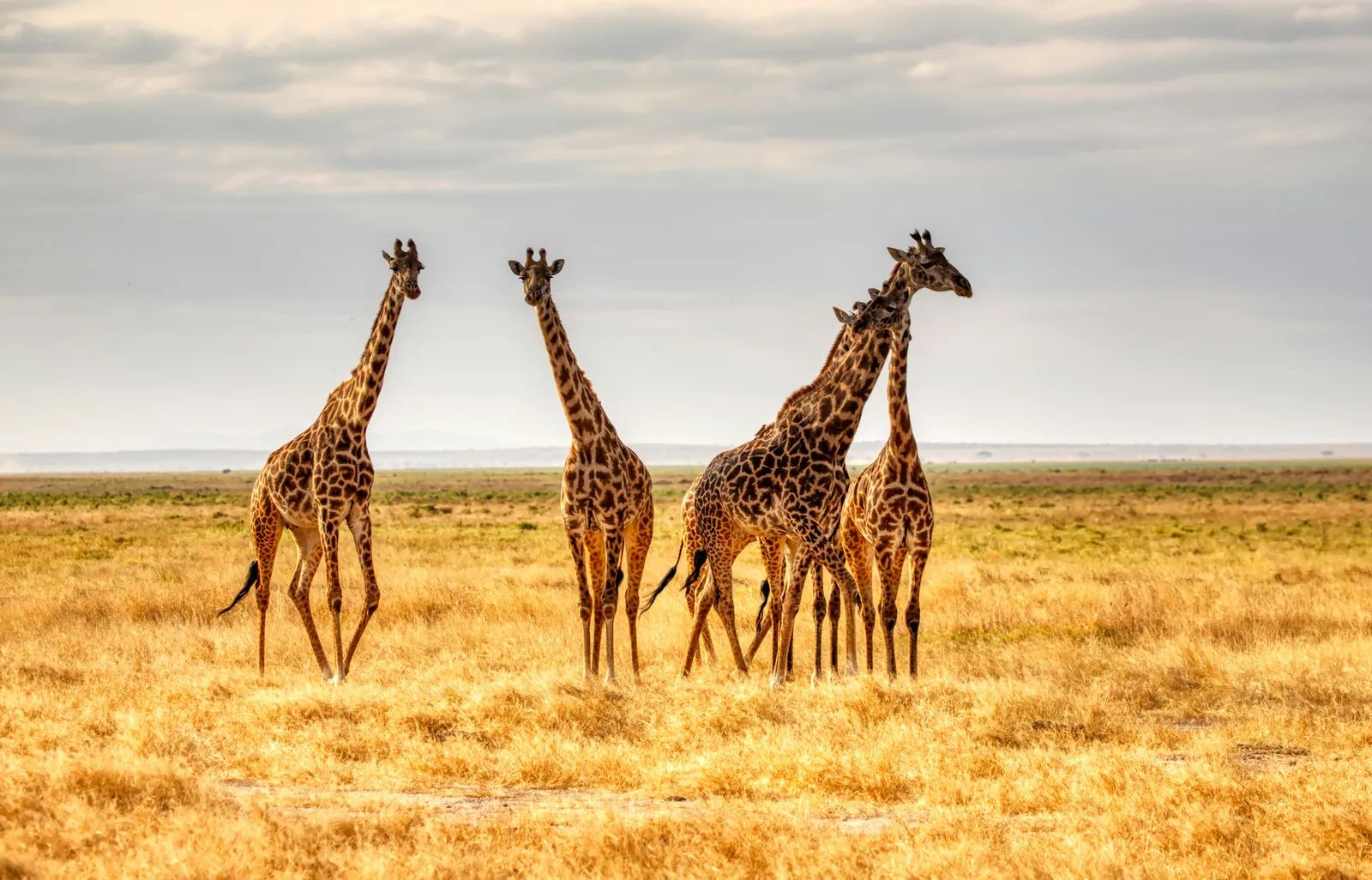
Decades of civil war have devastated much of South Sudan, yet recent genetic analysis indicates that the country’s remaining giraffes have preserved a surprisingly robust gene pool and remain linked to other groups through natural movement. Researchers examined DNA samples from a small number of animals in protected areas and found limited signs of the inbreeding that often threatens tiny, isolated populations. The results challenge assumptions that conflict zones automatically lose their capacity to support viable wildlife. ([1])
Population Losses Over Time
Northern giraffes once numbered in the thousands across what is now South Sudan. Estimates placed the total at around 15,000 individuals in 1995. By 2025 the figure had fallen to roughly 235 animals scattered in isolated pockets, representing a 95 percent drop for the Nubian subspecies across Ethiopia and South Sudan combined between 1985 and 2025.
Two subspecies of the critically endangered northern giraffe occur in the country: the Nubian giraffe and the Kordofan giraffe. Both face severe pressure from habitat loss, poaching, and the broader effects of prolonged instability. The sharp numerical decline raised immediate questions about whether the survivors could maintain enough genetic diversity to persist long term.
Collecting and Analyzing the Data
Teams from the South Sudan government, the Giraffe Conservation Foundation, and African Parks gathered skin biopsy samples from 30 Nubian giraffes inside Boma and Badingilo national parks. These parks are managed by African Parks and represent some of the last strongholds for the subspecies in the region.
Scientists then sequenced the DNA to measure overall genetic diversity and to check for evidence of recent inbreeding. They also compared the samples against known profiles from neighboring giraffe groups to assess whether animals were still moving between areas and exchanging genes.
Results Point to Unexpected Resilience
The analysis revealed relatively high levels of genetic variation and clear signs of ongoing gene flow with populations outside South Sudan. Lead author Sam van Giessen noted that conflict-affected regions can still hold substantial biodiversity and should not be overlooked in future studies or conservation planning.
While the overall numbers remain critically low, the genetic findings reduce immediate fears that inbreeding depression will accelerate the subspecies’ decline. The data suggest that the remaining animals are not as cut off from one another or from external groups as their fragmented distribution might imply.
Next Steps for Protection
Conservation groups now emphasize the need to maintain and expand protected areas while addressing the root causes of poaching and habitat encroachment. Continued monitoring of both population size and genetic health will help determine whether current protections are sufficient.
The study underscores that even in difficult security environments, targeted fieldwork can yield actionable insights. Protecting these genetically healthy pockets may prove essential for any future recovery of northern giraffes across their historic range.