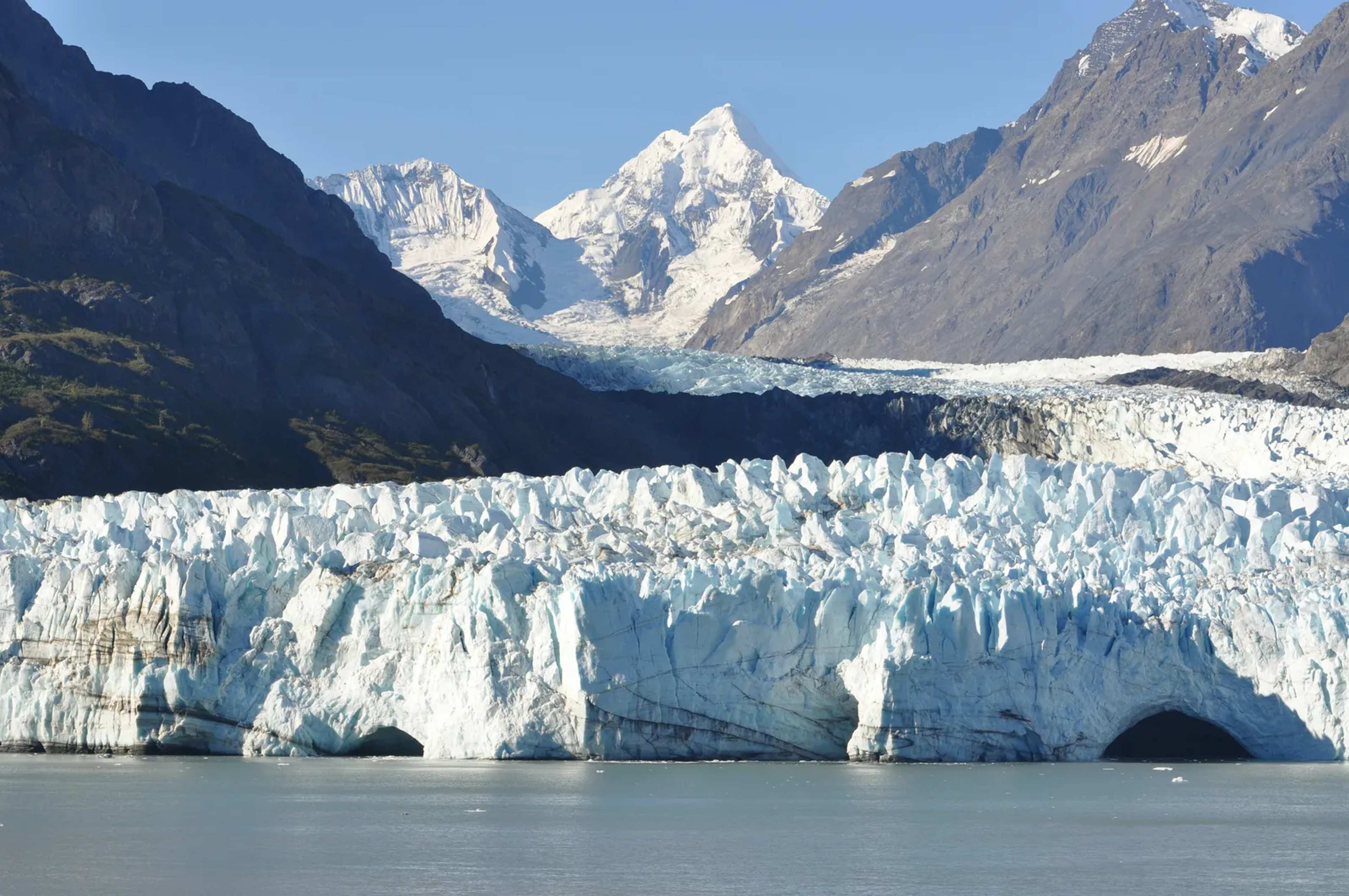
Glacier Bay National Park & Preserve stands apart from most other American national parks because no roads reach its interior. Visitors must arrive by boat, ship or small plane to experience its vast fjord-like waters and towering ice formations. The park draws hundreds of thousands of people each year, yet its scale and isolation keep much of the landscape untouched. ([1])
Reaching the Park by Water
Most travelers experience Glacier Bay during a cruise that stops for a single day. Typical seven-night voyages from Vancouver or Seattle include the park alongside stops in Juneau, Skagway and Ketchikan. Only two cruise ships receive permits each day, a limit that preserves the quiet of the 5,200-square-mile reserve.
Those who prefer more flexibility can fly or ferry into the small community of Gustavus. From there, a daily park tour boat departs Bartlett Cove and travels up the 65-mile waterway to the glaciers. Private boats and chartered vessels also provide access for independent explorers.
Glaciers That Meet the Sea
The park contains more than 1,000 glaciers, though only a handful remain true tidewater glaciers that calve directly into the ocean. Rangers note that the number of active tidewater glaciers has declined in recent years as some have retreated from the water’s edge. Watching house-sized chunks of ice plunge from the face of Margerie or Grand Pacific Glacier remains the signature sight for most visitors.
Wildlife sightings add to the drama. Harbor seals, Steller sea lions, puffins and occasional humpback whales appear along the route. Brown bears sometimes forage along the shoreline while the vessel glides past snow-capped peaks and dense forests.
Options for Deeper Exploration
Travelers who stay longer than a cruise day can hike short forest trails or tackle longer routes such as the eight-mile Bartlett Lake Trail. Kayak rentals at Bartlett Cove allow paddlers to explore protected coves on their own or with guides. The park also maintains a free campground at Bartlett Cove and permits wilderness camping along hundreds of miles of shoreline.
Cultural programs at the Xunaa Shuka Hit tribal house introduce visitors to Huna Tlingit history and traditions. Flightseeing tours from Gustavus or nearby towns offer aerial views of the ice fields and mountains for those who want a different perspective.
Practical Details for Visitors
The park operates year-round, yet most services run only from May through September. Summer temperatures usually reach the 50s and 60s, though rain gear and layers remain essential. No entry fee applies, and the single lodge at Bartlett Cove serves as the main base for land-based stays.
Whether viewed from a cruise-ship deck or a small tour boat, Glacier Bay delivers a rare combination of scale, wildlife and moving ice. The absence of roads preserves its wild character and makes every approach feel like a genuine expedition.