Every June, the Institute for Economics and Peace releases a document that quietly shapes decisions far beyond foreign policy circles. Retirees scanning for a new home base, families weighing a move abroad, and financial planners advising clients on where to spend their later years all watch the rankings closely. The 2026 edition landed with a familiar cast at the top, though the reasons behind each country’s placement reveal a lot about what actually makes a place livable for someone entering retirement.
The 2026 Global Peace Index reveals a world struggling with the economic consequences of a record-high number of conflicts that are increasingly interconnected and difficult to resolve. Against that backdrop, a small cluster of nations continues to stand apart, offering the kind of stability that matters most once the working years are behind you.
1. Iceland: the perennial leader
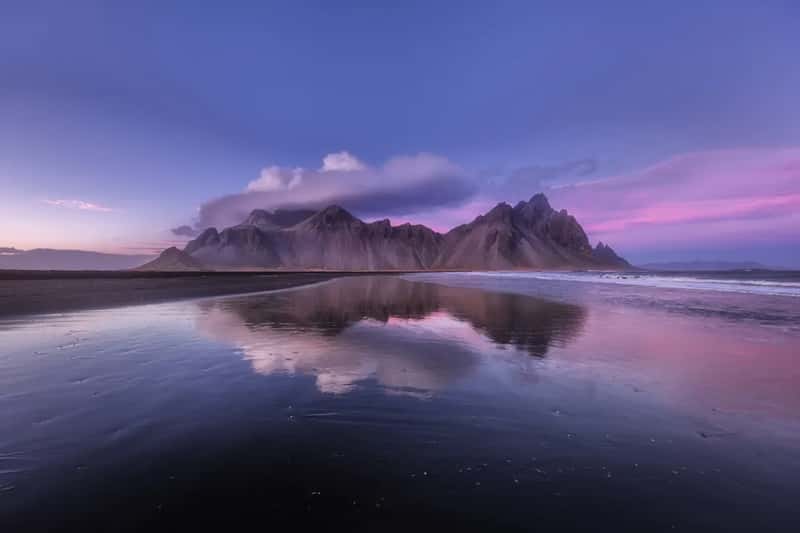
Iceland retains its position as the world’s most peaceful country for the 19th consecutive year, with no standing army and exceptionally low crime levels that set it apart in the data. For retirees, that translates into a country where personal safety is rarely a daily concern, whether you are settling in Reykjavik or a smaller coastal town.
The island nation, with a population of less than 400,000, consistently demonstrates the lowest crime rate, an absence of external conflicts, and minimal militarization. The tradeoff is climate and cost. Winters are long and dark, and Iceland is not a budget destination, so retirees drawn here tend to prioritize tranquility and natural scenery over cheap living.
2. New Zealand: distance as a form of protection
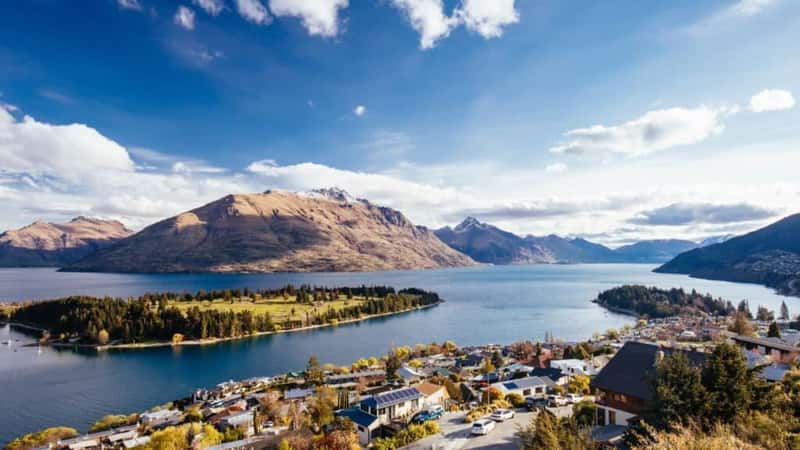
New Zealand moves up to second place, from third, recording the lowest ongoing conflict score across the Asia-Pacific region, and beyond its striking natural scenery, it offers a level of political stability and societal calm that few countries can rival. Its geographic isolation, once seen as a drawback, now reads as an asset in an increasingly interconnected conflict landscape.
Retirees who choose New Zealand often cite the pace of life and the outdoors culture as much as the safety statistics. Police do not carry personal firearms because they do not see a need to, and violent crime is low, though theft, especially pickpocketing and petty theft targeting tourists, remains relatively common. Healthcare quality is high, though newcomers typically need private coverage before qualifying for public entitlements.
3. Switzerland: wealth meets neutrality
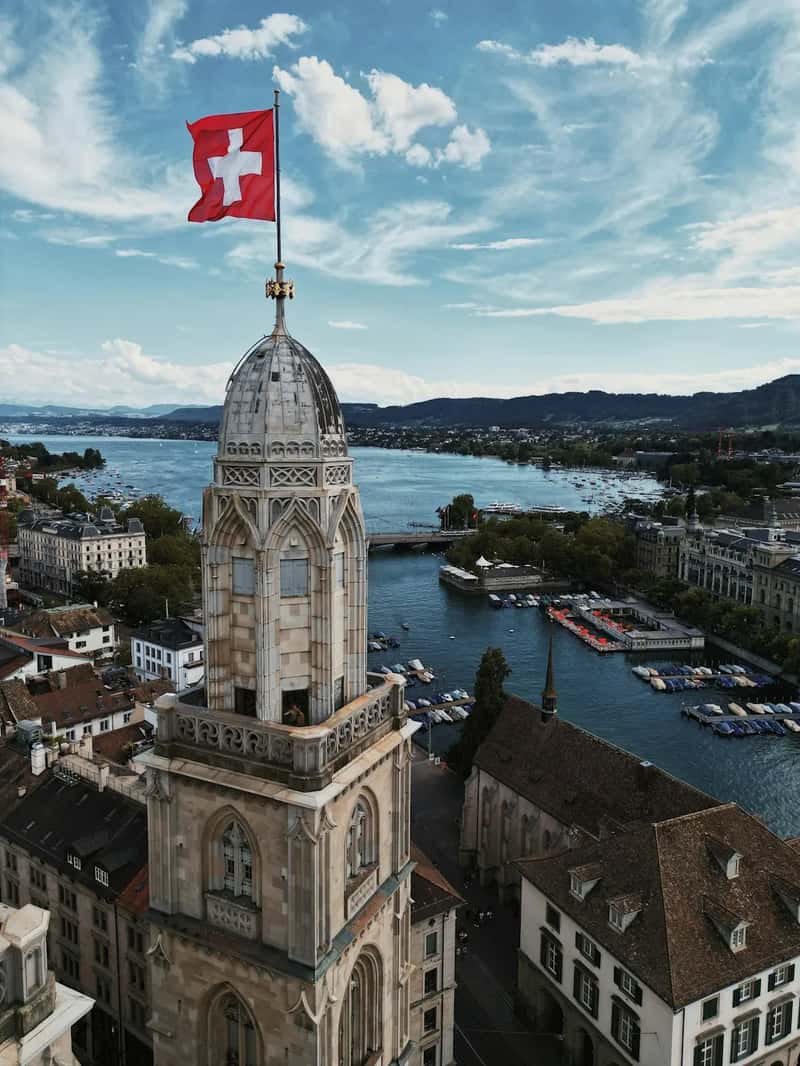
Switzerland ranks third, reinforcing a long-held perception among travelers, underscored by the data, as one of the most consistently stable and secure countries in the world. Its long tradition of neutrality gives it a political character that many retirees find reassuring, particularly during a period of rising global tension.
This Alpine nation’s commitment to neutrality dates back to the Treaty of Paris in 1815, keeping it out of both World Wars, and Switzerland consistently ranks among the world’s wealthiest countries, with GDP per capita exceeding $93,000 in 2024. That wealth comes with a price tag. Switzerland maintains extraordinarily low violent crime rates, with homicide rates among the world’s lowest at 0.5 per 100,000 inhabitants, and even in major cities like Zurich and Geneva, residents report feeling safe walking alone at night.
4. Slovenia: the quiet riser
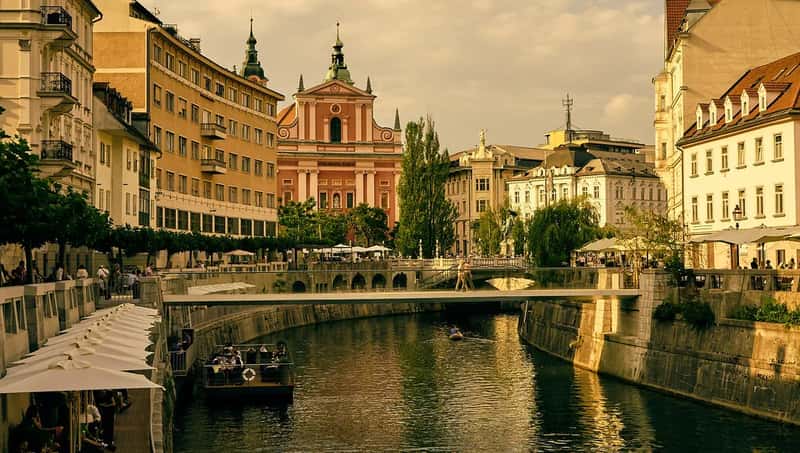
Slovenia climbs two places to fourth, emerging as one of the list’s most underrated countries. It rarely appears on the typical retirement shortlist next to Portugal or Spain, yet its combination of low crime, EU membership, and compact geography makes it an increasingly attractive option for those wanting Central European culture without Western European price tags.
Ljubljana, its capital, is small enough to walk across in an afternoon yet holds enough infrastructure, cafes, and healthcare access to satisfy most retirees’ daily needs. Ljubljana, in 4th place on the safest countries list, is emerging as one of the list’s most underrated countries. Its Alpine and Adriatic proximity also gives retirees easy access to both mountains and coastline within a short drive.
5. Ireland: community, culture, and a real cost tradeoff
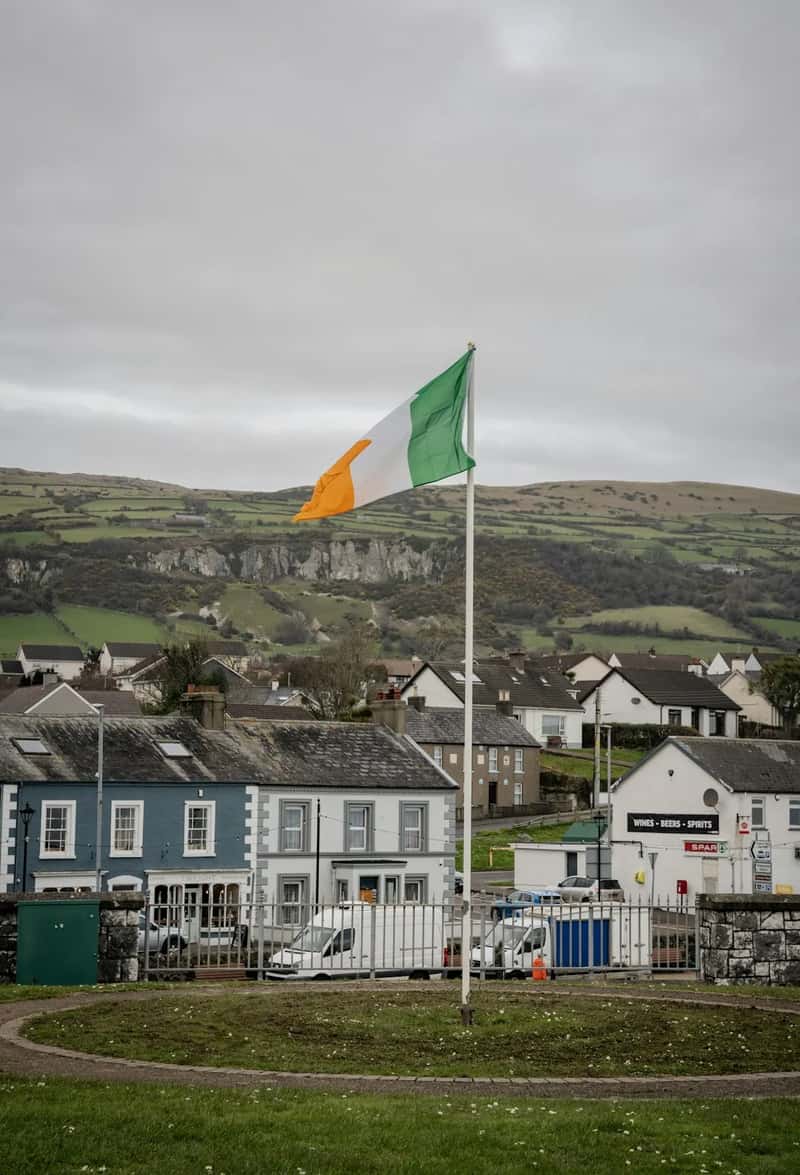
Ireland ranks fifth on the 2026 list. Its appeal to retirees goes beyond peace scores. It’s an English-speaking country with a strong sense of community, a fact that eases the transition for many expats far more than statistics ever could.
Healthcare and housing costs deserve careful attention before moving. Getting a retirement visa in Ireland requires proving an income of at least fifty thousand euros per year, or one hundred thousand euros if applying as a couple. Private health insurance is mandatory for non-EEA nationals retiring in Ireland, and without it, a visa will not be approved. Dublin rents run high, but smaller cities like Galway or Limerick offer housing in the range of nine hundred to fifteen hundred euros monthly, dropping further in smaller towns.
6. Austria: central location, low turbulence
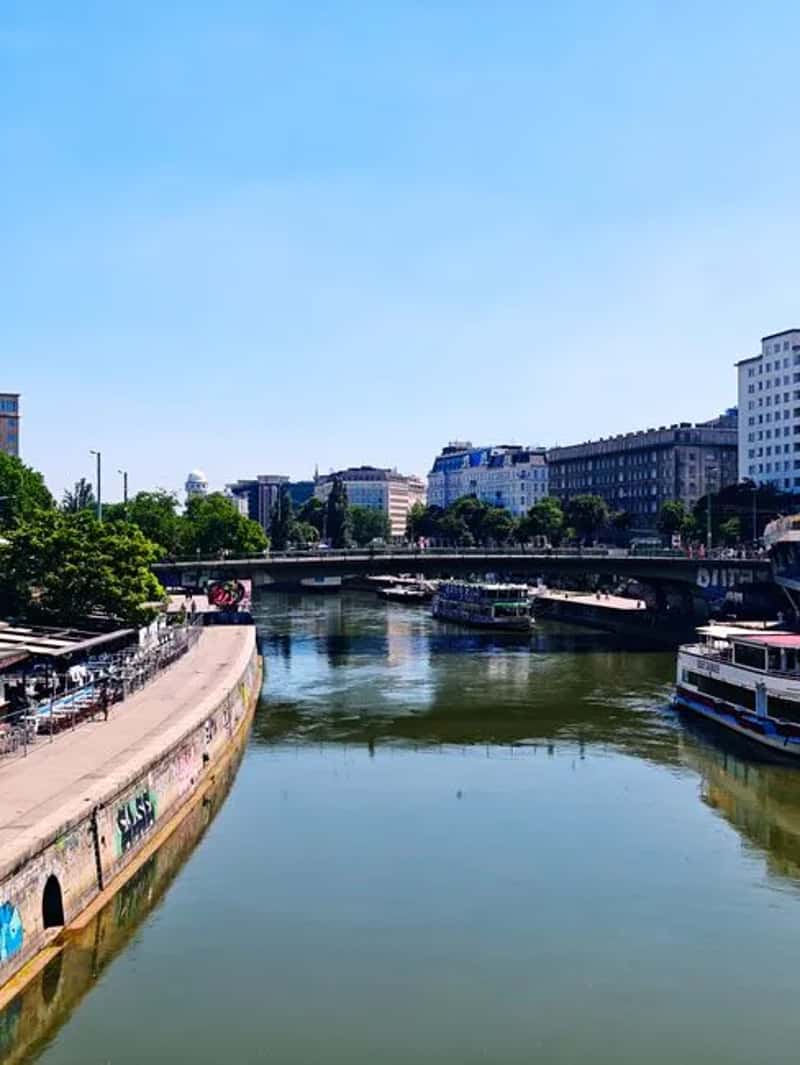
Austria has held a steady position near the top of the index for years, and 2026 is no exception. Austria secures a place with a score reflecting strong performance across multiple Global Peace Index domains, and the economic costs of violence in Austria amount to just a small fraction of its GDP, among the lowest worldwide, with low crime rates and a strong judicial system reinforcing its peaceful environment.
For retirees, Vienna offers a rare combination of cultural depth, efficient public transport, and a healthcare system regularly ranked among Europe’s best. Petty crime has seen a slight increase in urban areas like Vienna, though serious crime remains rare. Austria’s central position within Europe also makes it a practical base for retirees who want easy rail or short-flight access to neighboring countries.
7. Portugal: the retiree favorite with a changing tax picture
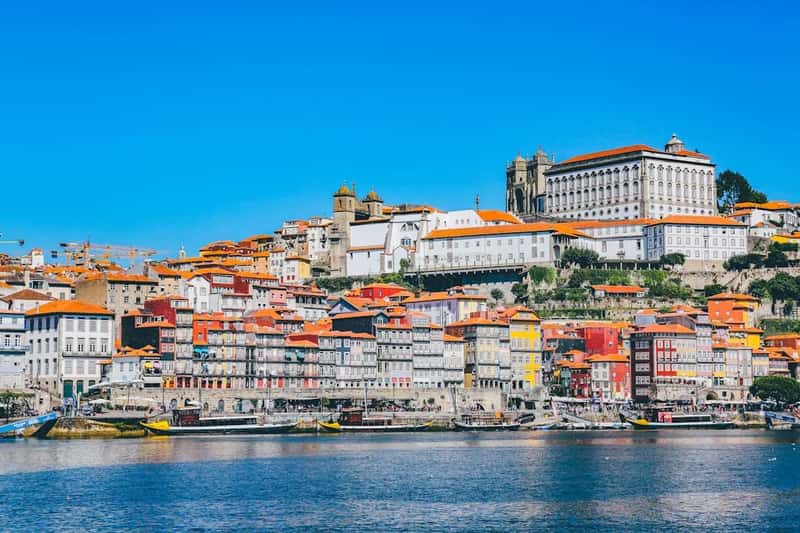
Portugal ranks seventh on the 2026 index, followed by Singapore, Finland, and Japan rounding out the top ten. It has become something of the default answer when people ask where to retire safely in Europe, thanks to its mild climate, coastline, and relatively accessible visa route.
As of 2026, the Portugal D7 Visa minimum passive income requirement is €920 per month, totalling around €11,040 per year. The tax landscape has shifted, though. The replacement program, called the IFICI or NHR 2.0, is designed for highly qualified professionals and does not provide special tax treatment for pension income, meaning retirees arriving in 2026 will generally be taxed on their worldwide income at Portugal’s standard progressive rates, ranging from 14.5% to 48%. Even so, many find the overall cost of living low enough to offset that change.
8. Singapore: Asia’s safety benchmark
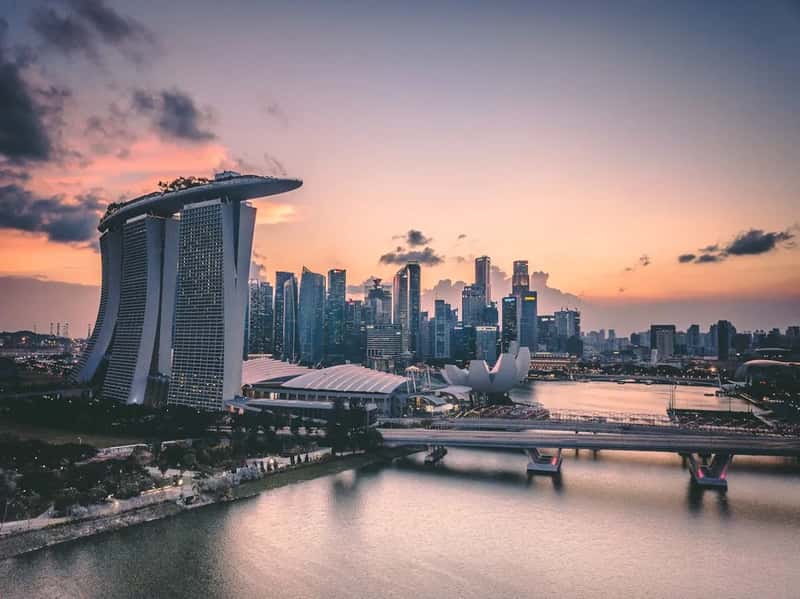
Singapore has climbed steadily up the rankings in recent years and holds firm in the top ten for 2026. The city-state ranks second in peace in the Asia-Pacific region, behind New Zealand, and particularly excels in the domains of safety and security and ongoing conflict.
Its appeal for retirees lies in a blend of efficiency and order rarely matched elsewhere. While serious crime remains rare in Singapore, petty offences like pickpocketing can occur, necessitating basic security precautions, and the country’s low crime rates largely result from strict laws and rigorous enforcement. Healthcare quality is another draw. Singapore’s healthcare quality matches or exceeds that of countries like Australia. The tropical climate and high cost of living are the main considerations that give some prospective retirees pause.
9. Finland: the Nordic model, extended
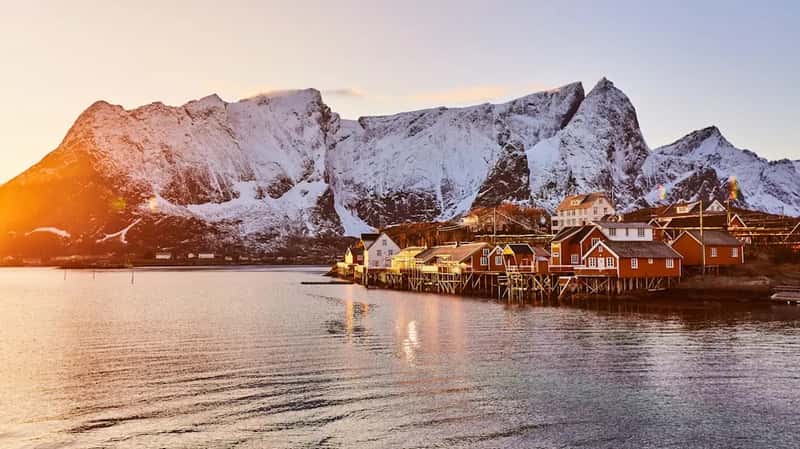
Finland rounds out the Nordic representation in the top ten alongside Iceland, reinforcing a pattern that has held for over a decade. The Nordic countries of Europe, including Finland, rank among the 25 safest globally, most of them also being among the top 10 happiest nations worldwide.
Common attributes of the world’s safest countries include high levels of wealth, social welfare, education, effective criminal justice systems, and positive government-citizen relationships, and Finland checks each of those boxes. Retirees who choose Finland typically value its robust social infrastructure and low corruption over warm weather, since winters there are long and demanding for anyone unaccustomed to them.
10. Japan: order, longevity, and an aging society that plans ahead
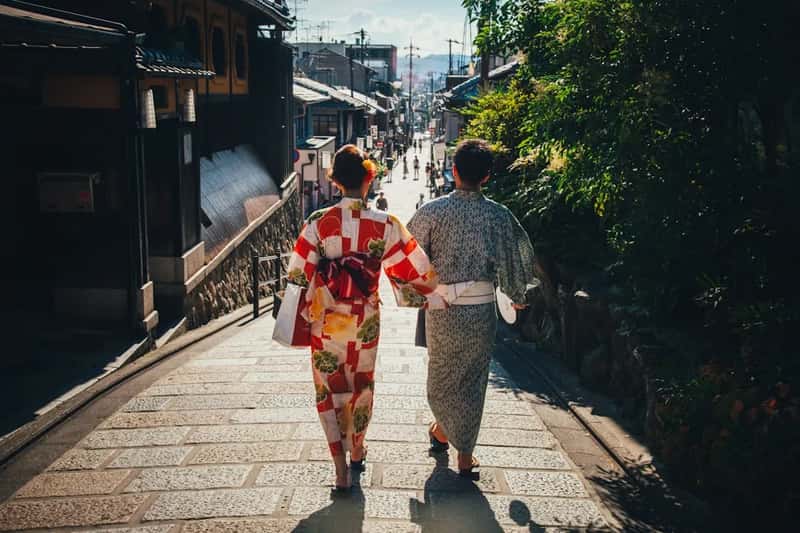
Japan is one of only three non-European countries in the top ten, alongside New Zealand and Singapore. Its inclusion reflects decades of low crime, strong civic institutions, and a culture that places a high value on public order.
For foreign retirees, Japan presents a slightly different picture than the European entries on this list. Healthcare infrastructure is excellent and among the most advanced in the world, a natural byproduct of a society that has spent years planning for an aging population. Language and residency requirements can be more demanding for newcomers than in EU member states, so retirees typically research visa categories carefully before committing, though the payoff is life in one of the most orderly and low-crime societies anywhere.
What the rankings actually mean for retirement planning
The GPI evaluates a total of 23 indicators, which can be sorted into three distinct categories: militarization, safety and security, and domestic and international conflict, before combining them into a single score. That breadth is useful, but it also means the index measures national-level stability rather than the day-to-day experience of any one retiree in any one town.
Steve Killelea, the founder of the Institute for Economics and Peace, has noted that the Index is best read as a guide to the underlying conditions of a society rather than a guarantee of personal safety, and travelers should always consult their government’s travel advice alongside it. Cost of living, healthcare access, visa requirements, and climate still deserve just as much weight as a peace score when someone is deciding where to spend the next chapter of life. The list above is a strong starting point, not a final answer, and the details behind each country’s ranking usually matter more than the rank itself.